Why Do Modern Cars Feel Less Exciting for Enthusiasts?
Ask any longtime car enthusiast, and you’ll probably get a sigh before an answer. There’s a sense that something’s changed—maybe even been lost—when it comes to the experience of driving new cars. But what’s really driving this shift? Let’s dig into the reasons why modern vehicles can feel a little less thrilling for those who love the art of driving.
Are New Cars Too Complicated for Their Own Good?
Pop the hood on a car from the 1990s, and you’ll see a relatively simple engine bay. Now, open up a 2024 model, and you’re greeted by a maze of sensors, wires, and plastic covers. Modern cars are technological marvels, packed with advanced driver assistance systems, infotainment screens, and connectivity features. While these innovations make driving safer and more convenient, they can also create a sense of detachment.
For many enthusiasts, part of the joy comes from tinkering—modifying, repairing, or just understanding how things work. According to a 2023 survey by the Specialty Equipment Market Association (SEMA), 68% of car hobbyists say they feel less able to work on their own vehicles due to increased complexity. That’s a big deal. When you need a laptop and proprietary software just to diagnose a check engine light, it’s easy to feel like the car isn’t really yours anymore.
Is the Driving Experience Being Watered Down?
Let’s talk about feel. Older cars had quirks—sometimes frustrating, sometimes endearing, but always engaging. Manual transmissions, hydraulic steering, and a more direct connection to the road. Today, many new cars prioritize comfort and isolation. Electric power steering, dual-clutch automatics, and endless driving modes can make the experience smoother, but also more sterile.
Take the rise of electric vehicles (EVs). They’re quick—sometimes shockingly so—but the silence and lack of gear changes can leave some drivers cold. It’s not that EVs are bad; they’re just different. As one automotive journalist put it, “You don’t drive an EV so much as you operate it.” For some, that’s a tough pill to swallow.
Why Are Modern Cars So Expensive?
Sticker shock is real. The average price of a new car in the US hit over $48,000 in 2023, according to Kelley Blue Book. That’s up nearly 30% from just five years ago. Part of this is inflation, but a lot of it comes down to all the tech and safety features packed into today’s vehicles.
For enthusiasts, this means the entry point for a “fun” car keeps moving higher. Affordable, lightweight sports cars are becoming rare. Even used models are climbing in price, thanks to supply chain issues and high demand. It’s not just about the thrill of driving—it’s about whether you can afford to get in the game at all.
Are Environmental Regulations Killing the Fun?
There’s no denying that stricter emissions standards have changed the automotive landscape. Turbochargers, hybrid systems, and start-stop technology are now the norm, all in the name of efficiency. While these advances are good for the planet, they can sometimes sap the character out of a car.
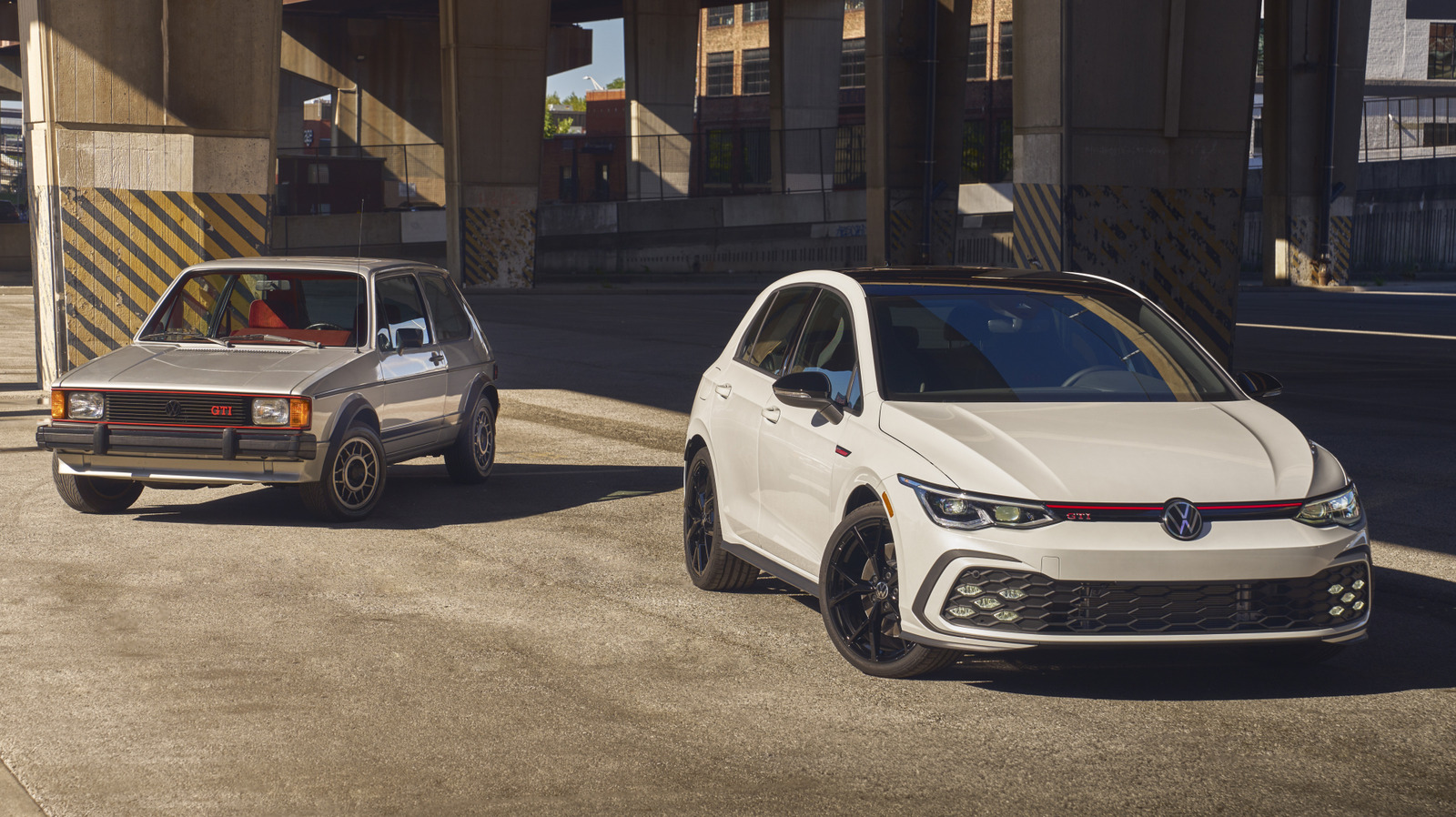
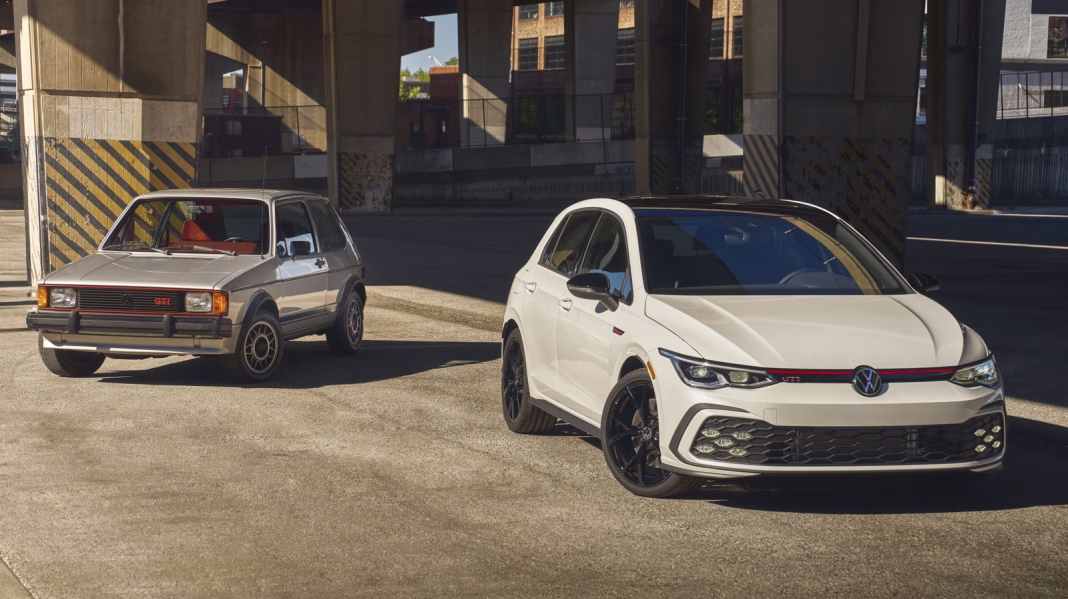
That said, some manufacturers are finding clever ways to keep things interesting. Look at the resurgence of turbocharged hot hatches or the engineering wizardry behind modern performance hybrids. It’s not all doom and gloom—just a different kind of fun.
What About the Loss of Personality?
Remember when every car had its own sound, smell, and feel? Modern vehicles, especially those built on shared platforms, can sometimes blur together. The push for global efficiency means fewer unique engines, transmissions, and even design cues.
But there are bright spots. Brands like Mazda, Subaru, and BMW still make cars that cater to enthusiasts. Limited-run models and special editions keep the spirit alive, even if you have to hunt a little harder to find them.
How Can Enthusiasts Adapt and Still Enjoy Modern Cars?
Here’s the good news: being a car enthusiast today just means shifting your approach. Maybe it’s about embracing new tech, learning to tune a turbocharged engine, or exploring the world of EV performance. Online communities and forums are thriving, offering advice and camaraderie for every skill level.
Some drivers are turning to older cars, restoring classics or modifying 20-year-old imports. Others are finding joy in autocross events, track days, or even sim racing. The passion hasn’t gone anywhere—it’s just evolving.
The big takeaway? Being a car enthusiast in the modern era isn’t about perfection—it’s about smarter adjustments. Start with one change this week, and you’ll likely spot the difference by month’s end.