What Made the Boeing 757 So Beloved by Pilots?
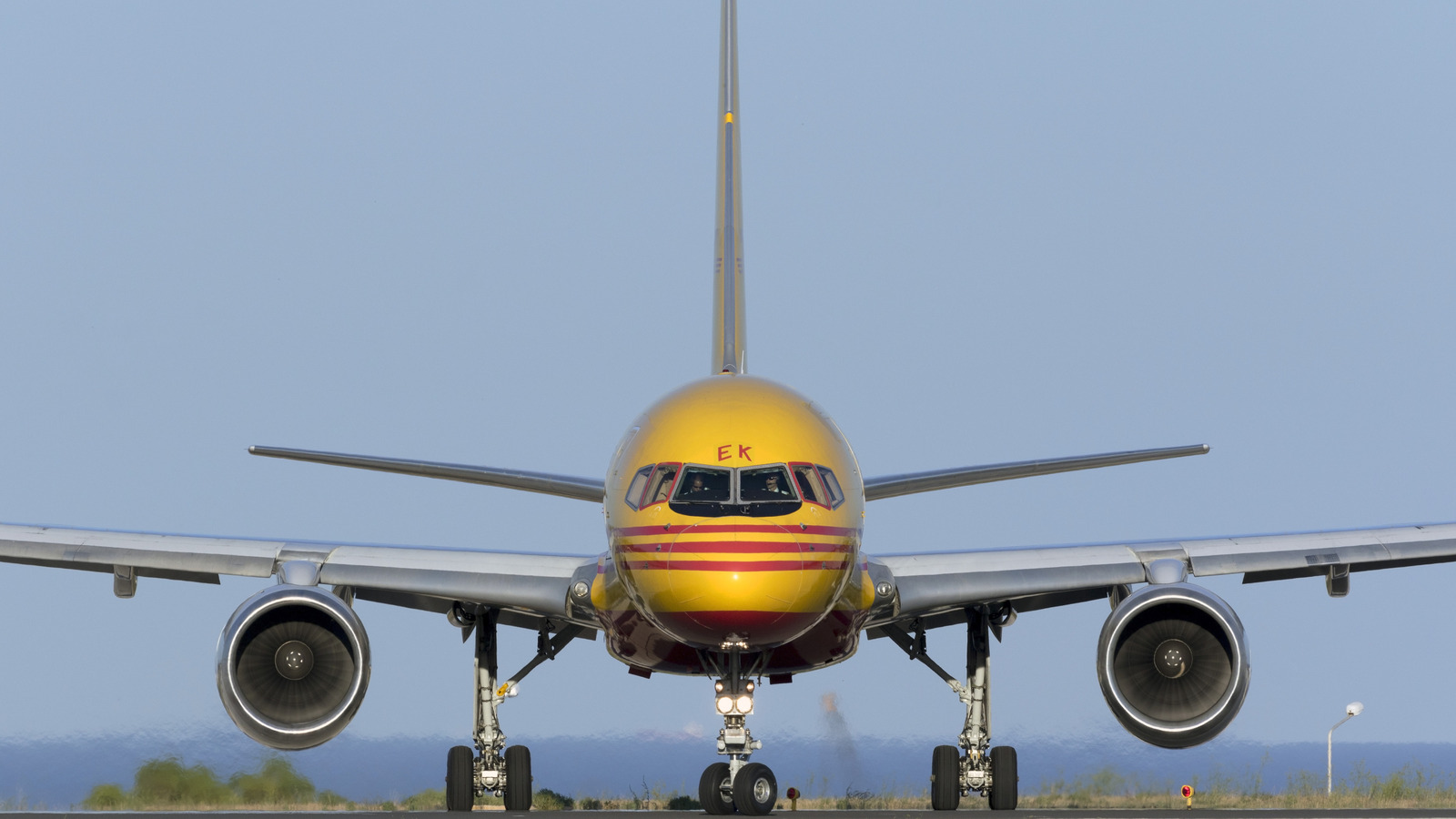
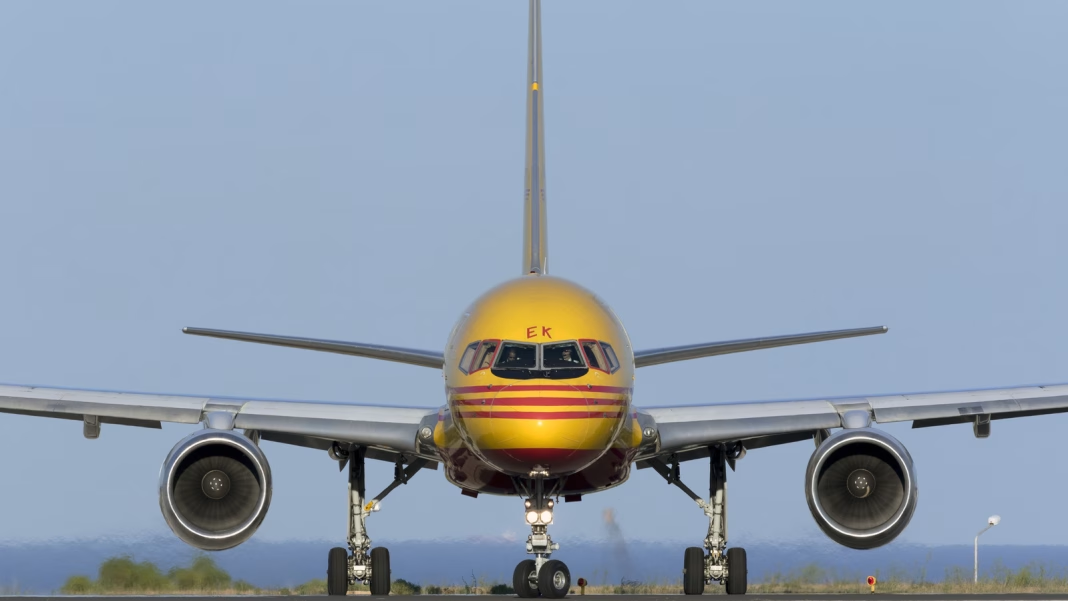
Ask any seasoned pilot about the Boeing 757, and you’ll likely see a grin. This narrow-body jet, introduced in the early 1980s, quickly earned a reputation for being both a workhorse and a joy to fly. But what exactly set it apart from its peers? For starters, the 757 combined raw power with nimble handling—an unusual combo in commercial aviation. Its twin Rolls-Royce RB211 or Pratt & Whitney PW2000 engines delivered up to 43,500 pounds of thrust each, letting the aircraft leap off runways that would leave other jets lumbering behind.
Pilots often talk about the 757’s responsiveness. The controls felt tight, almost sporty, especially compared to the heavier, more sluggish widebodies of its era. Captain John Cox, a veteran pilot and aviation safety expert, once described the 757 as “the closest thing to a sports car in the sky.” That’s not just nostalgia talking—its high thrust-to-weight ratio and advanced aerodynamics made it uniquely agile, even at full load.
How Did the Boeing 757 Earn the Nickname Atari Ferrari?
The nickname “Atari Ferrari” didn’t come out of thin air. It’s a mashup that captures the essence of the 757’s appeal. On one hand, “Atari” nods to the aircraft’s then-cutting-edge digital avionics. When the 757 debuted, its cockpit was packed with electronic flight instruments and computer-assisted systems—light-years ahead of the analog dials pilots were used to. For many, it felt like stepping into the future.
On the other hand, “Ferrari” hints at the jet’s performance. With its powerful engines and slick handling, the 757 could climb fast, cruise efficiently, and land on shorter runways than most jets its size. Pilots loved the way it responded to their touch, almost as if it anticipated their moves. The result? Pure magic. The nickname stuck, and it’s still spoken with a mix of affection and awe.
What Are the Key Specs That Made the 757 Stand Out?
Let’s get into the nuts and bolts. The Boeing 757 typically seats between 200 and 239 passengers, depending on the configuration. Its range? Up to 4,500 nautical miles—enough for transatlantic hops and coast-to-coast U.S. routes. The maximum takeoff weight tops out at around 255,000 pounds, but thanks to those beefy engines, it never felt underpowered.
One of the 757’s secret weapons was its wing design. The long, slender wings provided excellent lift and fuel efficiency, contributing to its reputation for smooth, stable flight even in rough weather. Airlines loved it for its versatility: the 757 could handle short runways at high-altitude airports, making it a favorite for tricky destinations like Denver or Quito.
Why Do Airlines and Passengers Still Miss the 757?
Despite its age, the 757 remains a darling among both pilots and frequent flyers. Airlines appreciated its reliability and flexibility. It could serve everything from short domestic hops to long-haul international routes, often with better economics than larger widebodies. For passengers, the 757 offered a quieter, more comfortable ride—especially in the forward cabin, where engine noise was minimal.
Even as newer models like the Boeing 737 MAX and Airbus A321neo have entered the scene, neither has fully replaced the 757’s unique blend of range, payload, and performance. That’s why, as recently as 2023, some airlines were still lobbying Boeing for a true successor. The demand for a “757 replacement” remains a hot topic in aviation circles.
What’s the Legacy of the Atari Ferrari Today?
The Boeing 757’s story isn’t just about nostalgia—it’s about lasting impact. Many of the digital systems pioneered in the 757’s cockpit became standard in later aircraft. Its performance envelope inspired a generation of pilots and engineers. Even now, more than 40 years after its first flight, you’ll find 757s crisscrossing the globe, hauling passengers and cargo with the same swagger they had in the 1980s.
The big takeaway? The 757 isn’t about perfection—it’s about smarter adjustments. Start with one change this week, and you’ll likely spot the difference by month’s end. Whether you’re a pilot, an aviation geek, or just someone who appreciates a good nickname, the Atari Ferrari’s legacy is a reminder that sometimes, the right mix of power and innovation can make an icon.