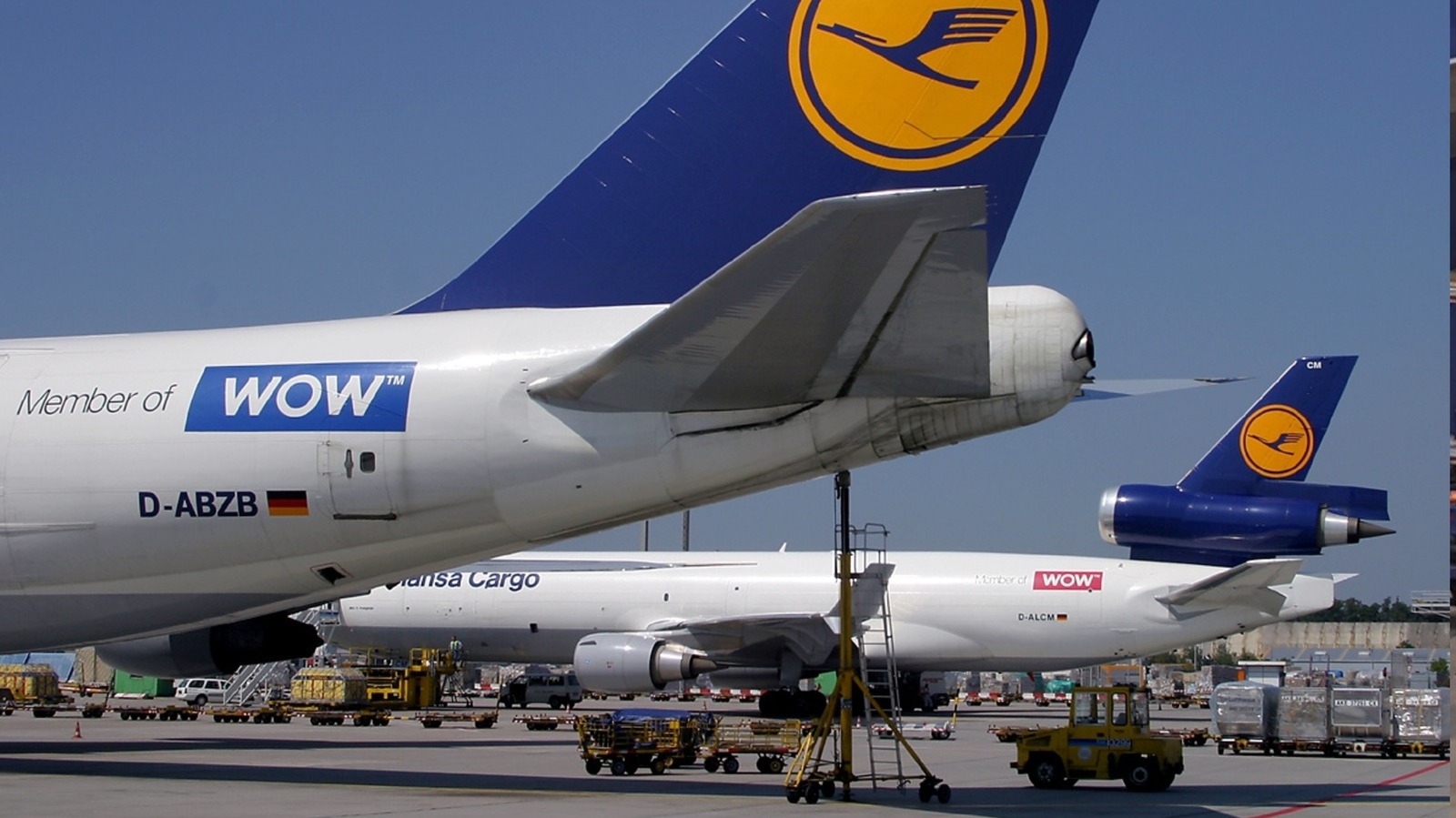
Why Do Some Airliners Need a Tail Stand at the Gate?
Ever walked by a parked airplane and spotted what looks like a giant metal crutch propping up the tail? You’re not imagining things. That’s a tail stand, and it’s more than just a quirky accessory—it’s a vital piece of equipment for certain aircraft models. Let’s dig into why these stands exist, which planes need them, and what would happen if they weren’t used.
What’s the Real Reason for the Tail Stand?
It all comes down to balance. Large commercial jets, especially certain Boeing models like the 737 and 757, are designed with their main landing gear located closer to the aircraft’s center of gravity. This setup is great for takeoff and landing, but it can create a problem when the plane is parked at the gate.
When passengers are boarding or cargo is being loaded—especially if it’s concentrated toward the rear—the weight distribution can shift dramatically. If too much weight ends up behind the main landing gear, the tail can actually tip backward, causing the nose to lift off the ground. Not exactly the kind of excitement you want before a flight.
Which Planes Are Most at Risk?
You’ll mostly see tail stands used with narrow-body jets like the Boeing 737, 757, and sometimes the 727. These aircraft have relatively short wheelbases and are more sensitive to weight imbalances when parked. Wide-body jets (think Boeing 777 or Airbus A350) are less likely to need tail stands because their longer fuselages and gear placement give them better stability.
Real-world example: In 2008, a Boeing 737 in Australia tipped onto its tail during boarding because the tail stand wasn’t in place and the passenger load was uneven. No one was hurt, but it was a wake-up call for airlines to stick to best practices.
How Does the Tail Stand Actually Work?
The tail stand is a simple but sturdy device—usually a telescoping metal pole with a padded top. Ground crews attach it to a reinforced socket near the rear of the fuselage as soon as the plane parks. Once in place, it acts as a physical barrier, preventing the tail from dropping even if the weight shifts unexpectedly.
It’s not a high-tech solution, but it’s incredibly effective. Some newer aircraft have built-in tail support systems, but for many models, the good old-fashioned tail stand is still the go-to.
What Happens If You Skip the Tail Stand?
Skipping the tail stand isn’t just a minor oversight—it can lead to serious problems. If the tail tips back, you risk damaging the aircraft, injuring ground staff, or even causing panic among boarding passengers. Repairs can be costly and time-consuming, and airlines face delays, which nobody enjoys.
According to the Federal Aviation Administration, incidents involving aircraft tipping at the gate are rare but not unheard of. Most airlines have strict protocols to ensure tail stands are used whenever required, and ground crews receive specific training to prevent mishaps.
Are There Any Alternatives to the Tail Stand?
Some airlines try to manage the risk by carefully sequencing passenger boarding or cargo loading—putting people and bags toward the front first. Others have experimented with built-in tail support jacks or reinforced landing gear. But for many fleets, especially older or more common models, the portable tail stand remains the most practical and cost-effective solution.
Why Don’t All Airplanes Need One?
It’s all about design. Aircraft with a longer wheelbase or a more forward center of gravity are naturally less prone to tipping. Wide-body jets, regional turboprops, and most business jets rarely need tail stands because their weight distribution is more forgiving.
Think of it like loading a pickup truck: if you pile everything at the back, the front wheels might lift. Spread the load evenly, and you’re good to go.
What Should Passengers Know About Tail Stands?
Most travelers never notice the tail stand, and that’s a good thing. It means the system is working as intended. If you do spot one, it’s just a sign that your airline is taking safety seriously. There’s no impact on your flight experience, and the stand is removed before pushback, so it won’t slow you down.
The Big Takeaway
Tail stands might look like a simple fix, but they’re a clever response to a real-world engineering challenge. They keep planes safe and steady during some of the busiest moments on the ground. The big takeaway? Aviation safety isn’t about perfection—it’s about smarter adjustments. Start with one change this week, and you’ll likely spot the difference by month’s end.