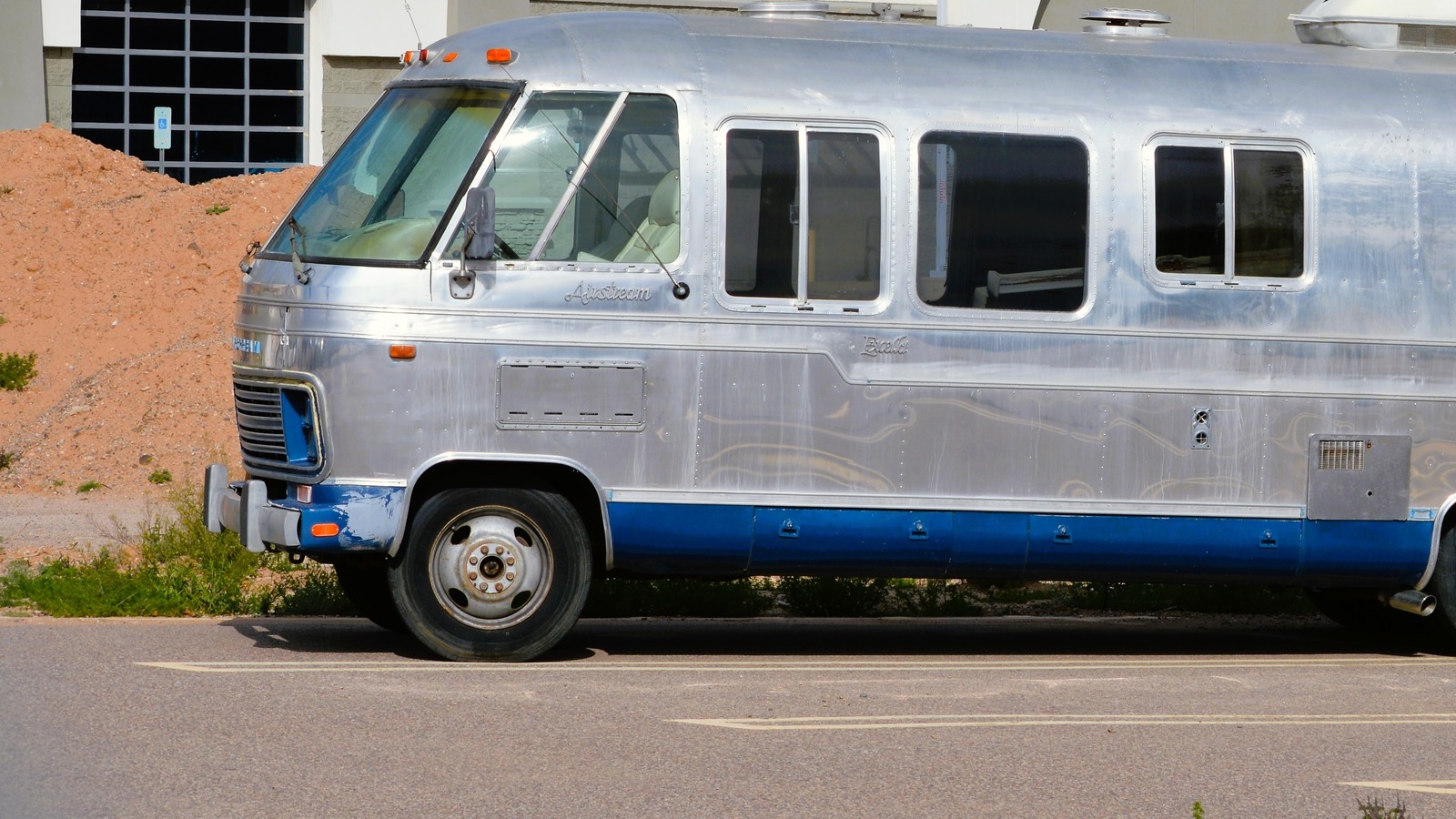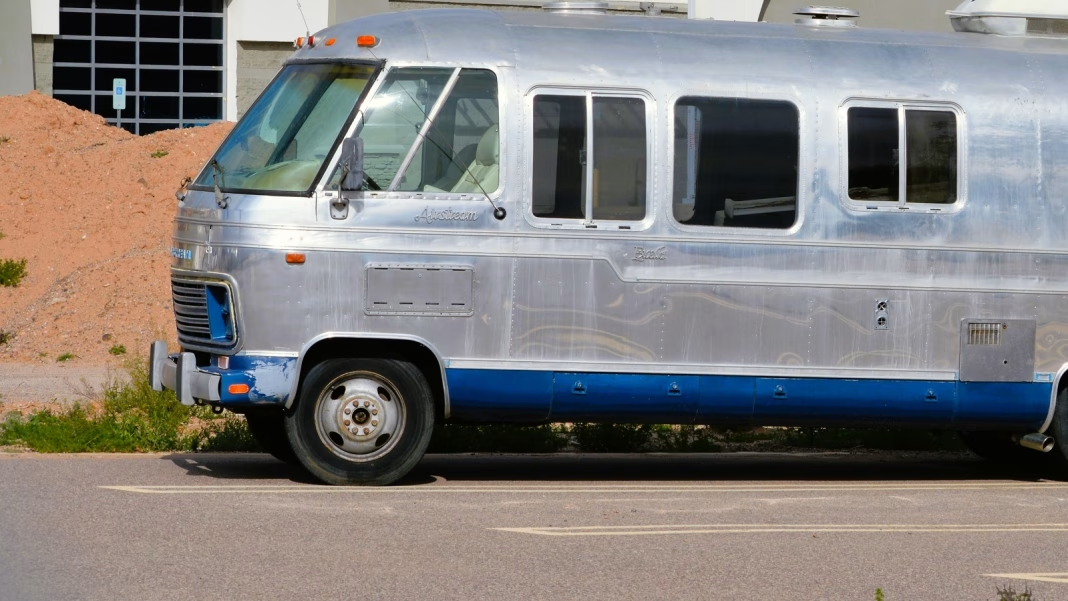
Why Do Some Campgrounds Turn Away Older RVs?
If you’ve ever rolled up to a campground in your beloved vintage RV, only to be met with a polite but firm “no thanks,” you’re not alone. Many campgrounds—especially those with resort-style amenities—have rules about the age and appearance of recreational vehicles. The reason? It’s a mix of aesthetics, safety, and guest expectations.
Campground owners want to maintain a certain look and feel. They’re aiming for a tidy, inviting environment that appeals to travelers seeking comfort and a bit of luxury. An RV that’s seen better days, even if it’s mechanically sound, can clash with that image. There’s also the matter of safety. Older rigs may have outdated electrical systems or plumbing that doesn’t meet current standards, which can be a liability for park owners.
What’s the “Ten-Year Rule” and How Does It Affect RV Owners?
You might have heard of the “ten-year rule.” It’s a policy some campgrounds use to limit RVs older than a decade from staying on their property. While it sounds strict, it’s not always enforced to the letter. Many parks are willing to make exceptions for well-maintained vintage campers or unique models that add charm rather than detract from it.
Still, if your RV is pushing past its tenth birthday, it’s smart to call ahead. Some campgrounds will ask for photos or details about recent renovations. A fresh coat of paint, updated decals, or a tidy interior can go a long way toward easing concerns. Think of it as curb appeal for your home on wheels.
Are There Real Benefits to Buying or Keeping an Older RV?
Absolutely. The financial upside is hard to ignore. According to the RV Industry Association, the average price of a new motorhome in 2023 was over $140,000, while used models—especially those over ten years old—can be found for a fraction of that cost. That’s money you can put toward fuel, upgrades, or extra nights at your favorite destinations.
Older RVs also have character. There’s a certain nostalgia in a classic Winnebago or Airstream that you just can’t replicate with a factory-fresh model. Plus, many vintage rigs are built with solid materials and craftsmanship that stand the test of time. With regular maintenance, these RVs can be just as reliable as their newer counterparts.
What Should You Watch Out For With Vintage RVs?
Let’s be real: older RVs aren’t all sunshine and open roads. They can come with quirks—leaky roofs, outdated appliances, or electrical gremlins. Before you hit the road, it’s wise to invest in a thorough inspection. Look for water damage, check the tires, and make sure all systems are up to snuff. If you’re not handy, a trusted RV mechanic is worth their weight in gold.
Insurance can be another hurdle. Some providers are hesitant to cover older rigs, or they may charge higher premiums. Shop around and ask about specialty insurers who cater to vintage RV enthusiasts.
How Can You Make Your Older RV More Welcome at Campgrounds?
Presentation matters. Even if your RV is a few decades old, keeping it clean and well-maintained makes a big difference. Replace faded decals, patch up any dents, and keep the exterior tidy. Inside, small upgrades—like new curtains, LED lighting, or updated upholstery—can transform the space and make it feel fresh.
When booking a site, be upfront about your RV’s age and condition. Sending a few photos ahead of time can help reassure campground staff. And if you’re ever turned away, don’t take it personally. There are plenty of parks that celebrate the vintage RV lifestyle and will welcome you with open arms.
Where Can You Find Campgrounds That Love Vintage RVs?
Not every campground is strict about age limits. In fact, there’s a growing community of parks and resorts that cater specifically to classic RVs. Look for vintage rallies, retro-themed campgrounds, or state parks with more relaxed rules. Online forums and social media groups are great places to connect with fellow vintage RV owners and swap recommendations.
A few state and national parks, for example, focus more on the condition of your RV than its age. As long as your rig is safe, clean, and doesn’t leak oil everywhere, you’re likely to be welcomed.
The big takeaway? Enjoying your older RV isn’t about perfection—it’s about smarter adjustments. Start with one change this week, and you’ll likely spot the difference by month’s end.