Why Do Some Tire Shops Refuse Cars With Wheel Spacers?
If you’ve ever thought about adding wheel spacers to your car for a wider stance or to fit aftermarket wheels, you’re not alone. But here’s something that catches many drivers off guard: some tire shops will flat-out refuse to work on cars with wheel spacers installed. Let’s dig into the real reasons behind this, and what it means for you as a car owner.
Are Wheel Spacers Actually Unsafe, or Is That a Myth?
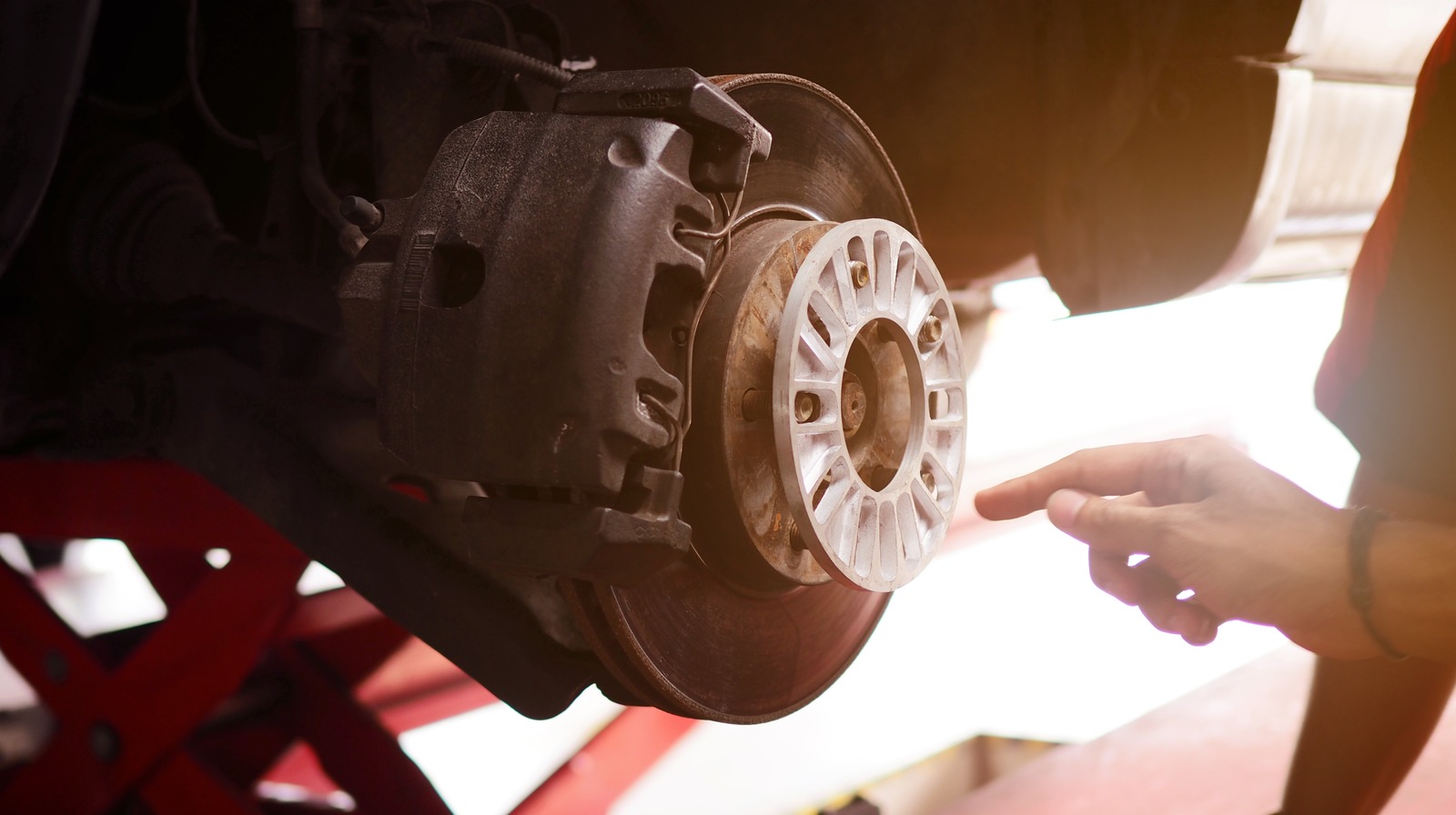
Wheel spacers themselves aren’t inherently dangerous—when they’re high-quality and installed correctly. The problem is, not all spacers are created equal. Cheap, poorly machined spacers can cause wheels to wobble or even come loose. Even reputable brands can be misused if the wrong size is chosen or if they’re not torqued to the right specification.
A 2023 survey by the Specialty Equipment Market Association (SEMA) found that nearly 30% of auto shops had seen at least one case of wheel or hub damage directly linked to improper spacer installation in the past year. That’s not a small number. And when you consider that tire shops are responsible for your safety (and their own liability), you can see why they might be wary.
What Liability Risks Do Tire Shops Face With Modified Cars?
Shops have to think about more than just getting your wheels on and off. If a wheel spacer fails after they’ve worked on your car, even if it wasn’t their fault, they could be dragged into a lawsuit. Insurance companies are quick to deny claims if there’s any sign that a non-standard part contributed to an accident.
Let’s say a shop rotates your tires, and a week later a wheel comes loose because of a spacer issue. Even if the shop did everything right, they might still be held responsible in court. That’s a headache most businesses want to avoid. According to the National Institute for Automotive Service Excellence (ASE), liability concerns are now the number one reason shops turn away cars with certain aftermarket modifications.
How Do Wheel Spacers Affect Your Car’s Performance and Safety?
Wheel spacers change the geometry of your suspension and the load on your wheel bearings. This can lead to faster wear and tear, especially if the spacers are thick or if you’re running oversized wheels. Some car manufacturers explicitly warn against using spacers for this reason.
A real-world example: A 2022 case study from a Midwest tire chain found that cars with spacers thicker than 15mm were twice as likely to need premature wheel bearing replacements. That’s not just a hassle—it’s an extra cost that sneaks up on you.
What Should You Do If You Already Have Wheel Spacers?
If you’re set on keeping your spacers, make sure they’re hub-centric (meaning they fit snugly over your car’s hub) and made from high-grade aluminum. Always torque your lug nuts to the manufacturer’s specs, and check them regularly—especially after the first 50-100 miles of driving.
Before heading to a tire shop, call ahead and ask about their policy. Some independent shops are more flexible, especially if you can show that your spacers are quality parts and properly installed. But don’t be surprised if a national chain says no—it’s usually a company-wide rule, not a personal judgment.
Are There Alternatives to Wheel Spacers for Achieving the Look You Want?
If your goal is a flush wheel fitment or a more aggressive stance, consider wheels with the correct offset instead of using spacers. Many aftermarket wheel companies offer custom offsets to get the look you want without extra hardware. It’s a cleaner, safer solution—and you’ll have an easier time finding shops willing to work on your car.
What’s the Bottom Line for Car Owners Considering Wheel Spacers?
The big takeaway? Wheel spacers aren’t about perfection—they’re about smarter adjustments. Start with one change this week, and you’ll likely spot the difference by month’s end. Whether that means swapping to hub-centric spacers, double-checking your installation, or just calling your local shop before you show up, a little planning goes a long way. Your car—and your peace of mind—will thank you.