Which Two States Don’t Follow the SUV Craze?
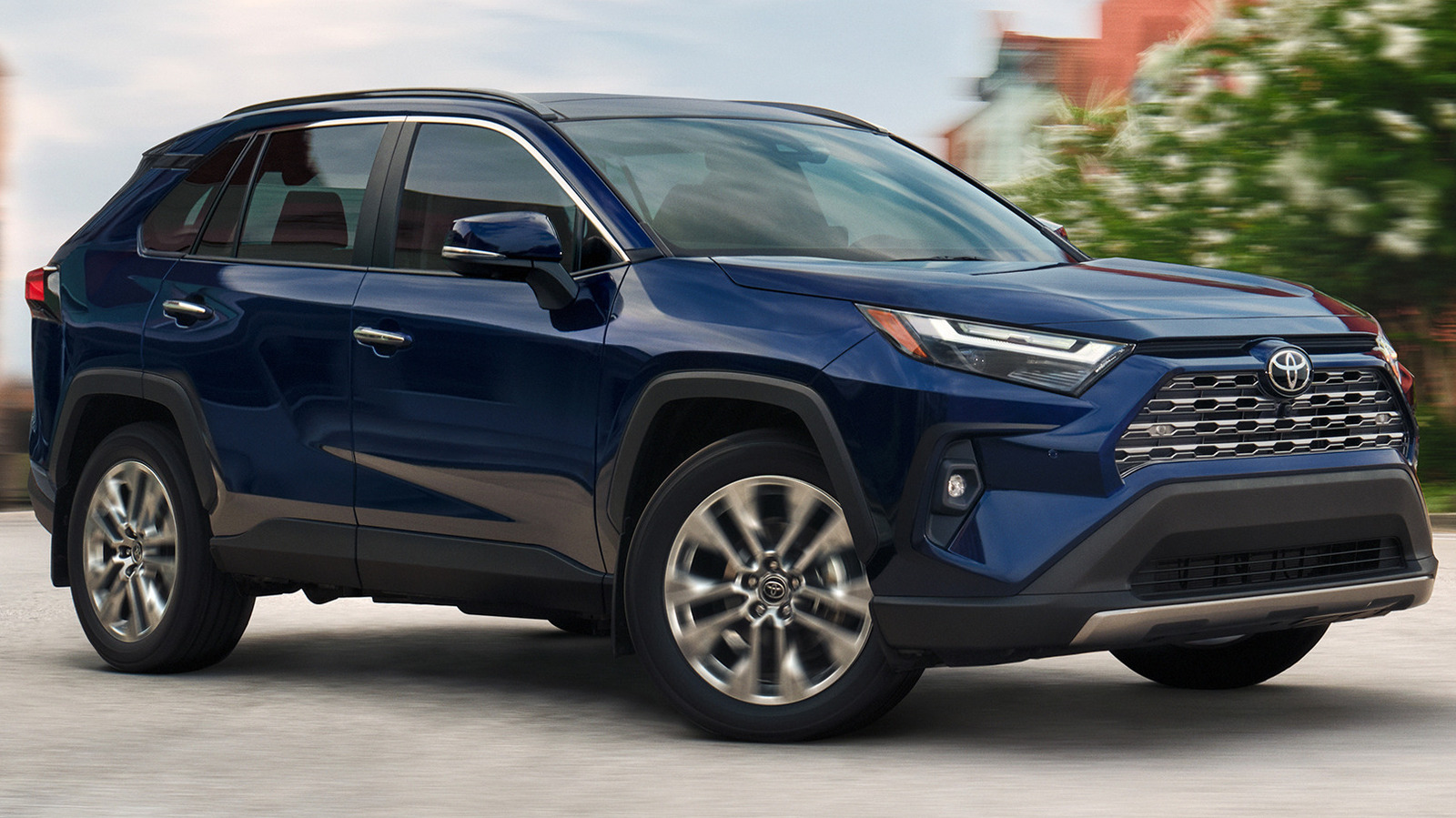
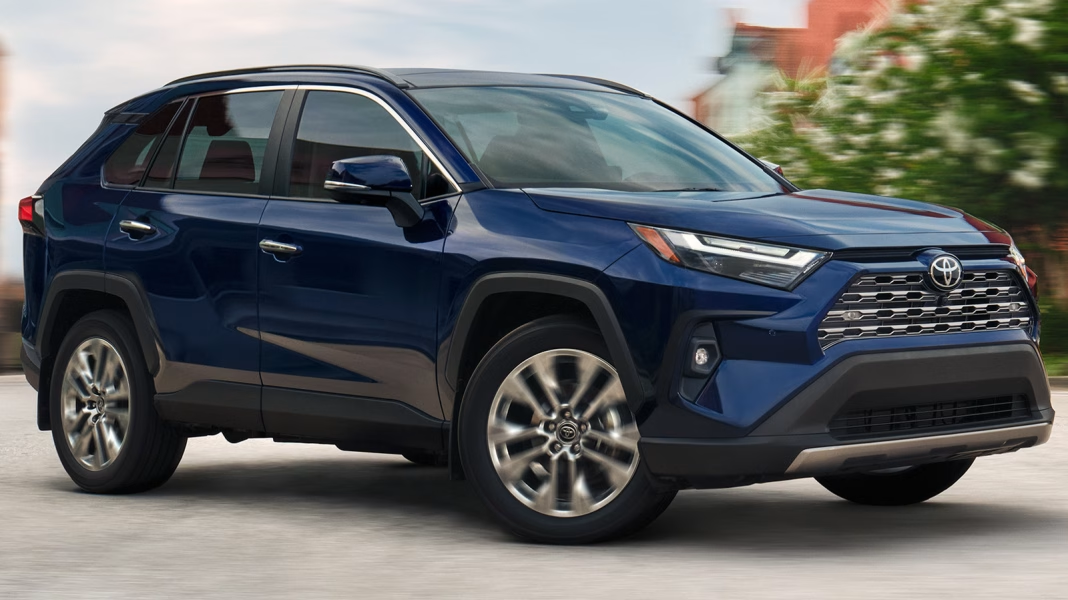
If you’ve been on the road lately, you’ve probably noticed that SUVs are everywhere. In fact, in 48 out of 50 states, SUVs outsell every other type of vehicle. But there are two states that break the mold: California and Florida. Instead of SUVs, these states see more sedans and pickup trucks rolling off dealership lots. It’s a quirky twist in an otherwise uniform national trend, and it begs the question—what’s going on in these outlier states?
What Makes SUVs So Popular Across the Country?
Let’s be honest—there’s a reason SUVs have become the go-to choice for so many Americans. It’s not just about looking rugged or having extra cargo space (though those things don’t hurt). For many families, SUVs hit the sweet spot between practicality and comfort. They offer higher seating positions, making drivers feel safer and more in control. Plus, with all-wheel drive and advanced safety features, they’re a solid pick for folks dealing with unpredictable weather or rougher roads.
But it’s not just about function. There’s a bit of psychology at play, too. According to a 2023 report from the International Energy Agency, SUVs accounted for over 46% of global car sales last year. That’s a staggering number, and it speaks to how these vehicles have become a status symbol for many buyers. People want to feel prepared for anything—whether it’s a weekend camping trip or just the daily school run.
Why Do California and Florida Buck the Trend?
So, why are California and Florida different? In California, the answer is tied to culture and climate. The state’s car scene has always leaned toward sleek sedans and eco-friendly models. Think about the traffic in Los Angeles or the tech-driven crowd in Silicon Valley—compact cars and hybrids just make sense. Plus, California’s strict emissions standards encourage drivers to choose vehicles with better fuel efficiency, and sedans often fit the bill.
Florida, on the other hand, is pickup truck territory. The state’s sprawling suburbs and rural areas make pickups a practical choice for many residents. Whether it’s hauling boats to the coast or tackling landscaping projects, Floridians love the versatility of a good truck. And with relatively mild winters, there’s less need for the all-wheel-drive capabilities that make SUVs so appealing in snowier states.
Are There Downsides to the SUV Boom?
With so many SUVs on the road, it’s worth asking—are there any drawbacks? The answer is yes, and it’s not just about parking headaches. SUVs tend to be less fuel-efficient than smaller cars, which means higher gas bills and a bigger carbon footprint. The Environmental Protection Agency notes that, on average, SUVs emit more CO2 per mile than sedans or compact cars.
There’s also the safety angle. While SUVs are generally safer for their occupants in a crash, their size and weight can pose greater risks to pedestrians and drivers of smaller vehicles. It’s a trade-off that’s sparked debate among safety experts and urban planners alike.
How Are Automakers Responding to Changing Preferences?
Car manufacturers aren’t blind to these trends. In fact, many are doubling down on SUVs while also investing in greener technology. Hybrid and electric SUVs are popping up in showrooms across the country, offering buyers a way to enjoy the perks of an SUV without the environmental guilt. According to a recent J.D. Power study, electric SUV sales grew by over 50% in the past year alone.
At the same time, automakers are trimming their sedan lineups, especially in states where SUVs dominate. But in places like California, where demand for sedans and hybrids remains strong, companies are keeping their options open. It’s a balancing act—one that reflects the diverse needs and values of American drivers.
What Should You Consider When Choosing Your Next Vehicle?
If you’re in the market for a new ride, it’s tempting to follow the crowd and go for an SUV. But it’s worth taking a step back and thinking about what really fits your lifestyle. Do you need all that space, or would a sedan or pickup serve you better? Are you concerned about fuel costs or emissions? Maybe an electric or hybrid model is the way to go.
And don’t forget to factor in where you live. If you’re in a state like California or Florida, local trends and incentives might make non-SUV options more attractive. Ultimately, the best choice is the one that matches your daily needs—not just what’s popular.
The big takeaway? Vehicle trends aren’t about perfection—they’re about smarter adjustments. Start with one change this week, and you’ll likely spot the difference by month’s end.