
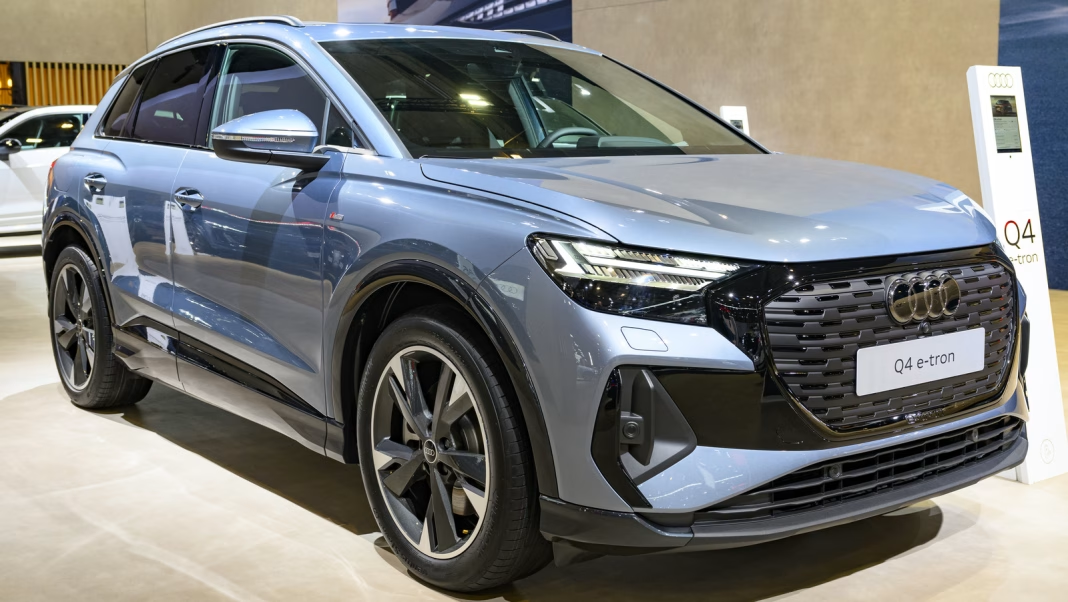
In the world of automotive engineering, the evolution of braking systems has been a significant focus, particularly with the shift from drum brakes to disc brakes. So, it might come as a surprise to see drum brakes making an appearance in modern vehicles, especially in a cutting-edge electric SUV like the Audi Q4 E-Tron. You might be wondering, why is this happening? Let’s dive into the details.
What’s the Deal with Drum Brakes in Modern Cars?
Drum brakes have long been considered somewhat outdated compared to their disc counterparts, which offer better performance, heat dissipation, and overall efficiency. So, spotting them in a contemporary vehicle like the Audi Q4 E-Tron raises eyebrows. The truth is, drum brakes still have their place in the automotive landscape, particularly in certain applications where they can be more cost-effective and efficient.
For instance, the Q4 E-Tron utilizes drum brakes on the rear wheels. This choice isn’t just a nod to nostalgia; it’s a strategic decision. Drum brakes are generally lighter and can be more compact, which is a boon for electric vehicles that prioritize weight savings to enhance range. Additionally, they can provide adequate stopping power for the rear wheels, especially in a vehicle designed primarily for urban commuting rather than high-performance driving.
Why Are Drum Brakes Still Relevant?
One of the main reasons drum brakes haven’t completely vanished is their effectiveness in specific scenarios. They tend to perform well in low-speed situations, which is where many electric vehicles operate most of the time. In city driving, where frequent stops are the norm, the benefits of drum brakes can shine through. They can also be less expensive to manufacture and maintain, which can translate to savings for both manufacturers and consumers.
Moreover, drum brakes are often more resistant to water and dirt, which can be advantageous in various driving conditions. While they may not offer the same level of performance as disc brakes in high-speed scenarios, they can still be perfectly adequate for everyday use.
What About Performance?
You might be thinking, “But what about performance? Aren’t disc brakes superior?” In high-performance situations, like racing or aggressive driving, disc brakes definitely take the lead. They provide better heat dissipation, which is crucial when brakes are subjected to intense conditions. However, for the average driver, especially in an electric SUV like the Q4 E-Tron, the performance difference may not be as pronounced.
Audi has designed the Q4 E-Tron with a focus on comfort and efficiency rather than outright performance. The drum brakes on the rear wheels complement this design philosophy, ensuring that the vehicle remains lightweight and efficient while still providing adequate stopping power for daily driving needs.
Are Other Manufacturers Following Suit?
Audi isn’t alone in this approach. Several manufacturers have also incorporated drum brakes into their electric vehicles, particularly in models aimed at urban environments. This trend highlights a broader understanding of how different braking systems can serve various purposes, catering to the needs of diverse driving conditions and consumer preferences.
For example, some compact cars and budget-friendly models still utilize drum brakes, capitalizing on their cost-effectiveness and reliability. As electric vehicles continue to grow in popularity, the conversation around braking systems will likely evolve, with manufacturers weighing the benefits of both drum and disc brakes based on their target market.
The Takeaway
The big takeaway? Drum brakes in vehicles like the Audi Q4 E-Tron aren’t about clinging to the past—they’re about making smart choices for specific driving needs. As the automotive industry continues to innovate, it’s essential to recognize that not all advancements mean abandoning older technologies. Sometimes, the best solution is a blend of the old and the new. So, next time you see a vehicle with drum brakes, remember that it’s not just a relic; it’s a thoughtful decision tailored to enhance efficiency and performance where it counts.
