What Made the Corvette Blue Flame Inline-Six Stand Out in the 1950s?
When you think of the Chevrolet Corvette, odds are your mind jumps straight to the thunderous roar of a V8. But the very first Corvettes, rolling off the line in 1953, packed something a little different under the hood: the Blue Flame inline-six. At first glance, it might seem like a curious choice. After all, the American performance scene was already obsessed with big, burly V8s. So why did Chevy go with an inline-six, and what made the Blue Flame so special?
How Did the Blue Flame Engine Come to Power the First Corvette?
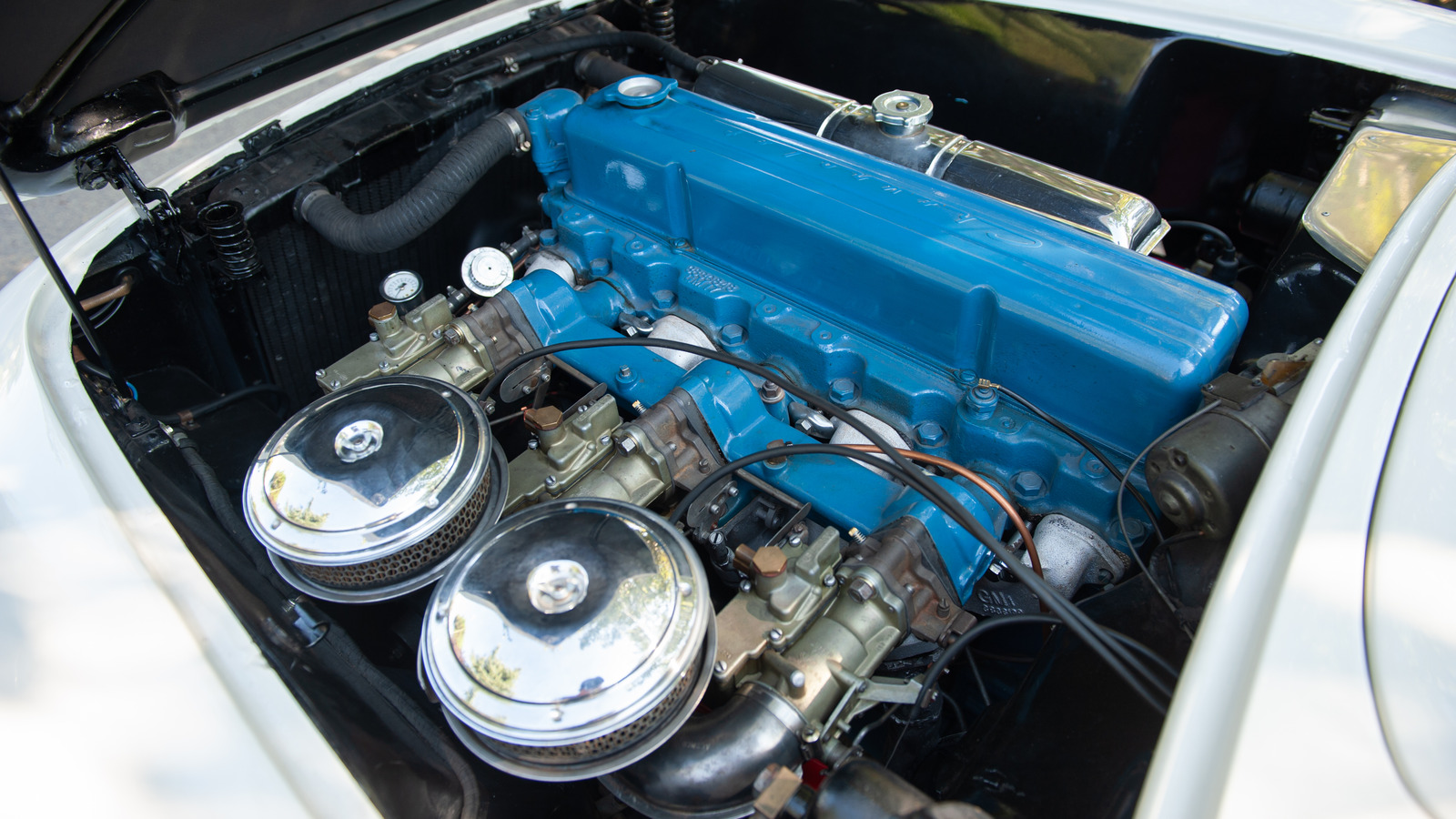
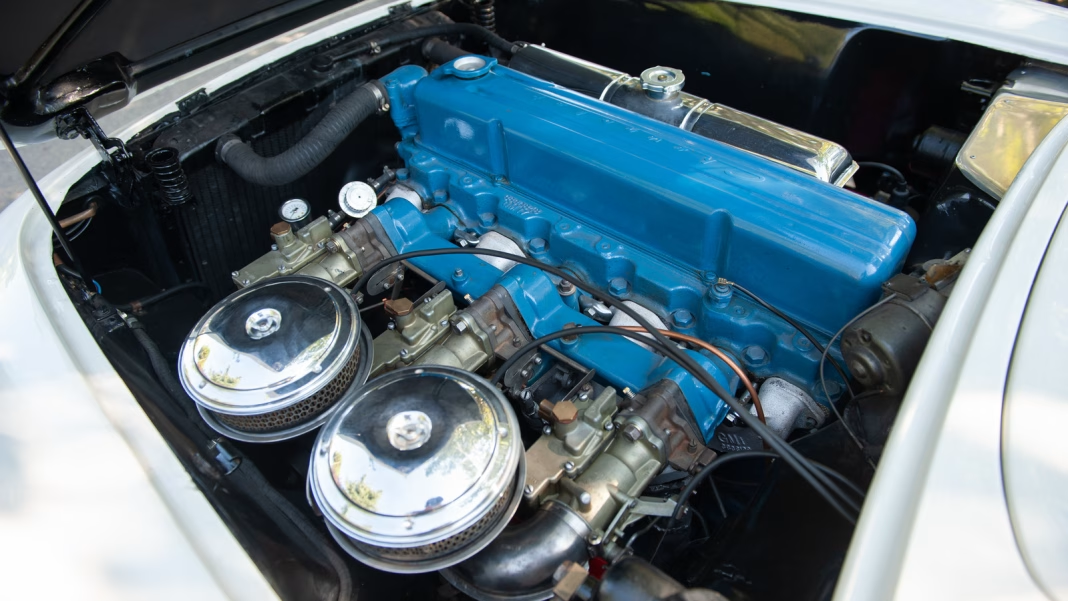
Chevrolet’s decision to use the Blue Flame wasn’t just a matter of convenience—it was a calculated move. In the early 1950s, the company needed a reliable, proven engine for its brand-new sports car. The Blue Flame, based on Chevy’s sturdy 235-cubic-inch inline-six, had already earned a reputation for dependability in sedans and trucks. But for the Corvette, engineers gave it a sporty makeover: higher-compression pistons, a more aggressive camshaft, and a trio of Carter side-draft carburetors. The result? A respectable 150 horsepower—nothing to sneeze at for its day.
What Was It Like to Drive a Blue Flame Corvette?
Let’s be honest: the Blue Flame wasn’t going to win many drag races against the V8s that followed. But it delivered a unique driving experience. The engine’s smooth power delivery and distinctive exhaust note gave early Corvettes a character all their own. Owners described the sound as “silky” and “almost European”—a far cry from the rumbling V8s that came later. And with a lightweight fiberglass body, the car felt nimble and responsive, especially on winding roads. It was a sports car for drivers who valued finesse over brute force.
Why Didn’t Chevrolet Stick With the Inline-Six?
By 1955, the writing was on the wall. American car buyers wanted more power, and competitors were starting to offer V8s in their own sports cars. Chevrolet responded with the legendary small-block V8, which quickly became the heart and soul of the Corvette. The Blue Flame’s days were numbered, but its brief run left a lasting impression. It proved that American sports cars didn’t have to be all about muscle—they could be about balance, too.
How Has the Blue Flame’s Legacy Endured?
Today, the Blue Flame-powered Corvettes are prized by collectors and enthusiasts. They’re a window into a different era, when style and innovation mattered just as much as raw speed. According to the National Corvette Museum, fewer than 4,000 Corvettes were built with the Blue Flame engine, making them rare and increasingly valuable. At classic car auctions, well-preserved examples can fetch six-figure prices, especially if they retain their original engine and drivetrain.
What Can Modern Car Lovers Learn from the Blue Flame Era?
Here’s the thing: the Blue Flame reminds us that performance isn’t always about having the biggest numbers on paper. Sometimes, it’s about the feeling you get behind the wheel—the connection to the road, the sound of the engine, the sense of history. The Blue Flame Corvette was never the fastest car in its day, but it helped lay the foundation for everything the Corvette would become.
The big takeaway? Chasing perfection is overrated. The Blue Flame story is about making the most of what you have and daring to be different. Try applying that mindset to your own projects—start with one bold change this week, and you might just surprise yourself by month’s end.