Why Does the US Military Still Rely on the Boeing 707?
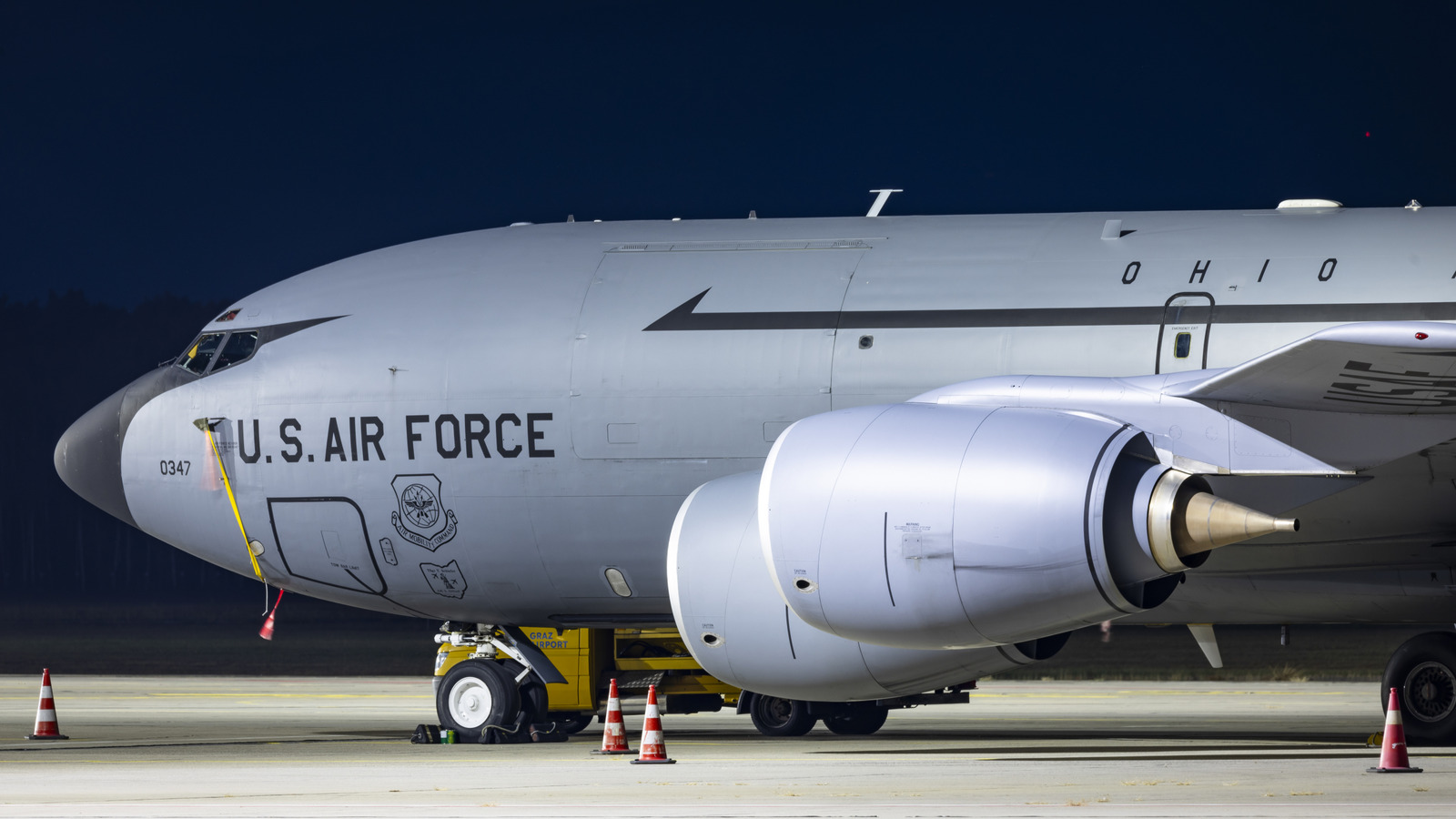
If you’ve ever watched a military airshow or caught a glimpse of a refueling tanker soaring overhead, you might have noticed something curious: the unmistakable silhouette of the Boeing 707. Despite debuting in the late 1950s, this jet’s DNA still powers some of the most critical aircraft in the US military’s fleet. So, why stick with a design that’s older than most of its pilots? Let’s dig in.
What Made the Boeing 707 So Groundbreaking in the First Place?
Back in its heyday, the Boeing 707 was nothing short of a game-changer. It wasn’t the world’s first jetliner, but it was the first to truly capture the imagination—and the wallets—of airlines outside the Soviet Union. With its swept wings and four powerful turbojet engines, the 707 could cross continents in hours, not days. It shrank the world and set the standard for what a jet airliner could be.
But the real magic was in its adaptability. The 707’s airframe was sturdy, reliable, and surprisingly easy to modify. That meant it wasn’t just a passenger plane—it became the backbone for cargo haulers, reconnaissance jets, and, crucially, military tankers and command posts.
How Has the 707’s Design Shaped Modern Military Aircraft?
Here’s where things get interesting. The US military didn’t just buy a few 707s and call it a day. Instead, they took the basic design and ran with it. The KC-135 Stratotanker, for example, is essentially a 707 at heart, built for mid-air refueling. The E-3 Sentry, with its iconic rotating radar dome, is another 707 variant, serving as the military’s eyes in the sky.
These aircraft have been upgraded over the decades—new avionics, stronger engines, reinforced structures—but the bones are pure 707. Why? Because the platform works. It’s proven, maintainable, and, most importantly, it can be adapted to new missions as technology evolves.
Isn’t There Better Technology Available Now?
Absolutely. Modern jets like the Boeing 787 or Airbus A350 are marvels of efficiency, speed, and comfort. But military needs are different. The cost and complexity of replacing an entire fleet of specialized aircraft is staggering. According to a 2023 report from the Government Accountability Office, developing a new airframe for roles like aerial refueling or airborne command could take a decade and cost billions.
Plus, the 707-based planes are already paid for. The infrastructure, training, and spare parts pipelines are all in place. Swapping them out overnight just isn’t practical. In fact, the Air Force has only recently begun introducing the KC-46 Pegasus to eventually replace the KC-135, and even that transition is expected to take years.
What’s the Real-World Performance Like Today?
You might expect these old jets to be creaky and unreliable, but the reality is more nuanced. Thanks to regular overhauls and upgrades, many 707-based military planes are in better shape than you’d think. For instance, the E-3 Sentry fleet underwent a major avionics modernization in the 2010s, extending its service life well into the 2030s.
Of course, there are trade-offs. Older airframes require more maintenance, and finding replacement parts can be a headache. But the military has gotten good at cannibalizing retired planes and working with specialized suppliers to keep the fleet flying. The result? Pure magic—jets that were designed before the moon landing are still pulling off missions that newer planes can’t match for versatility.
Why Not Just Build Something New From Scratch?
It’s tempting to think that starting fresh would solve everything. But history says otherwise. The KC-46 program, meant to replace the KC-135, has faced years of delays and cost overruns. Designing, testing, and fielding a brand-new military jet is a logistical marathon, not a sprint.
There’s also the question of risk. The 707 platform is a known quantity. Pilots, mechanics, and commanders all understand its quirks and capabilities. That institutional knowledge is worth its weight in gold, especially when lives are on the line.
What’s the Future Hold for These Vintage Workhorses?
No airframe lasts forever, and the clock is ticking for the 707’s military variants. The Air Force and Navy are actively planning for replacements, and newer jets will eventually take over. But don’t expect the transition to happen overnight. If history is any guide, these planes will keep flying for at least another decade, maybe longer.
The big takeaway? The Boeing 707’s legacy isn’t about perfection—it’s about smarter adjustments. Start with one change this week, and you’ll likely spot the difference by month’s end. Sometimes, sticking with what works—and making it work even better—is the smartest move of all.