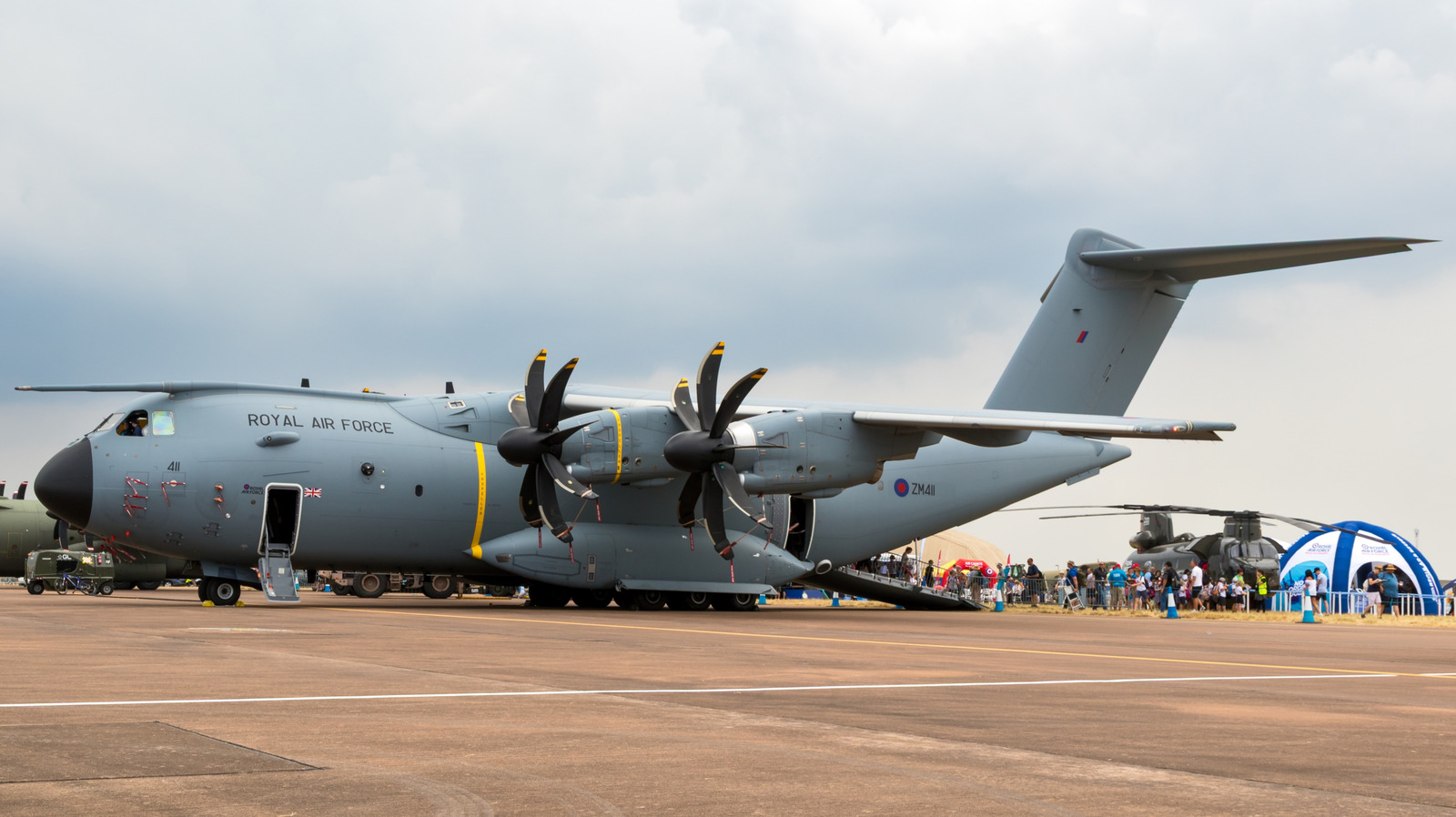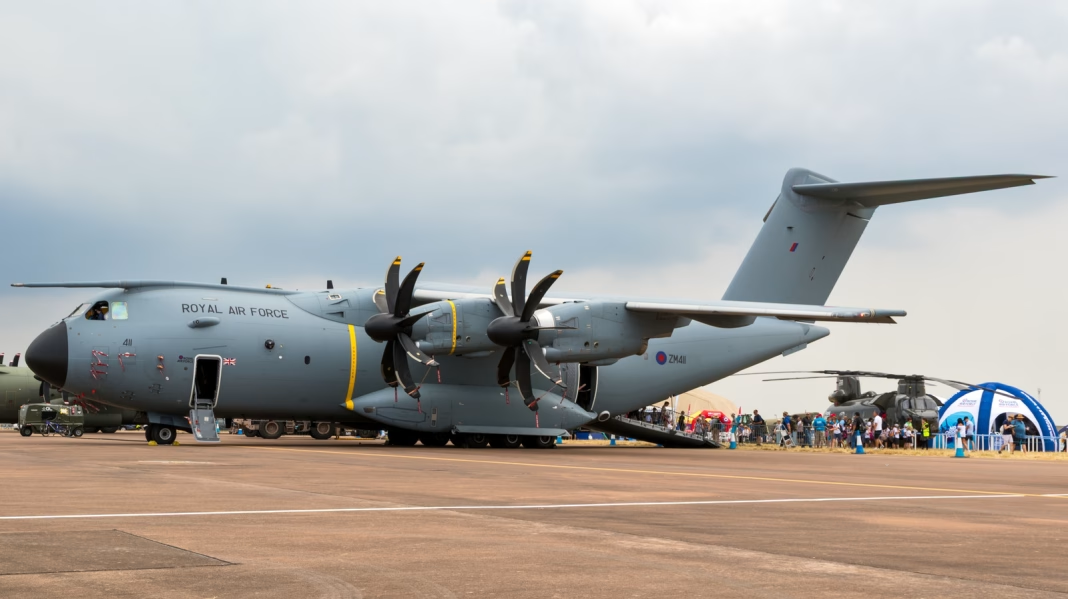
Why Doesn’t the U.S. Just Switch Air Force One to Airbus?
If you’ve been following the headlines, you know Boeing’s had its fair share of turbulence lately—especially with the new Air Force One jets. Delays, cost overruns, and technical headaches have all made people wonder: why not just hand the keys to Airbus and call it a day? On paper, it sounds simple. In reality, it’s anything but.
Isn’t Airbus Just as Capable as Boeing for Presidential Aircraft?
Absolutely, Airbus builds some of the world’s most advanced commercial jets. Their A350 and A380 models are technological marvels, and several countries use Airbus planes for their heads of state. Germany, France, and the UK all rely on Airbus for VIP transport. So, yes, Airbus could technically build a plane fit for a president. But there’s more to the story than just technical specs.
What Legal and Political Barriers Stand in the Way?
Here’s where things get sticky. U.S. law, specifically the Berry Amendment and Buy American Act, heavily favors domestic defense contractors. These rules require the Department of Defense to prioritize American-made products, especially for something as sensitive as Air Force One. The president’s plane isn’t just a flying office—it’s a symbol of U.S. power and security. Outsourcing that to a European company would be a political minefield. Imagine the optics: the Commander-in-Chief flying around in a foreign jet. Not exactly a vote-winner in Congress.
How Does National Security Factor In?
Security isn’t just about who builds the plane, but who has access to its secrets. Air Force One is packed with classified communications gear, missile defense systems, and other tech that’s never going to show up in a commercial catalog. The U.S. government works closely with Boeing engineers under strict security protocols. Handing those blueprints to Airbus would mean sharing sensitive information with a foreign entity—even if they’re an ally. That’s a risk the Pentagon simply isn’t willing to take.
Would Switching to Airbus Save Money or Time?
It’s tempting to think a fresh start with Airbus could speed things up or cut costs. But the reality is more complicated. The Air Force One program isn’t just about buying a plane off the shelf. It’s a years-long process of custom modifications, testing, and certification. Starting over with Airbus would mean redoing all that work from scratch, likely adding years and billions to the project. According to a 2023 Government Accountability Office report, even minor changes to the Air Force One program can trigger cascading delays and expenses.
What About Jobs and the U.S. Aerospace Industry?
There’s also the economic angle. Boeing isn’t just any contractor—it’s a cornerstone of the American aerospace industry, supporting hundreds of thousands of jobs. Shifting the Air Force One contract overseas would be a blow to U.S. manufacturing and could ripple through the supply chain. Lawmakers from states with big Boeing facilities would push back hard, and unions would have plenty to say about American jobs going abroad.
Are There Any Precedents for Using Foreign Aircraft for U.S. Leaders?
Not really. While some U.S. government agencies operate foreign-made aircraft for specific missions, the president’s plane has always been American-made. It’s a tradition that goes back to the days of Franklin D. Roosevelt. Breaking with that history would be a major shift—and one that would require not just technical changes, but a rewrite of policy and public perception.
What’s the Real Reason the U.S. Sticks with Boeing Despite the Headaches?
At the end of the day, it comes down to trust, tradition, and control. The U.S. government knows Boeing’s playbook inside and out. They’ve worked together for decades, weathered crises, and built up a deep bench of expertise. Switching to Airbus might solve one set of problems, but it would open up a whole new can of worms—legal, political, and technical.
The big takeaway? Air Force One isn’t about perfection—it’s about smarter adjustments. Start with one change this week, and you’ll likely spot the difference by month’s end.