Why Do Wyoming Drivers Log So Many Miles Each Year?
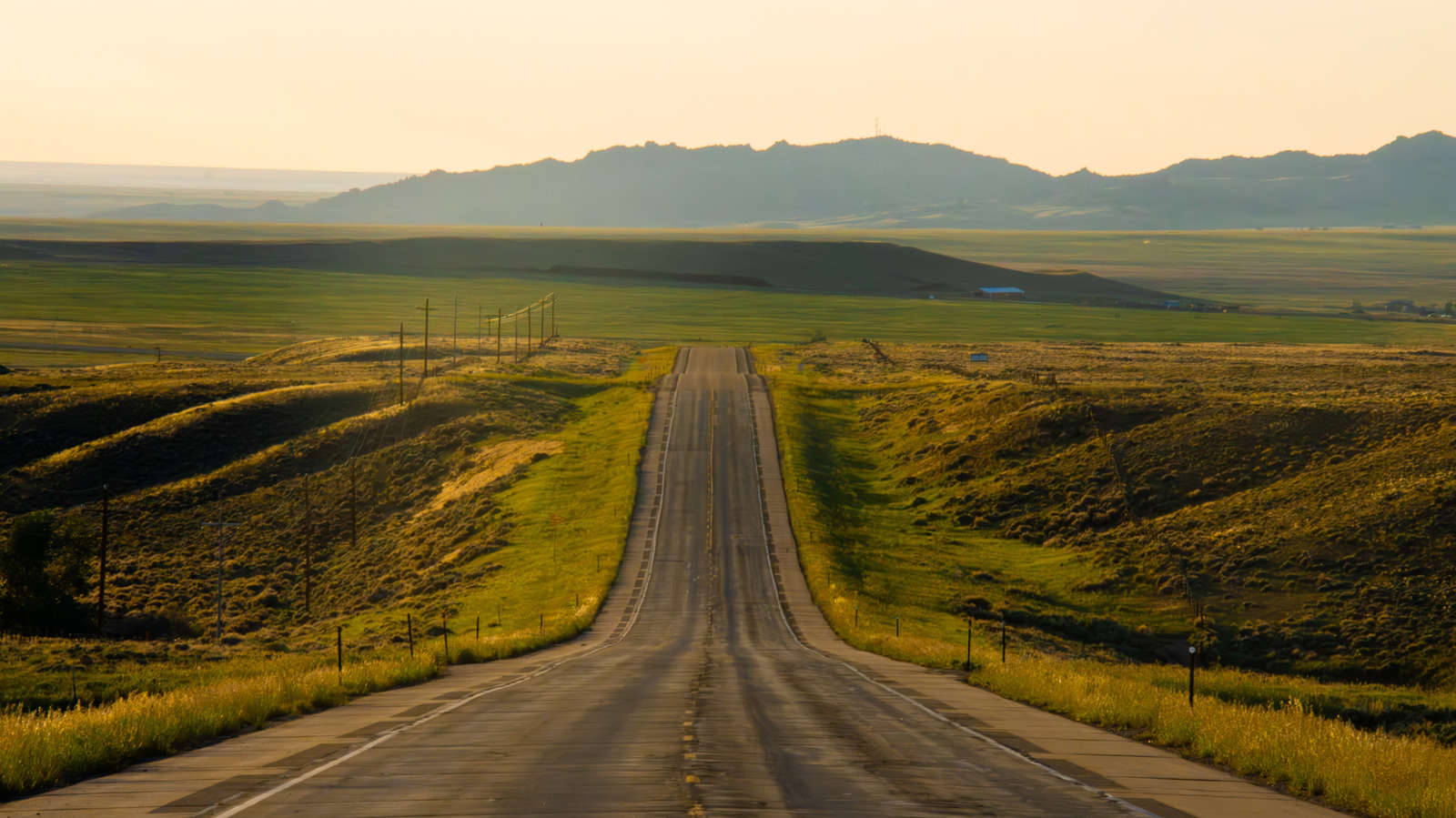
If you’ve ever glanced at a map, you’ll notice Wyoming isn’t exactly packed with bustling cities or endless suburbs. In fact, it’s the least populated state in the country, with just under 600,000 residents spread across nearly 98,000 square miles. That’s a lot of open road. The result? Wyomingites routinely drive more miles per year than almost anyone else in the United States.
But it’s not just about wide-open spaces. Daily life in Wyoming often means traveling long distances for work, groceries, or even a quick coffee run. With fewer public transportation options and amenities scattered far apart, hopping in the car isn’t a choice—it’s a necessity. According to the Federal Highway Administration, the average Wyoming driver racks up over 24,000 miles annually, nearly double the national average. That’s like driving from New York to Los Angeles and back—four times.
How Does High Mileage Impact Car Insurance Costs?
Here’s where things get interesting. Insurance companies pay close attention to how many miles you drive each year. The logic is simple: the more you’re on the road, the higher your risk of an accident. In most states, high annual mileage can push your premiums up.
But in Wyoming, the story is a bit more nuanced. While residents drive more, the state’s low population density means less traffic and, statistically, fewer accidents per mile driven. Some insurers factor this in, offering rates that reflect the lower risk of crowded highways and city streets. Still, if you’re clocking 30,000 miles a year, don’t be surprised if your insurer asks a few questions.
What Other Factors Influence Wyoming’s Driving Habits?
It’s not just about distance. Weather plays a huge role in how and when people drive in Wyoming. Harsh winters and sudden storms can make travel unpredictable, often requiring detours or longer routes to avoid dangerous conditions. Ranchers and workers in the energy sector may also need to cover vast stretches of land as part of their jobs, adding even more miles to the odometer.
Then there’s the culture. In Wyoming, road trips aren’t just for vacations—they’re part of everyday life. Visiting friends, attending school events, or even catching a movie can mean an hour or more behind the wheel. For many, driving is woven into the fabric of daily routines.
Are There Ways to Save on Insurance Despite High Mileage?
Absolutely. Even if you can’t cut back on miles, you can still find ways to keep insurance costs in check. Maintaining a clean driving record is key. Many insurers offer discounts for safe driving or for vehicles equipped with advanced safety features. Shopping around and comparing quotes can also reveal significant differences between providers—especially those who understand the unique needs of rural drivers.
Some companies now offer telematics programs, where your driving habits are tracked via an app or device. If you’re a careful driver, these programs can reward you with lower rates, even if your mileage is high. It’s worth asking your agent about options tailored to high-mileage lifestyles.
What’s the Real Impact of All Those Miles on Your Car?
More miles mean more wear and tear, plain and simple. Wyoming drivers often face higher maintenance costs, from frequent oil changes to replacing tires worn down by gravel roads. But there’s an upside: vehicles in Wyoming tend to be well-maintained out of necessity. When the nearest mechanic is 50 miles away, you learn to stay ahead of problems.
On the resale side, high mileage can lower a car’s value, but in local markets, buyers often understand that a well-kept, high-mileage truck or SUV is just part of life. It’s not uncommon to see vehicles with 200,000 miles still running strong on Wyoming’s highways.
What Should New Residents or Young Drivers Know?
If you’re new to Wyoming, prepare for a shift in your driving habits. Plan for longer commutes and budget for higher fuel and maintenance costs. It’s also smart to review your insurance policy and talk with local agents who understand the realities of rural driving. They can help you find coverage that fits your lifestyle and doesn’t penalize you unfairly for necessary mileage.
The big takeaway? Living—and driving—in Wyoming isn’t about perfection or squeezing every penny from your insurance. It’s about making smarter adjustments. Start with one change this week, whether it’s checking your tire pressure or comparing insurance quotes, and you’ll likely spot the difference by month’s end.