Is the Seiko Datsun 240Z Watch Worth $1,150, or Are There Better Options?
What Makes the Seiko Datsun 240Z Watch Stand Out?
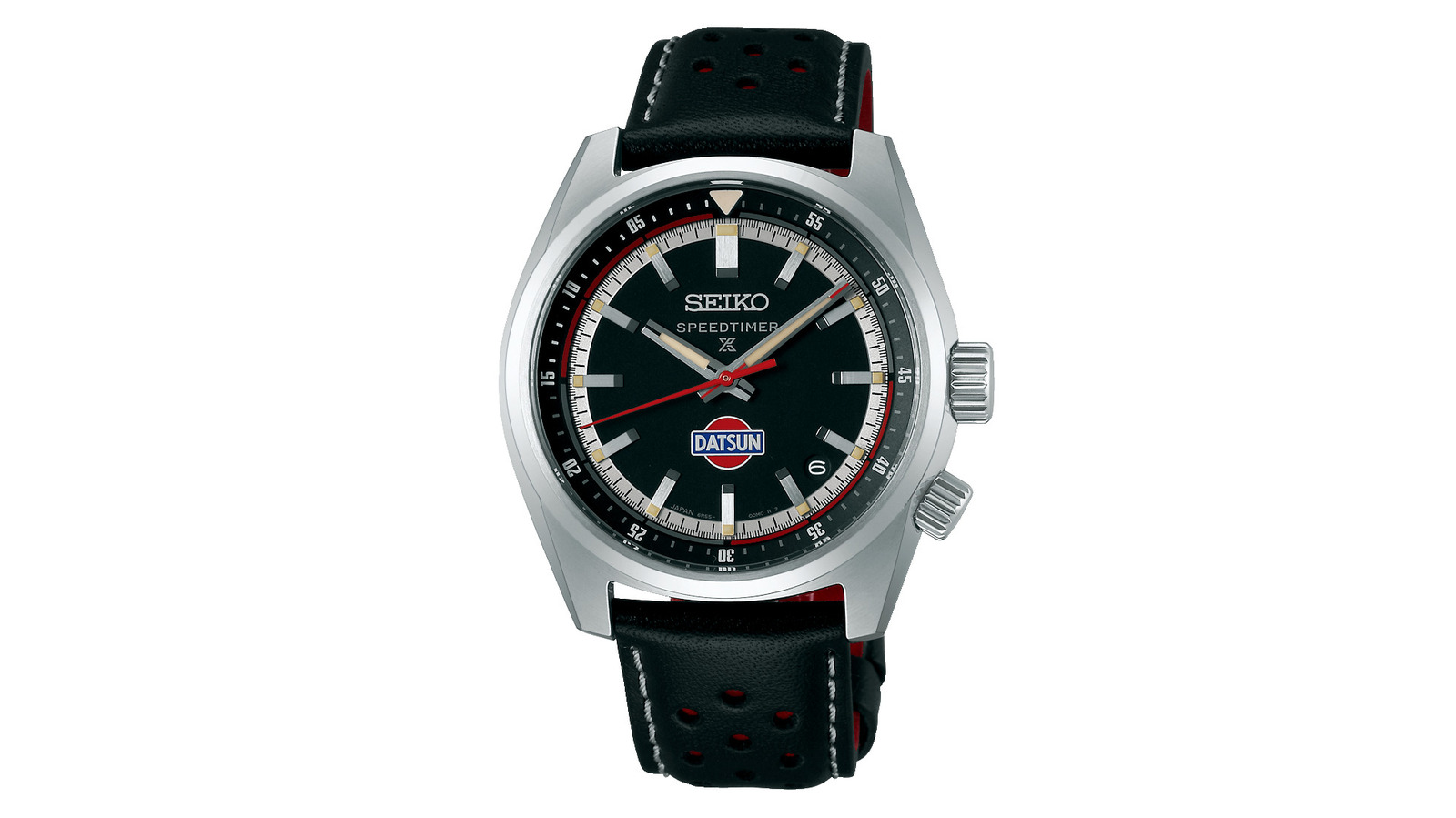
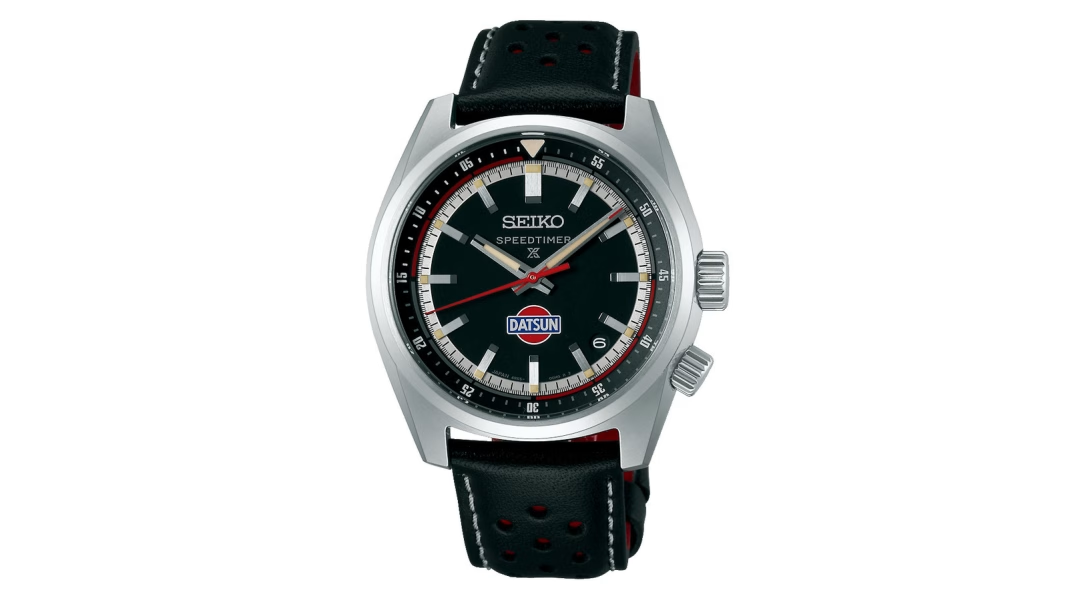
Seiko’s Datsun 240Z watch isn’t just another timepiece—it’s a nod to automotive history. Inspired by the iconic Datsun 240Z, this watch features design cues that car enthusiasts will spot right away: the dial’s color palette, the subtle references to dashboard gauges, and the overall retro vibe. For collectors who love both watches and classic cars, that’s a tempting combination.
But here’s the thing: nostalgia and branding can only take you so far. At $1,150, this Seiko is asking you to pay a premium for the story it tells. The question is, does the watch itself justify the price, or is it mostly about the badge?
How Does the Build Quality and Movement Compare to Other Watches in This Price Range?
Let’s get into the nuts and bolts. Seiko is known for its reliability, and this model is no exception. The stainless steel case, sapphire crystal, and automatic movement are all solid features. But in the $1,000–$1,200 range, you’re competing with some heavy hitters.
For example, the Tissot Powermatic 80 offers an 80-hour power reserve and Swiss pedigree for under a grand. Hamilton’s Khaki Field line brings military heritage and robust build quality, often for less than $800. Even within Seiko’s own lineup, the Prospex and Presage series deliver impressive specs and craftsmanship at a lower price point.
So, while the Datsun 240Z watch is well made, it doesn’t exactly leapfrog the competition in terms of materials or movement. You’re paying extra for the limited-edition status and the automotive tie-in.
Are There Unique Features That Justify the Price Tag?
Limited editions always come with a certain cachet. The Datsun 240Z watch is produced in small numbers, which can make it more appealing to collectors. The custom caseback, special packaging, and themed dial are all nice touches.
But let’s be honest: if you’re after pure watchmaking value, these extras are more about emotional appeal than technical merit. The movement inside is reliable, but not groundbreaking. You won’t find a high-beat caliber, ceramic bezel, or micro-adjust clasp here—features that sometimes pop up in watches at this price.
What Alternatives Should You Consider for $1,150?
This is where things get interesting. With $1,150 in your pocket, you’ve got options. Lots of them.
If you want a watch with real horological chops, look at the Longines Conquest or the Oris Divers Sixty-Five. Both offer Swiss automatic movements, strong brand heritage, and classic designs. For something a bit more under the radar, the Christopher Ward C60 Trident Pro delivers impressive specs and finishing for less than a grand.
And if you’re set on Seiko, don’t overlook the Presage Cocktail Time series. These watches are beloved for their dial work and can be had for a fraction of the Datsun’s price. You could even pick up two or three different models for the same money and have a mini-collection.
How Do Collectors and Watch Enthusiasts View This Model?
Among Seiko fans and car buffs, the Datsun 240Z watch definitely gets attention. It’s a conversation starter, and for some, that’s worth the premium. But in broader watch circles, the consensus is mixed. Many see it as a fun novelty rather than a must-have.
Resale value is another thing to consider. Limited-edition Seikos sometimes hold their value, but more often than not, they depreciate like most mass-market watches. If you’re hoping for an investment piece, you might want to look elsewhere.
What’s the Smartest Way to Spend $1,150 on a Watch?
Here’s the bottom line: $1,150 opens up a world of possibilities. You could snag a Swiss-made automatic, a rugged tool watch, or even dip your toes into vintage territory. The key is to decide what matters most to you—heritage, technical innovation, design, or emotional connection.
If the Datsun 240Z story speaks to you and you love the idea of wearing a piece of automotive history, go for it. But if you’re after the best watch your money can buy, it pays to shop around. Try on different models, read up on movements, and don’t be afraid to buy pre-owned from reputable dealers.
The big takeaway? Watch collecting isn’t about perfection—it’s about smarter adjustments. Start with one change this week, and you’ll likely spot the difference by month’s end.