
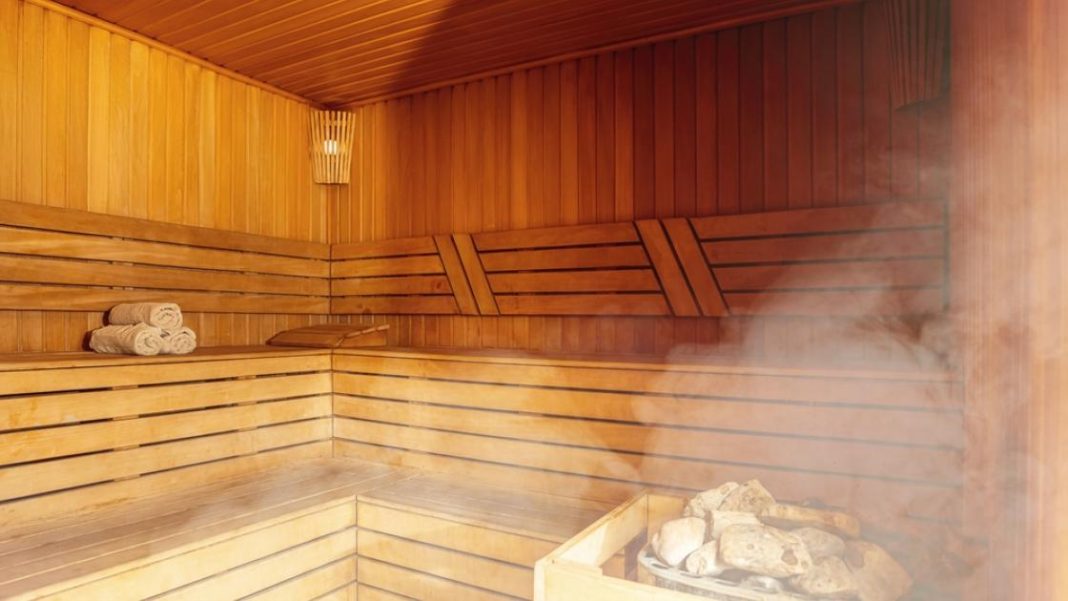

Relaxing in a warm room can promote calm and restful sleep. When energy use is planned carefully, a sauna becomes a low-cost wellness option that fits into weekly routines. Choose features that reduce waste while keeping reliable heat levels. Small adjustments in setup and habits lead to steady savings over time. This short guide outlines practical steps that improve efficiency without reducing comfort. Follow clear methods to measure use and to set realistic limits. Simple tracking helps to spot rising costs early so that fixes can be made before bills grow.
Choosing Efficient Models
Select a model that matches your space size to avoid wasted energy. Look for units with focused insulation and efficient heaters. If you plan to buy new compare wattage and recovery times. Visit a trusted sauna shop for guidance on models and for parts that reduce long term costs. A well matched system heats faster and uses less power. Prioritize durability so you replace parts less often.
Insulation And Sealing
Good insulation prevents heat loss and lowers running costs. Start with a brief room assessment to note where air escapes.
• Seal door gaps with durable strips that stop drafts and keep heat inside the room.
• Insulate walls using approved panels that slow heat transfer and improve retention.
• Fit a tightly closing door to maintain steady temperatures and reduce heater runtime.
Heating System Choices
Choose a heater that suits how the sauna will be used. Electric ceramic systems heat quickly while mineral based units hold heat longer. Match heater capacity with room volume so the system does not run longer than needed. Consider models with built in safety cutoffs that prevent excessive cycles. Efficient elements reduce power draw while maintaining steady warmth for short sessions.
Smart Controls Setup
Modern controls help reduce wasted energy by managing run times precisely. Begin with a short setup to program preferred session lengths and target temperatures.
• Use a timer that switches the heater off after planned minutes to avoid idle heating.
• Choose a control with delayed start to heat only when users are ready to enter the room.
• Opt for thermostatic regulation to keep heat stable and to prevent overshoot that wastes power.
Ventilation And Airflow
Balanced ventilation keeps humidity and air quality at healthy levels while protecting heat retention. A small ventilation plan reduces long term strain on the heater.
• Position vents to allow gentle fresh air flow that avoids sudden temperature drops.
• Use a low-flow extraction option to remove stale air without losing too much warmth.
• Maintain airflow paths so heating stays efficient and wood finishes remain in good condition.
Maintenance For Savings
Routine care prevents energy waste caused by failing parts or clogged vents. Keep a short checklist to follow after each month of use.
• Clean heater stones and replace any cracked pieces to ensure even heat output.
• Check seals around doors and vents for wear that could increase heat loss.
• Inspect wiring and controls for signs of aging that raise energy consumption.
Cost Recovery Timeline
Plan how long new upgrades will take to pay back through lower bills. Knowing this timeline helps choose the most cost-effective updates. Estimate current monthly energy use then model savings from adding insulation or smart controls. Small investments often repay within a year when usage is regular. Keep records to compare actual savings against projections to refine future choices.
Long-Term Savings
Review the full setup to find the best balance between comfort and running cost. Start by measuring current use patterns and then add one upgrade at a time. Track weekly hours and any changes in energy numbers to spot real benefits. If replacement parts are needed check trusted sellers and compare warranties before purchase. Bringing items from a reputable sauna shop can lower repair costs and ensure part compatibility. Over time these steps compound to produce clear savings while keeping the sauna a relaxed retreat.