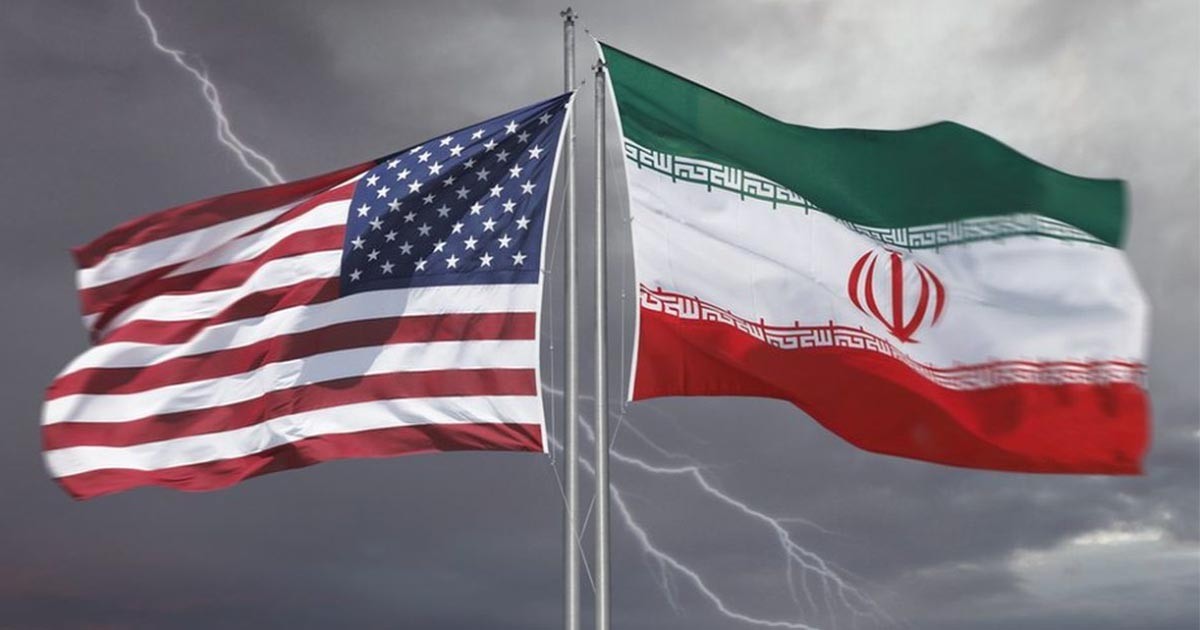
A group of Iran’s regional rivals in the Persian Gulf, led by Saudi Arabia, are collectively lobbying against any potential plans by US President Donald Trump to attack Iran. According to a report published by The Wall Street Journal, the Gulf states oppose any attempt at regime change in Iran, warning that such a move could destabilize the region.
Saudi Arabia, Oman, and Qatar have approached U.S. President Donald Trump in recent days in an effort to dissuade him from launching a military strike against Iran. According to the report, the Gulf states conveyed their concerns to Trump around January 13, warning that any escalation could disrupt oil supplies through the Strait of Hormuz and trigger serious economic fallout for both the region and the United States.
The renewed calls of a strike on Iran by President Trump surfaced in the aftermath of the deadly protests engulfing Iran, sparked by economic woes in late December. The protests are said to be worse in the Iranian history since 1979. The Iranian government has responded to the anti-regime protests by imposing an internet blackout while arresting thousands of protesters and activists.
Trump addressed the Iranian protesters on his true social account, promising them help and warning the government of taking strong actions against the protesters, while weighing options like cyber attacks in terrorists with his national security team.
The Strait of Hormuz, located near Iran’s southern coast, handles nearly one-fifth of the world’s oil shipments, making it a critical global energy chokepoint. Gulf Arab states fear that any conflict could severely disrupt global energy markets. Saudi officials have reportedly assured Tehran that they would not participate in military action or allow U.S. forces to use Saudi airspace for strikes, signaling efforts by regional powers to distance themselves from potential U.S. military operations against Iran.
Read more: In ‘big trouble’? The factors determining Iran’s future
Despite historical tensions with Iran, the Gulf countries are calling for restraint fearing that escalating tensions could destabilise their economies as well. Notably, the UAE has not joined this lobbying effort, reflecting its higher tolerance for the risks. Qatar’s foreign ministry has also confirmed contacts aimed at resolving U.S.-Iran differences.
The U.S. has access to bases in several Gulf countries, including Qatar, Bahrain, UAE, Oman, and Saudi Arabia, for potential operations, but cooperation could be complicated by these concerns.
The Wall Street Journal reports notes that Gulf states have been raising warnings that regime change in Iran could lead to worse outcomes such as IRGC seizing full power and emphasizes their behind-the-scenes urging to avoid intervention that would rattle oil markets and ultimately hurt the U.S. economy.
The article also quotes a White House official as saying that the President Trump listens to a host of opinions on any given issues but ultimately makes the decisions he feels is best. The piece also covers Trump’s Truth Social message in which he offered support to the protestors, as well as the protest death toll citing over 2,000 from human rights activists in Iran, and the regime’s footage is released while highlighting that no decision regarding the U.S. action in Iran has been finalized.