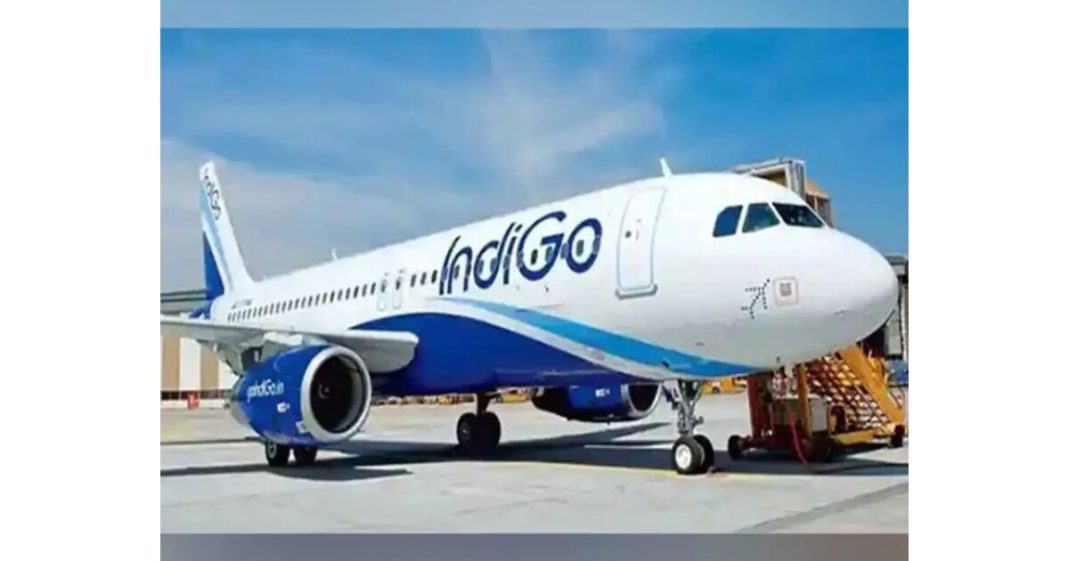
Thousands of passengers in India are facing travel hiccups after India’s largest airline IndiGo has cancelled thousands of flights last week after failing to prepare for new rules on pilot working hours.
The mass cancellation has left travellers stranded on airports across the country. Not only that, the airline is also facing passengers’ anger over delays in locating and delivering thousands of bags and luggage stranding following last week’s mass cancellation of flights and travel disruptions.
How IndiGo Failed to Prepare for New Rules?
Indigo, the largest airline of India, holds 65 percent of the domestic market, apologized after it was forced to cancel more than 3,400 flights in less than a week. The airline failed to plan adequately for stricter rules governing pilot rest. The delays in the flights have been mainly due to crew shortages that affected passengers across country, that too during the peak holiday season.
Last-minute cancellations and multiple connecting flights used to reroute passengers have also resulted in thousands of suitcases and bags being misplaced. IndiGo is estimated to operate around 2,200 flights a day, has been facing mainly pilot shortages leading to delay and cancellation of flights both domestically and internationally.
Owing to the crisis, the airline has been granted exemptions from the new rules, but the disruption has continued, with more than 300 flights cancelled at Dubai, Chennai and Bengaluru airports last week. The airline says operations will be back to normal by December 10th, 2015. The crisis is the biggest blow to the airline in its 20 years operation.
The crisis of flight disruption of IndiGo flights started on December 2nd and is still in motion. On Friday, at least 1,600 flights were cancelled in one of the worst aviation crises in India. More than 650 flights were cancelled on Sunday, according to Indian media, despite the government offering exemptions to the private carrier. More than 700 flights were cancelled on Saturday.
What Are The New Rules?
Earlier last year, the government announced new flight regulations, Flight Duty Time Limitations or FDTL, to improve the working hours of the Indian airline’s pilots. However, when the November 1 deadline arrived, IndiGo airline seemed unprepared to address the new regulation. As a result, it was first forced to delay and later cancel flights due to inadwequate number of pilots. The FDTL rules include increasing pilots’ mandatory weekly rest period from 36 to 48 hours. A pilot’s personal leave request, however, cannot be included under the mandatory rest period, capping pilots’ flying hours that continue into the 9 to 10 hours, capping the weekly number of landings a pilot can make between midnight and early morning to two. Submitting quarterly pilots‘ fatigue reports to India’s aviation regulator, the Directorate General of Civil Aviation.
Aviation experts and pilot unions have said that IndiGo is the hardest-hit airline due to lack of planning. According to Industry insiders, the Indigo did not follow the rules as they wanted to keep the cost low in terms of hiring new employees. Meanwhile, the Indian government has ordered an investigation to determine the reasons for flight disruptions.
Read more: Oil-rich UAE turns to AI to grease economy
To settle the chaos, the Indian government on Friday announced temporary exemptions for the airlines from the new rules for the carrier and provided stranded passengers with train tickets to continue their journey. However, the government has exempted IndiGo until February 10 from the requirement to adhere to the new rules.
However, the Pilots Association of India has protested against the exemptions, saying that these rules exist solely to safeguard human life. The Director-General of Civil Aviation, India, has sent a letter to IndiGo CEO Pieter Elbers warning him of regulatory action. Acknowledging its failure to make the arrangements, IndiGo has apologized for the disruptions.
The airline on Sunday said that it is on track to operate more than 1,650 flights up from 1,500 on Saturday. It added that 137 out of 138 destinations are in operations and full waiver on cancellation and rescheduled requests for booking until December 15 will be given. Meanwhile, other airlines including Air India and Akasa Air continue with their normal operations amid the chaos. According to Indian media reports, the Akasa Air, the low-cost carrier, focused on recruiting new pilots which helped it adapt to the new FDTL rules. IndiGo along with Air India control 90% of the market share raising questions about lack of competition in the Indian aviation industry.