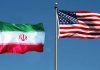
Iran and the United States hardened their positions as a diplomatic push for a ceasefire in the Middle East war appeared to falter on Thursday. Tehran moved to formalize its control over the crucial Strait of Hormuz while Washington prepared for the arrival of U.S. troops in the region that could be used on the ground in the Islamic Republic.
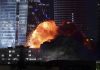
Sirens over Israel warned of barrages of incoming Iranian missiles and in the United Arab Emirates, two people were reported killed and three were wounded by falling shrapnel from a missile interception over Abu Dhabi on Thursday.
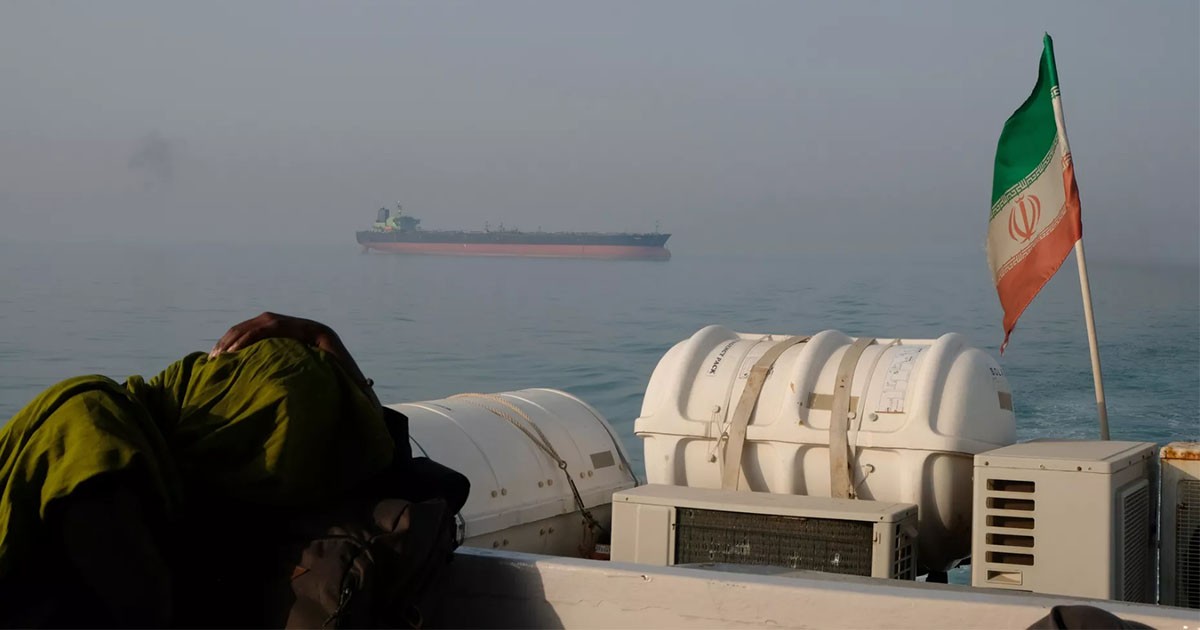
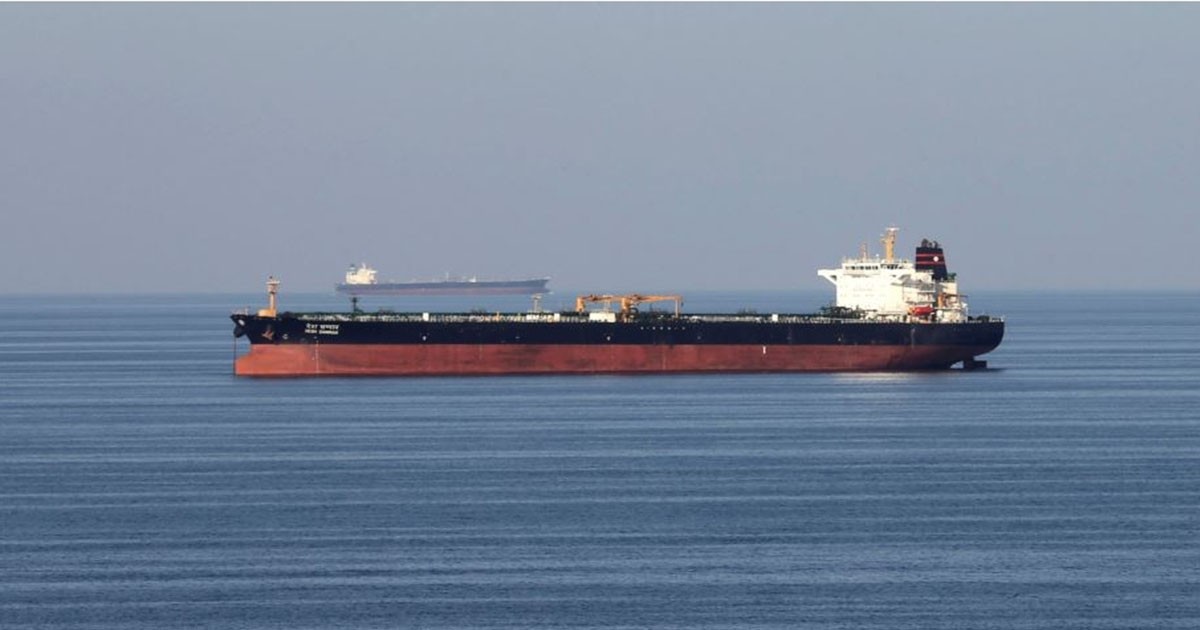
Industry experts say Iran is implementing a “de facto ‘toll booth’ regime,” with some ships paying in Chinese yuan to pass through the Strait of Hormuz, where 20% of all traded oil and natural gas is transported in peacetime.
Meanwhile, a strike group anchored by the amphibious assault ship USS Tripoli drew closer to the Mideast with some 2,500 Marines. Also, at least 1,000 paratroopers from the 82nd Airborne have been ordered to the region.
The troop movements don’t guarantee U.S. President Donald Trump will use force to try and compel Iran to open the strait and halt its attacks on Gulf Arab states.
Trump previously deployed a large force in the Caribbean before the American military captured former Venezuelan leader Nicolás Maduro in January. In the current situation, the U.S. is seen as focused on possibly seizing Iran’s oil terminal at Kharg Island or other sites near the strait.
U.S. Navy Adm. Brad Cooper, who commands the American military in the region, said his forces have hit more than 10,000 targets since Israel and the U.S. started the war Feb. 28, destroying 92% of Iran’s largest ships and more than two-thirds of the country’s missile, drone and naval production facilities.
“We’re not done yet,” said Cooper, who heads the U.S. Central Command, in a video message. “We are on a path to completely eliminate Iran’s wider military apparatus.”
Iran seen as operating Strait of Hormuz as ‘de facto toll booth’
With its stranglehold on traffic through the Strait of Hormuz, which leads from the Persian Gulf toward the open ocean, Iran has been blocking ships it perceives as linked to the U.S. and Israeli war effort, but letting through a trickle of others.
The Fars and Tasnim news agencies, both close to Iran’s paramilitary Revolutionary Guard, quoted lawmaker Mohammadreza Rezaei Kouchi as saying that parliament was working to formalize the process of charging fees to let ships pass.
“We provide its security, and it is natural that ships and oil tankers should pay such fees,” he was quoted as saying.
Lloyd’s List Intelligence called it a “de facto ‘toll booth’ regime.”
The shipping intelligence firm said vessels have to provide manifests, crew details and their destination to Iran’s Guard for sanctions screening, cargo alignment checks that currently prioritizes oil over all other commodities, and for what is described as ‘geopolitical vetting.’”
“While not all ships are paying a direct toll, at least two vessels have and the payment is settled in yuan,” Lloyd’s List said, referring to China’s currency.