Iran and the United States stood poised Friday to hold negotiations in Oman at least over Tehran’s nuclear program after a chaotic week that initially saw plans for regional countries to take part in talks in Turkey.
Iran and US set for talks in Oman over nuclear program after Tehran shaken by nationwide protests. https://t.co/ZPJplcIGNS
— Nagi N. Najjar (@NagiNajjar) February 6, 2026
The two countries have returned to Oman, a sultanate on the eastern edge of the Arabian Peninsula, months after rounds of meetings turned to ash following Israel’s launch of a 12-day war against Iran back in June. The U.S. bombed Iranian nuclear sites during that war, likely destroying many of the centrifuges that spun uranium to near weapons-grade purity. Israel’s attacks decimated Iran’s air defenses and targeted its ballistic missile arsenal as well.
U.S. officials like Secretary of State Marco Rubio believe Iran’s theocracy is now at its weakest point since its 1979 Islamic Revolution after nationwide protests last month represented the greatest challenge to 86-year-old Supreme Leader Ayatollah Ali Khamenei’s rule. Khamenei’s forces responded with a bloody crackdown that killed thousands and reportedly saw tens of thousands arrested — and spurred new military threats by U.S. President Donald Trump to target the country.
With the aircraft carrier USS Abraham Lincoln and other warships in the region along with more fighter jets, the U.S. now likely has the military firepower to launch an attack if it wanted. But whether attacks could be enough to force Iran to change its ways — or potentially topple its government — remains far from a sure thing.
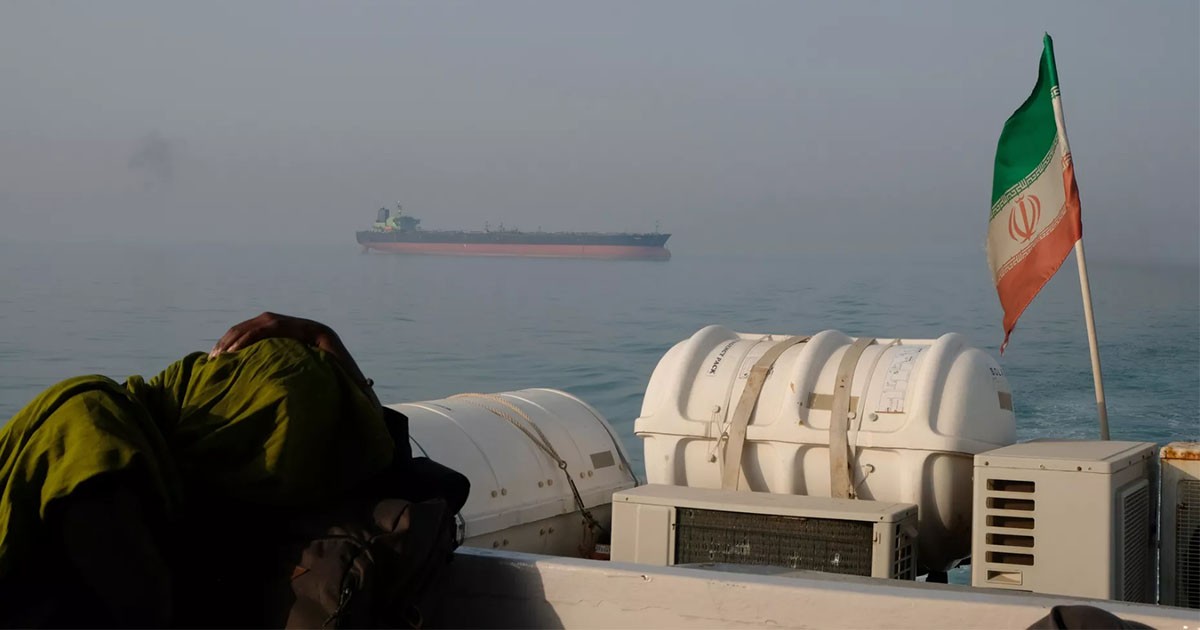
Meanwhile, Gulf Arab nations fear an attack could spark a regional war dragging them in as well. That threat is real — already, U.S. forces shot down an Iranian drone near the Lincoln and Iran attempted to stop a U.S.-flagged ship in the Strait of Hormuz.
Read more: Trump meets with Colombia’s Petro after diplomatic row over cartels
“President Trump seeks to corner Iran into reaching a negotiated solution, strong-arming its leaders into making concessions on the nuclear deal,” said Alissa Pavia, a fellow at the Atlantic Council. “The Iranians, on the other hand, are weakened after years of proxy warfare, economic crisis, and internal unrest. Trump is aware of this vulnerability and is hoping to use it to extract concessions and make inroads toward a renewed nuclear agreement.”
Few details on talks ahead of meeting
The scope, nature and participants in the talks remain unclear, just hours before they were due to begin in Muscat, the Omani capital nestled in the Hajar Mountains. Officials at Oman’s borders on Thursday showed particular concern over anyone carrying cameras into the sultanate before the negotiations.
On the Iranian side, Foreign Minister Abbas Araghchi arrived at night along with multiple Iranian diplomats, the state-run IRNA news agency reported.
Flight-tracking data showed the plane that carried him to Muscat initially started its journey from Tabas, Iran, the site of the disastrous Operation Eagle Claw in 1980, when a U.S. Special Forces mission attempted to rescue hostages held after the 1979 U.S. Embassy takeover in Tehran. A sandstorm in Tabas aborted the mission and eight service members died when a helicopter crashed into a C-120 refueling aircraft there. Iran’s theocracy long has portrayed the mission as God defeating the Americans.