Iran fired on targets across the Middle East, sparking multiple blazes at a Kuwaiti oil refinery, while American and Israeli airstrikes hit the Islamic Republic on Friday as the war neared the end of its fifth week unabated and the U.N. Security Council prepared to meet over Tehran’s stranglehold on the Strait of Hormuz.
Director-General of the WHO https://t.co/gpqV1fznMA
— Seyed Abbas Araghchi (@araghchi) April 3, 2026
Despite claims from the U.S. and Israel that Iran’s military capabilities have been all but destroyed, Tehran has continued to keep the pressure on Israel and its Gulf Arab neighbors, hitting Kuwait’s Mina al-Ahmadi oil refinery early Friday in a drone attack.
The refinery has been hit multiple times during the war and state-run Kuwait Petroleum Corp. said firefighters were working to control several blazes. Sirens also sounded in Bahrain warning of Iranian attacks, Saudi Arabia said it had destroyed several Iranian drones, defenses were activated in the United Arab Emirates and Israel reported incoming missiles.
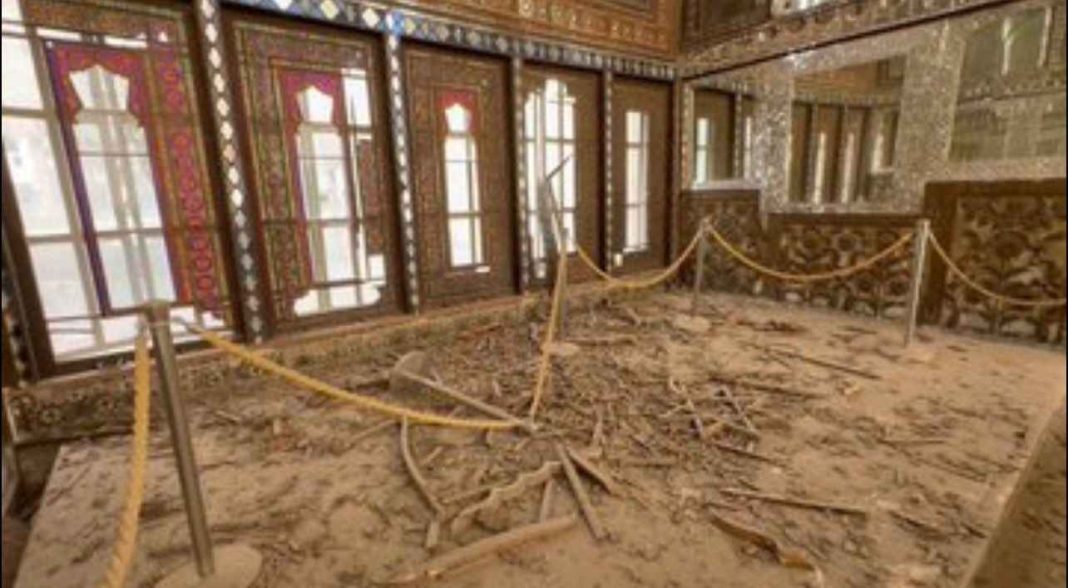
Striking civilian structures, including unfinished bridges, will not compel Iranians to surrender.
It only conveys the defeat and moral collapse of an enemy in disarray. Every bridge and building will be built back stronger. What will never recover: damage to America’s standing. pic.twitter.com/872zuE36qD
— Seyed Abbas Araghchi (@araghchi) April 2, 2026
Activists reported strikes around Tehran and the central city of Isfahan, but it wasn’t immediately clear what was hit.
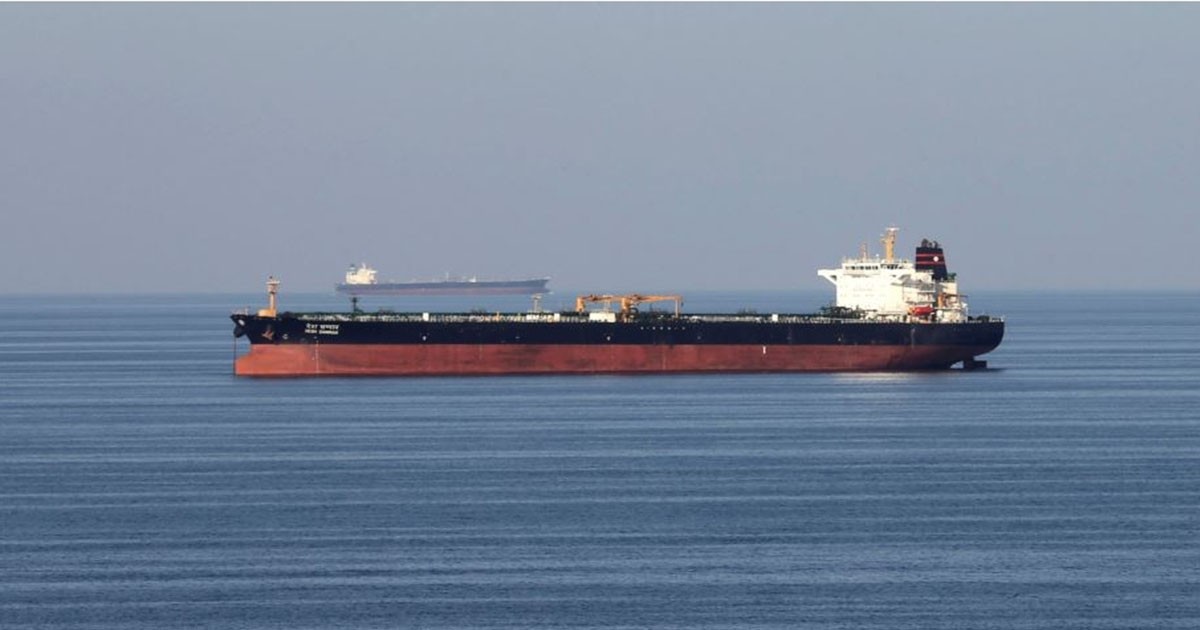
Iran’s attacks on Gulf region energy infrastructure and its tight grip on the Strait of Hormuz, through which a fifth of the world’s oil and natural gas transits in peacetime, have sent oil prices skyrocketing and is impacting global economies.
Spot prices of Brent crude, the international standard, were around $109 early Friday, up more than 50% from Feb. 28 when Israel and the U.S. started the war with their attacks on Iran.
UN Security Council to take up Strait of Hormuz security question
Shipping had flowed freely through the strait before the war, but U.S. President Donald Trump has said it’s not now Washington’s responsibility to get the waterway reopened, instead putting the onus on others, saying this week that the countries that depend more on fuel shipped through Hormuz should “build some delayed courage” and go “take it.”
The U.N. Security Council was expected to vote Saturday on a proposal from Bahrain that would authorize defensive action to ensure vessels can safely transit the strait. Bahrain’s initial draft would have allowed countries to “use all necessary means” to secure the strait, but Russia, China and France — who have veto power on the Council — expressed opposition to approving the use of force.