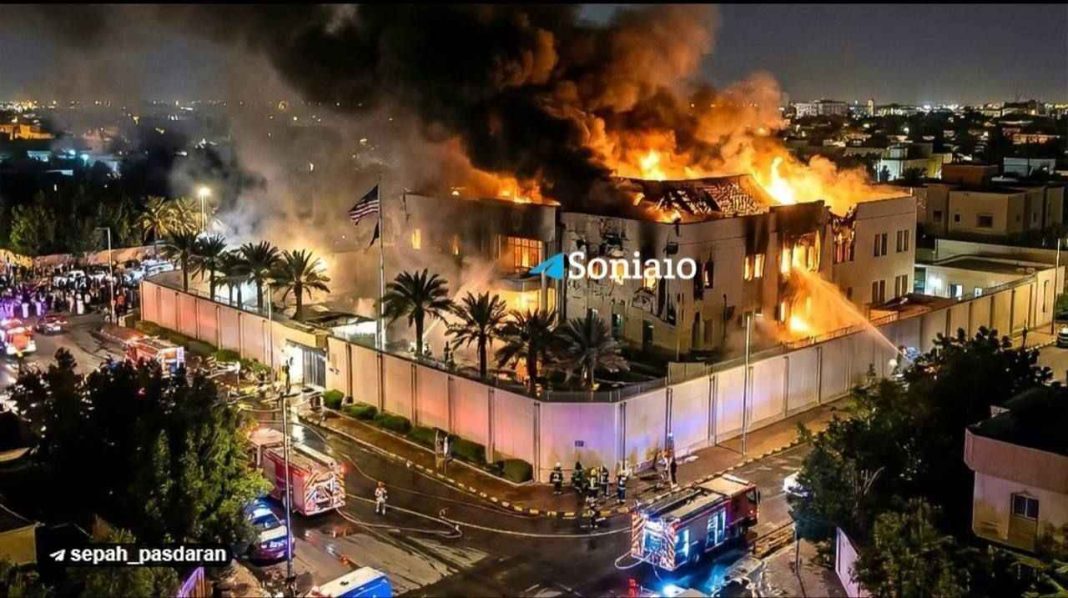
Iran has reportedly struck a CIA facility in Riyadh, Saudi Arabia. The attack comes amid a CNN report that the CIA is exploring plans to arm Kurdish forces as part of a broader strategy to cause an uprising against Iran’s central authorities and destabilise the region even further.
BREAKING: CIA station at the US Embassy compound in Riyadh is hit in a drone attack, source says. | @JenGriffinFNC pic.twitter.com/ar6kWuy4yI
— Fox News (@FoxNews) March 3, 2026
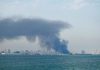
The suspected Iranian drone attack on the CIA station located in the US Embassy compound in Saudi Arabia’s capital caused significant structural damage, including a partially collapsed roof and heavy smoke. However, there were no confirmed injuries, according to the Daily Mail. The strike is seen in part as a message to Washington as tensions escalate following recent US‑led strikes on Iran.
Read more: US orders non-emergency consular staff in Karachi, Lahore to leave Pakistan
According to a CNN report, officials in Washington and Kurdish leadership have held talks about possible cooperation against Iranian security forces. President Donald Trump on Tuesday spoke with the president of the Democratic Party of Iranian Kurdistan (KDPI), Mustafa Hijri, according to a senior Iranian Kurdish official. KDPI was one of the groups targeted by the IRGC.
Reuters reports that some Kurdish militias based along the Iran‑Iraq border have expressed interest in leveraging the current instability following international strikes against Iran’s leadership, with discussions touching on the provision of weapons and intelligence support from US agencies, including the CIA.
According to multiple international news outlets, top White House officials have been in active discussions with Kurdish leaders in Iraq about providing them with military support to strike the regime. Iranian Kurdish militants have “thousands of soldiers along the Iraq-Iran border with major support in Northern Iraq’s Kurdistan region”, the Daily Mail reports.
The CIA’s efforts to arm Kurdish militants could pose a threat of on-ground rebellion in Iran, according to the British daily.
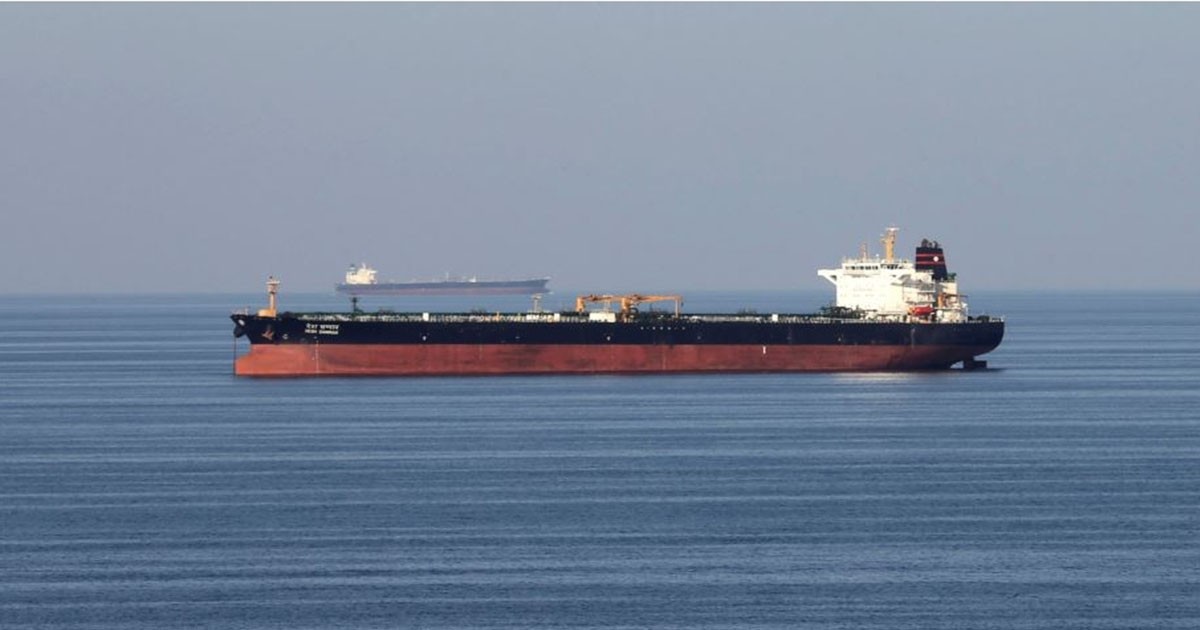
Read more: Iran claims ‘complete control’ of strait: Latest developments in Middle East war
Reuters could not independently confirm the extent of the CIA’s involvement in the planning of the operation, whether it had facilitated the weapons, or if any US forces planned to go into Iran with the Kurdish groups.
The CIA declined to comment. The White House and the Pentagon did not immediately respond to a request for comment.
Kurdish and US relations
The Kurdish people, an ethnic minority group numbering 25-30 million across Turkey, Iraq, Iran, Syria, and Armenia, have long worked with the CIA and the United States as a whole, particularly in the fight against ISIS. However, there is a history of frustration among Kurdish forces, who feel abandoned by the US, especially after the Trump administration decided to withdraw forces from Syria in 2018. This has led to concerns that the US might once again pull support, adding to the narrative of the Kurds being left to face repercussions alone.
The CIA has maintained a presence in Iraqi Kurdistan for decades, with an outpost near the Iran border and ongoing cooperation with Kurdish factions. Despite this long-standing alliance, hopes of Kurdish independence have not been realised, and the US has shifted its support over time. The recent US withdrawal from northern Syria, leaving Kurdish forces to face Syrian government forces, has only deepened Kurdish disillusionment, with many questioning the reliability of the US as an ally.
The US‑Iran conflict intensified after a series of US and Israeli military operations that targeted Iran’s leadership and military infrastructure, prompting widespread Iranian missile and drone retaliation across the region. Tehran has also claimed to have attacked US and allied bases, including in the Kurdistan region of Iraq, complicating the security landscape for Kurdish fighters and US forces alike.