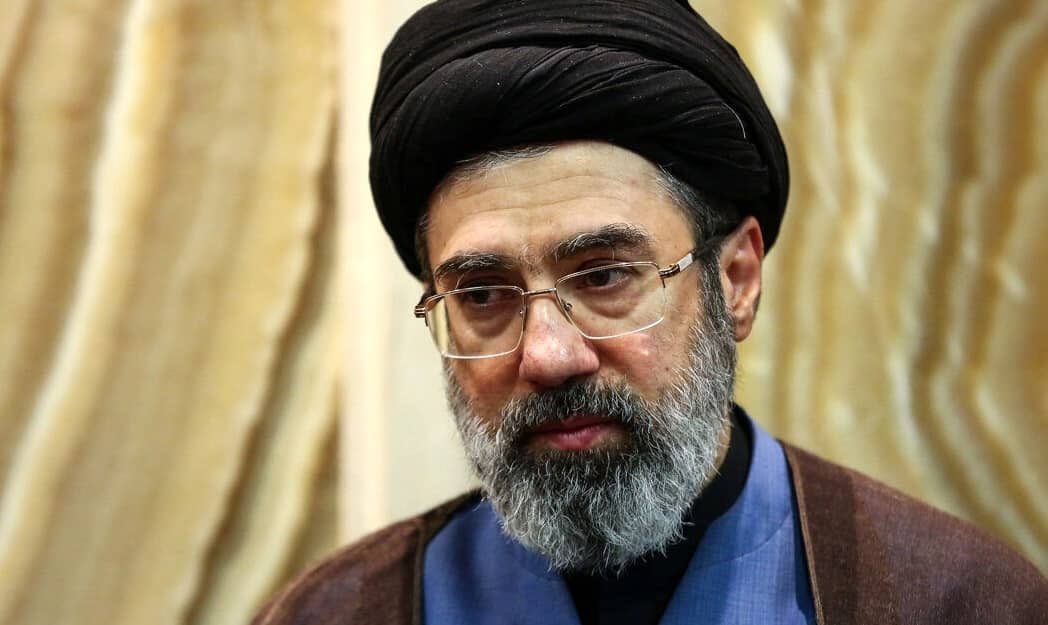
Mojtaba Khamenei, the son of the late Ayatollah Ali Khamenei, has been selected as Iran’s next supreme leader.
Just a reminder that Iran’s new supreme leader Mojtaba Khamenei has lost the following people in this war:
– His father: Ayatollah Ali Khamenei (killed in the opening strikes).
– His mother: (Mentioned in multiple sources as killed in the same or related strikes).
– His wife:… pic.twitter.com/TduX5QJ1QW— War Monitor (@WarMonitors) March 9, 2026
Ali Khamenei led Iran from 1989 until his death during the opening wave of US-Israeli strikes on Tehran on February 28.
Read more: India says to push ahead with Russian oil imports
Iran’s Assembly of Experts, which is tasked with vetting and selecting the supreme leader, announced on Monday that Mojtaba Khamenei was chosen after “precise and extensive deliberations.”
🚨 #BREAKING:
Mojtaba Khamenei, son of Ali Khamenei, says:“In the name of Allah, I salute the brave people of Iran who remain strong in difficult times.
We will continue the path of our martyrs and strive for honor, freedom, and dignity.”#IranWar #IranIsraelWar #Khamenei pic.twitter.com/OETjItR05R
— Mojtaba_Khamenei (@MujtabaKhamenei) March 5, 2026
The assembly called on “the noble nation of Iran, especially the elites and intellectuals of the seminaries and universities, to pledge allegiance” to the new leader, who is tasked with advancing the Islamic system of government that replaced the shah after the 1979 revolution.
Born in 1969, Mojtaba is the second of Ali Khamenei’s six children. As a young man, he fought as a volunteer during the Iran-Iraq War in the 1980s and later studied religion in Qom, one of Iran’s holiest cities and a major center of Shia theology.
Mojtaba’s sister and several other relatives were killed in the same airstrike that killed his father. Israeli media reported that Mojtaba was wounded in the attack.
Read more: Dubai airport briefly suspends operations after huge explosion
The Islamic Revolutionary Guard Corps (IRGC), through its media arm Sepah, has pledged allegiance to the new supreme leader.
The Iranian Supreme National Security Council secretary, Ali Larijani, thanked the Assembly of Experts for convening despite the ongoing airstrikes, including last week’s strike on the assembly’s headquarters in Qom.He said the selection of the new supreme leader proceeded in a timely and orderly manner despite “the tricks of enemies who had hoped for a deadlock” following the death of Ali Khamenei.
The appointment of Mojtaba Khamenei comes after US President Donald Trump said there would be no deal with Iran to end the war except through unconditional surrender.