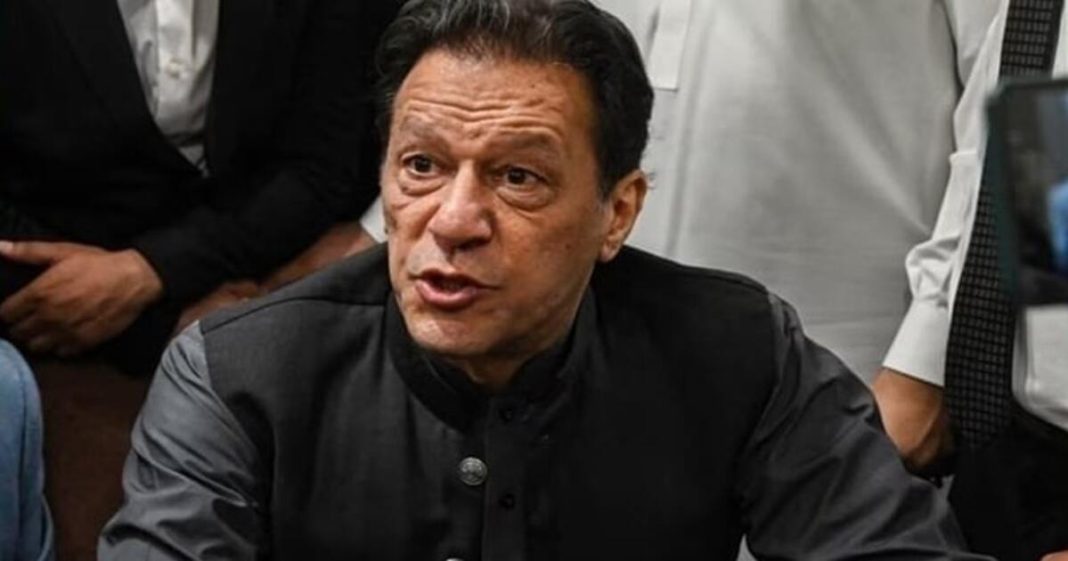
The Pakistan Tehreek-e-Insaf (PTI) on Thursday criticised the government over reports that party founder Imran Khan has only 15% vision in his right eye, while the ruling Pakistan Muslim League-Nawaz (PML-N) dismissed the claims as politically motivated.
The dispute followed a seven-page report submitted to the Supreme Court of Pakistan by PTI counsel Salman Safdar after his meeting with the jailed former premier at Adiala Jail. The court had appointed Safdar as amicus curiae to assess Khan’s prison conditions during hearings led by Chief Justice Yahya Afridi and Justice Shahid Bilal Hassan.
Read more: Watch: Aleema Khan Breaks Down Over Reports of Imran Khan’s Vision Loss
After meeting Khan for three hours, Safdar reported concerns about his health, including diminished eyesight. Khan has been imprisoned since August 2023 and faces multiple legal cases following his removal from office through a no-confidence vote in April 2022.
At a joint press conference, opposition leaders alleged negligence by authorities, claiming Khan is struggling with severe vision loss and has been denied proper medical attention and family access. His sister Aleema Khan also expressed alarm over his condition, alleging prison officials ignored his complaints for months and delayed treatment.
Read more: Ex-COAS Qamar Javed Bajwa Admitted to ICU After Bathroom Fall
PTI leaders demanded immediate medical evaluation by doctors chosen by Khan and his family, while also calling for swift hearings in his pending cases.
Government officials rejected the allegations. Ministers said medical decisions would be made by doctors, not politicians or lawyers, and insisted Khan is receiving adequate care and privileges exceeding those of ordinary inmates. Information Minister Attaullah Tarar said official reports clarified his daily routine and medical facilities, countering claims of mistreatment.
Prime Minister’s adviser Rana Sanaullah urged all sides to avoid politicising health matters, noting that court reviews found no major discrepancies between official and legal reports. He said the government would follow court directives to ensure proper medical treatment, stressing that prisoner health remains both a legal and humanitarian obligation.