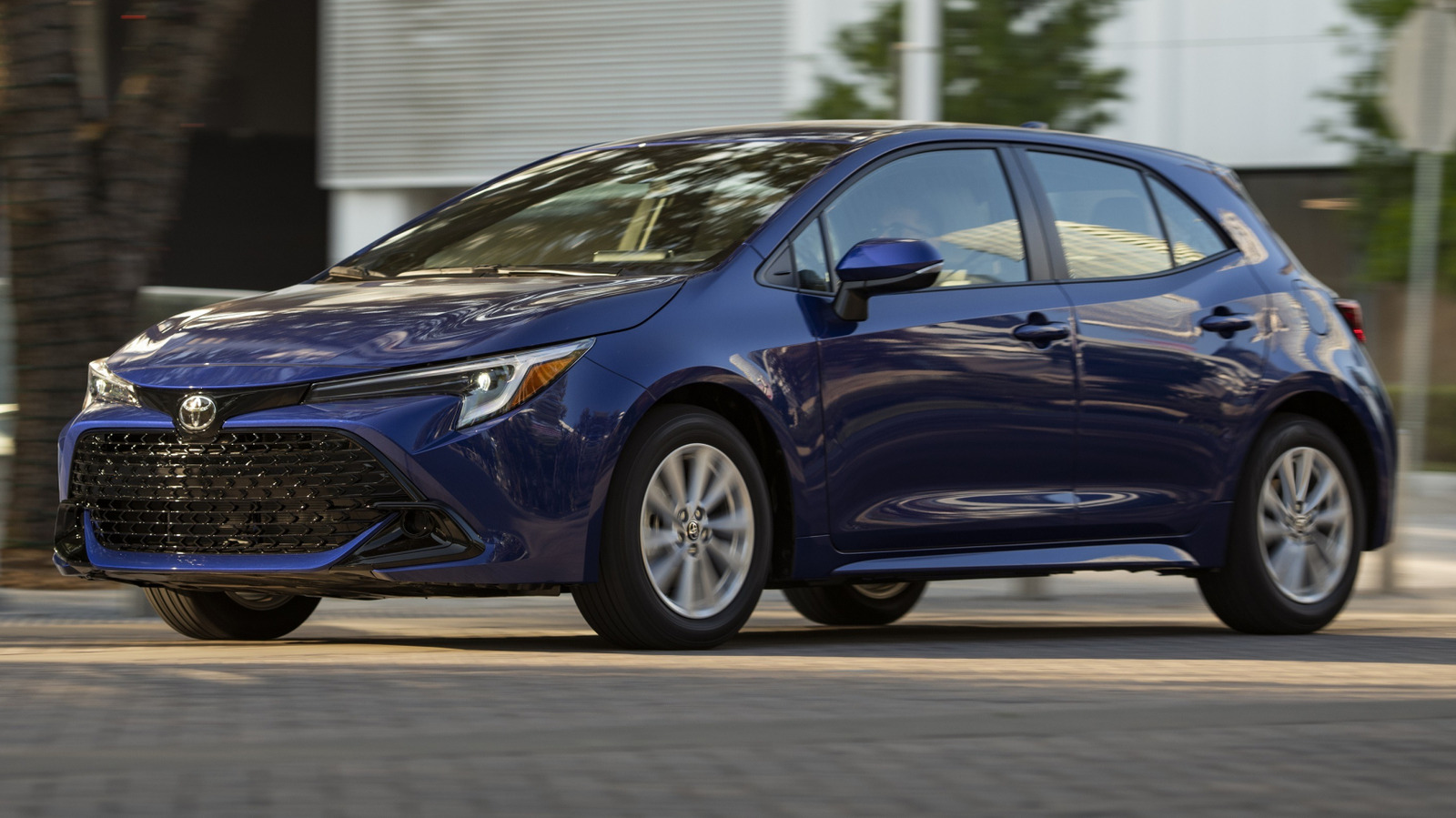
What Drives the Escalation of Car Ownership Costs?
The contemporary car market, shaped by global supply chain disruptions, inflationary pressures, and shifting consumer expectations, has rendered the search for affordable vehicles increasingly fraught. While headlines often attribute rising prices to raw material shortages or pandemic aftershocks, a more nuanced reading suggests that structural changes—such as the proliferation of advanced safety and connectivity features—have quietly recalibrated what constitutes a “base model.” Consequently, the very notion of a cheap new car has become something of a moving target, with entry-level models now commanding price points that would have seemed anomalous a decade ago. For consumers, the upshot is a landscape in which outright purchase is frequently out of reach, especially for younger buyers or those in urban centers where cost-of-living increases outpace wage growth.
Why Leasing Emerges as a Strategic Alternative
Against this backdrop, leasing has re-emerged as a pragmatic, if imperfect, solution for cost-conscious drivers. The evidence suggests that, under specific conditions, leasing can mitigate the immediate financial burden of car acquisition by distributing costs over a fixed term, often with lower monthly payments than traditional financing. Yet, this apparent affordability is not without caveats. Lease agreements typically impose mileage restrictions and require stringent adherence to maintenance schedules, effectively transferring some risk back to the lessee. Moreover, the long-term financial calculus is less favorable: lessees build no equity, and the cycle of perpetual leasing can ultimately exceed the cost of ownership. Still, for individuals prioritizing cash flow or those anticipating rapid technological obsolescence in automotive features, leasing’s flexibility may outweigh these drawbacks.
Who Benefits—and Who Is Left Behind—by Current Leasing Structures?
A closer inspection reveals that the benefits of inexpensive lease deals are unevenly distributed. Urban professionals, whose driving patterns align with low-mileage lease terms, stand to gain the most. Conversely, rural residents or gig economy workers—whose livelihoods may depend on higher annual mileage—find themselves structurally excluded from these offers. Demographically, younger consumers with limited credit histories may face higher upfront costs or be denied access altogether, despite being among those most in need of affordable mobility. This bifurcation is rarely acknowledged in mainstream discourse, which tends to universalize the advantages of leasing without interrogating its embedded exclusions.
What Are the Hidden Costs and Second-Order Effects?
The practical significance of low monthly payments is often overstated when viewed in isolation. Ancillary expenses—insurance premiums, excess wear-and-tear charges, and disposition fees—can erode the headline savings touted by lease promotions. Furthermore, the proliferation of leasing as a default option may have broader market consequences. By incentivizing short-term vehicle turnover, leasing accelerates depreciation cycles and potentially inflates the supply of late-model used cars, with unpredictable effects on residual values and the environmental footprint of automotive consumption. These second-order effects remain under-examined in public policy debates, which tend to focus narrowly on consumer price points rather than systemic impacts.
What Should an Informed Consumer Infer from the Current Landscape?
For the analytically minded reader, the core mechanism at stake is not simply the monthly payment, but the interplay between personal mobility needs, risk tolerance, and long-term financial planning. The evidence does not support a one-size-fits-all prescription. Instead, the most prudent course involves a granular assessment of individual driving habits, local market conditions, and the evolving regulatory environment (such as potential shifts in emissions standards or tax incentives). In a market where “cheap” is increasingly a relative term, the informed consumer must look beyond surface-level deals and interrogate the structural logic—and limitations—of leasing as a strategy for affordable mobility.