How Does the Desire for Modern Comfort Reframe the Classic Convertible Dilemma?
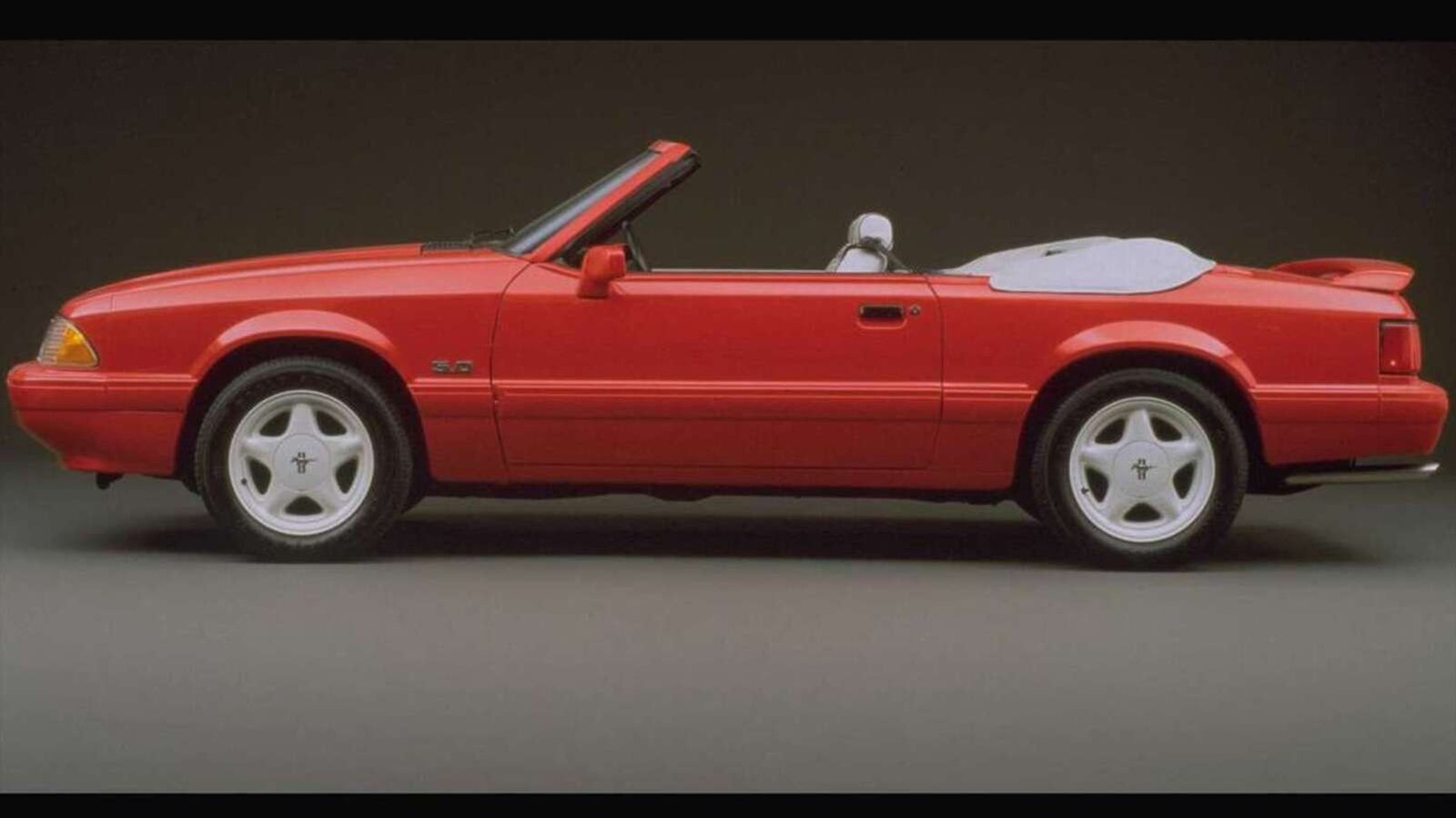
The search to replace a 1993 Mustang convertible—an icon of affordable, open-air motoring—raises a nuanced question: what does “modern and comfortable” truly mean for drivers accustomed to the tactile, sometimes unruly charms of an older American drop-top? The evidence suggests that, for many, the appeal of a classic Mustang lies not merely in nostalgia or aesthetics, but in a specific sensory engagement: the mechanical feedback, the wind-in-hair immediacy, and the unfiltered driving experience. Yet, as drivers age or their daily realities shift, priorities recalibrate. Comfort, reliability, and technological amenities begin to outweigh the romance of rawness. This transition is not simply about upgrading features; it is a negotiation between identity and practicality, between the mythos of the open road and the realities of modern traffic, climate, and safety expectations.
What Constraints and Opportunities Shape the $13,000 Convertible Market?
A $13,000 budget, while generous compared to entry-level used cars, occupies an ambiguous space in the convertible market. It is insufficient for most new models, yet ample enough to secure a late-model used vehicle with significant improvements in ride quality, safety, and infotainment. However, the available inventory is shaped by several structural forces: depreciation curves, regional climate effects on convertible longevity, and the shrinking number of affordable new convertibles as manufacturers pivot toward SUVs and crossovers. Under these conditions, the market tends to favor models like the Mazda MX-5 Miata, Volkswagen Eos, or Chrysler Sebring—each with distinct trade-offs in reliability, driving dynamics, and long-term maintenance costs. Notably, the Miata’s reputation for reliability and driver engagement is well-supported by owner surveys, but its compactness may undercut the comfort imperative. Conversely, the Sebring offers more space and amenities, but its build quality and driving satisfaction remain contested among enthusiasts and consumer advocates alike.
Why Do Mainstream Recommendations Risk Oversimplification?
Conventional wisdom often defaults to recommending the “most reliable” or “best value” convertible within a given price range. Yet this approach risks flattening the complexity of individual needs. For a driver transitioning from a ‘93 Mustang, the psychological and ergonomic leap to a small roadster or a front-wheel-drive convertible may be more jarring than anticipated. There is also a demographic dimension: older drivers may prioritize ingress and egress, seat support, and ride compliance over raw performance metrics. Furthermore, the assumption that newer always equals better ignores the reality that some recent convertibles—especially those designed during periods of cost-cutting or platform sharing—may offer little improvement in tactile quality or long-term durability. The evidence here is mixed; Consumer Reports and J.D. Power surveys show wide variability in owner satisfaction, even among vehicles of similar age and mileage.
Who Stands to Gain or Lose from This Transition?
The implications of moving from a classic Mustang to a modern convertible ripple beyond the individual. Local mechanics specializing in older American cars may lose a loyal customer, while dealerships and certified pre-owned programs stand to benefit from the churn. Insurance costs, often overlooked, may shift unpredictably: some modern convertibles carry higher premiums due to expensive electronics and repair costs, despite better safety ratings. There is also a less visible, but no less real, cultural loss—the slow attrition of classic cars from daily use, replaced by more anodyne, less distinctive vehicles. For enthusiasts, this represents a dilution of automotive diversity on public roads.
What Judgment Should Guide the Informed Buyer?
Given these intersecting considerations, the optimal path is not to chase the newest or most statistically reliable convertible, but to clarify which aspects of “modern comfort” are non-negotiable and which can be compromised. Test drives across segments—roadsters, four-seat convertibles, and even hardtop cabriolets—may reveal unexpected affinities or deal-breakers. Scrutinizing maintenance records, ownership costs, and the availability of local service expertise is prudent, especially for models with mixed reputations. Ultimately, the evidence suggests that the best replacement for a ‘93 Mustang convertible is not a single model, but a carefully weighted balance between subjective comfort, objective reliability, and the enduring pleasure of open-air driving. The informed reader, then, should resist the lure of one-size-fits-all advice and instead approach the market as a landscape of trade-offs, each shaped by personal history and evolving priorities.