How Does the Search for a Safe, Reliable, and Unpretentious Vehicle Shape Consumer Choice?
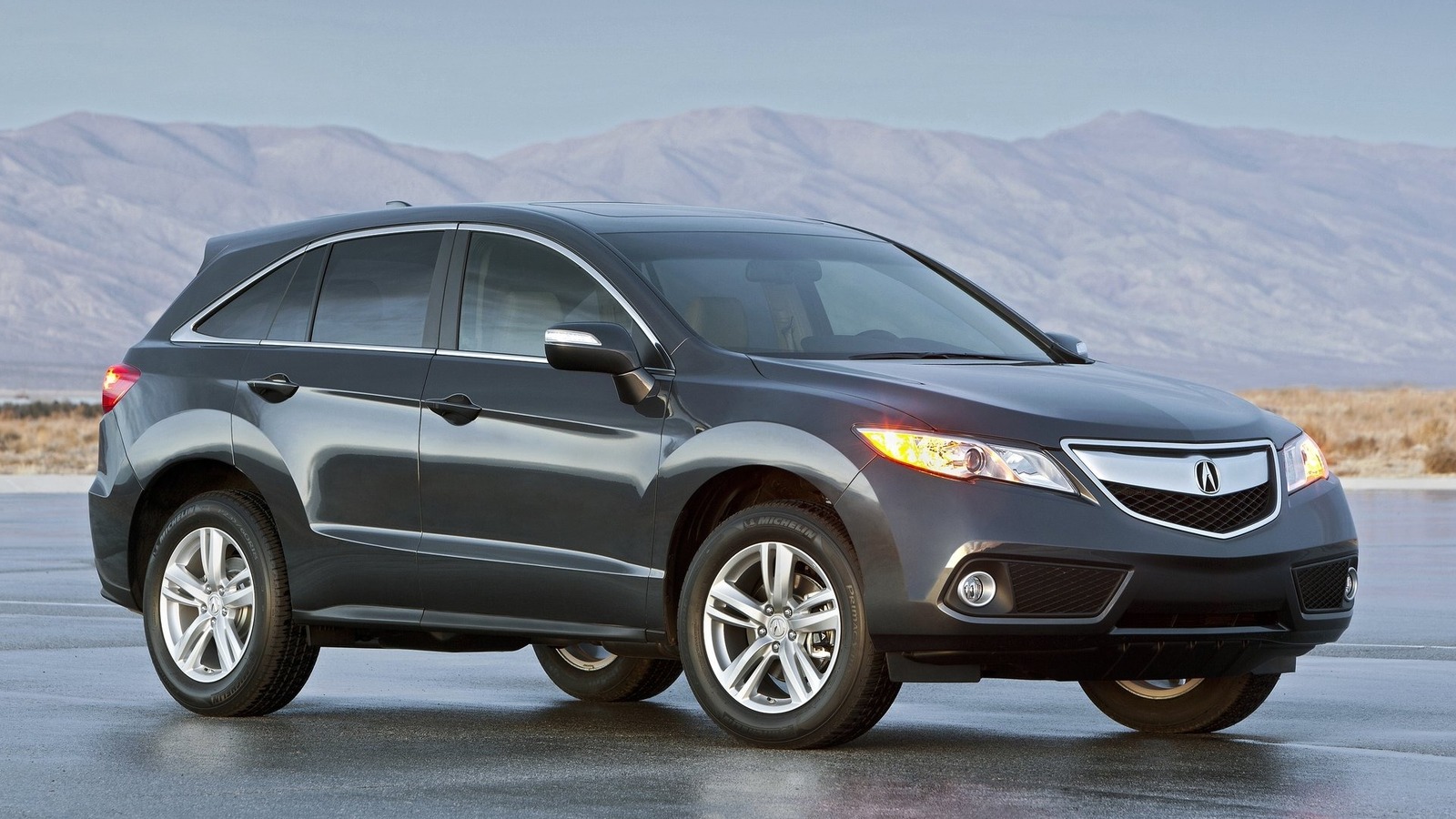
The quest for a replacement vehicle that balances safety, reliability, and a lack of ostentation—within a $25,000 budget—reveals a tension at the heart of contemporary car buying. For Barry, whose previous experience with the RDX (a compact luxury crossover) likely set a baseline for comfort and capability, the challenge is not merely transactional. It is interpretive: how to reconcile the desire for robust protection and mechanical dependability with a conscious avoidance of conspicuous consumption.
Safety and reliability, while often presented as objective metrics, are in practice subject to shifting standards and marketing narratives. Crash test ratings, for example, are shaped by evolving protocols and may not capture the full spectrum of real-world scenarios. Reliability, meanwhile, is typically inferred from aggregated owner reports and repair histories—datasets that can obscure outlier experiences or the impact of regional service networks. Within the $25,000 price ceiling, the evidence suggests that late-model mainstream sedans and compact SUVs (from brands with established reputations for durability) offer the most consistent alignment with these priorities. Yet, the market’s current tilt toward SUVs and crossovers has inflated prices for even modestly equipped models, narrowing the field for buyers who reject luxury badges and superfluous features.
Why Does the Notion of “Not Too Fancy” Complicate the Decision Matrix?
The stipulation that the vehicle should be “not too fancy” introduces a layer of social signaling into the calculus. This is not simply a matter of avoiding leather seats or advanced infotainment systems; it is a deliberate distancing from the status anxieties that luxury branding can provoke. For some, this reflects a pragmatic ethos—an unwillingness to pay for features that do not enhance core utility. For others, it may be a response to broader cultural currents: skepticism toward conspicuous consumption, or a desire to avoid the scrutiny that can accompany visible affluence.
However, the mainstream market’s relentless upscaling of even entry-level trims complicates this preference. Many vehicles now come standard with amenities that, a decade ago, would have been reserved for premium models. The result is a blurring of the line between “basic” and “fancy,” making it increasingly difficult for buyers to find vehicles that are both well-equipped for safety and reliability, yet free from the trappings of luxury. This dynamic disproportionately affects buyers like Barry, who seek substance over style but are constrained by the industry’s tendency to bundle desirable features with cosmetic upgrades.
Which Vehicles Best Navigate the Intersection of Budget, Safety, and Modesty?
Given these constraints, the most defensible recommendation—though not without caveats—leans toward late-model midsize sedans from manufacturers with a track record for reliability and accessible service networks. Models such as the Toyota Camry, Honda Accord, and Mazda6, when sourced from recent model years with moderate mileage, typically offer advanced safety features (such as adaptive cruise control and automatic emergency braking) without the ostentation of luxury branding. Compact SUVs like the Honda CR-V or Toyota RAV4 also merit consideration, though their higher resale values may limit options within the specified budget.
It is worth noting, however, that the used car market’s volatility—exacerbated by recent supply chain disruptions—has introduced greater variability in pricing and availability. Regional disparities can further complicate the search; in some locales, vehicles that meet these criteria may be scarce or command a premium. For buyers unwilling to compromise on safety or reliability, patience and flexibility regarding model year or mileage may be necessary.
What Broader Implications Emerge from This Type of Vehicle Search?
Barry’s search is emblematic of a broader phenomenon: the persistent gap between what automakers produce and what a significant segment of consumers actually desire. The industry’s focus on ever-greater technological integration and luxury-adjacent features may serve shareholder interests, but it risks alienating buyers who prioritize durability, safety, and modesty over novelty or status. This disconnect is not merely a matter of individual preference; it reflects deeper structural incentives and blind spots within automotive design and marketing.
For the informed consumer, the practical takeaway is twofold. First, clarity about non-negotiable priorities—safety, reliability, and a lack of ostentation—should guide the search, even if this means accepting trade-offs in model year or mileage. Second, skepticism toward both marketing claims and peer recommendations is warranted; the optimal choice is rarely the most popular or most heavily advertised. Instead, it is the vehicle that best aligns with the buyer’s lived realities and values, even if that means choosing a car that, to others, appears unremarkable. In a market increasingly defined by excess, such restraint is both a challenge and a statement.