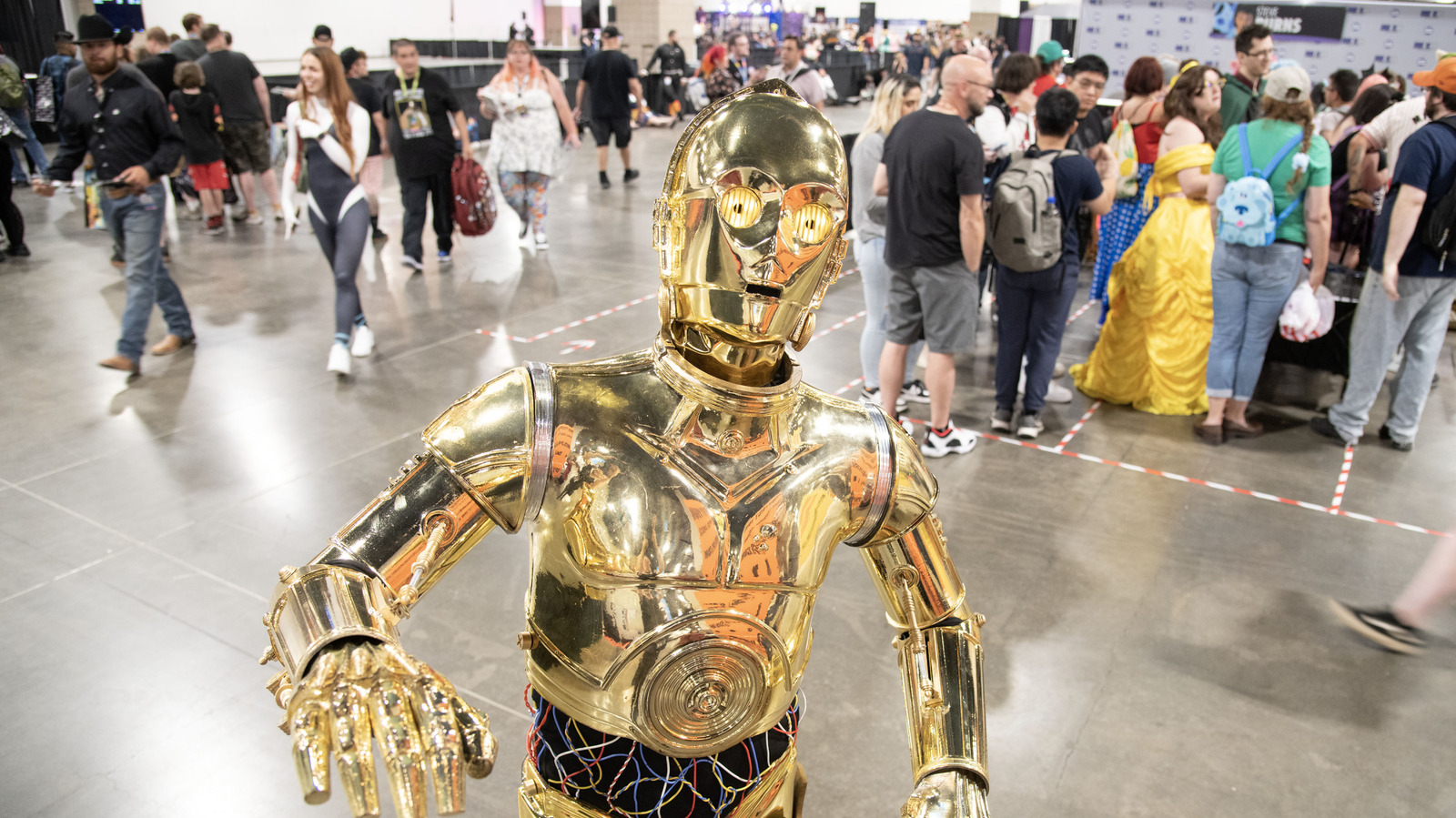
Why Are Humanoid Robots Excluded from Commercial Flights?
The exclusion of humanoid robots from commercial flights, while seemingly whimsical, reflects a deeper institutional discomfort with ambiguous forms of non-human agency in public spaces. Airlines, as highly regulated environments, operate under a mandate to minimize unpredictable variables—especially those that might disrupt the delicate choreography of boarding, safety, and liability. Humanoid robots, by virtue of their anthropomorphic design, challenge established categories: they are neither cargo nor conventional passengers, and their presence raises unresolved questions about responsibility, consent, and risk. The evidence suggests that, under current regulatory frameworks, airlines lack both the operational protocols and the legal clarity to accommodate entities that blur the line between object and actor. This is not merely a matter of technical capability; rather, it is a reflection of institutional inertia and the slow pace at which regulatory bodies adapt to technological novelty.
What Underlying Fears and Interests Shape This Policy?
Beneath the surface, the policy reveals anxieties about social order and the boundaries of personhood. The presence of humanoid robots in passenger cabins could provoke discomfort or even panic among travelers unaccustomed to sharing confined spaces with machines that mimic human form and behavior. There is also the specter of liability: if a robot malfunctions or is perceived as threatening, who bears responsibility—the manufacturer, the owner, or the airline? Insurers and legal teams, whose risk models are calibrated for human unpredictability, have little precedent for adjudicating incidents involving autonomous or semi-autonomous machines. Vested interests—particularly those of unions representing flight attendants and pilots—may also play a quiet role, as the normalization of humanoid robots in public spaces could be seen as a precursor to broader automation in aviation labor markets.
How Does This Policy Reflect Broader Societal Tensions?
The ban on humanoid robots is not simply a matter of operational convenience; it is symptomatic of a broader societal ambivalence toward automation and the encroachment of artificial intelligence into domains once reserved for humans. While some commentators frame the exclusion as a temporary measure pending regulatory adaptation, others argue that it betrays a deeper reluctance to confront the ethical and psychological implications of cohabiting with machines that evoke human presence. The evidence remains inconclusive as to whether public unease is rooted in rational safety concerns or in more diffuse anxieties about identity and control. What is clear, however, is that the policy functions as a symbolic boundary, reaffirming the primacy of human experience in spaces where the stakes of disruption are perceived to be high.
Who Is Most Affected by This Exclusion—and Who Is Overlooked?
At first glance, the immediate impact appears limited to researchers, engineers, and companies seeking to transport advanced robotics for demonstration or deployment. Yet the second-order effects are more diffuse. By rendering humanoid robots invisible in public transit, airlines inadvertently slow the process of social acclimatization to non-human agents. This has implications for individuals with disabilities who might benefit from robotic assistance, as well as for the broader public’s capacity to adapt to the coming proliferation of intelligent machines. The policy thus privileges a narrow conception of normalcy, potentially at the expense of innovation and inclusion.
What Should an Informed Observer Conclude?
The current exclusion of humanoid robots from commercial flights is less a technical necessity than a reflection of unresolved social and institutional tensions. While safety and liability concerns are not trivial, they are often invoked as proxies for deeper anxieties about the erosion of human exceptionalism. For those invested in the future of automation, the lesson is clear: technological progress will be shaped as much by cultural negotiation and regulatory adaptation as by engineering breakthroughs. An informed reader should recognize that, under present conditions, the debate is less about what robots can do and more about what societies are willing to accept. The path forward will require not only technical solutions but also a willingness to interrogate—and ultimately expand—the boundaries of shared public space.