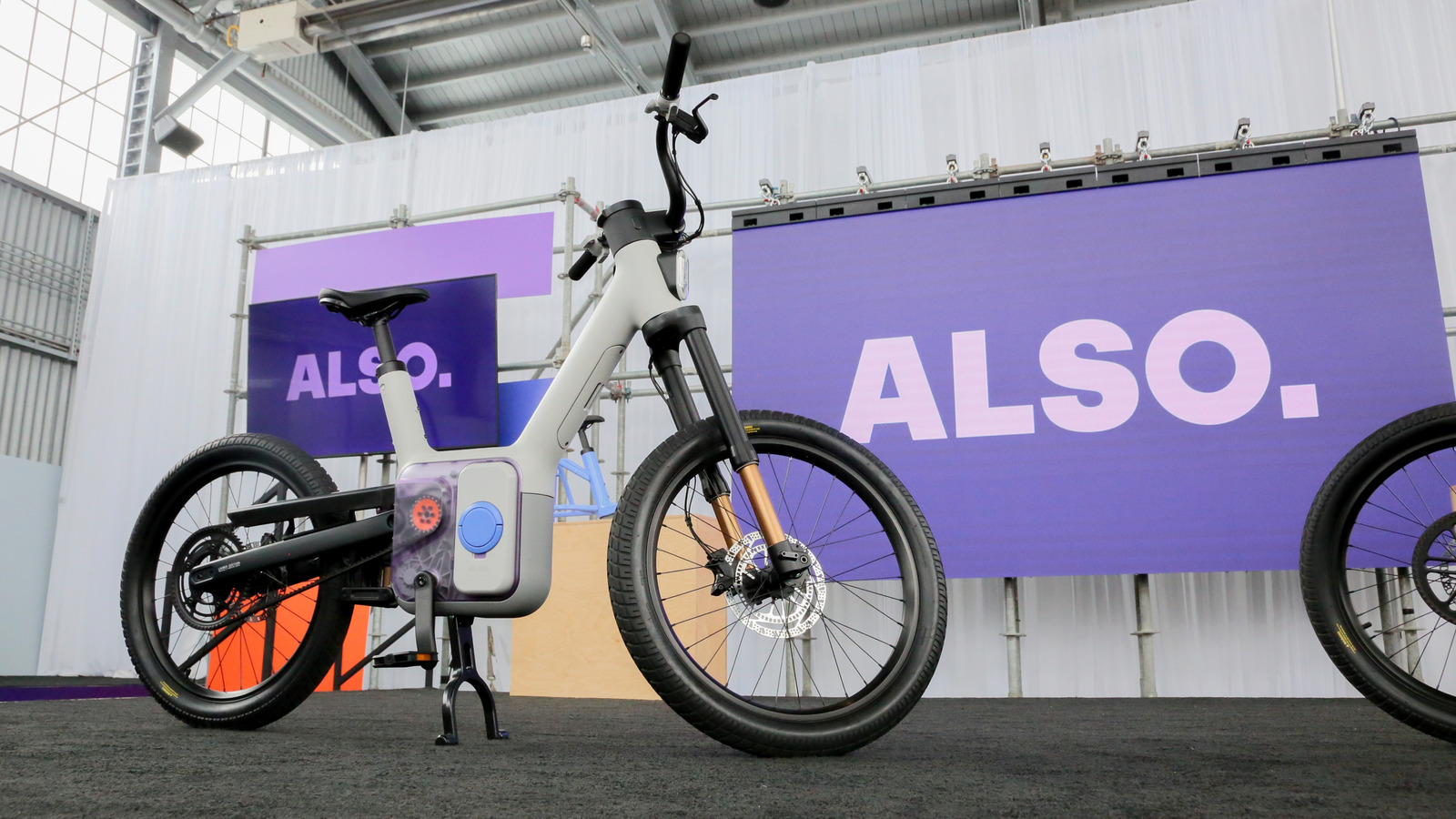
How Do TM-B Bikes Challenge Prevailing Assumptions About Two-Wheeled Innovation?
The emergence of TM-B bikes signals a subtle but significant recalibration in the landscape of two-wheeled mobility. While the automotive sector has long been the locus of technological spectacle—autonomous driving, electrification, and connected systems—the bicycle world has often been relegated to incrementalism or niche experimentation. The TM-B, however, disrupts this narrative by demonstrating that genuine innovation can occur outside the automotive mainstream, and that the boundary between utility and exhilaration is more porous than convention suggests. The evidence, though still largely anecdotal and awaiting longitudinal validation, points to a design philosophy that privileges not only efficiency but also rider engagement. This dual emphasis complicates the standard dichotomy between practical transportation and recreational thrill, inviting a reconsideration of what constitutes meaningful progress in personal mobility.
Why Does Two-Wheeled Innovation Matter Beyond the Obvious?
To dismiss the significance of advances in bicycle technology as marginal is to overlook their potential multiplier effects. Urban planners, for instance, increasingly recognize that the modal share of bicycles correlates with public health outcomes, congestion mitigation, and even patterns of social equity. The TM-B’s capacity to attract riders who might otherwise remain disengaged from cycling—whether due to perceived tedium or ergonomic limitations—suggests a latent demand that could, under the right conditions, be activated at scale. Yet, this optimism must be tempered by structural realities: infrastructure gaps, regulatory inertia, and the persistent cultural valorization of cars all constrain the transformative potential of even the most compelling two-wheeled innovations. The TM-B, in this sense, is less a panacea than a provocation—an argument in hardware form that the status quo is neither inevitable nor optimal.
Who Stands to Gain or Lose from the Proliferation of TM-B Bikes?
The immediate beneficiaries of TM-B innovation are, predictably, early adopters and cycling enthusiasts. However, the second-order effects are less straightforward. If TM-B bikes succeed in broadening the appeal of cycling, incumbent automotive interests may perceive a threat to their dominance in short- and medium-distance travel. Conversely, traditional bicycle manufacturers—especially those slow to adapt—risk obsolescence as consumer expectations shift. Municipalities, too, face a dilemma: whether to invest in infrastructure that anticipates a more diverse and demanding cycling public, or to double down on established modalities. The distribution of gains and losses, therefore, will hinge not only on the intrinsic merits of the TM-B but also on the adaptive capacity of institutions and industries that mediate its uptake.
What Are the Blind Spots and Methodological Limits in Assessing TM-B’s Impact?
Much of the current enthusiasm for TM-B bikes is rooted in subjective experience—test rides, early reviews, and the novelty effect. While these accounts are valuable, they are methodologically limited: they cannot, on their own, predict sustained behavioral change or broader societal impact. Moreover, the demographic profile of early adopters may skew results, masking barriers to access or adoption among less affluent or differently abled populations. Absent rigorous, longitudinal studies that account for these confounders, any sweeping claims about the TM-B’s transformative potential remain speculative. The risk, then, is that hype outpaces substance, and that the deeper structural impediments to cycling’s mainstreaming—land use, safety, affordability—are left unaddressed.
What Should an Informed Reader Conclude About the Future of Two-Wheeled Mobility?
The TM-B bike is best understood not as a finished solution but as a catalyst for reimagining the possibilities of two-wheeled transport. Its significance lies less in any single technological breakthrough than in its capacity to unsettle complacency and expand the horizon of what cycling can be. For policymakers, manufacturers, and advocates, the imperative is to treat such innovations as invitations to systemic change rather than isolated curiosities. The prudent course is neither uncritical celebration nor reflexive skepticism, but a nuanced engagement with both the promise and the constraints of this evolving domain.