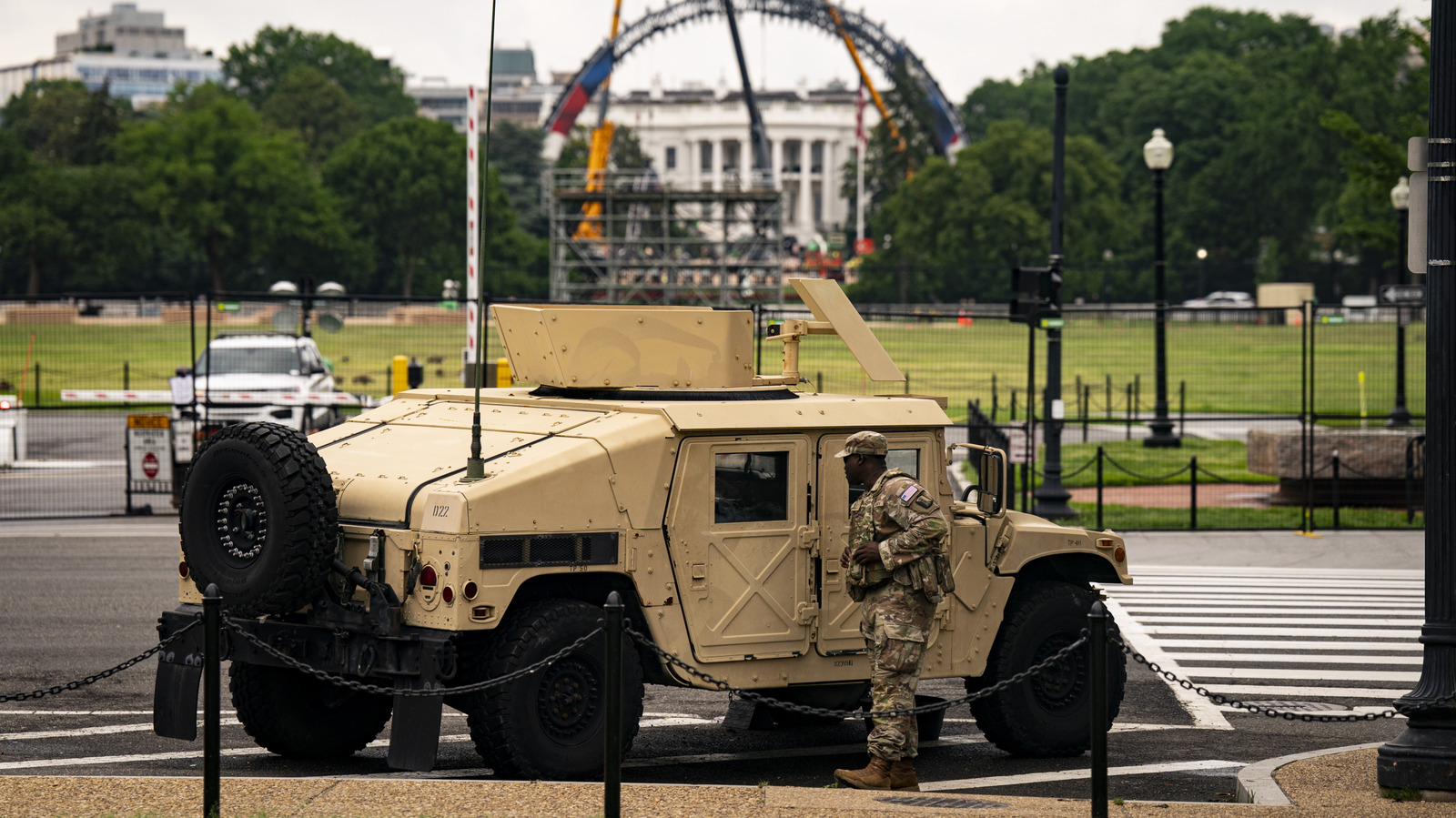
What Drives the Push to Replace the Humvee in the US Army?
The decision to phase out the Humvee, a vehicle that has become synonymous with American military presence since the 1980s, is not merely a matter of technological obsolescence. Rather, it reflects a confluence of evolving battlefield requirements, shifting threat landscapes, and institutional priorities that privilege force protection and operational flexibility. The Humvee’s vulnerabilities—particularly its insufficient armor against improvised explosive devices and ambush tactics encountered in recent conflicts—have been well documented. Yet, the urgency to replace it also stems from a broader doctrinal shift: the military’s increasing emphasis on survivability, modularity, and networked warfare. This is not a simple case of one vehicle aging out of service; it is a recalibration of what the Army expects from its tactical ground mobility platforms.
How Do Competing Visions Shape the Criteria for a Successor?
Selecting a replacement is not a purely technical exercise. Competing visions within the defense establishment—ranging from advocates of high-tech, heavily armored vehicles to proponents of lighter, more agile platforms—shape the criteria by which candidates are judged. The evidence suggests that no single design can fully reconcile the trade-offs between protection, mobility, payload, and cost. For instance, while the Joint Light Tactical Vehicle (JLTV) program has emerged as a frontrunner, its adoption has been accompanied by debate over whether its increased weight and complexity might hinder rapid deployment or adaptability in unconventional theaters.
Moreover, the procurement process itself is subject to institutional inertia and the influence of defense contractors, whose interests may not always align with frontline operational realities. The methodological boundaries of vehicle testing—often conducted under controlled conditions—may not capture the full spectrum of threats or logistical challenges encountered in active combat zones. Thus, any claim of a definitive “best” replacement must be tempered by recognition of these structural limitations.
Who Stands to Gain or Lose from the Transition?
Beyond the immediate impact on soldiers’ safety and effectiveness, the transition away from the Humvee carries second-order consequences for a wide array of stakeholders. Defense manufacturers compete for lucrative contracts, shaping local economies and employment patterns in ways that rarely enter public debate. Meanwhile, allied militaries that have long relied on US surplus vehicles may find themselves compelled to reassess their own procurement strategies, potentially widening capability gaps or fostering new dependencies.
Less visible, but no less significant, are the implications for military doctrine and training. The introduction of a new vehicle platform necessitates extensive retraining, logistical retooling, and adaptation of tactics—a process that can introduce friction and uncertainty during periods of operational transition. These downstream effects, while often overshadowed by headline procurement figures, may ultimately determine the real-world efficacy of any replacement.
What Blind Spots Persist in Mainstream Debates?
Mainstream discourse frequently reduces the Humvee’s replacement to a question of armor thickness or horsepower, neglecting the broader context in which military vehicles operate. For example, the assumption that heavier, more technologically advanced vehicles are inherently superior fails to account for the logistical burdens they impose—fuel consumption, maintenance complexity, and transportability all become critical constraints in austere environments. Historical precedents, such as the Soviet experience in Afghanistan, illustrate the perils of over-engineering at the expense of adaptability.
Furthermore, the focus on immediate battlefield threats may obscure longer-term strategic considerations, such as the need for interoperability with allied forces or resilience against cyber-physical attacks on vehicle electronics. These factors, while less tangible than ballistic protection, are increasingly salient in an era of hybrid warfare.
What Should an Informed Observer Conclude?
Given the multiplicity of interests, constraints, and uncertainties at play, the search for a Humvee successor resists easy resolution. The evidence points toward a future in which no single vehicle can serve as a universal solution; instead, a diversified fleet, tailored to specific operational contexts, may offer greater resilience. Policymakers and observers would do well to scrutinize not only the technical specifications of proposed replacements but also the institutional dynamics and doctrinal assumptions that shape their adoption.
Ultimately, the question is not simply what will replace the Humvee, but how the Army—and by extension, the nation—chooses to balance protection, agility, and adaptability in the face of evolving threats. The answer will reverberate far beyond the confines of procurement offices, shaping the contours of American military power for decades to come.