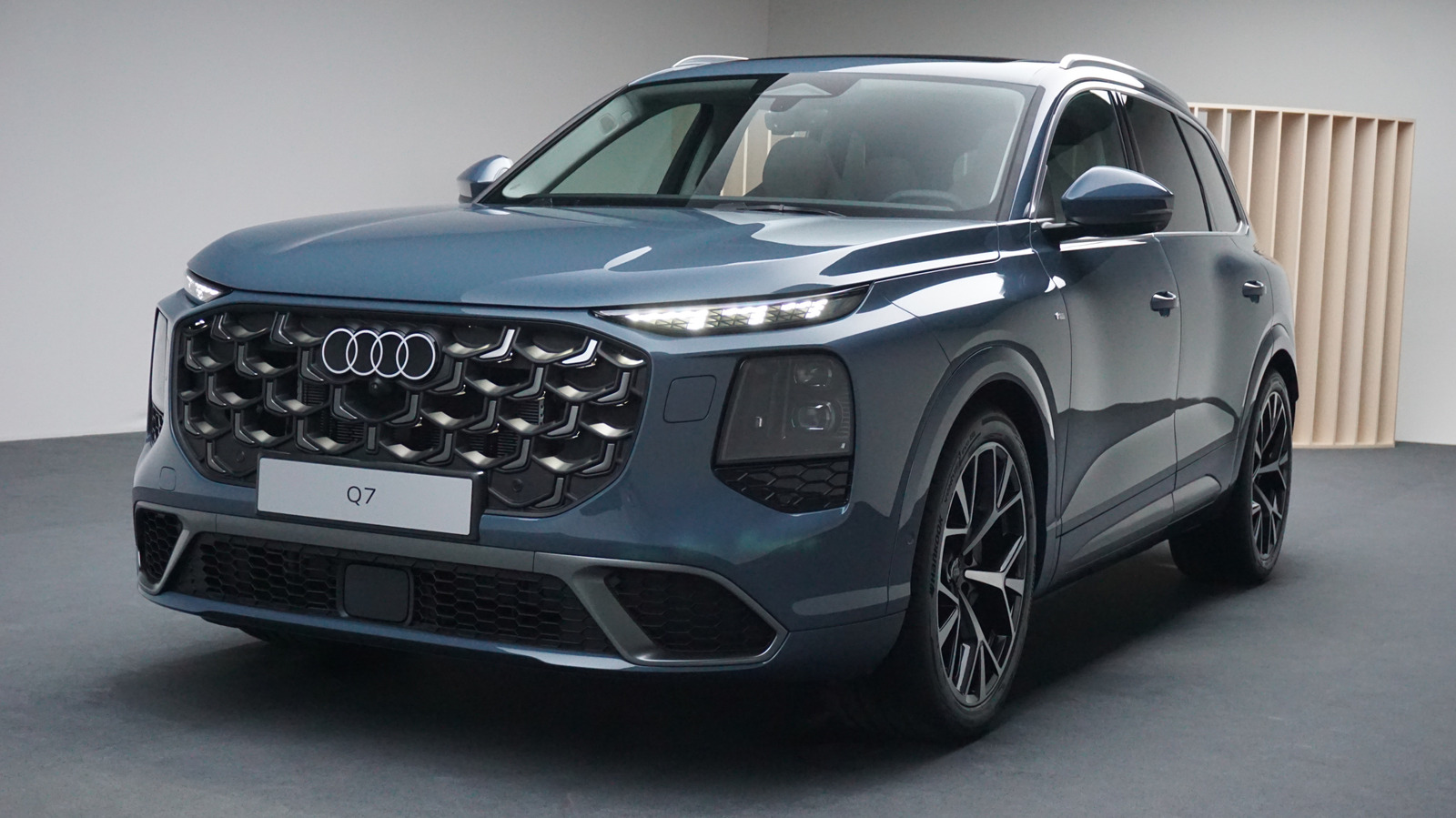
How Does the Third-Generation Q7 and SQ7 Address the Legacy of Delay?
The third-generation Q7 and SQ7 emerge not merely as routine updates, but as vehicles shaped by the weight of their own overdue arrival. For over a decade, the previous iteration lingered, its design and technology gradually eclipsed by both internal rivals and external disruptors. This protracted lifecycle—unusual in a segment defined by rapid innovation—has left the new models with a dual imperative: to restore competitive parity and to signal a recalibrated vision for the brand’s flagship SUV. The evidence suggests that these vehicles are less a continuation than a corrective, tasked with bridging a technological and experiential gap that had grown conspicuous.
What Mechanisms Underpin the Overhaul, and Are They Sufficient?
At the core of the overhaul lies a suite of design, engineering, and interface changes that, while substantial, must be interpreted within the context of their delayed deployment. The adoption of advanced lighting technology, for instance, is not simply a cosmetic flourish; it represents a belated alignment with safety and aesthetic standards that competitors have treated as table stakes for several years. Similarly, the integration of updated infotainment systems and driver-assistance features reflects an attempt to compress a decade’s worth of incremental progress into a single generational leap. Yet, methodological caution is warranted: while these upgrades are significant relative to the outgoing model, their novelty is less pronounced when juxtaposed with the current market landscape. The practical significance, therefore, is not in absolute innovation, but in the restoration of relevance.
Who Stands to Gain—or Lose—from This Generational Reset?
For existing owners, the arrival of the third-generation models may provoke a sense of vindication, or perhaps frustration, at having waited so long for features that competitors normalized years prior. Prospective buyers, especially those attuned to the nuances of luxury SUV differentiation, will likely perceive the new Q7 and SQ7 as finally meeting—rather than redefining—segment expectations. There is, however, a less visible constituency: dealers and brand advocates, whose ability to attract conquest customers has been hampered by the model’s aging platform. The new generation offers them a narrative of renewal, albeit one that must contend with the inertia of lost time. Conversely, there is a risk that the compressed leap forward may render the models susceptible to rapid obsolescence if the pace of competitor innovation accelerates further.
What Structural Limitations and Blind Spots Persist?
Despite the comprehensive nature of the update, certain structural limitations remain. The platform’s underlying architecture, while refreshed, may not fully accommodate the electrification strategies that are rapidly reshaping the premium SUV market. This raises questions about the long-term adaptability of the Q7 and SQ7, particularly as regulatory and consumer pressures intensify. Moreover, the focus on headline features—such as lighting and infotainment—may obscure subtler deficits in areas like ride quality, material sustainability, or digital ecosystem integration. The evidence here is fragmentary, but it suggests that the overhaul, while necessary, is not wholly sufficient to future-proof the model line.
What Interpretive Angle Best Captures the Stakes for Informed Readers?
The third-generation Q7 and SQ7 are best understood not as harbingers of a new era, but as vehicles negotiating the consequences of deferred renewal. Their significance lies in the attempt to compress a decade of missed opportunities into a single, coherent statement of relevance. For the informed reader, the core takeaway is not simply that these models are “better” than before—an uncontroversial claim—but that their very existence is a case study in the risks of strategic inertia within a hyper-competitive segment. The prudent observer will recognize both the necessity and the limitations of such a corrective, and may reasonably question whether the next generational leap will be defined by anticipation or, once again, by catch-up.