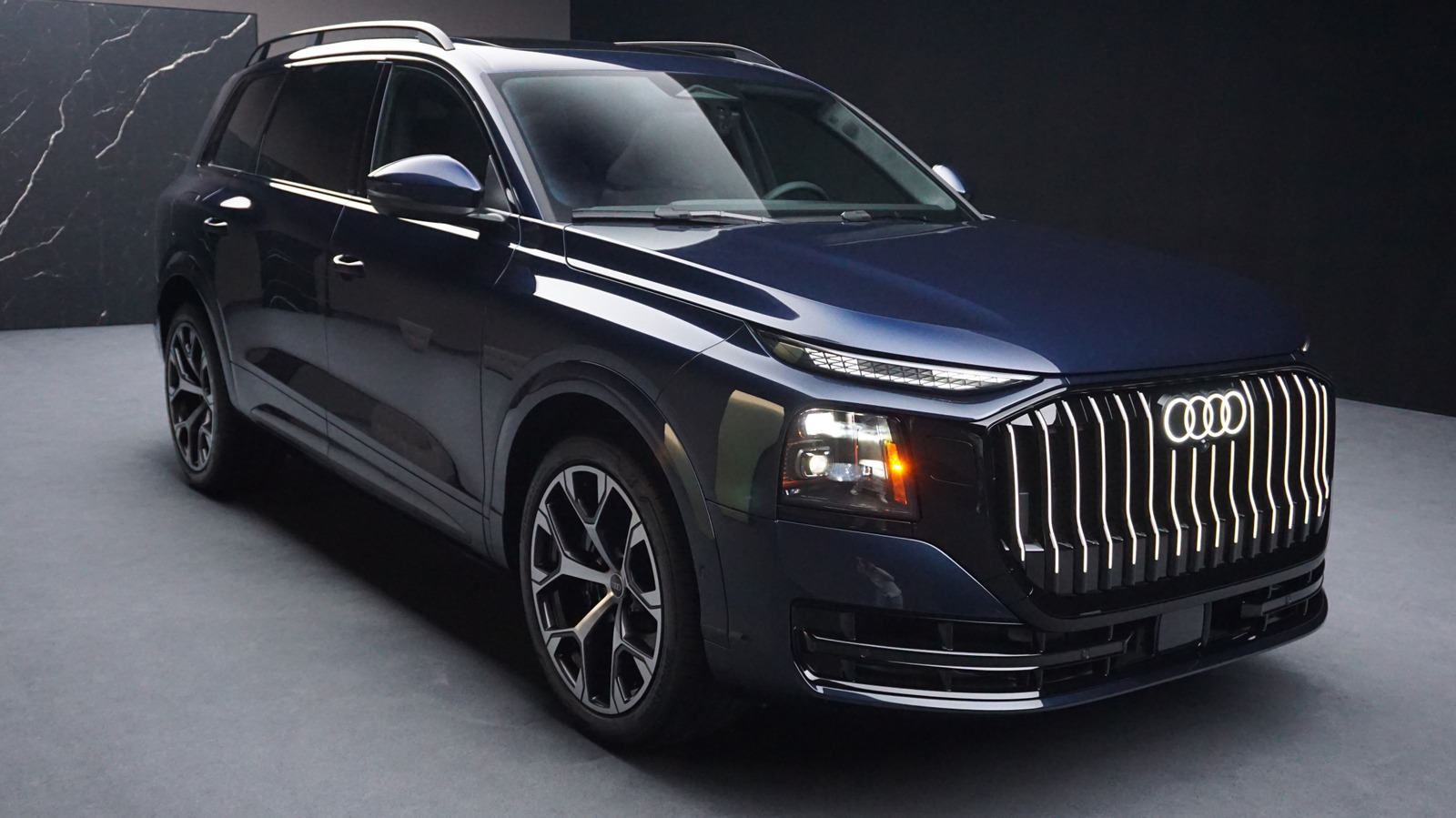
How the Audi Q9 Signals a Strategic Pivot in the Luxury SUV Segment
Audi’s introduction of the Q9, particularly in its V8-powered SQ9 configuration, marks a deliberate recalibration of its approach to the North American luxury SUV market. The evidence suggests that this move is less about technological innovation per se and more about a calculated response to the evolving expectations of affluent American consumers—specifically, those for whom scale, performance, and exclusivity remain paramount. By reserving the 591-horsepower SQ9 exclusively for the U.S., Audi is not simply expanding its product line; it is staking a claim in a segment where symbolic capital accrues to brands that can deliver both excess and distinction.
Why Exclusivity and Scale Matter in the U.S. Context
The decision to restrict the V8 SQ9 to the American market is not merely a nod to consumer preference but a recognition of the unique regulatory, cultural, and infrastructural conditions that make such a vehicle viable. In Europe and Asia, emissions standards and urban density have rendered large-displacement engines increasingly untenable, both politically and practically. The U.S., by contrast, continues to reward automotive excess—at least among a subset of buyers—through relatively lax fuel economy standards and a persistent cultural association between vehicle size and status. This divergence is not absolute; it is, however, sufficiently pronounced to justify Audi’s market-specific strategy.
The Core Mechanism: Performance as Differentiator, Not Necessity
What is at stake is not the raw utility of a three-row SUV—an attribute that competitors have long since commodified—but the ability to imbue that utility with a sense of occasion. The SQ9’s 591 horsepower is, in practical terms, superfluous for the vast majority of driving scenarios. Yet, under specific market conditions, such excess becomes a differentiator. It signals to buyers that they are not merely purchasing transportation but participating in a performance arms race that confers both social and psychological rewards. This interpretation remains contested, especially among critics who argue that such vehicles are environmentally regressive or out of step with broader mobility trends. Nonetheless, within the narrow confines of the U.S. luxury SUV segment, performance continues to function as a potent—if polarizing—signifier.
Structural Limitations and Blind Spots in Audi’s Approach
Audi’s gambit is not without risk. The Q9’s size and power may appeal to a lucrative demographic, but it also exposes the brand to shifting regulatory winds and the possibility of cultural backlash. Should fuel prices spike or emissions regulations tighten, the SQ9 could quickly become a stranded asset—an emblem of a bygone era rather than a harbinger of future luxury. Moreover, by doubling down on traditional markers of prestige, Audi may be underestimating the speed with which consumer values are evolving, particularly among younger, urban, and environmentally conscious buyers. The evidence on this front is mixed: while demand for large SUVs remains robust in the short term, longitudinal data suggest a gradual but persistent shift toward electrification and efficiency.
Second-Order Consequences and Unintended Effects
Perhaps the most intriguing aspect of the Q9’s launch is the way it may recalibrate competitive dynamics within the segment. By raising the stakes on performance and exclusivity, Audi forces rivals to either match its excess or pivot toward alternative value propositions—such as advanced driver assistance, electrification, or interior technology. This escalation could, paradoxically, accelerate the obsolescence of the very attributes Audi is now emphasizing, as regulatory and market pressures converge on the segment. For consumers, the practical significance of the SQ9 may therefore lie less in its immediate capabilities and more in its role as a bellwether for the tensions shaping the future of luxury mobility.
What Should an Informed Reader Conclude?
The launch of the Audi Q9, and especially the U.S.-exclusive SQ9, is best understood not as a simple product expansion but as a high-stakes wager on the persistence of traditional luxury values in a market undergoing gradual but inexorable change. The evidence does not support a categorical judgment about the long-term viability of this strategy; rather, it invites skepticism about the durability of excess as a selling point in an era increasingly defined by constraint. For stakeholders—whether consumers, regulators, or competitors—the Q9 serves as both an artifact of current tastes and a test case for the limits of automotive indulgence in a rapidly evolving landscape.