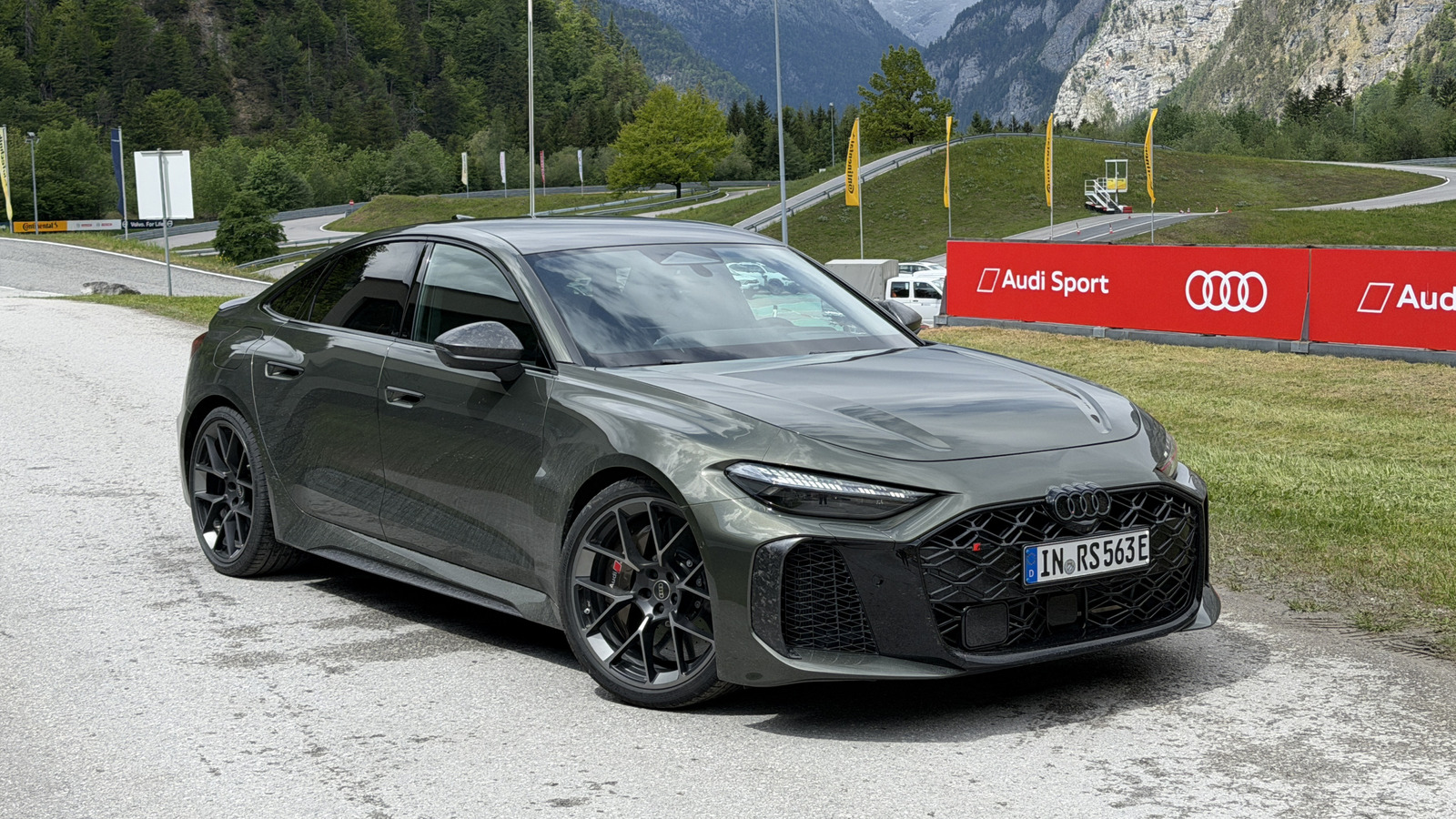
How Does the 630-HP Plug-In Hybrid System Transform the RS5’s Performance Identity?
The 2027 RS5’s adoption of a 630-horsepower plug-in hybrid system signals a deliberate shift in the car’s performance philosophy, one that transcends mere power augmentation. While headline figures of horsepower often serve as shorthand for capability, the integration of electrification into the RS5’s drivetrain introduces a more nuanced dynamic: the instantaneous torque delivery of electric motors, when paired with a high-output combustion engine, fundamentally alters the car’s responsiveness and tractability across a wider range of driving conditions. This hybrid system, however, is not simply an exercise in engineering bravado. Rather, it reflects a broader industry imperative—balancing regulatory pressures for emissions reduction with the preservation (or even enhancement) of enthusiast appeal. The evidence suggests that, under specific conditions, the hybrid RS5 delivers a more versatile and engaging driving experience than its purely internal-combustion predecessor, particularly in urban and stop-start environments where electric propulsion excels. Yet, the long-term durability and real-world efficiency of such high-output hybrid systems remain contested, with early adopters often serving as de facto beta testers for technologies that may not yet have reached full maturity.
What Role Does the Electromechanical Torque-Vectoring Differential Play in Shaping Driving Dynamics?
The introduction of an electromechanical torque-vectoring differential represents more than a technical footnote; it is a decisive intervention in the RS5’s handling character. Traditional mechanical differentials, while effective within their operational envelope, are inherently reactive and limited by physical constraints. By contrast, an electromechanical system can proactively distribute torque between the rear wheels with far greater precision and speed, enabling not just improved traction but also a more playful, adjustable chassis balance. This capability, however, is not universally beneficial. For drivers seeking predictability and analog feedback, the interventionist nature of such systems can introduce a layer of abstraction, distancing the driver from the raw mechanical connection that purists often valorize. Nevertheless, for the majority of users—particularly those encountering variable road conditions or seeking to exploit the car’s performance envelope without specialist training—the practical benefits of enhanced stability and cornering agility are difficult to dismiss. The trade-off, then, is not between good and bad, but between different philosophies of engagement.
Why Does This Redesign Matter Beyond the Realm of Performance Enthusiasts?
At first glance, the RS5’s transformation might appear to cater exclusively to the performance-minded minority. Yet, the implications ripple outward. The migration of advanced hybrid and torque-vectoring technologies from flagship models into more accessible segments is a well-established pattern in automotive development. What begins as a high-cost, low-volume experiment often becomes the template for mass-market offerings within a decade. The RS5 thus serves as a bellwether for the direction of performance motoring under tightening environmental constraints. Moreover, the hybridization of such vehicles complicates the traditional dichotomy between efficiency and excitement, suggesting a future in which these qualities are not mutually exclusive. However, this synthesis is not without its structural limitations: the added weight and complexity of hybrid systems can erode some of the gains in agility and simplicity that defined earlier generations. Consumers, regulators, and manufacturers alike must grapple with the second-order consequences—ranging from lifecycle emissions accounting to the accessibility of maintenance and repair.
Who Benefits—and Who Is Left Behind—by the RS5’s New Technological Paradigm?
The most obvious beneficiaries are affluent early adopters, for whom the RS5’s blend of power, efficiency, and technological sophistication represents a compelling proposition. Yet, less visible are the downstream effects on secondary markets and independent service providers, who may find themselves excluded by proprietary systems and the escalating cost of specialized diagnostics. There is also a generational divide at play: younger consumers, socialized into a world of digital interfaces and electrified mobility, may find the RS5’s hybridization seamless, even inevitable. By contrast, traditionalists—whose loyalty was forged in the era of naturally aspirated engines and mechanical limited-slip differentials—may regard the new RS5 as emblematic of a broader loss: the retreat of mechanical purity in favor of algorithmic mediation. The evidence does not decisively favor either camp; rather, it underscores the pluralism of contemporary automotive culture.
What Should an Informed Reader Conclude About the RS5’s Redesign?
The redesigned RS5, with its 630-horsepower plug-in hybrid system and electromechanical torque-vectoring differential, embodies both the promise and the ambiguity of the current automotive transition. While the car delivers measurable gains in performance and versatility, these advances are inseparable from new complexities and trade-offs. The informed reader should resist simplistic narratives of progress or decline. Instead, the RS5 invites a more layered judgment: it is at once a showcase of technical ingenuity, a harbinger of broader industry trends, and a site of cultural negotiation between past and future. The prudent course is neither uncritical embrace nor reflexive skepticism, but rather a watchful engagement with the evolving terms of automotive excellence.