How Over-the-Air Updates Are Reframing the Relationship Between Drivers and Automakers
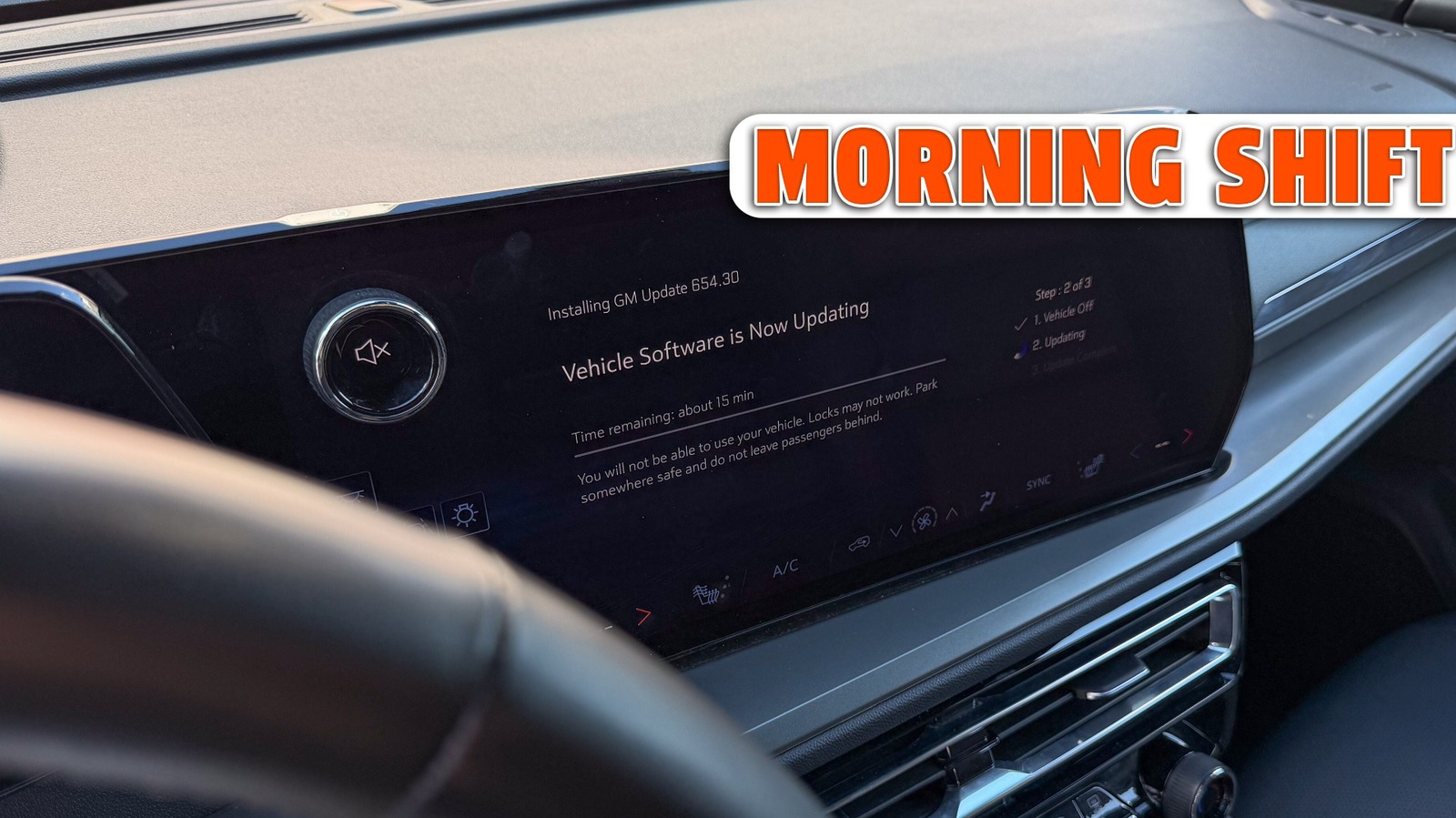
The proliferation of over-the-air (OTA) software updates in the automotive sector signals a profound shift in the locus of control over vehicle functionality. No longer are cars static artifacts, frozen in their capabilities at the moment of purchase. Instead, they are increasingly dynamic platforms, subject to remote modification, enhancement, or even restriction. This transformation, while often framed as a straightforward technological upgrade, raises intricate questions about agency, ownership, and the evolving nature of consumer expectation.
What Mechanisms Enable Cars to Receive Updates Remotely?
At the heart of OTA updates lies a convergence of embedded connectivity, modular software architectures, and robust cybersecurity protocols. Automakers now routinely equip vehicles with cellular or Wi-Fi modules, allowing them to communicate with centralized servers. Through this infrastructure, manufacturers can deploy patches, feature enhancements, or diagnostic tools directly to the car’s onboard systems. Yet, the reliability of these mechanisms is not absolute. Connectivity gaps, hardware incompatibilities, and the sheer heterogeneity of vehicle fleets introduce friction. The evidence suggests that while flagship models from certain manufacturers receive seamless, frequent updates, older or lower-tier vehicles may lag, creating a bifurcated landscape of digital equity on the road.
Why Does the Shift to OTA Updates Matter Beyond Convenience?
Superficially, OTA updates promise convenience and safety—recalls can be addressed without dealership visits, and new features can materialize overnight. However, the deeper significance lies in the redistribution of power between automakers and drivers. When a car’s core functions are subject to remote modification, the traditional boundaries of ownership blur. The manufacturer retains a persistent, if latent, influence over the vehicle’s behavior. This dynamic introduces both opportunities and vulnerabilities. For instance, security flaws can be patched rapidly, but the same channel could, under certain conditions, be used to enforce subscription models or disable features post-sale. The practical significance of this shift is not merely technical; it is regulatory, economic, and psychological.
Who Benefits—and Who Risks Marginalization—in the New Paradigm?
Early adopters and urban drivers, whose vehicles are most likely to be equipped for OTA updates and whose environments support reliable connectivity, stand to benefit disproportionately. Conversely, rural drivers, owners of older models, or those with limited digital literacy may find themselves excluded from the full suite of improvements. This digital divide is not merely a matter of convenience; it may, over time, translate into disparities in safety, resale value, and even regulatory compliance. The evidence remains mixed on whether automakers will prioritize backward compatibility or focus resources on their most lucrative, connected models. Structural limitations—such as legacy hardware and fragmented regulatory oversight—further complicate the prospect of universal access.
What Blind Spots and Second-Order Consequences Are Emerging?
Mainstream narratives often celebrate OTA updates as an unalloyed good, yet this optimism may obscure emerging risks. The centralization of software control creates new attack surfaces for cyber threats, as well as potential vectors for surveillance or data monetization. Moreover, the normalization of post-sale feature activation—sometimes for additional fees—raises questions about the commodification of functionality. If a heated seat or advanced driver-assist system can be toggled on or off remotely, what, precisely, is the consumer purchasing at the outset? The interpretive challenge here is not merely technical but philosophical: the car is no longer a product, but a service, perpetually mediated by the manufacturer.
What Judgment Should the Informed Reader Draw?
For consumers, the allure of a car that improves over time must be weighed against the erosion of traditional ownership rights and the potential for exclusion or exploitation. For regulators and advocates, the challenge is to ensure that the benefits of OTA updates are distributed equitably, without ceding unchecked power to manufacturers. The evidence suggests that, under current conditions, the promise of OTA updates is real but unevenly realized, and the long-term consequences—positive and negative—remain in flux. An informed reader would do well to approach the rhetoric of seamless digital transformation with both curiosity and skepticism, recognizing that the most consequential changes are often those that unfold quietly, in the background, long after the initial sale.