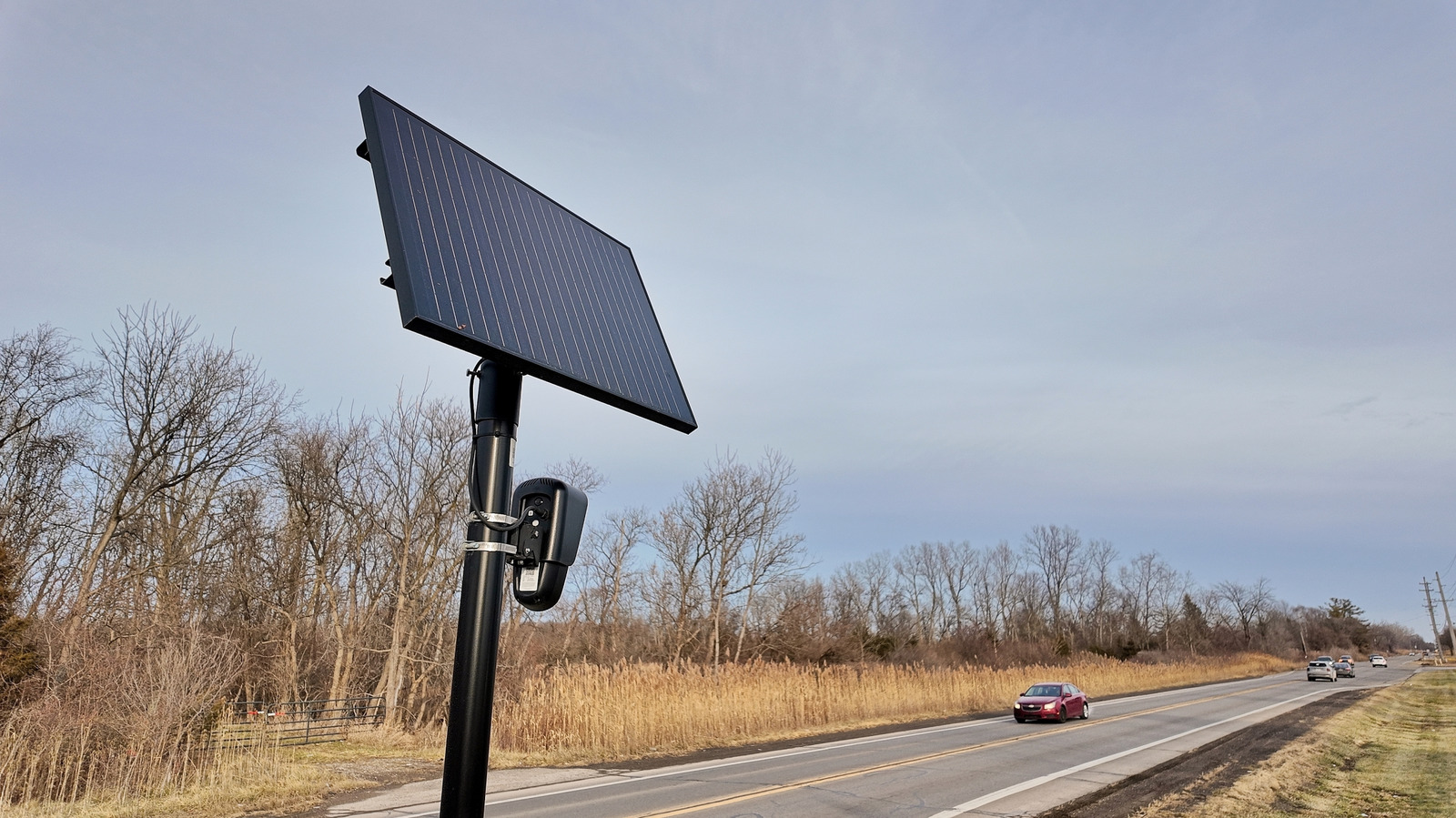
How Automated Surveillance Alters the Calculus of Policing Encounters
The increasing deployment of automated license plate readers (ALPRs) has transformed the dynamics of traffic stops, introducing a layer of algorithmic mediation between civilians and law enforcement. In the incident referenced, Plymouth police relayed to a couple that, had their stop occurred in Minneapolis, officers would “definitely would’ve come at you with guns drawn.” This assertion, while anecdotal, signals a broader shift: algorithmic suspicion—generated by systems like ALPRs—can escalate routine encounters into potentially volatile confrontations, especially in jurisdictions where departmental policy or local context primes officers for high-alert responses.
The core mechanism at stake is the transfer of initial suspicion from human discretion to machine-generated alerts. While proponents argue that ALPRs enhance efficiency and objectivity, the evidence suggests these systems can amplify false positives, particularly when databases are outdated or when vehicles are misidentified. The downstream effect is not merely administrative inconvenience but a tangible elevation in risk for civilians, who may find themselves subject to aggressive tactics based on erroneous data. The assertion that a different jurisdiction would have responded with drawn weapons is not merely a hypothetical; it reflects a real divergence in departmental protocols and risk tolerance, shaped by local crime rates, recent incidents, and community-police relations.
Why Jurisdictional Context Shapes the Stakes of Automated Alerts
The claim that Minneapolis officers would have responded more aggressively than their Plymouth counterparts cannot be dismissed as idle speculation. Urban police departments, particularly those in cities with recent histories of high-profile incidents, often operate under heightened alertness. This posture is both a product of institutional memory and a response to public scrutiny. In such environments, an ALPR hit—flagging a vehicle as stolen or wanted—can trigger a cascade of tactical decisions, including the drawing of firearms, regardless of the actual threat posed by the occupants.
However, this interpretation remains contested. Some analysts argue that the presence of body cameras and increased oversight in major cities has, in some cases, moderated officer behavior. Yet, the practical significance of this moderation is difficult to quantify, given the opacity of internal policy and the variability of individual officer discretion. What is clear is that the intersection of automated suspicion and jurisdictional culture produces a spectrum of outcomes, ranging from routine stops to high-risk confrontations.
Unintended Consequences and Overlooked Populations
While much of the discourse focuses on the direct targets of ALPR-generated stops, the ripple effects extend further. Communities with higher concentrations of older vehicles, rental cars, or out-of-state plates are disproportionately flagged by these systems, introducing a structural bias that is rarely acknowledged in policy debates. Moreover, the psychological toll on civilians—who may be unaware of any reason for suspicion—remains underexplored. The threat of escalation, even if unrealized, can erode trust in law enforcement and deter cooperation in future interactions.
There is also a second-order consequence: as officers become increasingly reliant on automated alerts, their capacity for independent judgment may atrophy. This dynamic, while difficult to measure, raises concerns about the deskilling of frontline personnel and the potential for overreliance on imperfect data streams.
Navigating the Trade-offs: What Should Informed Readers Infer?
The evidence does not support a simplistic indictment or endorsement of ALPR technology. Rather, it underscores the necessity of context-sensitive policy and the dangers of one-size-fits-all protocols. For readers seeking actionable insight, the imperative is twofold. First, demand transparency regarding the error rates and data sources that underpin automated alerts. Second, advocate for differentiated response protocols that calibrate officer tactics to the actual risk profile, rather than the mere presence of a machine-generated flag.
Ultimately, the episode described is not an isolated anomaly but a symptom of a broader tension: as policing becomes more technologically mediated, the stakes of error—and the asymmetry of risk—grow more acute. The challenge is not simply to refine the tools, but to ensure that their deployment does not outpace the institutional capacity for critical oversight and humane judgment.