How the Complexity of Early Automobile Manufacturing Illuminates Industrial Evolution
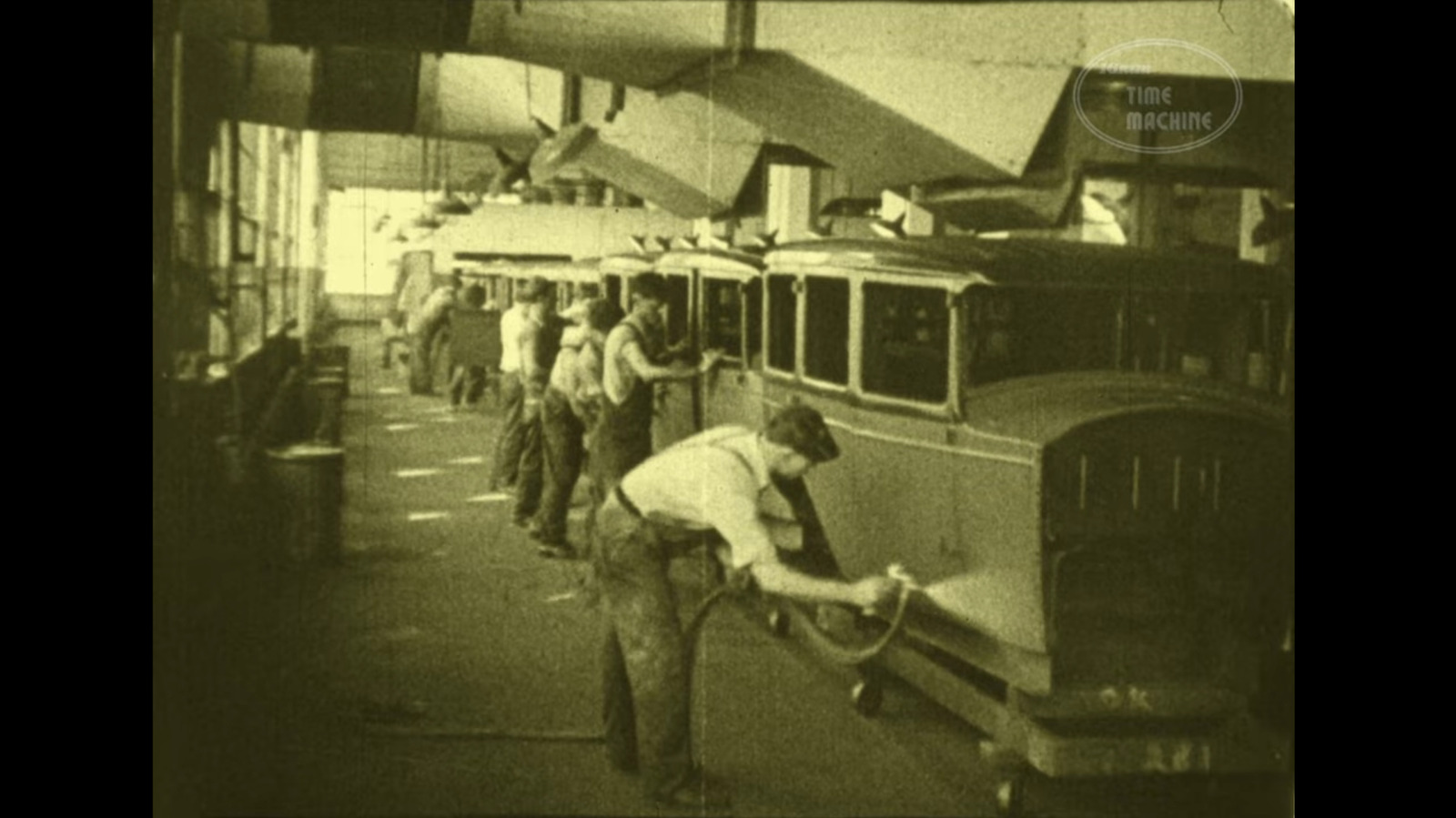
The visual documentation of early automobile assembly, with its unvarnished depiction of labor and material interplay, offers more than nostalgia—it exposes the intricate choreography underpinning industrial progress. Rather than a seamless, monolithic process, the making of a car nearly a century ago emerges as a patchwork of specialized crafts, raw materials, and human improvisation. This complexity, often romanticized in retrospect, in fact reveals the precarious balance between innovation and risk that defined the era’s manufacturing ethos.
What Mechanisms Drove the Proliferation of Varied Materials and Skills?
At the heart of early automotive production lay a dependence on diverse materials—steel, rubber, glass, leather, and wood—each sourced, shaped, and assembled by distinct trades. The evidence suggests that this multiplicity was not merely a function of technological limitation but a strategic response to the absence of standardized supply chains and automation. Without the benefit of modern logistics or quality control, manufacturers hedged against shortages and defects by cultivating redundancy in both materials and skillsets. This approach, while inefficient by contemporary standards, fostered a resilience that allowed the industry to weather shocks—economic, material, or regulatory.
Why Does This Layered Complexity Matter for Understanding Industrial Labor?
The labor captured in these early assembly lines was not interchangeable. Each worker’s expertise—whether in forging, upholstery, or electrical wiring—constituted a node in a fragile network. Under specific conditions, such as labor unrest or material scarcity, the entire system could grind to a halt. This stands in stark contrast to later, more automated paradigms, where the deskilling of labor and the homogenization of parts rendered individual workers less central, but also more expendable. The video’s implicit argument, then, is not simply about the romance of craft, but about the structural vulnerability and adaptability of early industrial systems.
Who Remains Unseen in the Conventional Narrative of Automotive Progress?
Mainstream accounts often foreground inventors and capitalists, relegating the labor force to the background. Yet, the archival footage foregrounds the embodied knowledge and improvisational skill of workers—many of whom, historical records suggest, were recent immigrants or members of marginalized groups. Their contributions, while foundational, remain under-acknowledged in most retellings. This omission is not merely a matter of historical justice; it distorts our understanding of how technological change actually occurs. Innovations in process and material often originated on the shop floor, not in the boardroom.
What Are the Blind Spots and Second-Order Consequences of Industrial Nostalgia?
The allure of early manufacturing imagery risks obscuring the profound hazards and inequities embedded in these processes. The absence of modern safety standards—visible in the lack of protective equipment and the ad hoc nature of many tasks—resulted in injury rates that would be unacceptable by contemporary norms. Moreover, the environmental costs of such material-intensive production, while less visible in the footage, were significant and largely externalized. To valorize this era without reckoning with its costs is to perpetuate a selective memory that privileges aesthetic fascination over critical appraisal.
What Should an Informed Reader Infer About Industrial Change and Its Legacies?
The historical record, as mediated through such visual artifacts, counsels skepticism toward narratives of linear progress. The enchantment of early automotive assembly lies not in its inefficiency or danger, but in its capacity to reveal the contingent, negotiated character of technological systems. For policymakers, business leaders, and citizens alike, the lesson is clear: genuine innovation emerges not from the smooth functioning of systems, but from their friction points—the places where material, skill, and improvisation collide. Recognizing this complexity is essential for any serious reckoning with the promises and perils of industrial transformation.