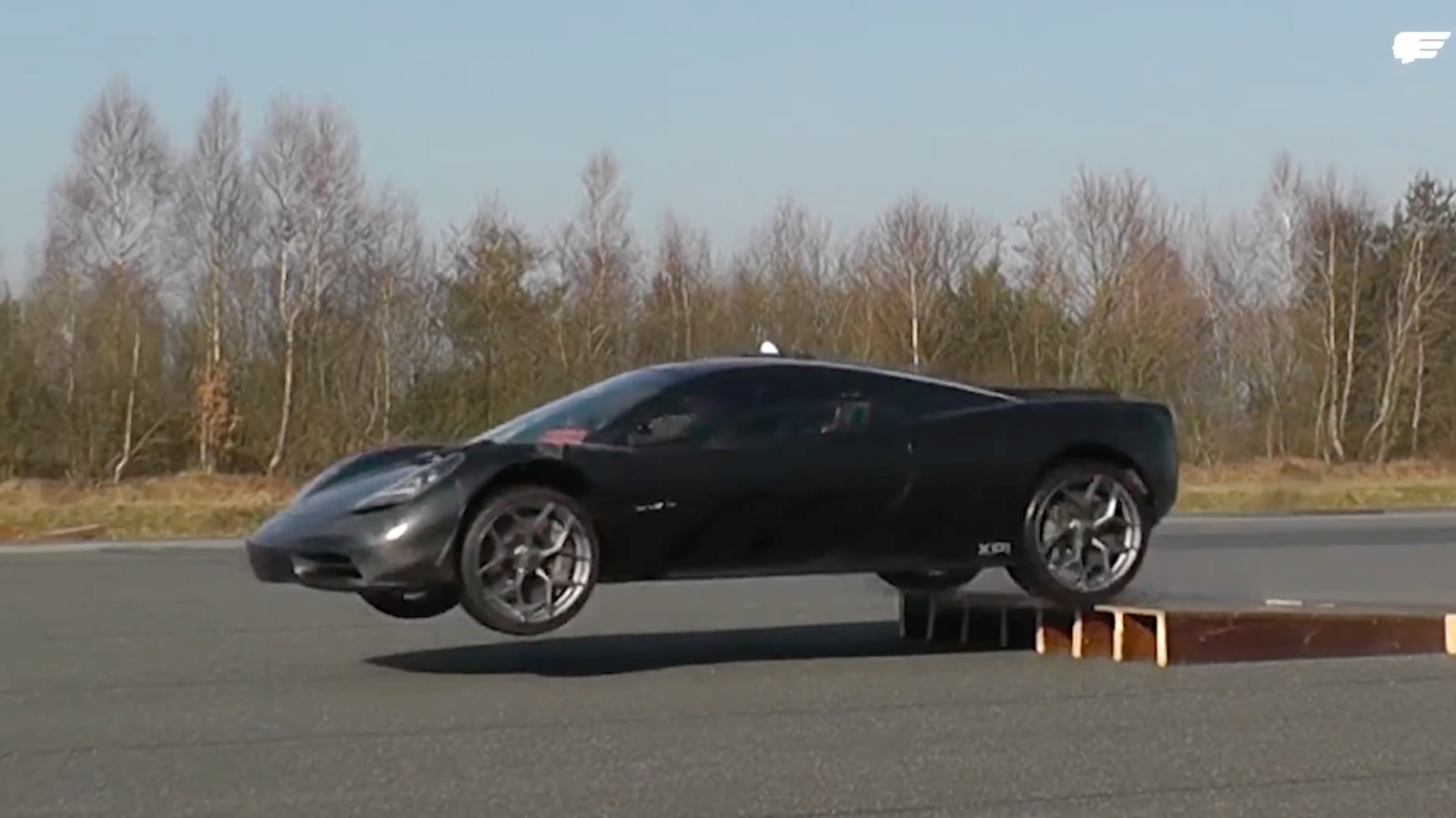
How Do Automakers Assess Durability Before Cars Reach Consumers?
Automotive durability testing, though often shrouded in technical jargon and marketing gloss, operates as the industry’s principal mechanism for translating engineering intent into real-world reliability. Manufacturers subject their vehicles to a battery of controlled stressors—thermal cycling, vibration, corrosion baths, high-mileage simulations—each designed to approximate, but never fully replicate, the unpredictable rigors of daily use. The evidence suggests that while these protocols are increasingly sophisticated, they remain bounded by the assumptions and priorities of their designers. For instance, accelerated aging chambers can expose flaws in materials or assembly, yet they cannot anticipate every idiosyncratic failure mode that emerges from the chaotic interplay of climate, driver behavior, and maintenance neglect.
Why Does Durability Testing Matter Beyond Technical Assurance?
The stakes of durability testing extend far beyond the avoidance of warranty claims. At its core, this process functions as a trust-building exercise between manufacturer and consumer, one that underwrites the broader social contract of mobility. When a vehicle fails prematurely, the repercussions ripple outward: diminished brand equity, regulatory scrutiny, and—most consequentially—erosion of public confidence in technological progress. Yet, the practical significance of these tests is often mediated by economic imperatives. Under cost and time pressures, manufacturers may calibrate testing thresholds to meet, rather than exceed, minimum regulatory or market expectations. This introduces a persistent tension: the pursuit of competitive differentiation through reliability, versus the temptation to economize on validation in the race to market.
Who Is Most Affected by the Structural Limits of Durability Testing?
While the ostensible beneficiaries of durability testing are end-users, the distribution of risk and reward is uneven. Urban commuters, whose driving environments are relatively benign, may rarely encounter the outer limits of a vehicle’s engineered resilience. By contrast, rural or fleet operators—exposed to harsher conditions and higher duty cycles—bear disproportionate consequences when testing protocols fail to capture edge-case scenarios. Furthermore, the evidence indicates that demographic and geographic anomalies often go underrepresented in standardized test cycles, a blind spot that can manifest as premature failures in specific markets or use cases. This asymmetry is not merely academic; it shapes patterns of consumer advocacy, regulatory intervention, and ultimately, the evolution of automotive design priorities.
What Are the Blind Spots and Second-Order Consequences of Current Practices?
Mainstream narratives tend to valorize durability testing as a guarantor of safety and reliability, yet this interpretation remains incomplete. The methodological boundaries of laboratory tests—controlled variables, repeatable conditions, and finite time horizons—inevitably exclude the full spectrum of real-world complexity. Moreover, vested interests within the industry may discourage the disclosure of negative outcomes or the adoption of more stringent protocols that could delay product launches. The second-order consequences are subtle but profound: a gradual narrowing of consumer expectations, normalization of minor failures, and the entrenchment of a compliance-driven rather than innovation-driven ethos in automotive engineering.
What Should an Informed Reader Conclude?
For the discerning observer, the core insight is not that durability testing is inadequate, but that its adequacy is always contingent—shaped by evolving technologies, market pressures, and the unpredictable ingenuity of human users. Skepticism toward one-size-fits-all assurances is warranted. Informed consumers and policymakers alike should demand greater transparency regarding the scope and limitations of these tests, and advocate for validation regimes that reflect the diversity of real-world experience. Only then can durability testing fulfill its latent promise: not merely to prevent failure, but to foster a culture of continuous improvement in the machines that move us.