How Far Can Computerization in Automobiles Go—And Should It?
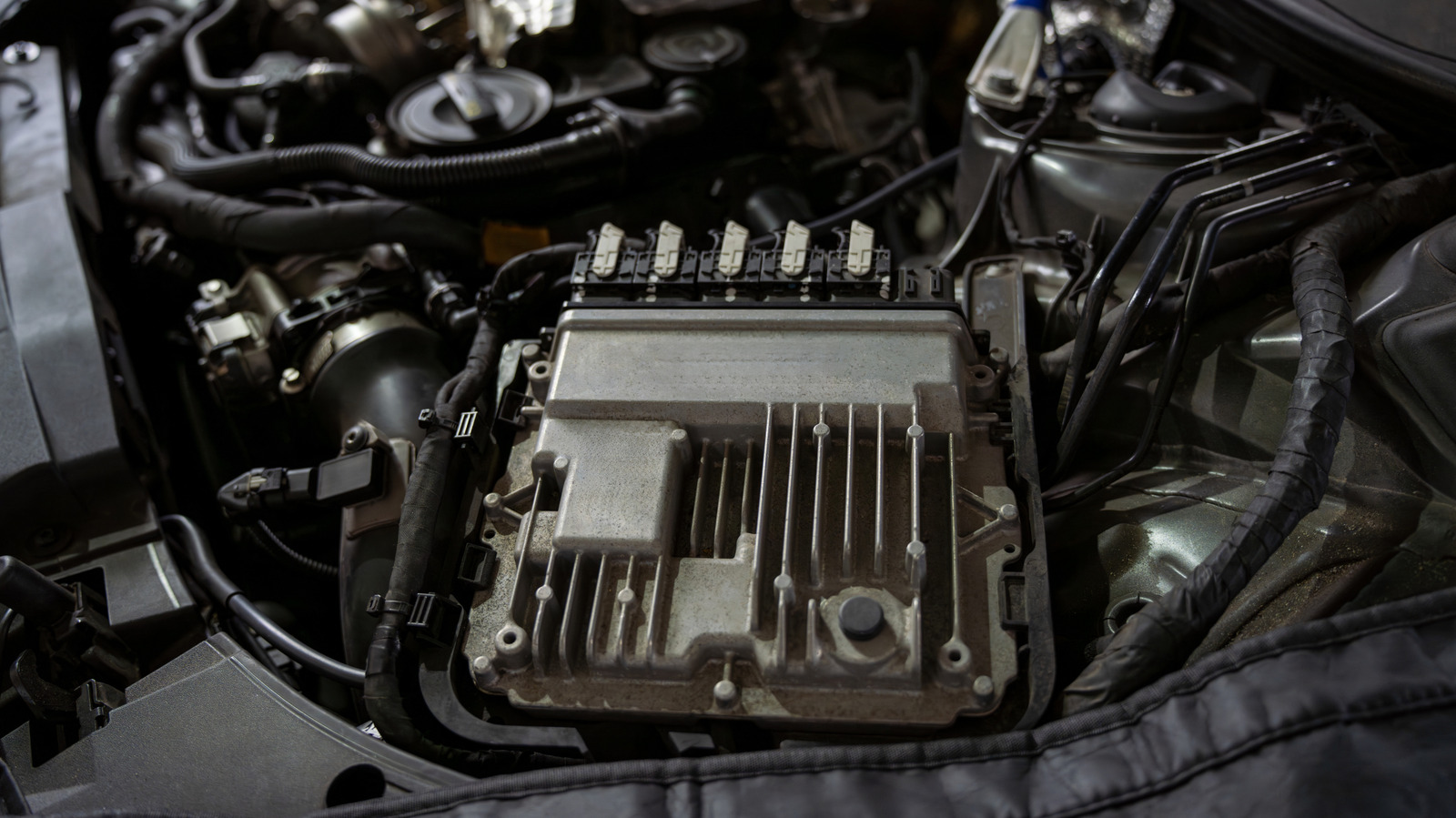
The relentless march toward computer-controlled automotive functions is not merely a matter of technical feasibility; it is a contest over the locus of agency in mobility. While the industry narrative frames this as inevitable progress, the underlying mechanism is a transfer of decision-making from driver to algorithm, from mechanical intuition to digital abstraction. The evidence suggests that, under specific conditions, computerization can enhance safety and efficiency—adaptive cruise control and automatic emergency braking, for instance, demonstrably reduce certain accident types. Yet, the scope of this benefit is bounded by the reliability of sensors, the quality of code, and the capacity for meaningful human override. When every subsystem, from throttle response to climate control, is mediated by software, the car becomes less an extension of the driver’s will and more a node in a networked ecosystem, susceptible to both innovation and systemic failure.
Who Gains and Who Loses in the Shift to Software-Defined Vehicles?
The distribution of benefits and risks in this transformation is uneven, often in ways that escape mainstream commentary. Manufacturers, by embedding proprietary code, gain leverage over repair markets and data streams, consolidating revenue and control. Consumers, meanwhile, may experience both convenience and constraint: over-the-air updates can fix bugs or add features, but they can also revoke functionality or introduce new vulnerabilities without consent. For independent mechanics and aftermarket innovators, the proliferation of encrypted systems represents a structural barrier, effectively narrowing the space for competition and user autonomy. The regulatory apparatus, typically reactive rather than anticipatory, struggles to keep pace with the shifting terrain of liability and privacy. The result is a landscape where power accrues to those who write the code and own the data, not necessarily those who drive the cars.
Are There Hidden Costs to Ubiquitous Computerization?
Beyond the visible trade-offs of convenience versus control, a subtler set of costs emerges. The complexity of modern automotive software stacks—often comprising millions of lines of code—renders comprehensive testing and verification practically impossible. This introduces a latent risk: rare but catastrophic failures that defy easy diagnosis or remediation. Furthermore, the opacity of algorithmic decision-making complicates accountability when errors occur. Insurance frameworks, legal doctrines, and even cultural norms around driving responsibility are destabilized by the diffusion of agency between human and machine. In this context, the mainstream focus on user-facing features misses the deeper question: what does it mean to trust a system whose logic is, by design, inscrutable to its users?
What Should Guide the Next Phase of Automotive Digitalization?
If the trajectory toward computer-controlled vehicles is not to become an end in itself, a more nuanced standard of progress is required. The evidence does not support blanket resistance to digitalization—certain interventions, judiciously applied, save lives and reduce emissions. Yet, the presumption that every function is best rendered as code is increasingly untenable. A more defensible approach would weigh the marginal utility of computerization against its attendant risks, privileging transparency, user agency, and modularity. This would entail not only technical safeguards—such as fail-safe architectures and open standards—but also institutional reforms: robust right-to-repair laws, meaningful user consent protocols, and regulatory oversight attuned to the realities of software-mediated mobility. For the informed reader, the imperative is clear: demand not just smarter cars, but smarter governance of the systems that now shape how—and whether—we drive.