What Drives the Persistence of Unpopular Automotive Trends?
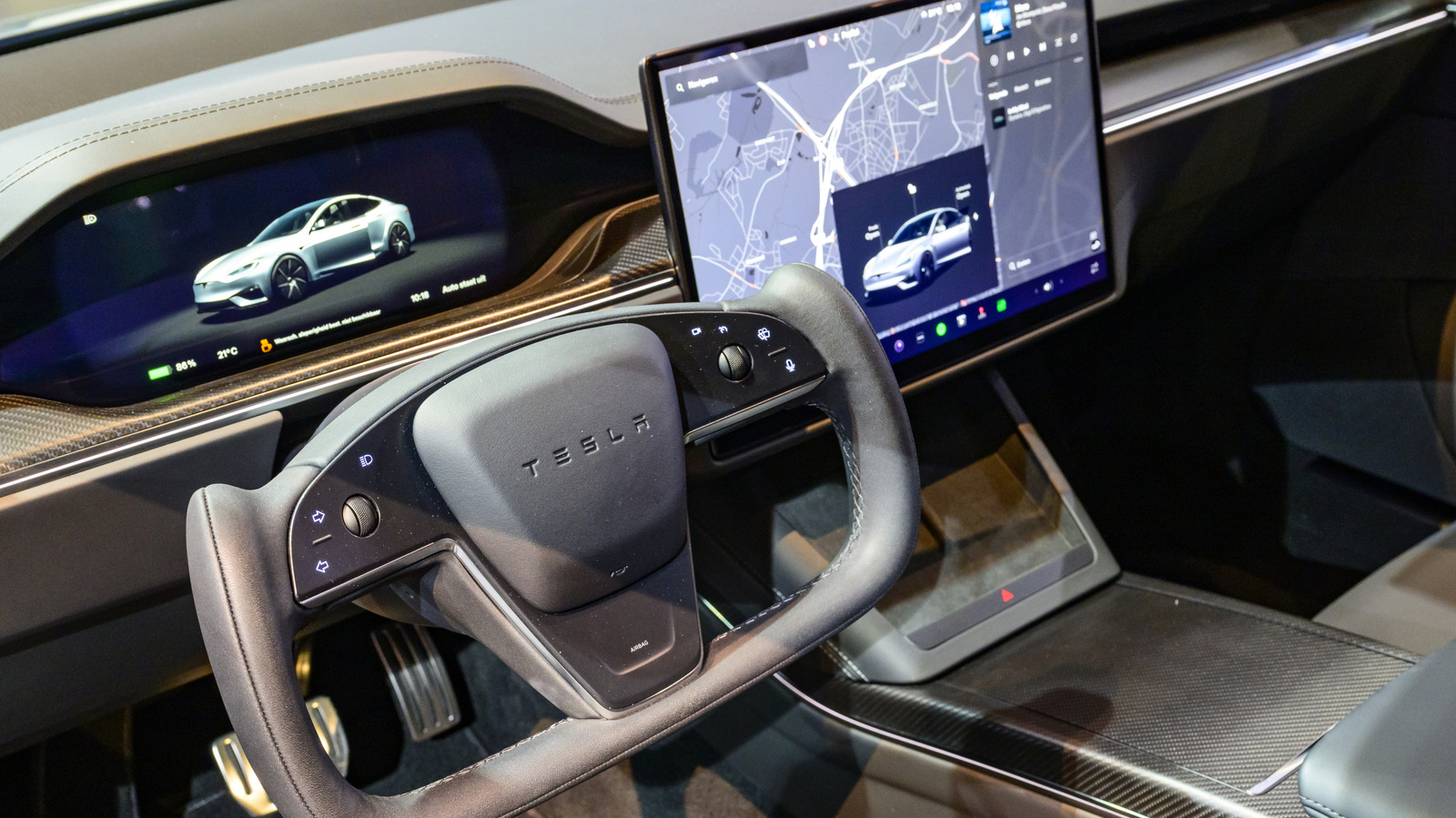
The endurance of automotive trends widely regarded as undesirable by consumers presents a paradox that resists facile explanation. While market logic would suggest that negative feedback—whether voiced through sales data, online forums, or industry surveys—should prompt manufacturers to recalibrate their offerings, the evidence suggests a more complex interplay of incentives and constraints. For example, the proliferation of oversized grilles, touch-sensitive controls, and excessive digitalization in vehicle cabins persists despite vocal consumer skepticism. This persistence cannot be attributed solely to inertia or ignorance within the industry. Rather, it reflects a convergence of regulatory pressures, cost optimization strategies, and the signaling value of novelty in a hyper-competitive market.
The Role of Regulatory and Economic Pressures in Shaping Design Choices
Regulatory frameworks, particularly those governing emissions and pedestrian safety, have exerted a subtle but profound influence on automotive design. The rise of high beltlines and thick roof pillars, often criticized for reducing outward visibility, can be traced to crash safety standards that prioritize occupant protection. Similarly, the shift toward turbocharged small-displacement engines—frequently lamented for their lack of character or reliability—emerges from the imperative to meet stringent fuel economy targets. These design choices, while unpopular among certain segments of enthusiasts, are not arbitrary; they are the product of a regulatory environment that privileges quantifiable safety and efficiency metrics over subjective driving pleasure.
Economic considerations further complicate the landscape. The adoption of modular platforms and shared components enables manufacturers to achieve economies of scale, but it also fosters a homogenization of driving experience and aesthetic identity. Touchscreen interfaces, for instance, are not merely a stylistic indulgence; they reduce manufacturing complexity by consolidating controls and minimizing physical hardware. Yet, this rationalization comes at the cost of tactile feedback and ergonomic intuitiveness—trade-offs that disproportionately affect older drivers and those with accessibility needs, a demographic often overlooked in mainstream discourse.
Why Consumer Backlash Rarely Alters the Trajectory of Automotive Innovation
A persistent question emerges: if these trends are so widely derided, why do they endure? The answer lies in the structural asymmetry between consumer preferences and industry incentives. While vocal enthusiasts and early adopters may decry certain features, the broader car-buying public often exhibits inertia or adapts to new norms over time. Moreover, the feedback loop between consumer dissatisfaction and corporate decision-making is attenuated by long product cycles and the sunk costs of platform development. Even when negative sentiment is registered, it may be discounted as unrepresentative of the mass market or as a temporary reaction to unfamiliarity.
There is also a signaling function at play. Automakers, in their pursuit of differentiation, may embrace polarizing design elements precisely because they generate discussion and brand recognition. The evidence here is mixed: while some controversial features are quietly retired after a single generation, others become normalized through sheer ubiquity. The boundary between innovation and miscalculation is porous, and only retrospectively does consensus emerge about which trends were genuinely misguided.
Who Bears the Hidden Costs of Unpopular Automotive Trends?
The distributional consequences of these trends are uneven. While affluent consumers can often opt for higher trims or aftermarket modifications to mitigate design annoyances, budget-conscious buyers are left with fewer choices. Additionally, the shift toward digital interfaces and automated systems raises concerns about repairability and long-term durability—issues that disproportionately affect owners in secondary markets or regions with limited access to specialized service.
There is also a generational dimension. Younger drivers, socialized into a digital-first environment, may be less perturbed by the loss of analog controls, while older drivers experience a tangible erosion of usability. This intergenerational divergence complicates the narrative of universal backlash and suggests that what is framed as a “worst trend” may, in fact, be a site of contested values and shifting expectations.
What Should an Informed Observer Conclude About the Future of Automotive Design?
The evidence does not support a simplistic narrative of industry indifference or consumer impotence. Rather, the persistence of unpopular automotive trends reflects a dynamic equilibrium shaped by regulatory mandates, economic rationality, and the ambiguous signals of consumer feedback. For those seeking to influence the trajectory of automotive design, the lesson is clear: effective advocacy must grapple with the structural constraints facing manufacturers and articulate alternatives that align with both regulatory imperatives and genuine user needs. Absent such engagement, the cycle of complaint and incremental adjustment is likely to persist—less a sign of dysfunction than an index of the complex, often contradictory forces that shape the modern automobile.