How Does the Bizzarrini 5300 Aperta Lusso Reframe the Relationship Between Heritage and Innovation?
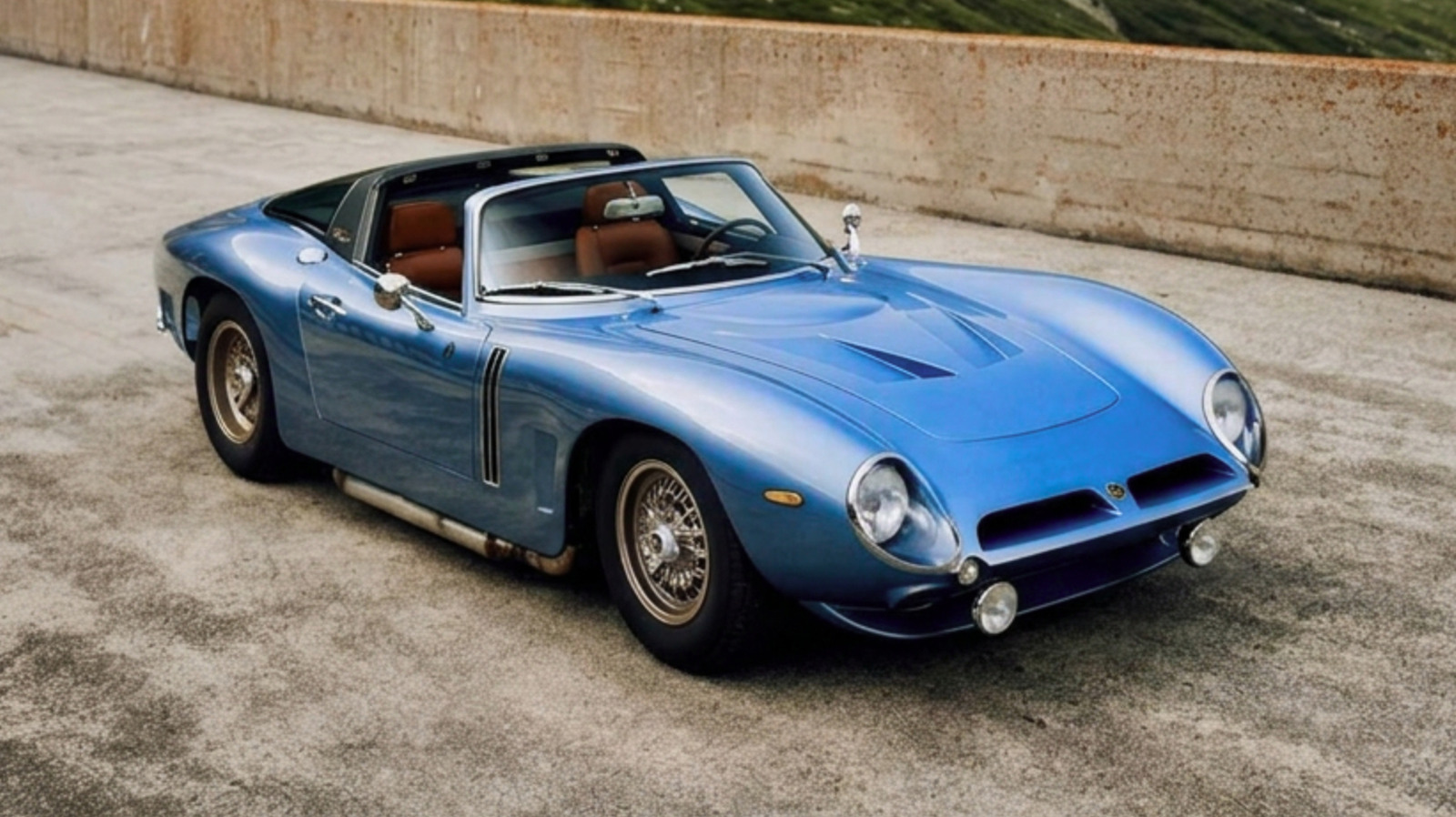
The Bizzarrini 5300 Aperta Lusso, at first glance, appears to be a relic of the 1960s—a visual homage to an era when Italian design and motorsport ambition converged. Yet, this impression is deliberately misleading. Beneath its retro contours lies a semi-monocoque bonded chassis and a single-piece carbon-fiber composite body, both technologies that would have been inconceivable to its original designers. The evidence suggests that this car is less a restoration than a radical act of reinterpretation: a reanimation of Giugiaro’s vision through the lens of contemporary engineering. Such a synthesis raises questions about the authenticity of automotive heritage when filtered through modern materials and methods. Is the Aperta Lusso a faithful continuation of a legacy, or does it constitute a new chapter entirely—one that risks erasing the very historical context it claims to celebrate?
What Are the Technical and Conceptual Stakes of Marrying Classic Design with Advanced Materials?
The decision to employ a semi-monocoque bonded chassis and a carbon-fiber composite body is not merely an engineering upgrade; it is a philosophical statement about the evolving definition of automotive value. Traditionalists might argue that the tactile qualities of steel and aluminum, with their attendant imperfections and patina, are integral to the soul of a classic car. Yet, the Aperta Lusso’s creators have opted for materials that maximize rigidity, minimize weight, and—under specific conditions—enhance safety and performance. The methodological boundary here is clear: while carbon fiber offers undeniable functional advantages, it also introduces a discontinuity in the car’s material narrative. This tension between form and substance invites a broader reflection on whether the “spirit” of a design can survive such a fundamental transformation, or whether it becomes something else entirely—an artifact of nostalgia, meticulously manufactured for a contemporary audience.
Who Benefits—and Who Is Excluded—by This Approach to Automotive Resurrection?
The Aperta Lusso’s hybrid identity appeals to a narrow but influential demographic: collectors and enthusiasts who value both provenance and performance, and who possess the resources to indulge in such bespoke creations. For these individuals, the car’s existence is a triumph of exclusivity and technological prowess. However, this approach effectively sidelines those for whom automotive history is inseparable from its original context—its manufacturing processes, its period-correct materials, its lived-in imperfections. The broader public, meanwhile, is left to grapple with a version of history that is curated, sanitized, and, in some respects, inaccessible. The evidence does not support the claim that such projects democratize automotive heritage; rather, they reinforce existing hierarchies of taste and capital.
What Broader Implications Emerge from This Synthesis of Past and Present?
The Aperta Lusso exemplifies a second-order consequence often overlooked in discussions of restomod culture: the gradual migration of historical authenticity from public memory to private commodity. As more classic designs are reimagined with contemporary technology, the boundary between preservation and reinvention becomes ever more porous. This dynamic, while exhilarating for some, risks eroding the very distinctiveness that made the originals culturally resonant. For the informed reader, the key takeaway is not a simple endorsement or rejection of such projects, but a recognition of their structural limitations—and of the need to interrogate whose history is being preserved, and for whom.