What Drives the Allure of the Outrageous in Automotive Design?
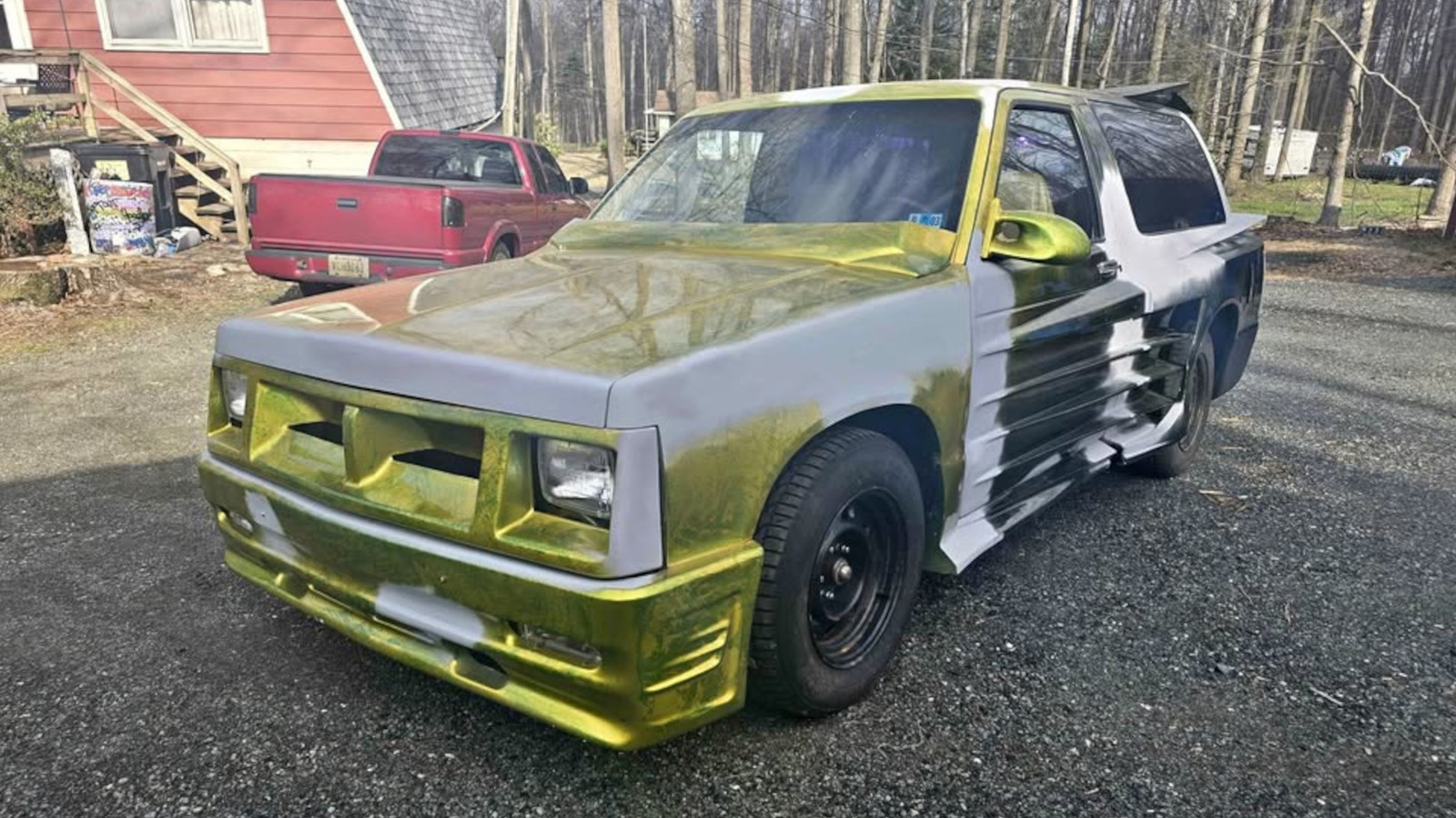
To dismiss the Blazerossa as merely “terrible” is to overlook the deeper cultural and psychological mechanisms that render such vehicles objects of fascination, even affection. The evidence suggests that the appeal of the outlandish in automotive design is not simply a matter of aesthetics or novelty. Rather, it is rooted in a complex interplay between transgressive creativity and the human appetite for spectacle. When a vehicle so flagrantly violates conventional standards of taste, it exposes the arbitrary boundaries that define “good” design. The Blazerossa’s very existence, in this light, becomes a provocation—a challenge to the orthodoxy of restrained engineering and market-tested style.
Why Do Some Designs Become Cult Icons Despite—or Because of—their Flaws?
The paradox of the beloved monstrosity is not new, but its persistence in car culture demands closer scrutiny. Under specific conditions, vehicles that are widely derided for their aesthetic or mechanical excesses acquire a second life as cult icons. This phenomenon cannot be explained by nostalgia alone. Instead, it reflects a collective recognition of the value in failure, or at least in the audacity to risk it. The Blazerossa, for example, is adored precisely because it is “truly terrible”—a phrase that, in this context, signals not just condemnation but a grudging admiration for the refusal to conform. The mainstream interpretation, which frames such affection as ironic or tongue-in-cheek, misses the deeper point: for some enthusiasts, the grotesque is a form of authenticity, a repudiation of sanitized corporate design.
Who Benefits—and Who Loses—When the Absurd Becomes Desirable?
The social consequences of celebrating the absurd extend beyond the car itself. For designers, the existence of vehicles like the Blazerossa can serve as both cautionary tale and creative license. On one hand, the risk of ridicule may stifle innovation; on the other, the possibility of cult status incentivizes boundary-pushing experimentation. Consumers, meanwhile, are offered a rare opportunity to signal taste by embracing the unfashionable, thereby inverting the usual dynamics of status and conformity. Yet this dynamic is not universally empowering. Underlying the celebration of the “so dumb I have no choice but to love it” aesthetic is a privileged detachment: only those insulated from the practical consequences of bad design—maintenance headaches, safety concerns, depreciation—can afford to romanticize it.
What Structural Forces Shape the Reception of Outlandish Vehicles?
The reception of vehicles like the Blazerossa is not merely a function of individual taste. Rather, it is shaped by structural forces: the economics of limited production runs, the media’s appetite for spectacle, and the collector market’s tendency to valorize rarity over utility. Methodologically, it is difficult to disentangle genuine affection from performative contrarianism, especially in online communities where irony and sincerity are often indistinguishable. The evidence for widespread “love” of such vehicles remains anecdotal and context-dependent, raising questions about the durability of their cult status once the novelty fades.
What Should the Informed Observer Conclude?
For the analytically minded reader, the Blazerossa’s appeal is less a testament to its intrinsic qualities than a mirror reflecting the anxieties and aspirations of car culture itself. The adoration of the terrible, under specific social and economic conditions, becomes a form of resistance—however fleeting—against the homogenization of taste. Yet this interpretation remains contested, and the line between genuine appreciation and knowing mockery is, at best, porous. Ultimately, the informed observer should recognize that the “terrible” is never just terrible; it is a site of contestation, creativity, and, occasionally, subversive joy.