How Does Color Function as a Social Signal in Automotive Culture?
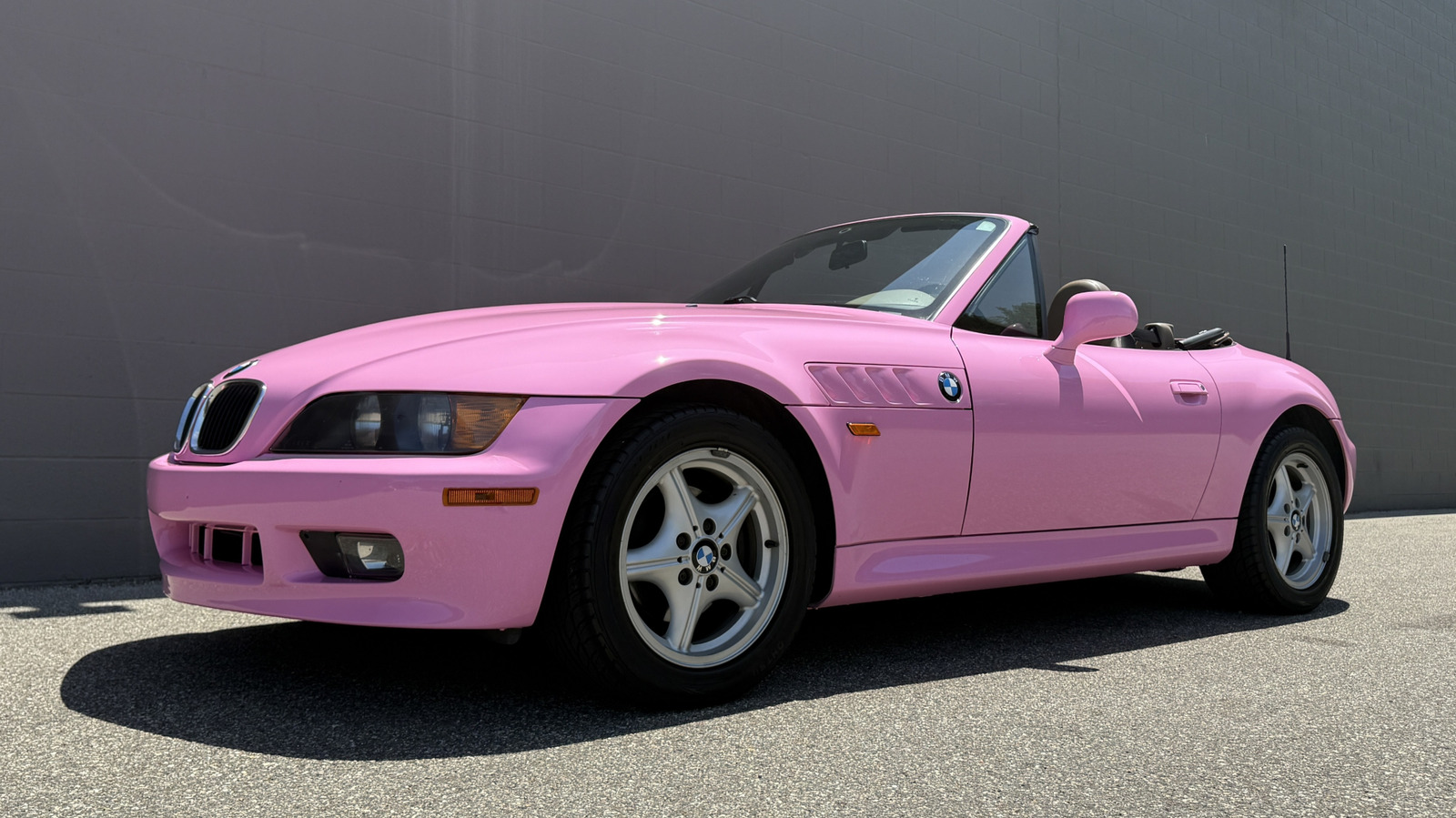
The chromatic extremity of this BMW Z3 roadster—an almost confrontational shade of pink—operates as more than mere aesthetic flourish. It is, in effect, a social signal, broadcasting a set of intentions and affiliations that diverge sharply from the understated palettes favored by mainstream luxury automakers. While the evidence for color as a primary determinant of automotive identity remains contested, there is a growing body of cultural analysis suggesting that such vivid hues function as both an assertion of individuality and a challenge to prevailing norms of taste. In this context, the car’s color is not simply a matter of personal preference; rather, it is a deliberate act of self-differentiation, one that invites both admiration and skepticism. The rarity of this particular shade—purportedly unavailable through standard channels—further amplifies its symbolic charge, positioning the vehicle as an artifact of exclusivity and, perhaps, subversive intent.
What Are the Implications of Celebrity Association for Object Value?
The presence of a celebrity signature on this roadster introduces a second-order layer of meaning, complicating the already fraught relationship between object and owner. While the market for celebrity-endorsed memorabilia is notoriously volatile—subject to the vagaries of public sentiment and the unpredictable trajectories of fame—the evidence suggests that such associations can, under specific conditions, elevate the perceived value of otherwise unremarkable commodities. Yet this effect is not uniform. The durability of celebrity-driven value depends on the persistence of the celebrity’s cultural relevance, the authenticity of the association, and the degree to which the object in question is perceived as unique. In this case, the combination of an anomalous color and a high-profile signature creates a confluence of scarcity and narrative that, for certain collectors, may outweigh conventional metrics of automotive worth. Still, this interpretation remains provisional; the market’s appetite for such hybridized artifacts is notoriously fickle, and the long-term value proposition is far from settled.
Who Is Excluded—And Why Does That Matter?
A less visible, yet no less significant, dimension emerges in the vehicle’s physical constraints. The explicit caveat that the car is suitable “if you’re short enough” gestures toward a structural exclusion embedded in automotive design. While the industry often touts inclusivity and personalization, the reality is that many vehicles—particularly those conceived as style statements—are optimized for a narrow range of body types. This raises questions about the intersection of design, desirability, and accessibility. The evidence points to a persistent tension: the more a vehicle is tailored to an aesthetic ideal, the less likely it is to accommodate the full spectrum of potential users. In practical terms, this means that the car’s appeal is circumscribed not only by taste but by the physical realities of its intended audience. The broader implication is that even the most ostentatious gestures of individuality are, in practice, bounded by the silent logic of exclusion.
What Broader Lessons Emerge from This Case?
This pink BMW Z3 roadster, with its singular color and celebrity provenance, exemplifies the paradoxes at the heart of contemporary consumer culture. It is at once a statement of radical individuality and a product of highly mediated, market-driven processes. The object’s value is contingent, unstable, and deeply entangled with narratives that extend far beyond its mechanical specifications. For the informed observer, the lesson is twofold: first, that surface-level distinctiveness often conceals deeper patterns of conformity and exclusion; and second, that the meaning of such artifacts is never entirely settled, but rather negotiated through ongoing contests of taste, status, and accessibility.