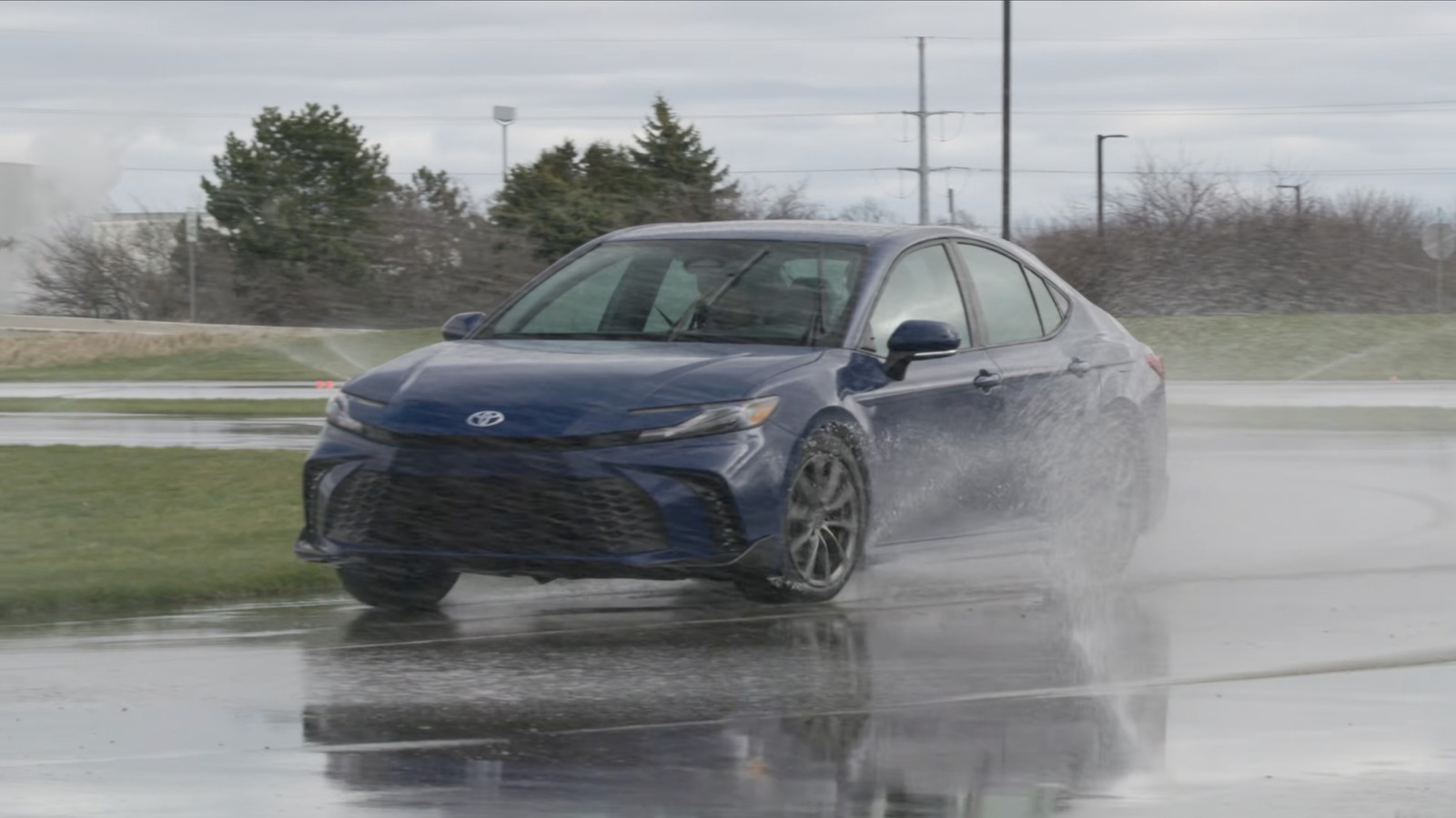
How Do Incremental Tire Innovations Translate Into Real-World Performance Gains?
The persistent quest for marginal gains in tire technology rarely produces headline-grabbing revolutions; instead, it yields a series of nuanced improvements that, over time, can reshape the driving experience in subtle but meaningful ways. The latest iteration of Bridgestone’s UltraWeather tire, as suggested by preliminary feedback, appears to outperform its predecessor, the WeatherPeak, across several key dimensions. Yet, without a comprehensive, segment-inclusive comparison test, the magnitude and consistency of these gains remain open to interpretation. The available evidence—largely qualitative and comparative rather than rigorously quantitative—indicates a marked enhancement in grip, noise reduction, and wet-weather handling. However, the absence of a standardized testing protocol across competing brands and models complicates efforts to situate these improvements within the broader landscape of all-season tire performance.
What Mechanisms Underlie the Reported Advancements?
At the heart of the UltraWeather’s reported superiority lies a reengineered tread compound and revised siping pattern, both of which are designed to optimize water evacuation and maintain pliability in colder temperatures. These technical refinements, while not unprecedented, reflect a broader industry trend toward balancing all-season versatility with targeted performance characteristics. The evidence suggests that, under controlled conditions, such design changes can yield tangible benefits—shorter braking distances, improved hydroplaning resistance, and enhanced road feel. Yet, the practical significance of these laboratory-derived advantages is often mediated by variables such as tire wear, vehicle type, and regional climate. In other words, the true value of these innovations may only emerge over extended real-world use, where the interplay of factors like maintenance habits and road quality can amplify or attenuate the initial gains.
Why Might Mainstream Interpretations of Tire Upgrades Be Incomplete?
Conventional wisdom tends to treat each new tire generation as a clear step forward, a narrative reinforced by manufacturer marketing and enthusiast commentary alike. This perspective, while intuitively appealing, risks obscuring the contingent and context-dependent nature of tire performance. For instance, improvements that are pronounced under specific test conditions—such as wet braking on a controlled track—may be less salient in everyday driving scenarios dominated by dry pavement and moderate speeds. Moreover, the lack of direct, head-to-head comparisons with segment rivals introduces a degree of epistemic uncertainty: are the observed gains unique to the UltraWeather, or do they merely reflect a general upward drift in industry standards? Without robust comparative data, the answer remains provisional at best.
Who Stands to Benefit—and Who Might Be Overlooked?
The most immediate beneficiaries of the UltraWeather’s reported enhancements are likely to be drivers in regions characterized by frequent precipitation and variable temperatures—contexts in which the tire’s improved wet-weather handling and cold pliability could translate into greater safety margins. However, this focus on all-season adaptability may inadvertently sideline the needs of drivers whose use cases fall outside the median: those in consistently hot, dry climates, or enthusiasts seeking maximum grip for spirited driving, may find the incremental improvements less compelling. Additionally, fleet operators and cost-sensitive consumers, for whom longevity and total cost of ownership outweigh marginal performance gains, may regard such innovations with skepticism.
What Are the Structural Limitations and Blind Spots in Current Tire Testing?
The absence of segment-inclusive comparison tests points to a broader structural limitation in how tire performance is evaluated and communicated. Most available data derive from manufacturer-sponsored trials or narrowly defined third-party tests, both of which are subject to selection biases and methodological constraints. This fragmented landscape not only impedes meaningful cross-brand comparisons but also perpetuates a cycle in which incremental improvements are celebrated without adequate scrutiny of their real-world relevance. Until the industry coalesces around more transparent, standardized testing protocols—ideally incorporating a wider array of driving conditions and user profiles—claims of superiority will remain, to some extent, contestable.
What Should the Informed Reader Conclude?
The available evidence, while suggestive of genuine progress, does not yet warrant categorical judgments about the UltraWeather’s standing within the broader all-season tire market. For consumers, the prudent course is to treat manufacturer claims and early reviews as provisional, pending more rigorous, comparative data. For industry observers, the episode underscores the need for more transparent and methodologically robust testing regimes—ones that can adjudicate not just between successive generations of a single model, but across the full spectrum of available options. Only then can the incremental gains of tire innovation be properly contextualized and their practical significance fully assessed.