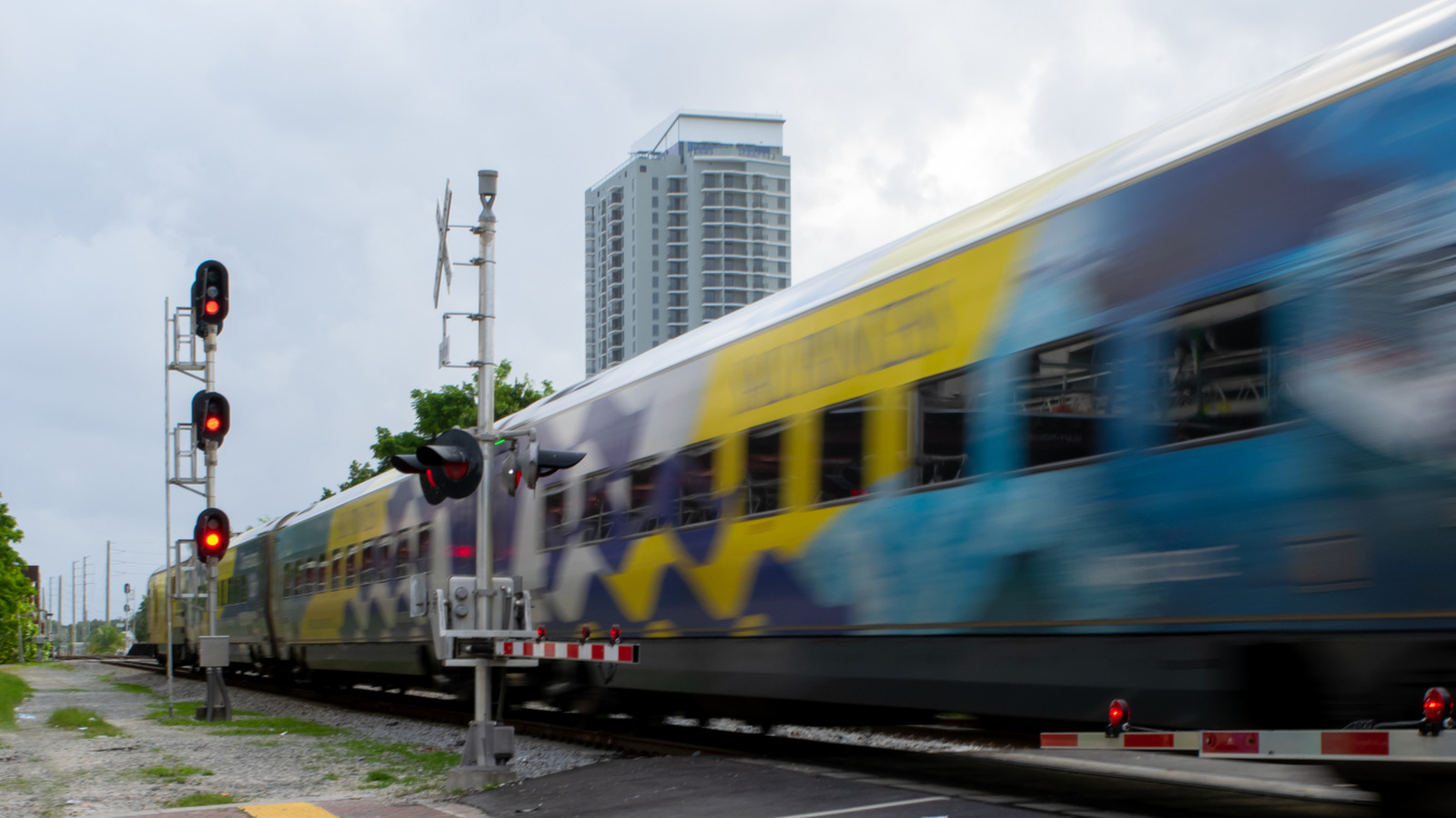
What Drives the Impending Restructuring of Brightline?
The apparent inevitability of Brightline’s restructuring, following the lapse of its self-imposed deadline to secure a buyer, signals more than a routine episode of financial distress. At the core lies a confluence of structural vulnerabilities: a capital-intensive business model, persistent safety controversies, and a market environment that has proven less receptive to private intercity rail than optimistic forecasts once suggested. While the company’s leadership may have initially framed the search for a buyer as a strategic maneuver, the absence of credible suitors—at least within the timeframe deemed viable—suggests that underlying liabilities have outpaced the allure of potential growth. The evidence, though incomplete, points to a mismatch between Brightline’s ambitions and the risk tolerance of institutional investors, who remain wary of both operational hazards and uncertain regulatory climates.
Why Does Brightline’s Situation Matter Beyond Its Immediate Finances?
The ramifications of Brightline’s restructuring extend well beyond the company’s balance sheet. For policymakers and urban planners, the case exposes the persistent challenges of scaling private passenger rail in the United States—a context marked by fragmented infrastructure, regulatory ambiguity, and a deeply entrenched car culture. The potential bankruptcy or restructuring of a high-profile rail operator risks chilling future investment in alternative transportation, reinforcing a feedback loop where public skepticism and private reticence mutually reinforce stagnation. Moreover, the safety record associated with Brightline—often characterized in the media as among the nation’s deadliest—complicates the narrative, raising questions about the feasibility of reconciling speed, accessibility, and public safety in a privatized framework. This intersection of financial and operational risk has, arguably, not been adequately addressed in mainstream commentary, which tends to isolate fiscal woes from their broader systemic context.
Who Bears the Hidden Costs of Brightline’s Downturn?
While shareholders and creditors are the most visible stakeholders, the ripple effects of Brightline’s predicament are likely to be felt most acutely by local communities and regional economies. Municipalities that invested in station infrastructure or granted tax incentives may now face sunk costs with little prospect of near-term return. Employees, both direct and in the broader supply chain, confront heightened job insecurity. Less obviously, the episode may harden institutional biases against future rail projects, particularly those that rely on public-private partnerships. This could disproportionately affect lower-income populations who stand to benefit most from expanded transportation options but lack the political capital to shape investment priorities. The distributive consequences, therefore, are neither uniform nor easily reversible.
What Are the Structural Blind Spots and Vested Interests at Play?
A recurring blind spot in the analysis of Brightline’s trajectory is the tendency to treat its challenges as idiosyncratic rather than symptomatic of deeper market and policy failures. The evidence suggests that the U.S. regulatory environment, with its patchwork of safety standards and limited federal coordination, places private rail ventures at a structural disadvantage relative to both public transit and highway infrastructure. Vested interests—ranging from automotive lobbies to real estate developers—exert subtle but significant influence over transportation priorities, often to the detriment of rail innovation. The mainstream narrative, by focusing on managerial missteps or isolated incidents, risks obscuring these systemic impediments.
What Should an Informed Reader Conclude?
The Brightline episode, while still unfolding, should be interpreted as a cautionary tale about the limits of privatized infrastructure in the absence of robust policy alignment and risk-sharing mechanisms. For stakeholders contemplating future investments in transportation, the lesson is not merely to scrutinize financial projections, but to interrogate the broader ecosystem—regulatory, cultural, and political—that shapes the viability of such ventures. The evidence does not foreclose the possibility of successful private rail in the U.S., but it does suggest that without structural reforms, isolated initiatives are likely to repeat the cycle of overpromise and underdelivery. For advocates of sustainable mobility, the imperative is to move beyond surface-level optimism and confront the entrenched interests and institutional inertia that continue to define the American transportation landscape.