How Novel Imaging Technologies Are Reframing Astronomical Inquiry
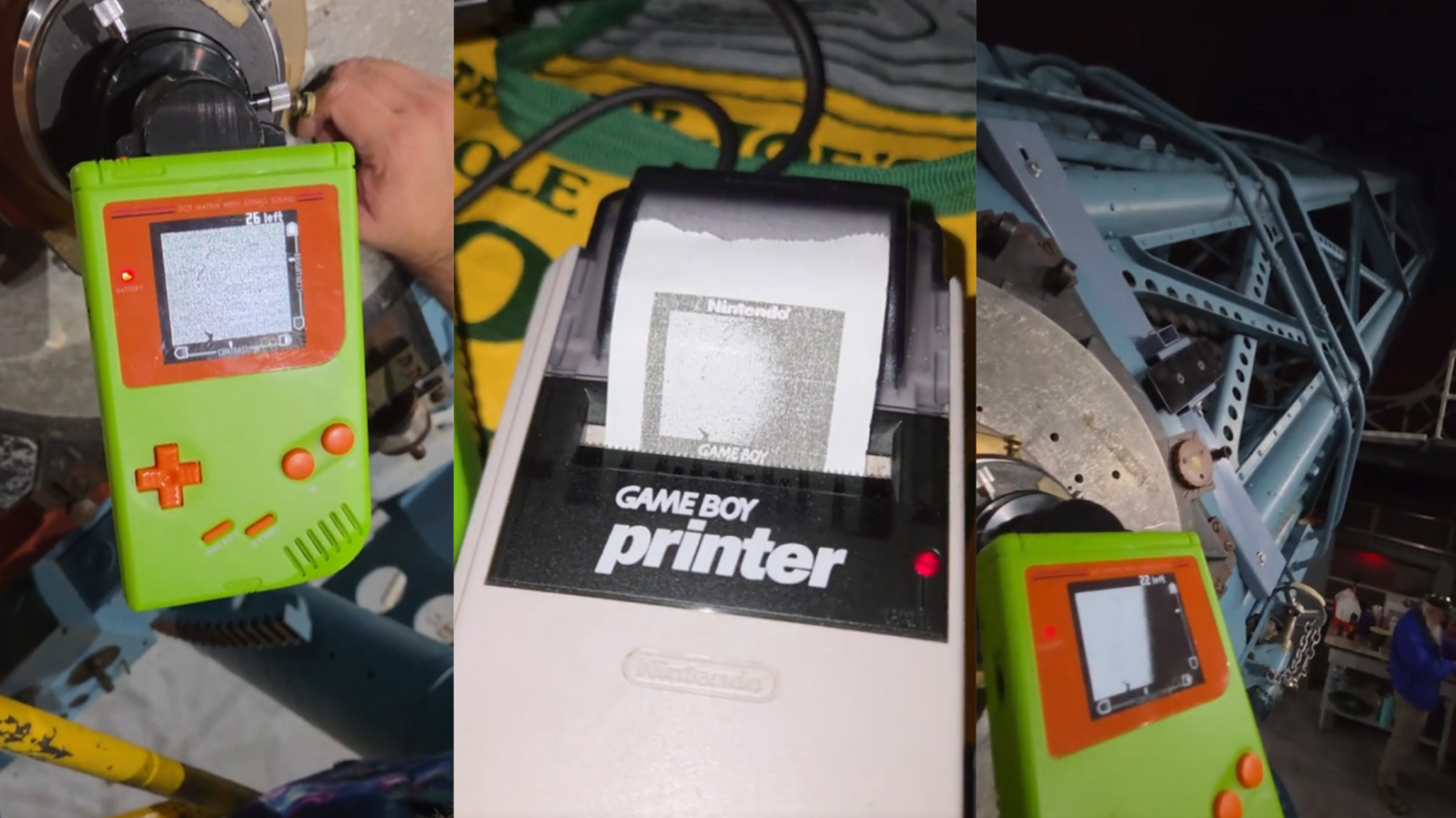
The assertion that astronomers inhabit a “bold new era” is not mere hyperbole, but a reflection of the accelerating pace at which imaging technologies are redefining the boundaries of cosmic observation. The core mechanism at stake is not simply the ability to capture more detailed images, but the transformation of what counts as observable and, by extension, knowable. Where once the limits of glass and film dictated the scale and clarity of celestial data, the advent of advanced digital sensors—sometimes in forms as unexpected as consumer-grade devices—has begun to democratize and diversify the epistemic toolkit of astronomy. This shift, while celebrated for its potential, also raises questions about the reliability, accessibility, and interpretive frameworks that govern astronomical discovery.
To What Extent Do Non-Traditional Tools Disrupt Established Research Paradigms?
The deployment of unconventional imaging devices, such as modified consumer cameras, challenges the assumption that only purpose-built, high-cost instruments can yield meaningful astronomical data. Under specific conditions, these tools have demonstrated surprising efficacy in capturing phenomena previously considered beyond their technical reach. Yet, the evidence suggests that their utility is highly context-dependent: while they may excel in wide-field, low-light imaging or rapid prototyping of observational techniques, their limitations in resolution, sensitivity, and calibration introduce significant methodological caveats. The mainstream interpretation—that such tools are mere novelties—may therefore underestimate their disruptive potential, particularly in educational or citizen science contexts where traditional barriers to entry are prohibitive.
Who Benefits—and Who Is Marginalized—by the Proliferation of Accessible Imaging?
The democratization of astronomical imaging carries both emancipatory and exclusionary consequences. On one hand, it enables broader participation, allowing amateur astronomers and under-resourced institutions to contribute to data collection and analysis. This diffusion of capability could, in theory, diversify the perspectives and questions that shape the field. On the other hand, the proliferation of heterogeneous data sources complicates efforts to standardize methodologies and validate findings. Established researchers may resist integrating such data, citing concerns over quality control and reproducibility. The resulting tension is not merely technical, but structural: those with access to elite instruments retain epistemic authority, while new entrants must continually justify the legitimacy of their contributions.
What Are the Blind Spots and Second-Order Effects of This Technological Shift?
While much attention focuses on the immediate gains in observational power, the deeper implications of this technological shift remain under-examined. For instance, the reliance on digital platforms and proprietary software introduces new dependencies and vulnerabilities—data sovereignty, long-term archiving, and algorithmic opacity become pressing concerns. Moreover, the very act of expanding what is observable may inadvertently reinforce existing biases in research agendas, as certain phenomena become easier to study while others recede further into the periphery. The evidence remains mixed as to whether these changes will yield a more inclusive and robust astronomy, or simply reconfigure old hierarchies in new technological guises.
What Should an Informed Reader Conclude About the Trajectory of Astronomical Discovery?
The future of astronomical inquiry will likely be shaped less by the absolute capabilities of any single imaging device than by the evolving interplay between technology, institutional norms, and the broader scientific community. While the promise of ground-breaking camera technology is real, its ultimate impact depends on how its limitations are managed, how its data are integrated, and whose interests are served in the process. For the informed observer, skepticism and curiosity should coexist: celebrate the ingenuity of new tools, but interrogate the structures that determine who gets to use them, how their outputs are valued, and what questions are deemed worth asking. Only then can the boldness of this new era be more than a slogan—it must become a sustained, critical practice.