What Do Our Relationships with Cars Reveal About Ourselves?
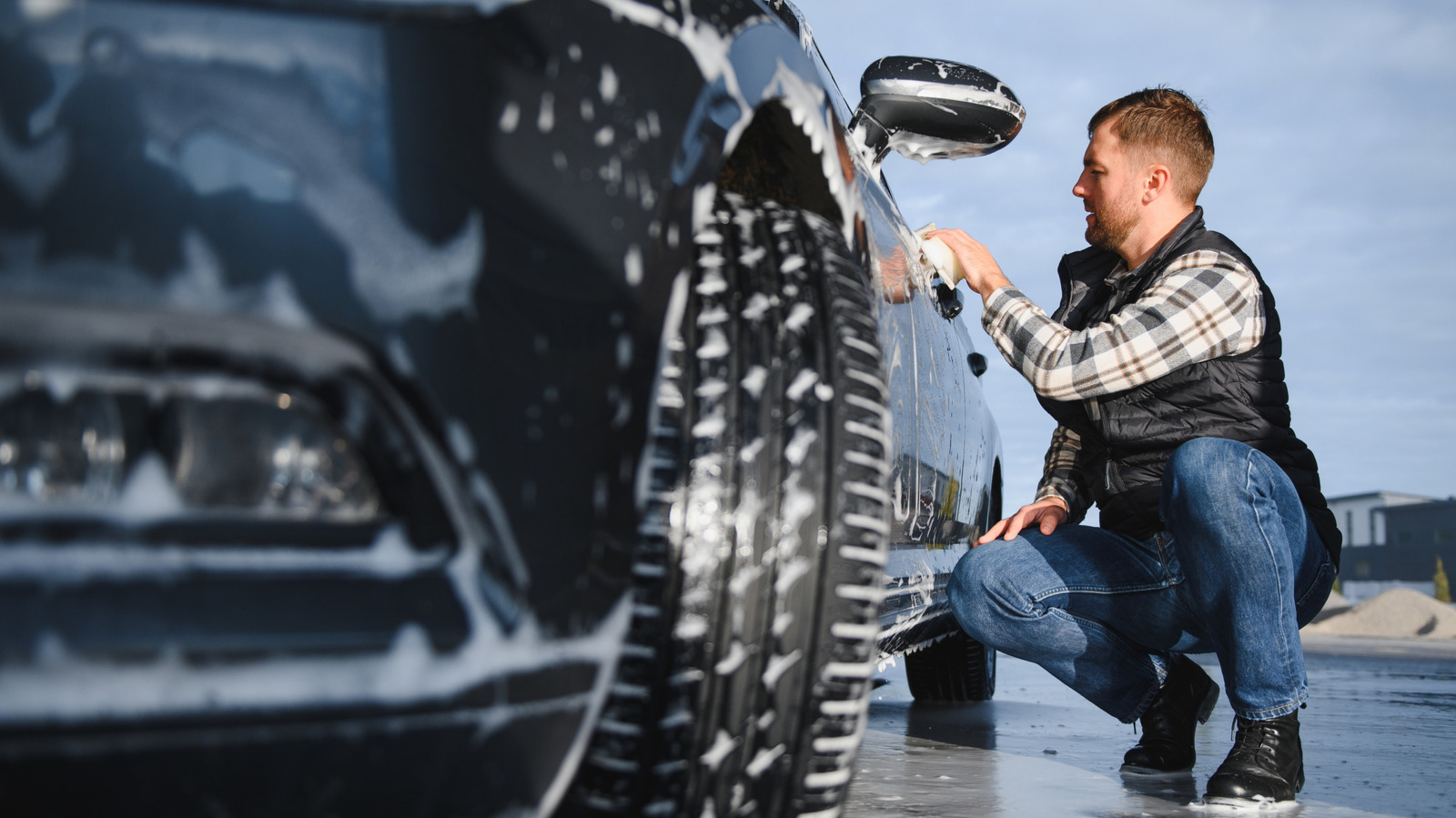
To treat the state of one’s car as a mere reflection of personal diligence or neglect is to miss a deeper, more nuanced dynamic. The evidence suggests that the way individuals interact with their vehicles—whether through meticulous maintenance, adventurous modifications, or simple acts of cleaning—serves as a proxy for broader attitudes toward control, risk, and self-expression. Some drivers, content with routine upkeep, may be signaling a preference for stability and predictability in other domains of life. Others, who seek out new adventures or push their vehicles beyond intended limits, appear to externalize a restless curiosity or a desire for novelty that transcends the automotive context. Meanwhile, those whose cars languish under layers of grime or deferred repairs might not simply be careless; rather, their inattention could reflect competing priorities, resource constraints, or even a philosophical resistance to the culture of relentless optimization.
Why Do These Patterns Matter Beyond the Obvious?
The prevailing narrative tends to frame car care as a binary: responsible versus irresponsible, attentive versus neglectful. Yet, this dichotomy fails to account for the social and psychological forces at play. Under specific conditions—such as economic precarity or time scarcity—what appears as neglect may be a rational allocation of limited resources. Conversely, the ritual of cleaning or customizing a car can serve as a rare locus of agency in an otherwise constrained life. These behaviors, far from being trivial, can function as coping mechanisms or as subtle forms of resistance to societal pressures. The mainstream interpretation, which valorizes perpetual maintenance and derides deviation, risks pathologizing those whose choices do not conform to a narrow ideal. This interpretive blind spot obscures the ways in which car care practices are entangled with identity, status, and even protest.
Who Is Most Affected by These Dynamics?
The impact of these patterns is not evenly distributed. Demographic anomalies emerge when examining who is most likely to invest in regular maintenance versus those who allow entropy to take its course. Younger drivers, for example, may be less invested in routine care—not necessarily due to indifference, but because of financial constraints or a lack of inherited norms around vehicle stewardship. Similarly, those in urban environments, where public transit is viable, may deprioritize car care in ways that rural drivers cannot. Gendered expectations also intrude: the evidence suggests that women, in particular, face disproportionate scrutiny for the state of their vehicles, a phenomenon that reflects broader societal policing of female competence and responsibility.
What Are the Structural Limitations and Blind Spots?
To focus solely on individual choices is to ignore the structural context in which those choices are made. The automotive industry, with its vested interest in promoting new purchases and frequent servicing, has a stake in pathologizing any deviation from prescribed maintenance schedules. Environmental considerations further complicate the picture: the push for constant cleaning and cosmetic perfection often entails the use of water and chemicals with non-trivial ecological footprints. The discourse around car care rarely acknowledges these second-order consequences, nor does it grapple with the ways in which class, geography, and cultural capital mediate access to the time and resources required for idealized upkeep.
What Should the Informed Reader Conclude?
A discerning reader, confronted with these intersecting dynamics, should resist the temptation to moralize about car care. Instead, the more productive stance is one of interpretive humility: to recognize that the state of a vehicle is rarely a transparent window into character, but rather a complex artifact shaped by circumstance, constraint, and choice. The evidence does not support a single, universal prescription; rather, it invites a more generous and context-sensitive understanding of what our cars might say about us—if, indeed, they could speak.