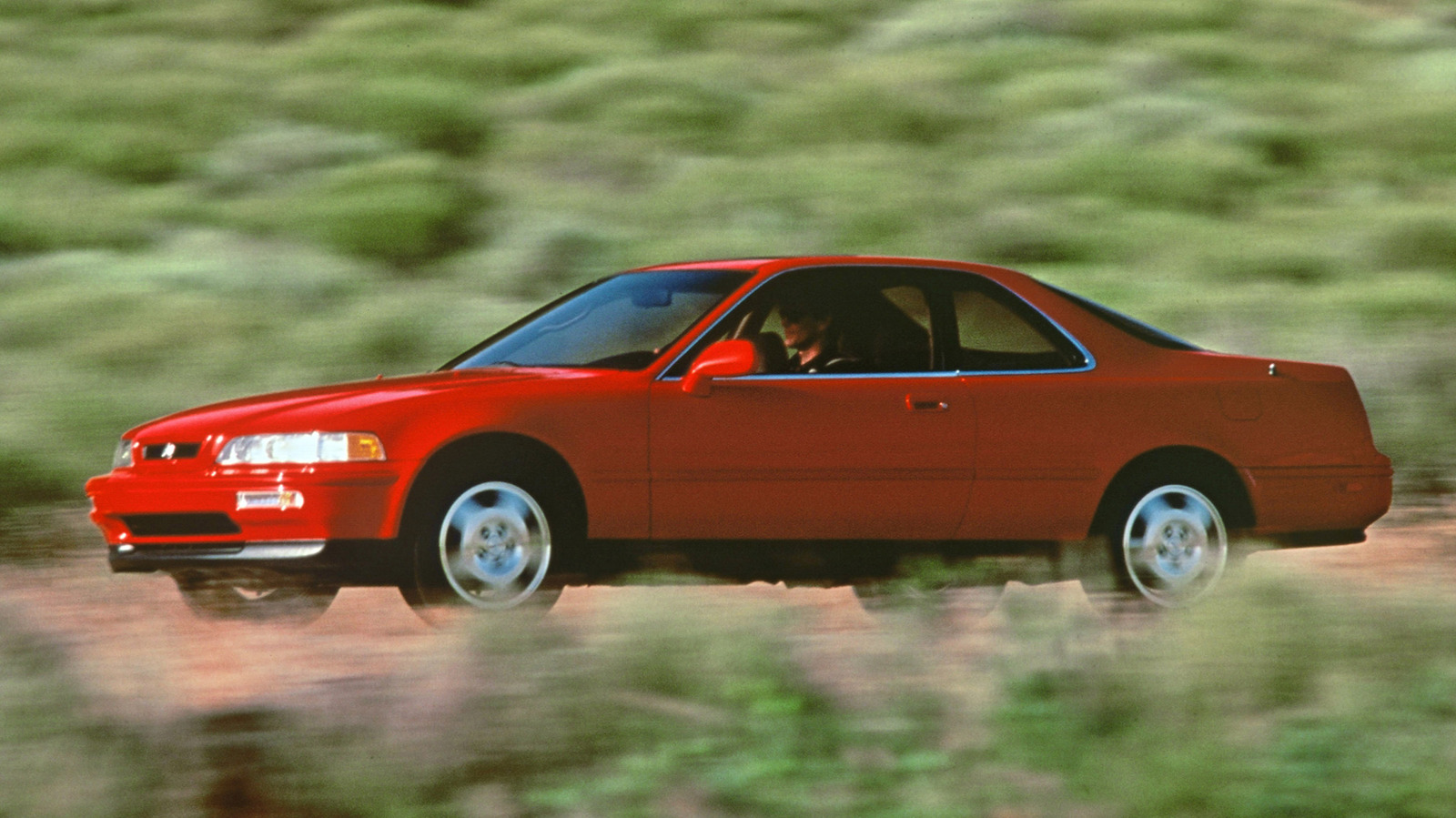
How Do Shifting Aesthetic Judgments Reflect Broader Cognitive Flexibility?
The phenomenon of changing one’s mind about car design—initially disliking a particular aesthetic only to later embrace it—serves as a microcosm for the broader human capacity for cognitive flexibility. This is not merely a matter of personal taste evolving in isolation. Rather, it reflects the interplay between cultural context, exposure, and the slow recalibration of visual expectations. When a car design that once seemed jarring or inelegant becomes, over time, an object of admiration, the evidence suggests that aesthetic judgments are less fixed than commonly assumed. Such reversals are not trivial; they indicate that the mind’s evaluative frameworks are porous, subject to both social influence and individual reconsideration.
Why Do Certain Designs Elicit Rejection Before Acceptance?
Designs that initially provoke resistance often do so because they violate prevailing norms or visual schemas. The evidence from design history—across automotive, architectural, and fashion domains—suggests that radical departures from the familiar tend to be met with suspicion or even hostility. Yet, under specific conditions, these same designs are later reinterpreted as visionary or iconic. This temporal lag in appreciation is not merely a function of exposure; it is also shaped by shifts in collective narratives about what constitutes innovation versus excess. The mainstream interpretation—that taste simply “catches up” to the avant-garde—remains incomplete. It neglects the role of institutional gatekeepers, marketing campaigns, and the subtle pressures of group identity in shaping what is deemed beautiful or desirable.
Who Benefits and Who Is Marginalized by Shifting Aesthetic Norms?
The consequences of changing aesthetic judgments extend beyond the individual consumer. Designers who persist in the face of initial rejection may eventually be vindicated, but only if broader cultural winds shift in their favor. Conversely, those whose work is prematurely dismissed may never see their innovations recognized. There is a structural asymmetry here: established brands and influential tastemakers can afford to weather early criticism, while independent creators often cannot. The practical significance of this dynamic is clear—market acceptance is not a simple referendum on merit, but a complex negotiation among power, timing, and collective mood.
What Are the Blind Spots in Conventional Accounts of Taste Evolution?
Mainstream narratives about taste evolution tend to underplay the role of memory, nostalgia, and the psychological need for coherence. When individuals revise their judgments about a car design, they rarely acknowledge the social or emotional factors that prompted the shift. Instead, there is a retrospective rationalization—a tendency to rewrite one’s past preferences as if they were always on a trajectory toward current tastes. This self-editing process obscures the genuine volatility of aesthetic judgment and the degree to which it is shaped by forces outside conscious awareness. The evidence here is necessarily indirect, but longitudinal studies of consumer preference suggest that memory is a poor guide to the actual sequence of evaluative change.
What Should the Informed Reader Conclude About Changing One’s Mind?
To change one’s mind about car design—or any aesthetic matter—is not a sign of inconsistency but of adaptability. The informed reader should resist the temptation to treat taste as a fixed attribute or a marker of authenticity. Instead, the more defensible stance is to recognize the provisional nature of aesthetic judgment and to remain alert to the structural and psychological forces that shape it. In a culture that prizes certainty, the willingness to revise one’s evaluations may be the more intellectually honest—and ultimately, the more rewarding—position.