How Carvana’s Expansion into New-Car Sales Signals a Strategic Shift
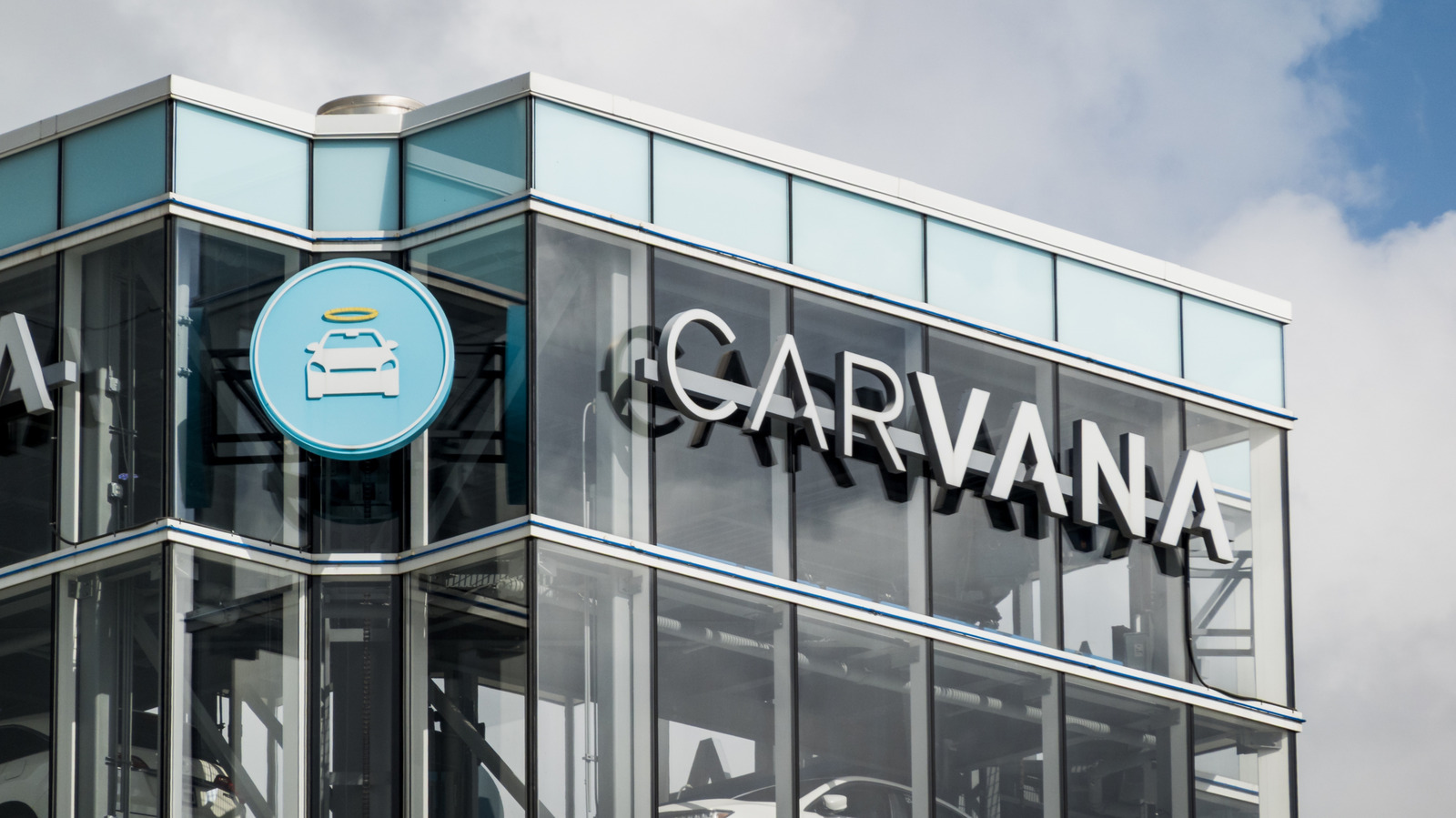
Carvana’s reputation has long been anchored in its disruptive approach to used car retail, most visibly embodied by its towering automotive vending machines. These structures, while visually striking, have served as more than mere marketing gimmicks—they symbolize a frictionless, digital-first buying experience that has challenged traditional dealership models. Yet, recent moves suggest Carvana is no longer content to remain within the confines of the used car market. The company’s acquisition of several new-car dealerships, particularly those affiliated with major manufacturers, marks a significant recalibration of its business model. This shift is not merely a matter of product diversification; rather, it reflects a calculated response to the evolving dynamics of automotive retail and consumer expectations.
What Drives Carvana’s Foray into New-Car Dealerships?
The rationale behind Carvana’s expansion into new-car sales is multifaceted. On one level, the move can be interpreted as a hedge against the inherent volatility of the used car market, which is acutely sensitive to macroeconomic shocks, supply chain disruptions, and fluctuating consumer confidence. By integrating new-car dealerships, Carvana gains access to more stable manufacturer relationships and a broader inventory pipeline. However, the evidence suggests this strategy is also a tacit acknowledgment of the limitations of a purely digital, used-car-centric model. Regulatory frameworks governing new-car sales often require physical dealership licenses and direct manufacturer agreements—barriers that have historically insulated legacy dealers from digital disruptors. Carvana’s acquisitions, therefore, represent both a circumvention of these institutional hurdles and a recognition that hybrid models—melding online convenience with brick-and-mortar legitimacy—may be the industry’s future.
Who Stands to Gain or Lose from This Strategic Pivot?
The implications of Carvana’s expansion reverberate beyond its own balance sheet. For consumers, the integration of new-car sales into Carvana’s platform could yield greater price transparency, streamlined purchasing, and potentially lower transaction costs. Yet, these benefits are not uniformly distributed. Buyers in regions with entrenched dealership networks or restrictive franchise laws may find their options unchanged, at least in the near term. Meanwhile, traditional dealerships—already under pressure from shifting consumer preferences and tightening margins—face a new competitive threat. The evidence remains mixed as to whether Carvana’s model can achieve the scale and profitability required to fundamentally disrupt the new-car market, especially given the capital intensity and regulatory complexity involved. Nevertheless, the symbolic significance of a digital-native retailer entering this space should not be underestimated.
Structural Constraints and the Limits of Disruption
While Carvana’s expansion appears bold, it is not without significant structural constraints. The regulatory landscape governing new-car sales in the United States is notoriously fragmented, with state-by-state variations that can stymie even the most well-capitalized entrants. Manufacturer-dealer relationships are governed by decades-old franchise laws designed to protect local businesses, and these legal frameworks have proven remarkably resilient to change. Moreover, the capital requirements associated with acquiring and operating new-car dealerships may dilute some of the operational efficiencies that have underpinned Carvana’s growth to date. There is also the risk of cultural misalignment: the ethos of a digital disruptor does not always translate seamlessly into the highly regulated, relationship-driven world of new-car sales. Early evidence from analogous industries suggests that hybrid models can succeed, but only under specific conditions—namely, when technological innovation is paired with deep local market knowledge and regulatory acumen.
Reframing the Stakes: What Should Informed Observers Conclude?
Carvana’s move into new-car dealerships is less a repudiation of its original model than an adaptive response to the structural realities of automotive retail. The company’s willingness to acquire physical dealerships signals a pragmatic recognition that digital disruption, while powerful, has its limits in the face of entrenched legal and economic interests. For industry observers and policymakers, the key question is not whether Carvana will “win” or “lose” in the new-car market, but rather how its hybrid approach will reshape consumer expectations, regulatory debates, and competitive dynamics. The evidence to date suggests that the future of automotive retail will not be purely digital or purely physical, but rather a contested space where the boundaries between the two are continually renegotiated. For consumers, this could mean greater choice and convenience—albeit unevenly distributed. For incumbents, it is a call to adapt or risk obsolescence. The ultimate outcome remains uncertain, but the underlying mechanism—a relentless search for efficiency and consumer empowerment—continues to drive the industry forward.