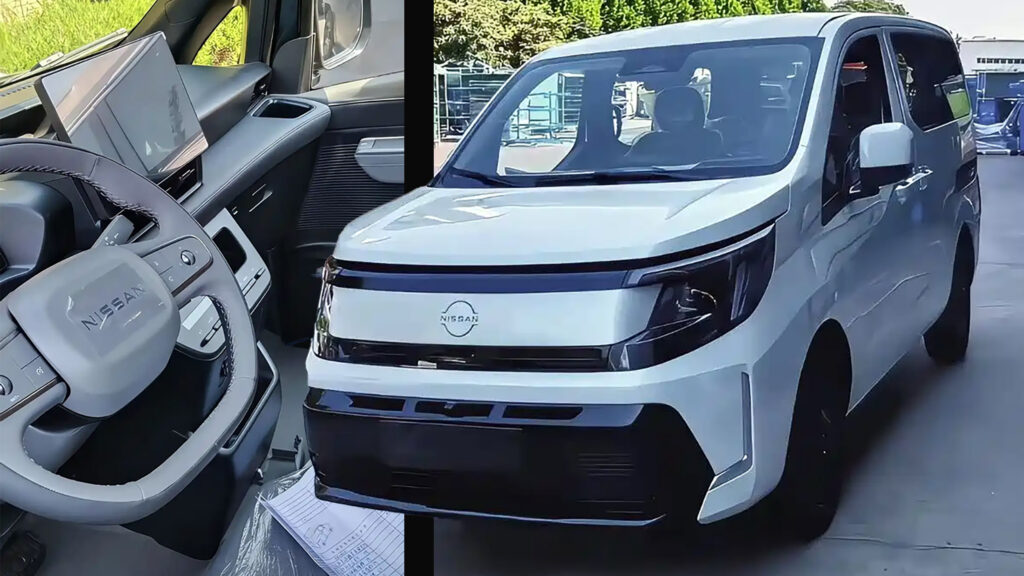
NV200 Reinvention Signals Nissan’s Push for Modernized, Electrified Work Vans in China

Automotive Disruptors How Landmark Cars Redefined Technology, Safety, and Design Across Decades
 These are the cars that truly changed the direction of the motor industry, one model at a time
Most cars come and go, causing barely a ripple in the process.
But occasionally something comes along that causes shockwaves; nowadays such products and brands are called disruptors, because they shake up the market leading to new ways of thinking. Such marketing speak was a long way into the future when most of these influential cars were dreamed up but that doesn’t diminish the fact that they all had an impact, often felt for decades to come:
Ford Model T (1908)
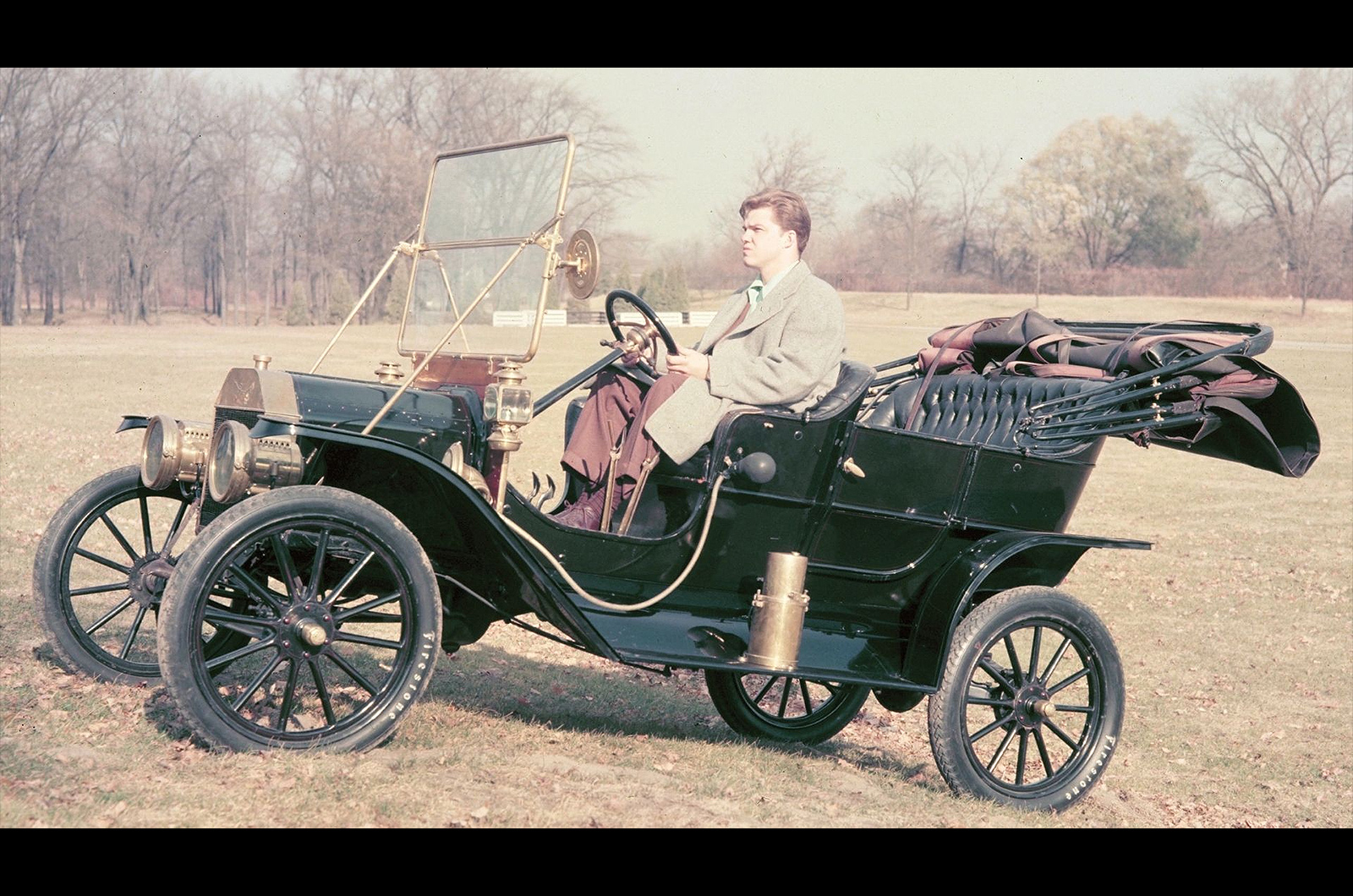
The Model T isn’t here because it was a particularly revolutionary car – it wasn’t. But the way it was produced completely rewrote the rules. However, while everybody assumes the Model T was the first mass-produced car, it wasn’t – that was the Oldsmobile Curved Dash, 19,000 examples of which were built between 1901 and 1907. It was the affordable Ford which really made mass-production work though; at one point, over half of the cars on America’s roads were Model Ts.
Lancia Lambda (1923)
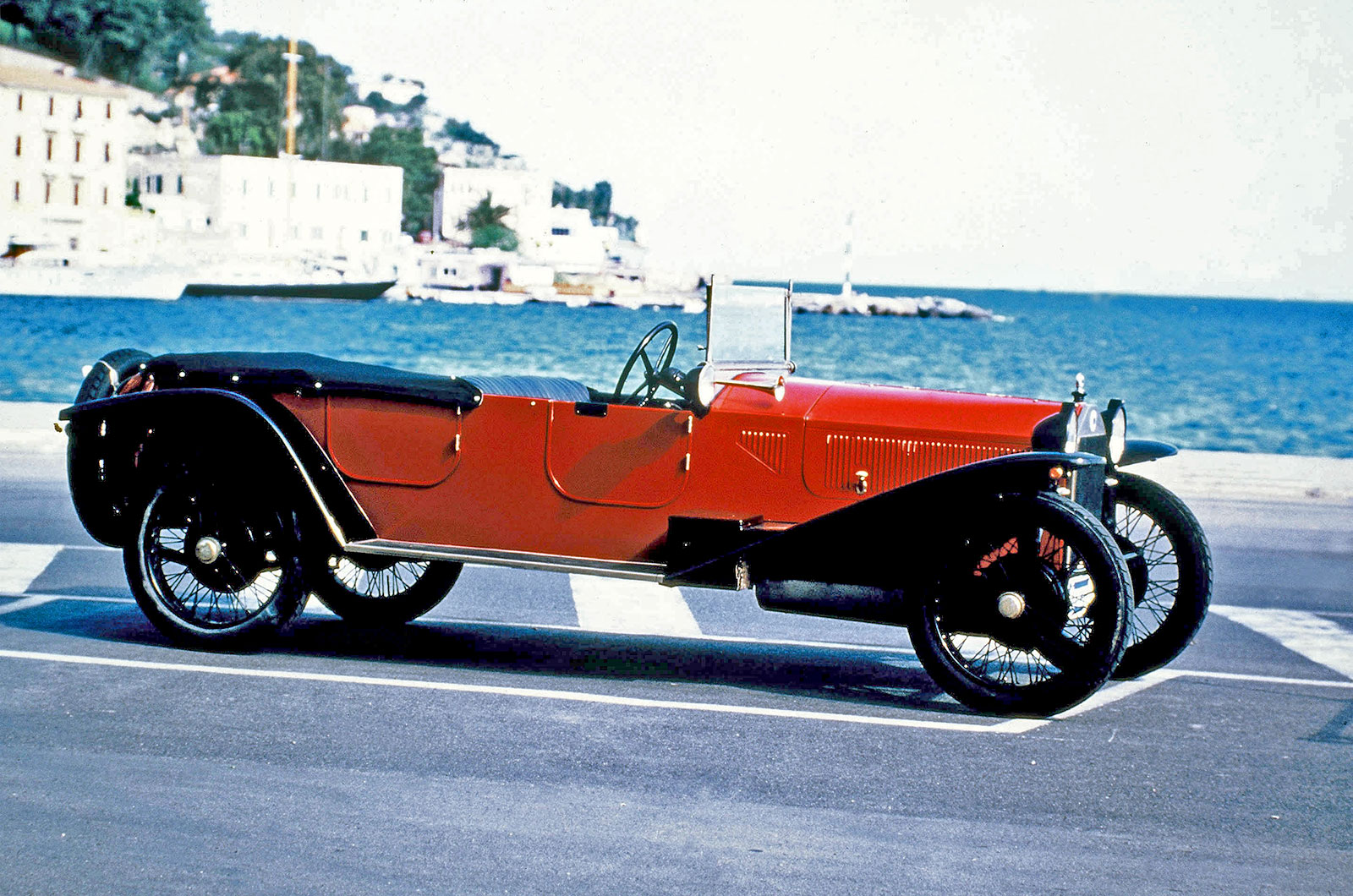
Until 1923, all cars featured a separate chassis to give the bodyshell much-needed strength – then came the Lancia Lambda, with its monocoque construction. Stronger, lighter and cheaper to build, monocoque – or unitary – construction wouldn’t be universally adopted by mainstream car makers until the 1960s. That’s how advanced the Lambda was.
Chrysler Airflow (1934)
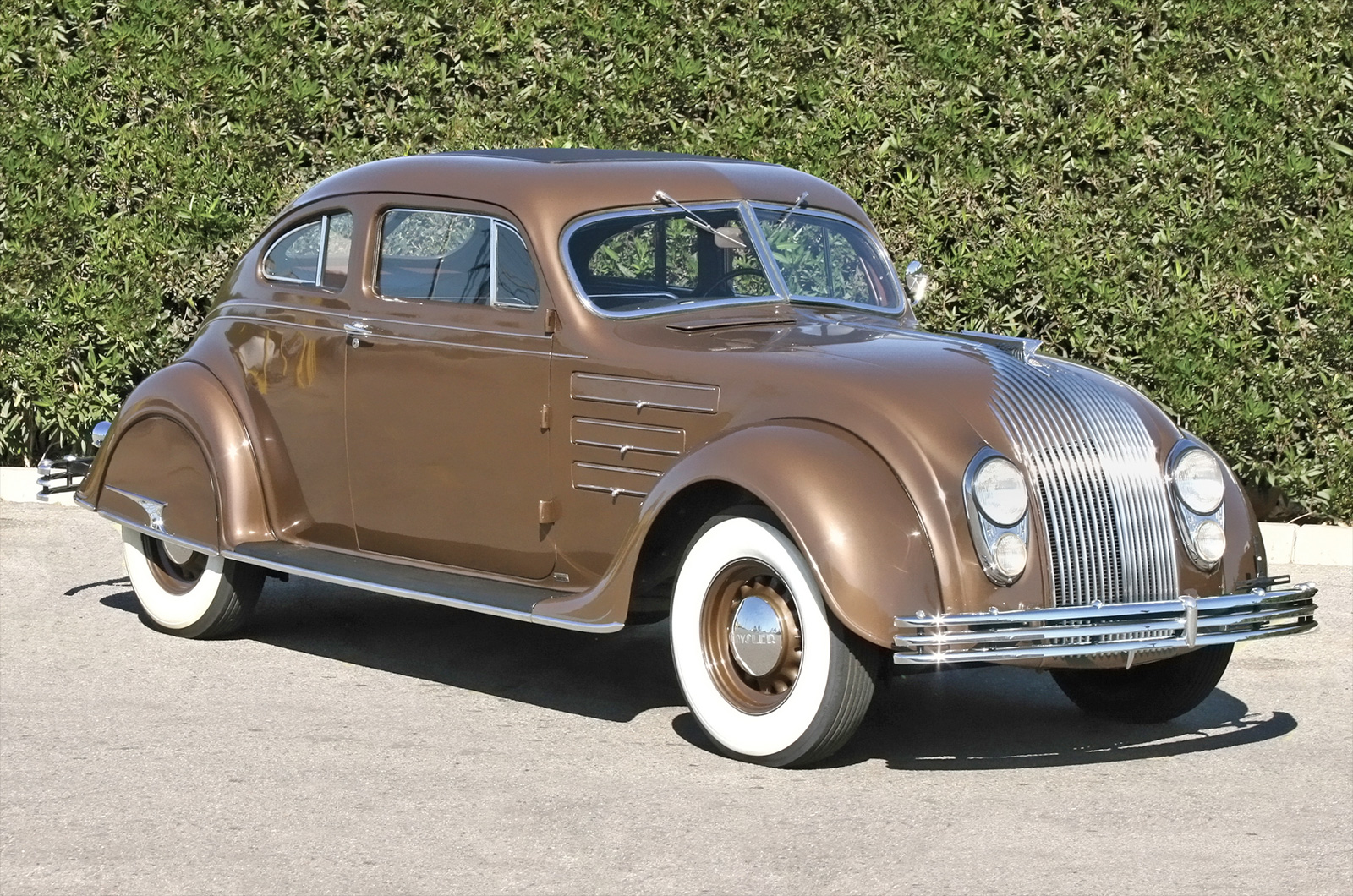
The fact that it wasn’t a commercial success meant rival car companies initially weren’t keen to copy its aerodynamic styling too closely, but the Chrysler Airflow was still hugely influential. This was the car that switched designers on to the fact that for a car to be truly efficient it had to cleave the air rather better than everything that came before; by the post-war years the Airflow’s sleeker design had become the norm.
Chevrolet Corvette (1953)
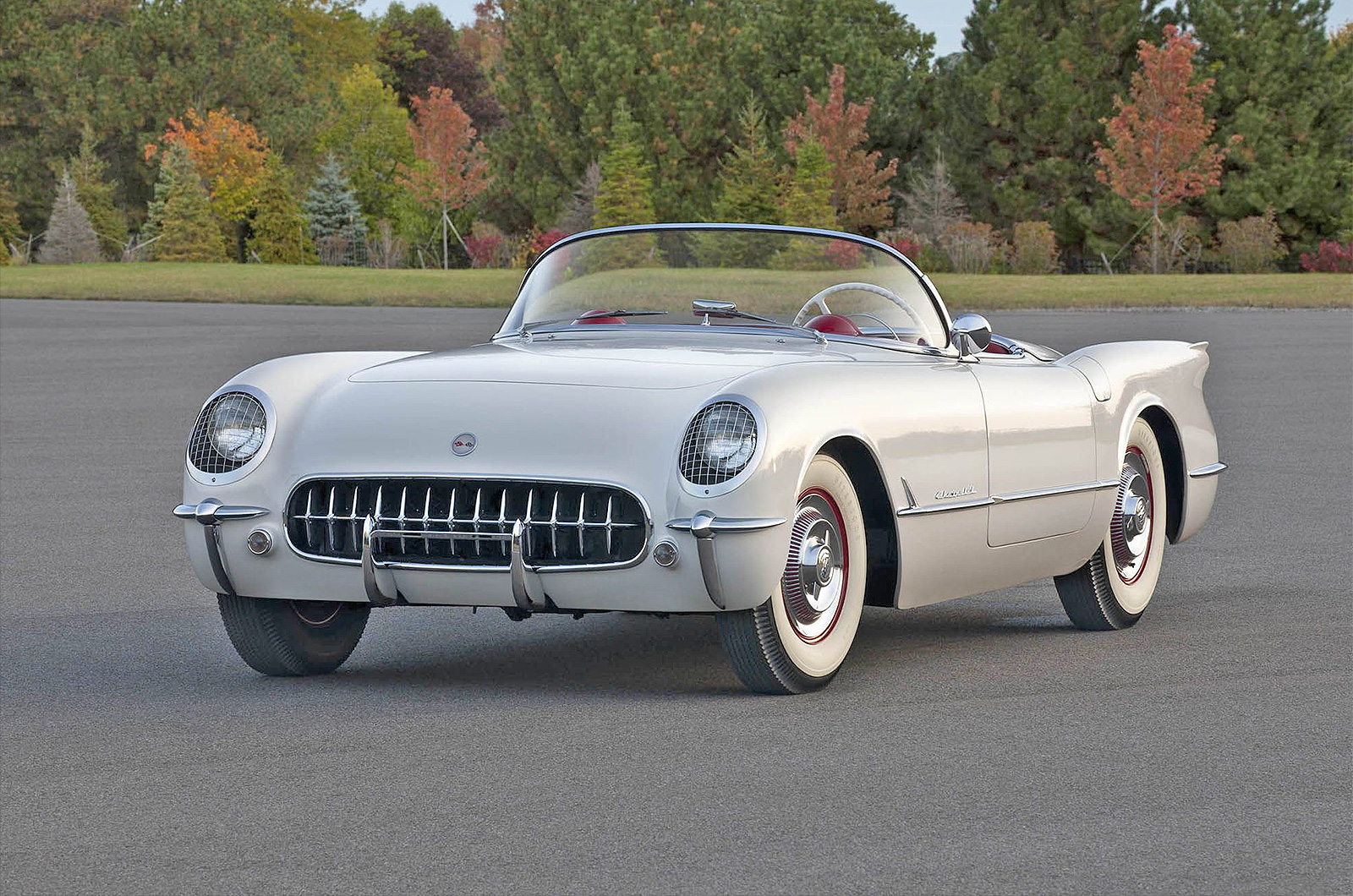
Glassfibre (not Fibreglass, which is a brand name) was the wonder material of the 1950s. It allowed low-volume companies to offer bodyshells to reclothe pre-war cars that had rotted away. Meanwhile, in the US Chevrolet was busy building the world’s first production car with a glassfibre bodyshell – a move that would be copied around the globe by lots of other sports car makers.
Citroën DS (1955)
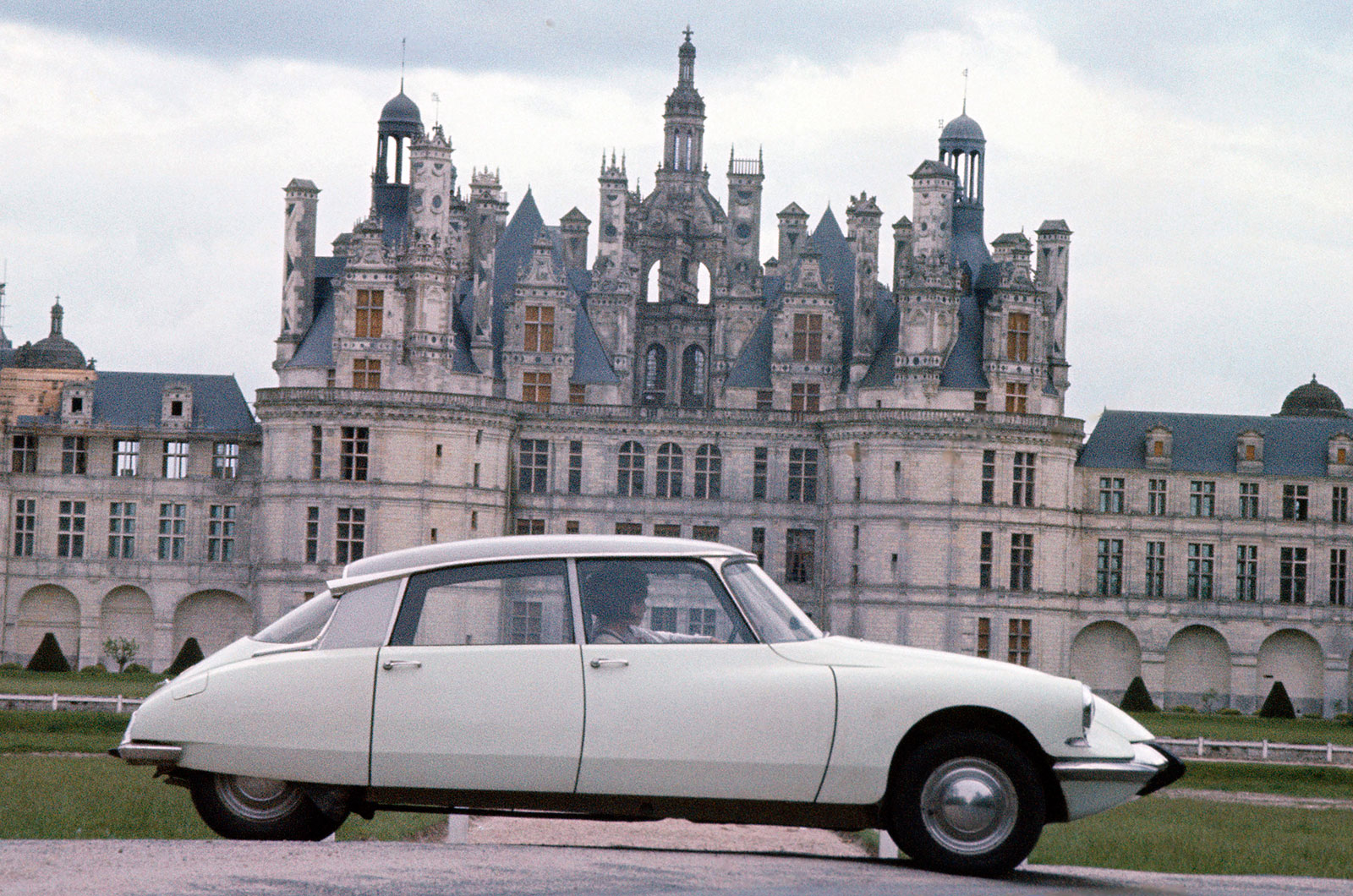
Although Jaguar was the first car maker to fit a modern design of disc brake to its C-Type racer, it was Citroën which brought such technology to the road, with its avantgarde DS. With its power-assisted in-board disc brakes at the front, the DS enjoyed stopping power like no car before; within a year, Triumph was also using disc brakes on its TR3.
Mini (1959)
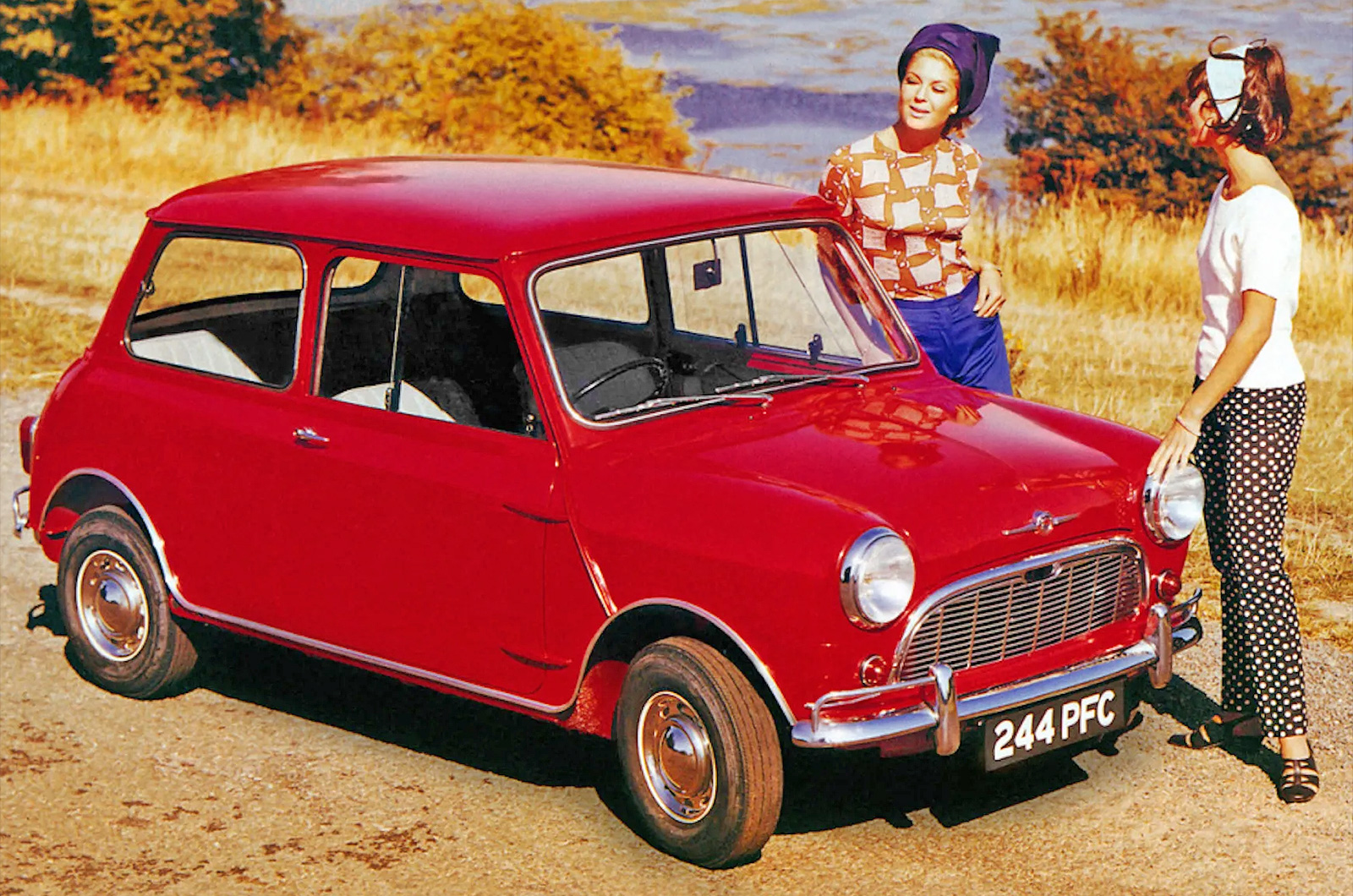
The Mini wasn’t especially advanced technically; everything incorporated in this tiny marvel had been seen elsewhere before. What the Mini did offer was blend several key technologies into one affordable cutting-edge package with its transverse engine and front-wheel drive. Soon after the car’s arrival in 1959, the microcar market had been killed off, as the Mini did everything bigger and better, often at a lower price.
Chevrolet Corvair (1960)
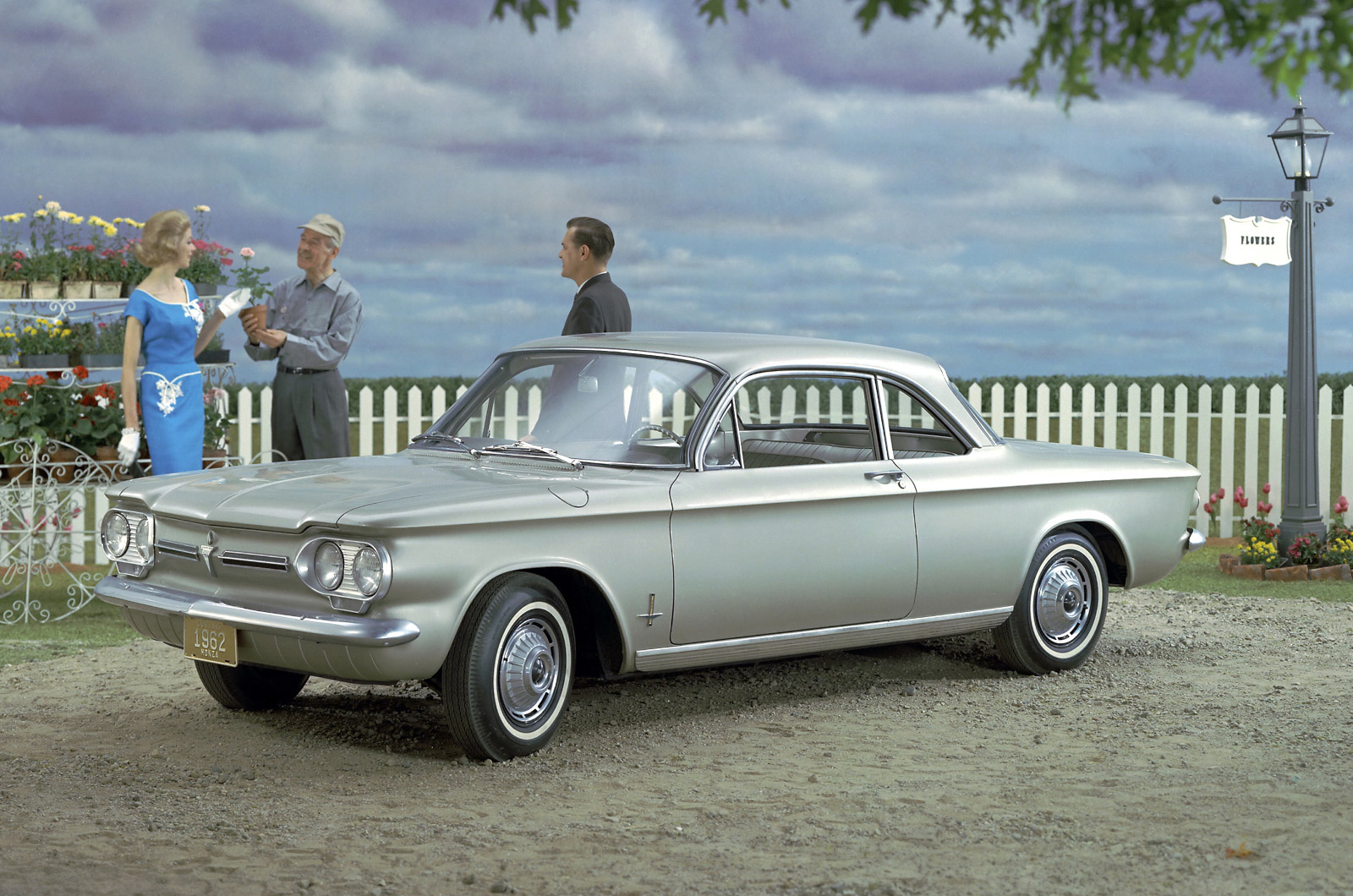
The Chevrolet Corvair was influential for all the wrong reasons. GM skimped on the rear suspension design which could lead to the driver losing control in an emergency manoeuvre. Activist Ralph Nader latched onto this and he made it his mission to make cars safer; his book ‘Unsafe at any speed’ led directly to the setting up of the National Highway Traffic Safety Administration which tightened up the rules around car design and production.
Bonnet Djet (1962)
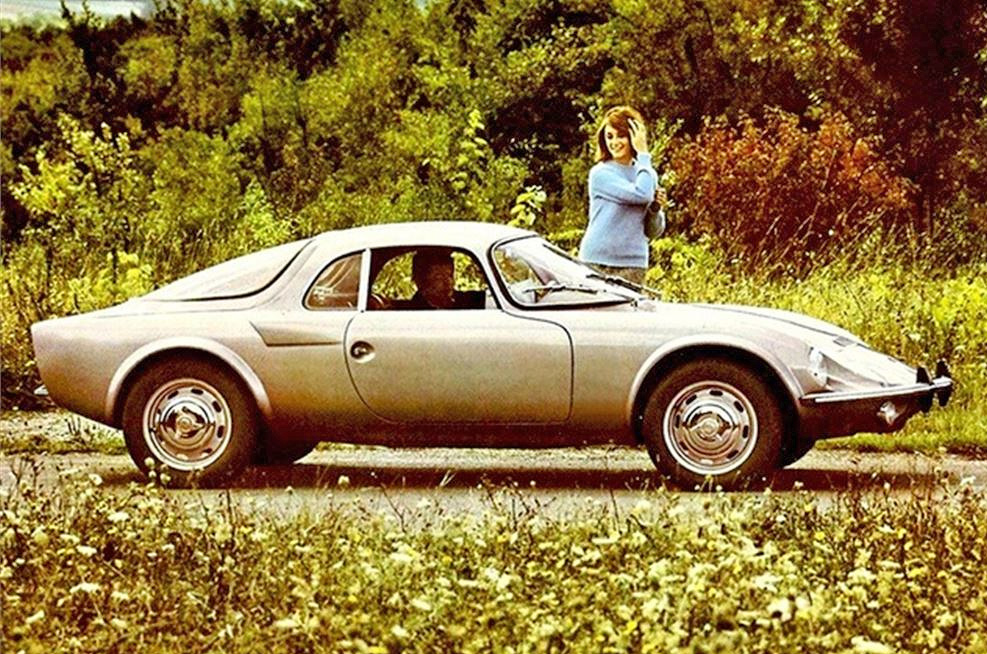
In 1958 the first mid-engined Formula One cars lined up on the grid. Four years later, the same technology reached the road, with Bonnet’s Djet, to create a car with perfect balance. Those mid-mounted mechanicals were all borrowed from Renault to keep costs down, while the light and narrow glassfibre body ensured superb agility. In the coming years all the best sportscars would follow the Djet’s mid-engined formula.
Ford Mustang (1964)
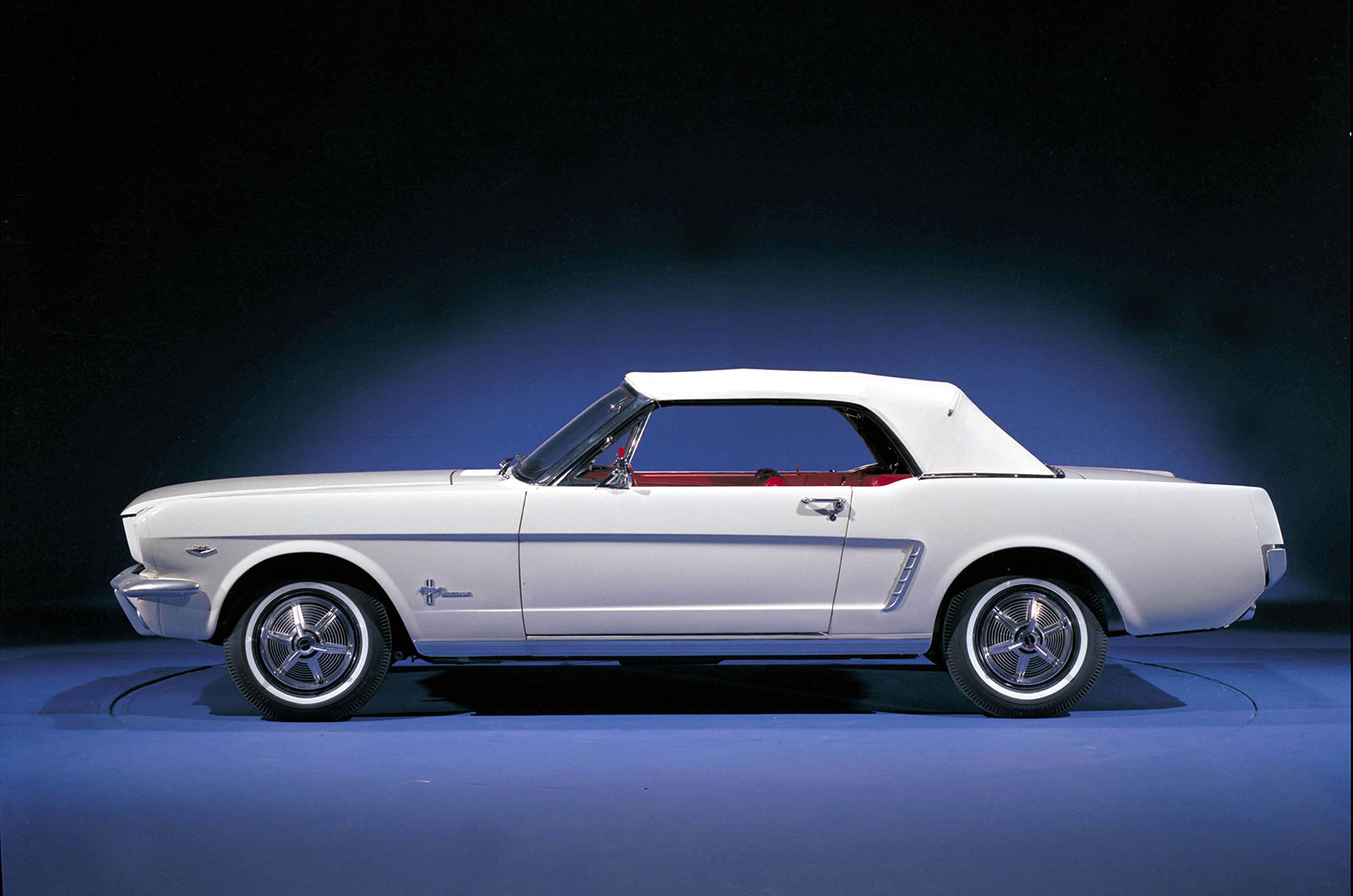
The Mustang was dubbed Ford’s pony car; an affordable sporting machine that could be tailored to suit the owner’s pocket and tastes. When it went on sale in 1964 the Mustang soon became the fastest-selling car in history, which is why it didn’t take long for Ford’s rivals to want a piece of the action. Before we knew it buyers had a much bigger choice of pony cars while the Mustang’s success led directly to the creation of the Capri for Ford of Europe.
Pontiac GTO (1964)
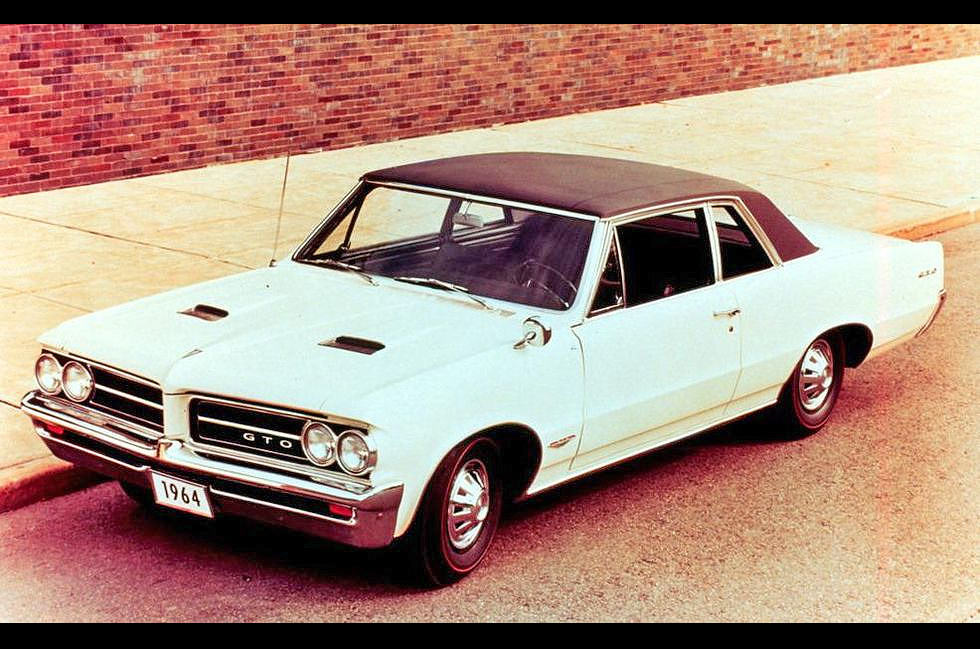
Think sixties American car and you think V8-powered coupé with massive power. Or in other words, muscle car. This is where it all started; the Pontiac GTO of 1964. At first the GTO wasn’t a model in its own right; it was an option package on the Tempest, but by 1966 Pontiac was marketing the GTO as a stand-alone model. Next thing we knew, a whole industry had sprung up around the muscle car.
Renault 16 (1965)
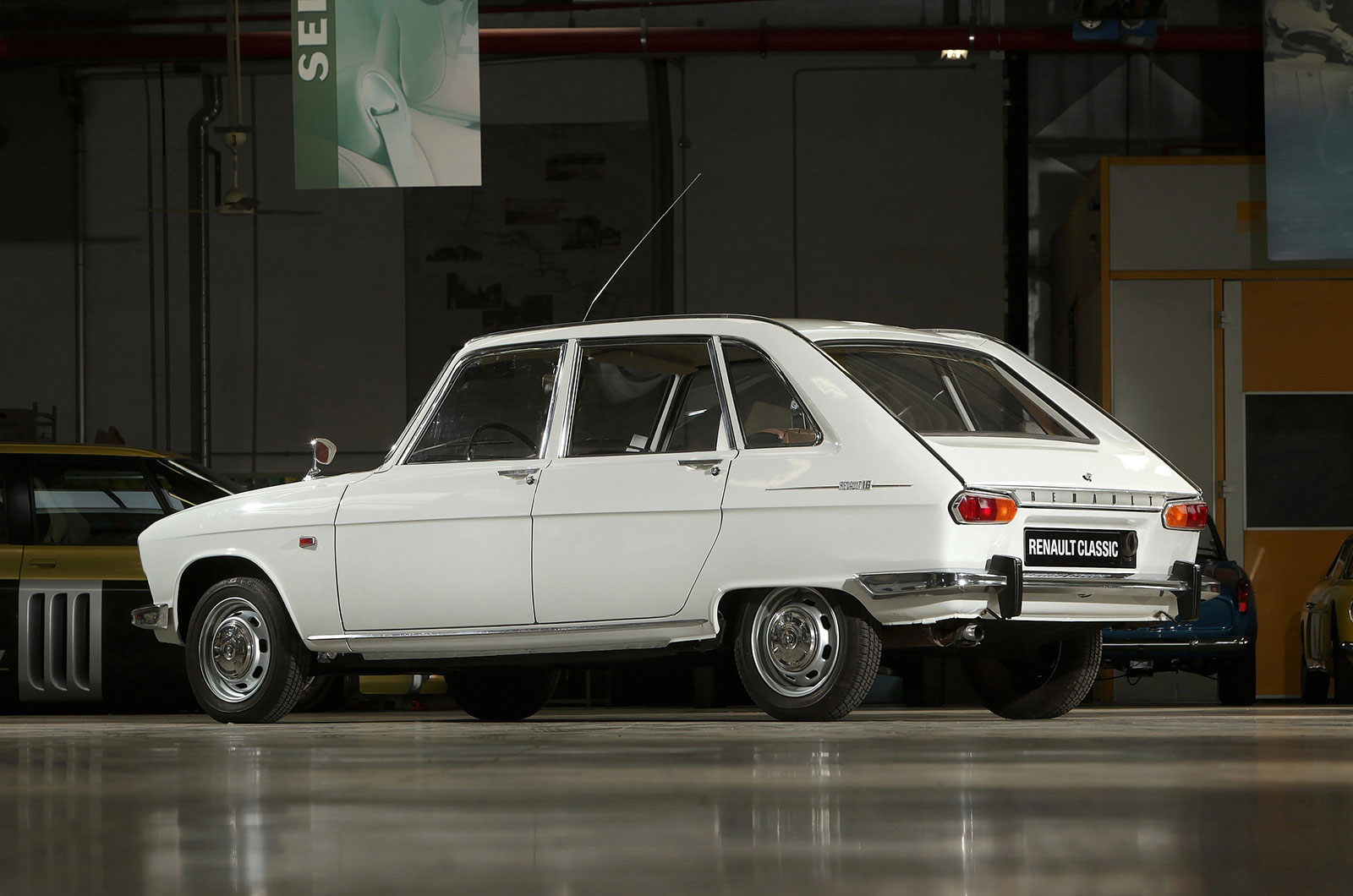
Citroën was the first to offer a front-wheel drive hatchback with its 1939 Traction Avant Commerciale. But the concept didn’t really take off and it was Renault that made the hatchback a commercial success with its 16 of 1965. This was the first mainstream, affordable front-driven hatch and it created a template that’s now used around the globe by every mainstream car maker.
Volvo 140 (1966)
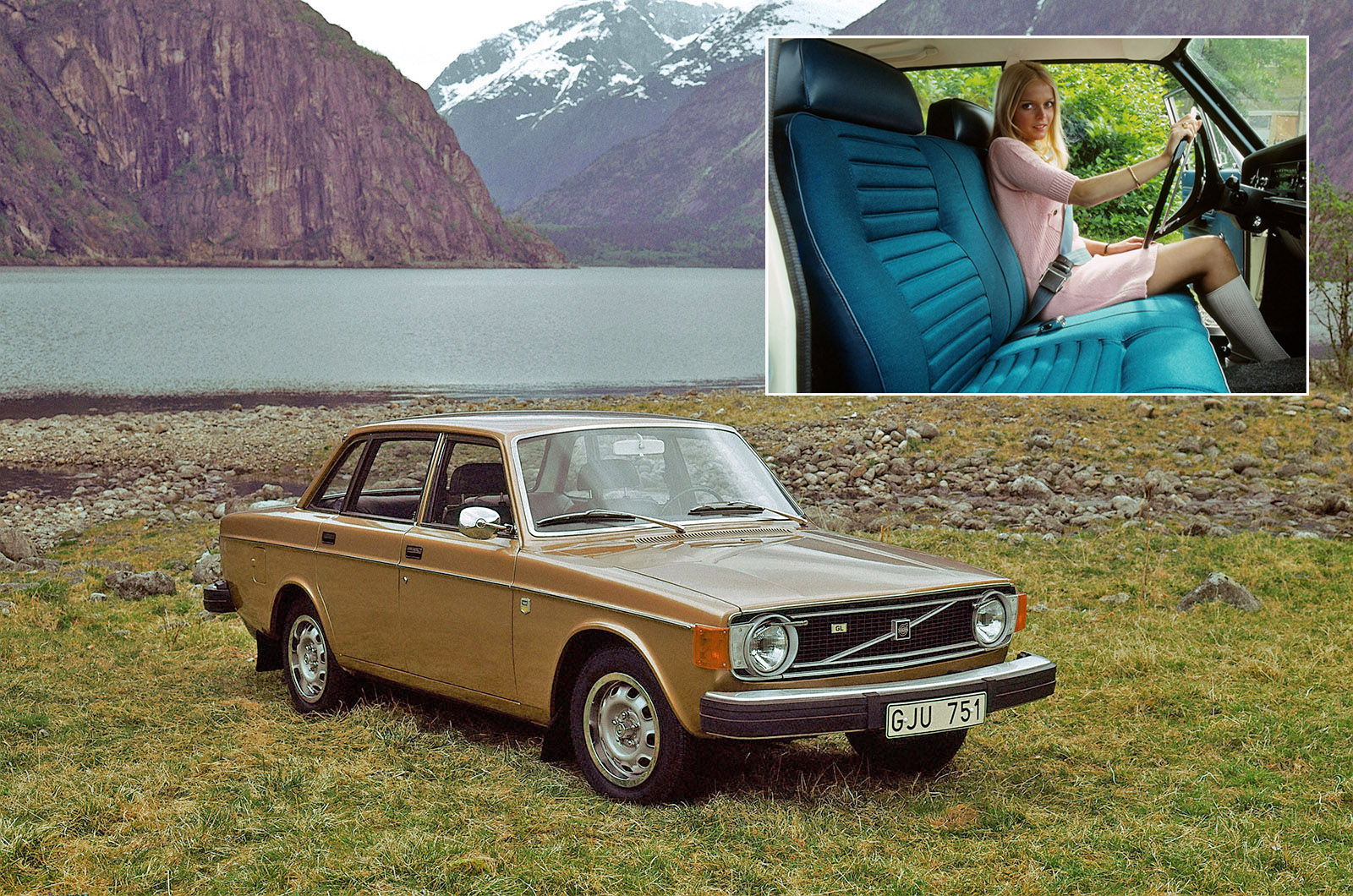
This feature could have been filled with Volvos, the company has introduced so many safety-related firsts, such as the three-point front seatbelt in 1959. In 1966 came the first crumple zones in the 140-Series; it took a while, but in time such safety features would become crucial to car buyers – and save millions of lives.
NSU Ro80 (1967)
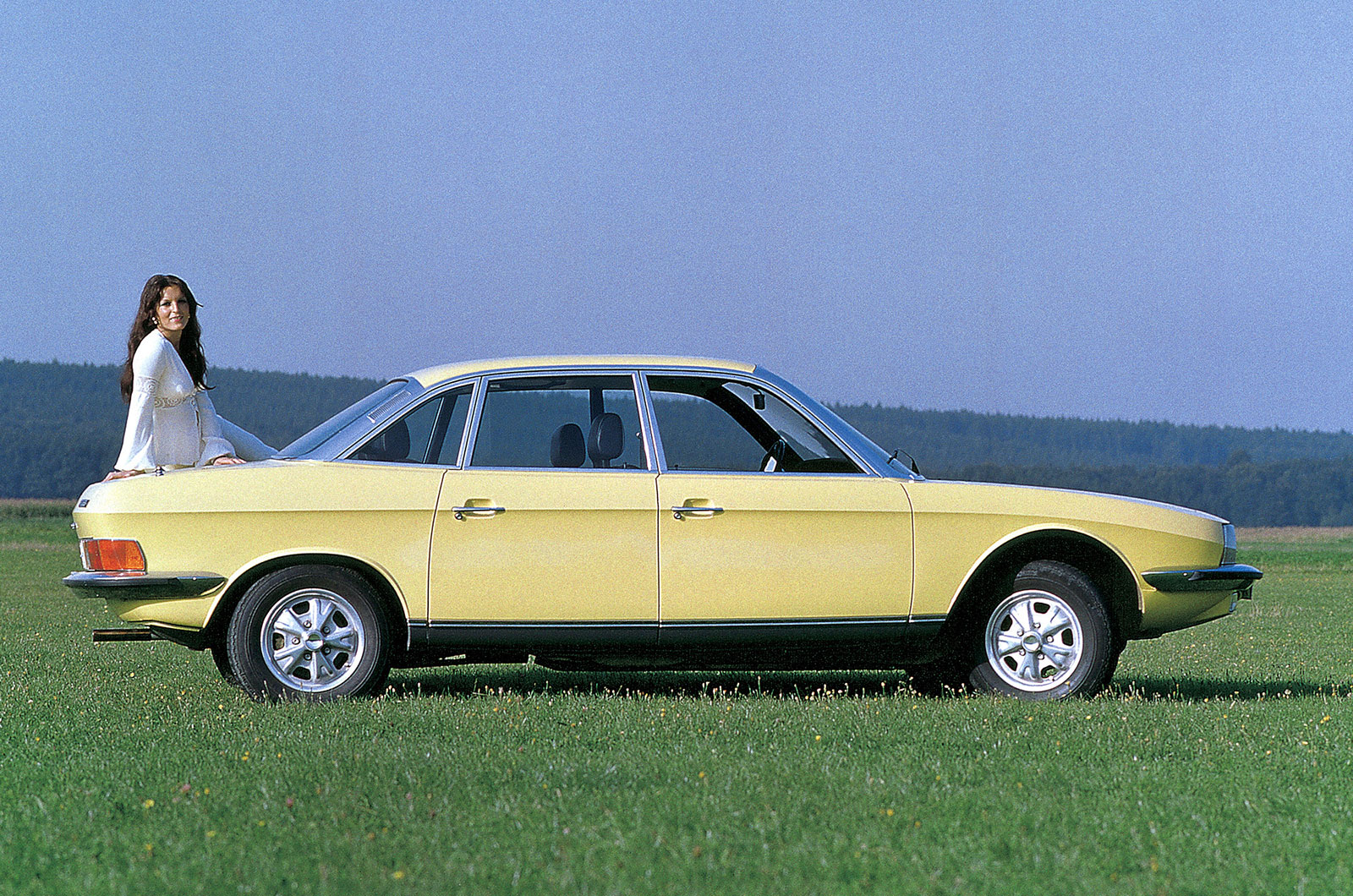
NSU had introduced its Wankel Spider in 1964, but the Ro80 was the car which took rotary engine technology and made it relatively mainstream. Sadly NSU couldn’t make the engine work reliably, and the company was bankrupted as a result, leading to a buy-out by VW. If that doesn’t sound like a great legacy, we have the Ro80 to thank for its wind-cheating design; it took aerodynamics to a whole new level.
Range Rover (1970)
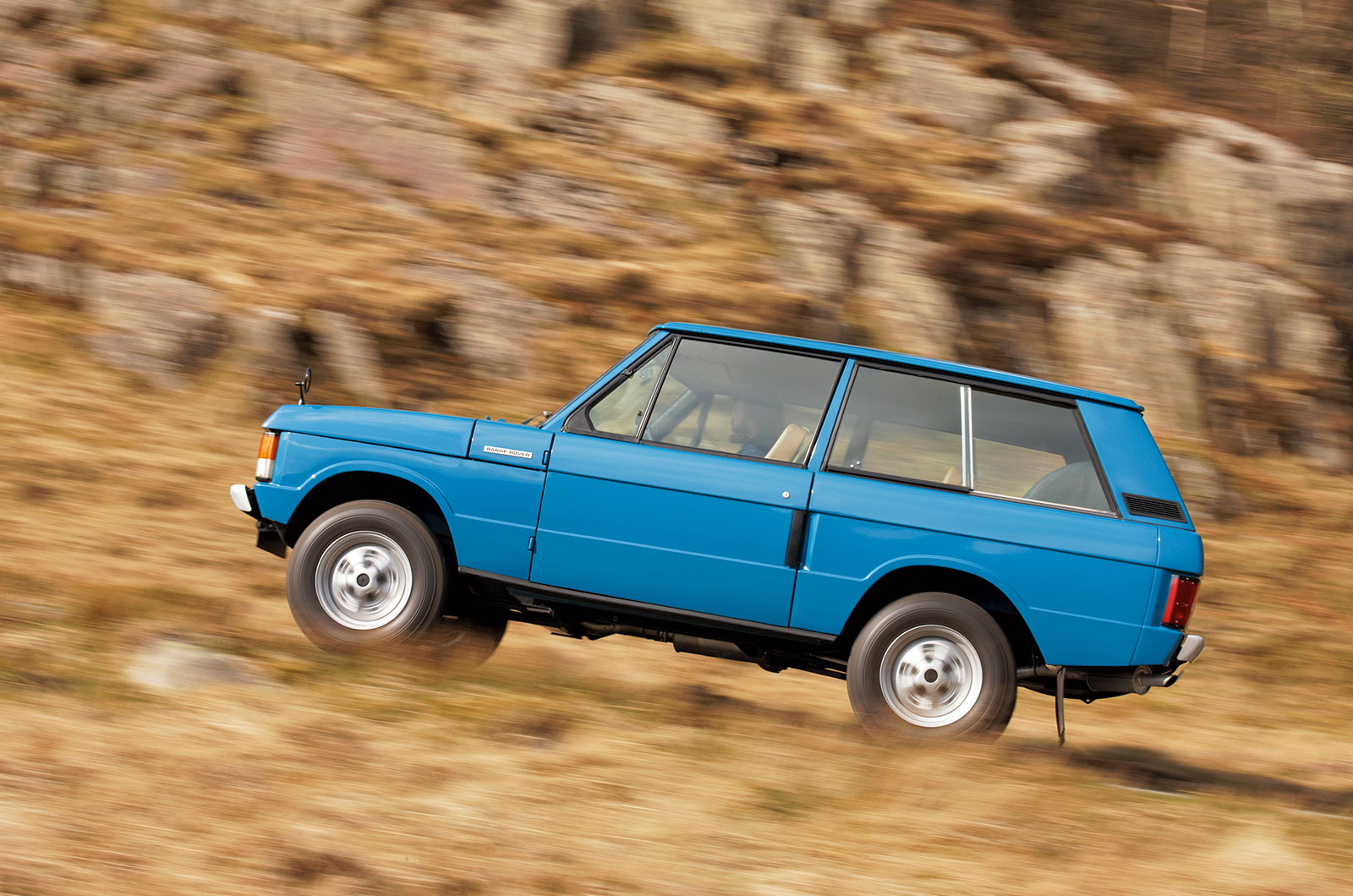
Spyker had offered a four-wheel drive car as early as 1903, but it wasn’t until the Jeep of 1941 that mass-produced 4x4s became a reality. That was the thing about four-wheel drive; it was for utilitarian vehicles. Influenced by the Jeep Wagoneer of a few years earlier, the Range Rover of 1970 took the luxury SUV recipe and moved the game on. Here was a luxury car that could go almost anywhere. Today, the Range Rover is still on top of its game and it looks like an all-new fifth generation version will continue that theme.
Triumph Dolomite Sprint (1973)
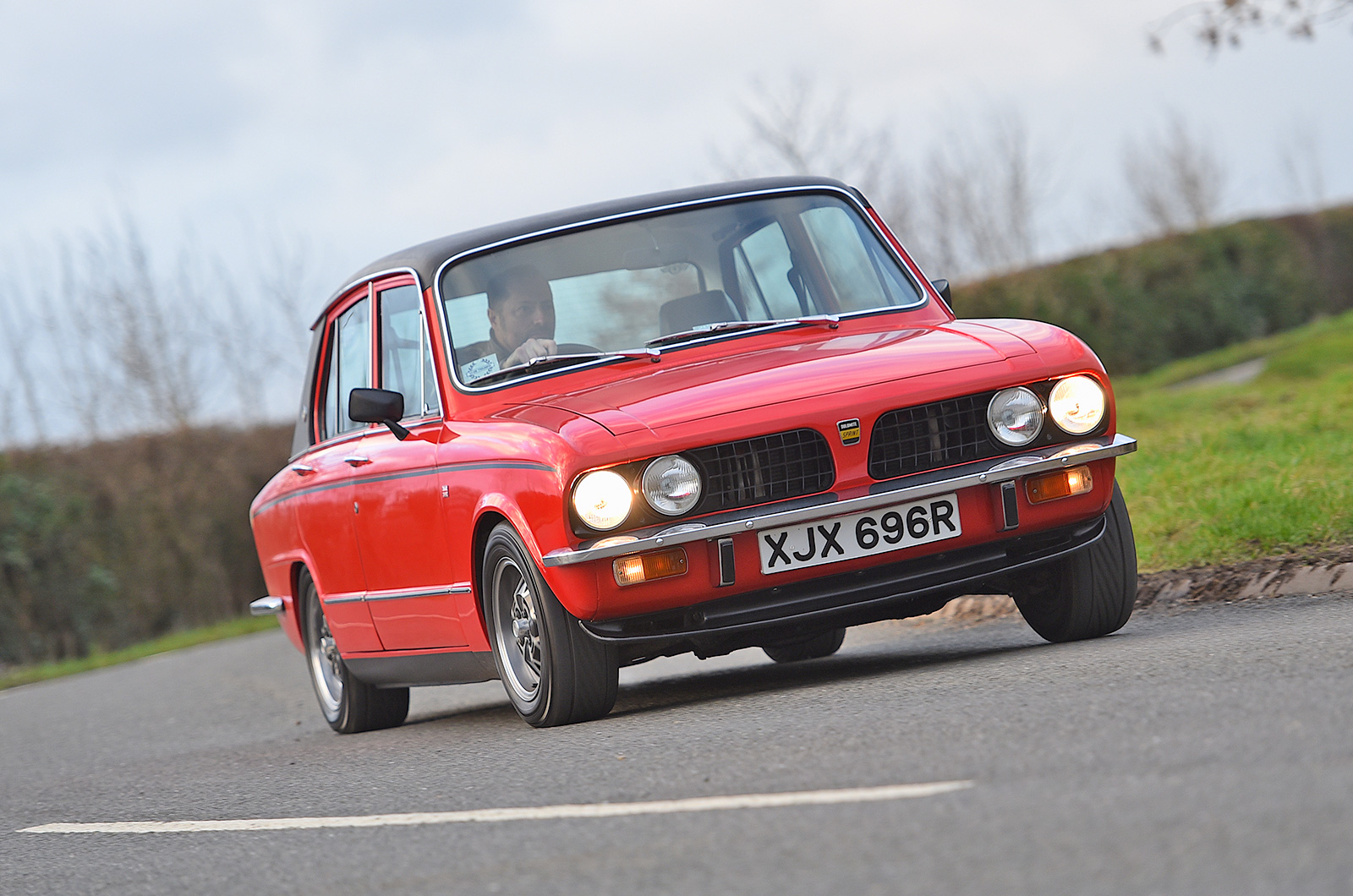
The problem with engines that feature just a pair of valves per cylinder, is that you can have either low-down torque or high-end power, but not both. Fit a quartet of valves to each cylinder, and you can have your cake and eat it – as Triumph found when it introduced the first mass-made four-valve-per-cylinder engine in 1973, in its Dolomite Sprint. Once again, it would take a while to catch on, but 16-valve engines would become the norm more than a decade later. PICTURE: late model
Volkswagen Golf GTi Mk1 (1976)
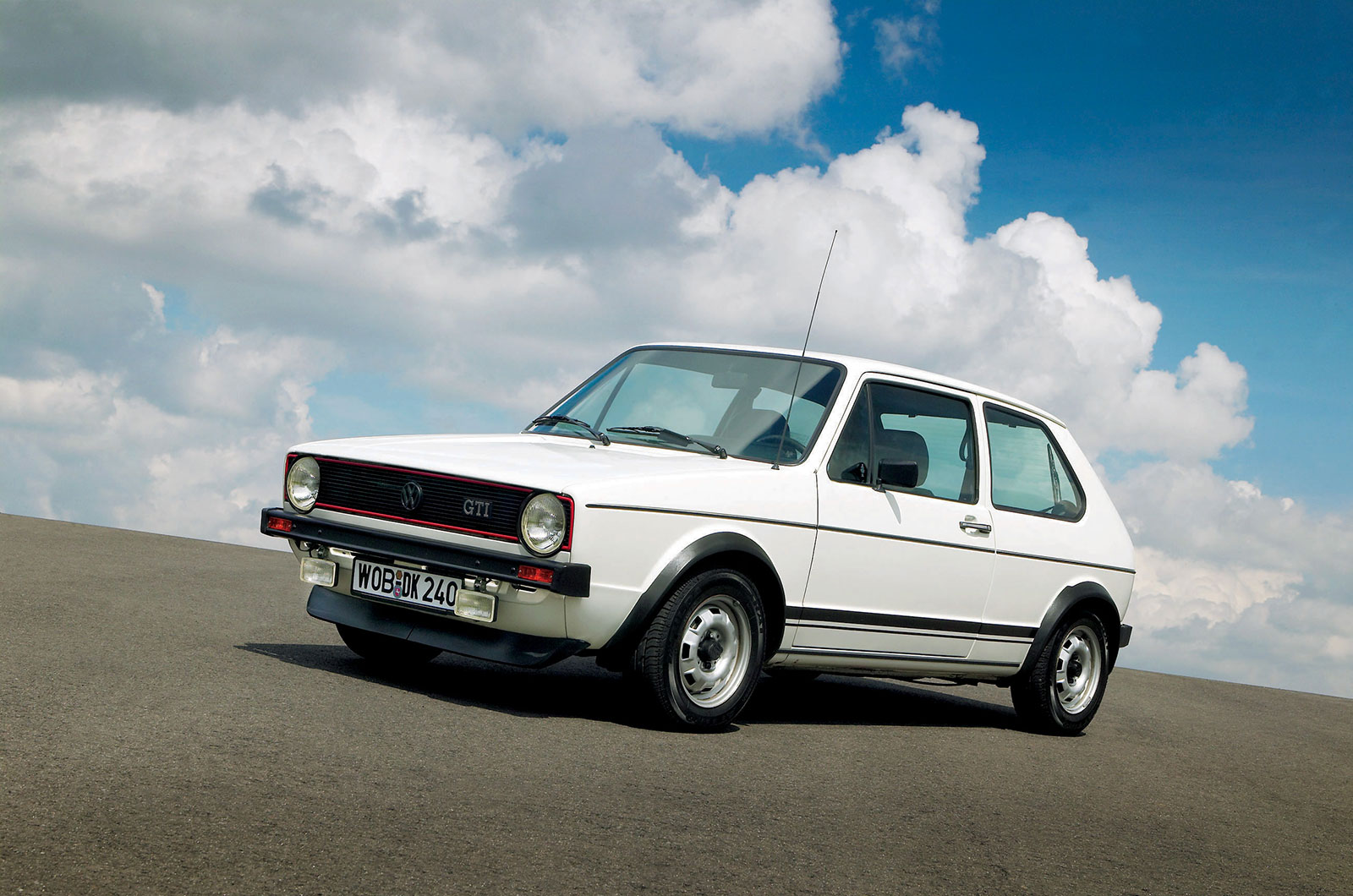
Hatchbacks were always meant to be practical family cars; the idea of crossing one with a sportscar didn’t make sense, until a team of Volkswagen engineers created a hot Golf in their spare time. When the Golf Sport was shown as a project at the 1975 Frankfurt motor show, VW’s management was taken by surprise at the reaction. The hot hatch had been born and it wouldn’t take long for a raft of imitators to arrive.
Saab 99 Turbo (1978)
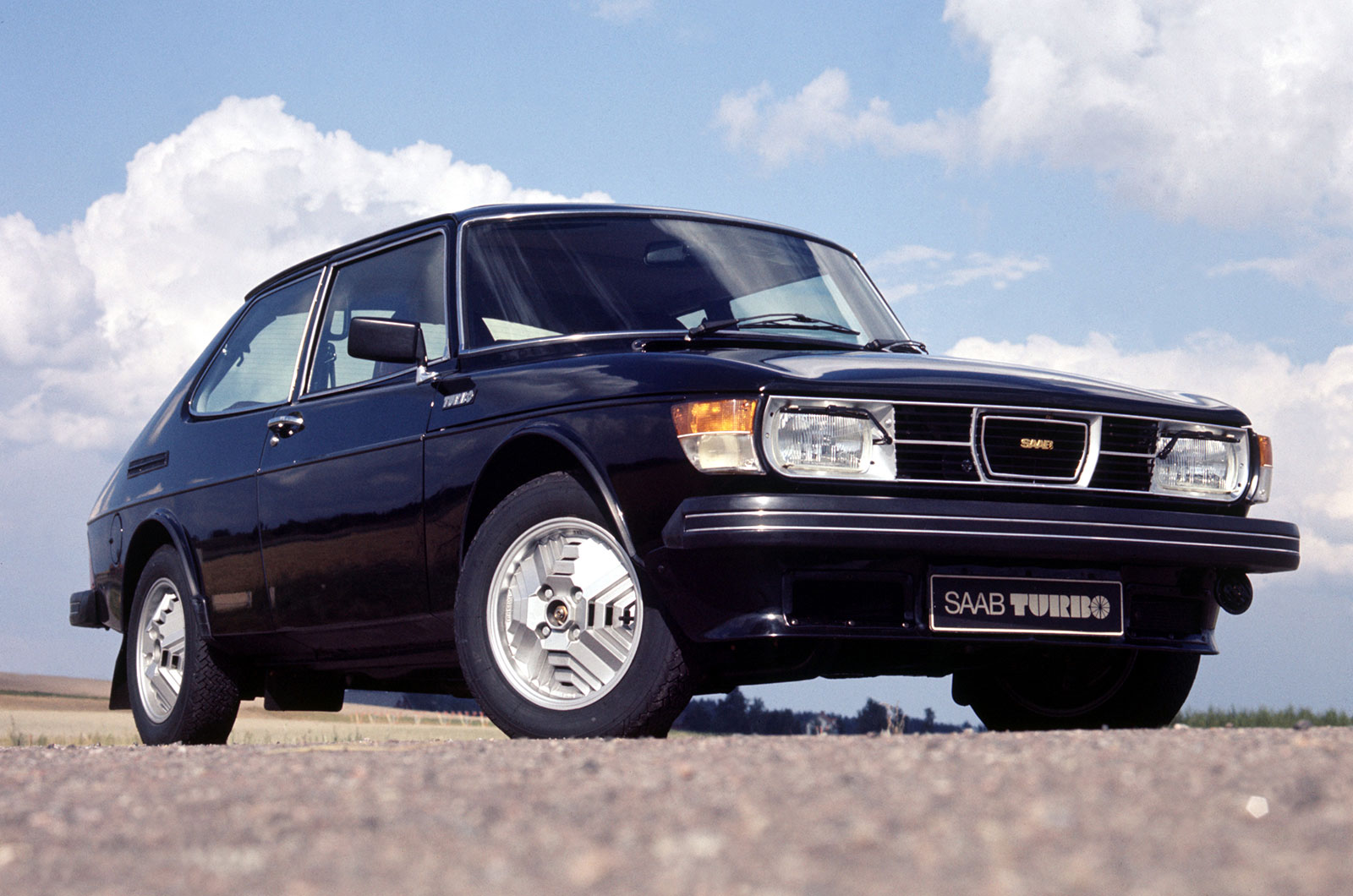
The Saab 99 wasn’t the first turbocharged car; that had arrived 16 years earlier with the short-lived Oldsmobile Jetfire while the BMW 2002 Turbo and Porsche 911 Turbo both pre-dated it. What the 99 did was take the technology mainstream and refined it so that a turbocharged car could be driven on an everyday basis.
Audi Quattro (1980)
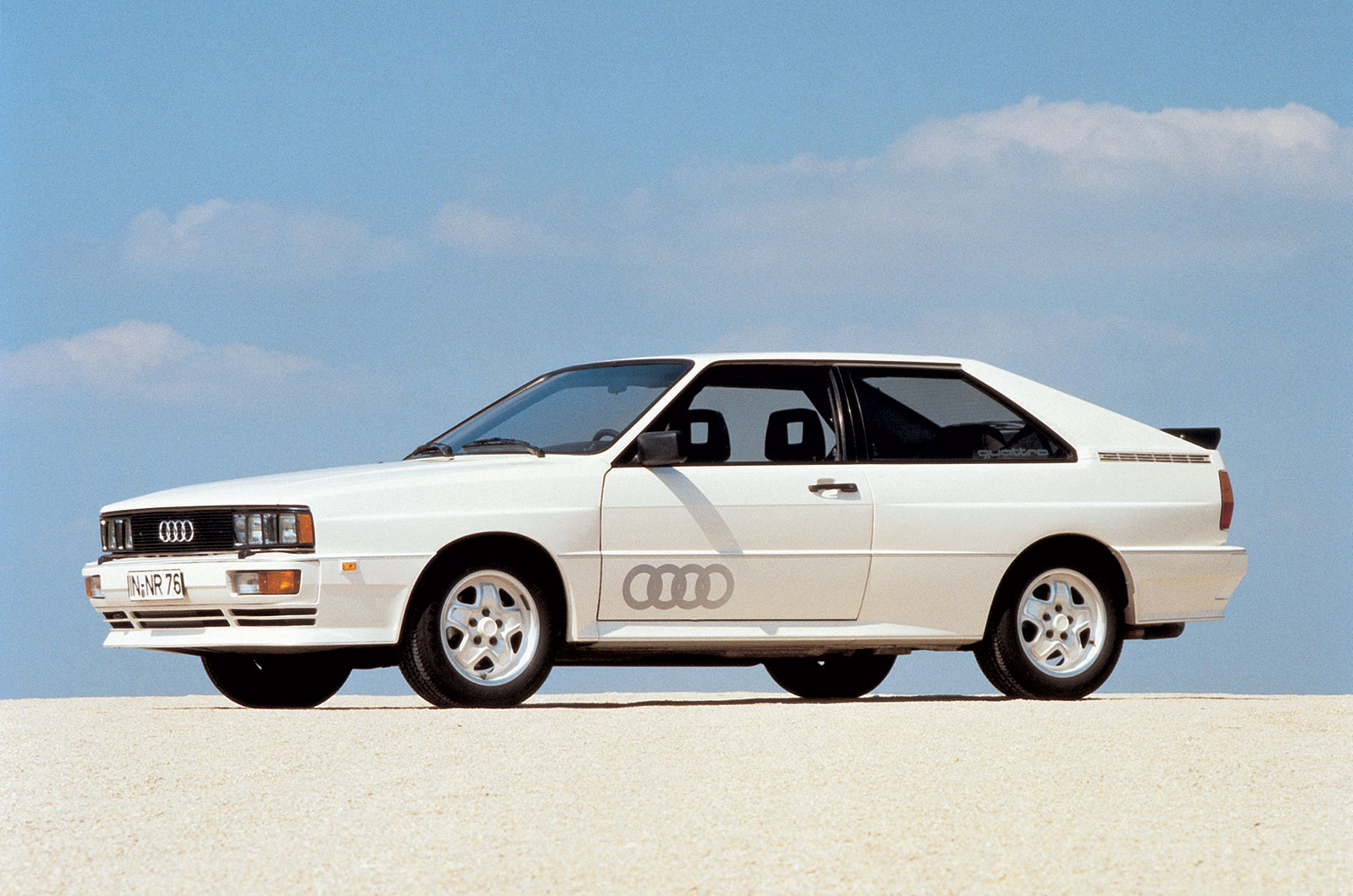
The Quattro may not have been the world’s car with first four-wheel drive, but it was the first to match such technology with serious performance. The Quattro would go on to dominate rallying leading to a raft of other high-performance cars with 4WD, from the Citroën BX and Peugeot 405 to the Lancia Delta Integrale and Subaru Impreza.
Plymouth Voyager (1983)
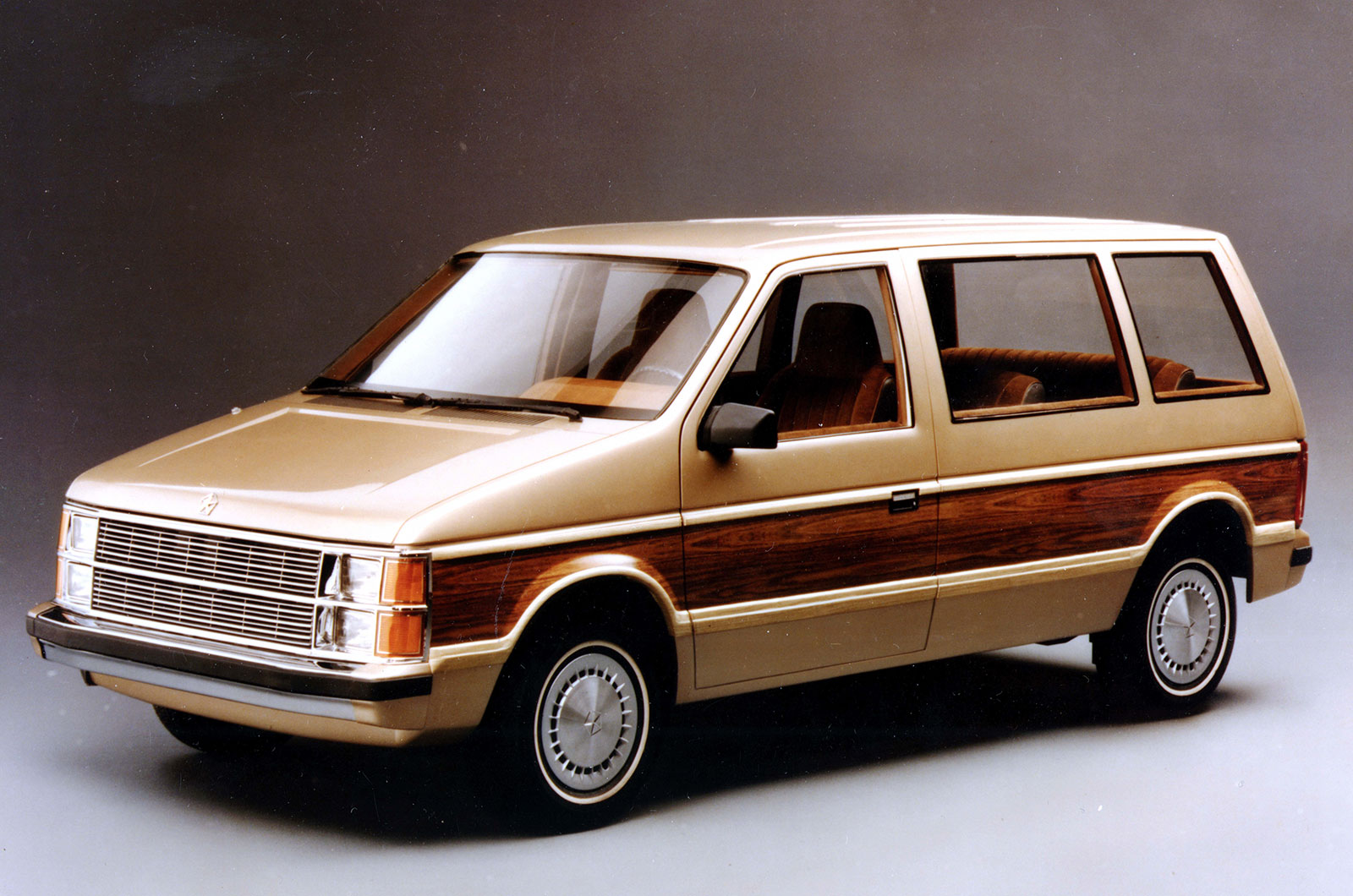
In 1984 Renault would come up with Europe’s first people-carrier, but the previous year Chrysler had introduced the world’s first, in the form of the Dodge Caravan and Plymouth Voyager. Offering seating for seven with interior flexibility like never before, few would have guessed how influential – and massively popular – these vehicles would become. This class of car today has largely been supplanted by the SUV – where a seven seat configuration is very popular.
BMW M5 (1985)
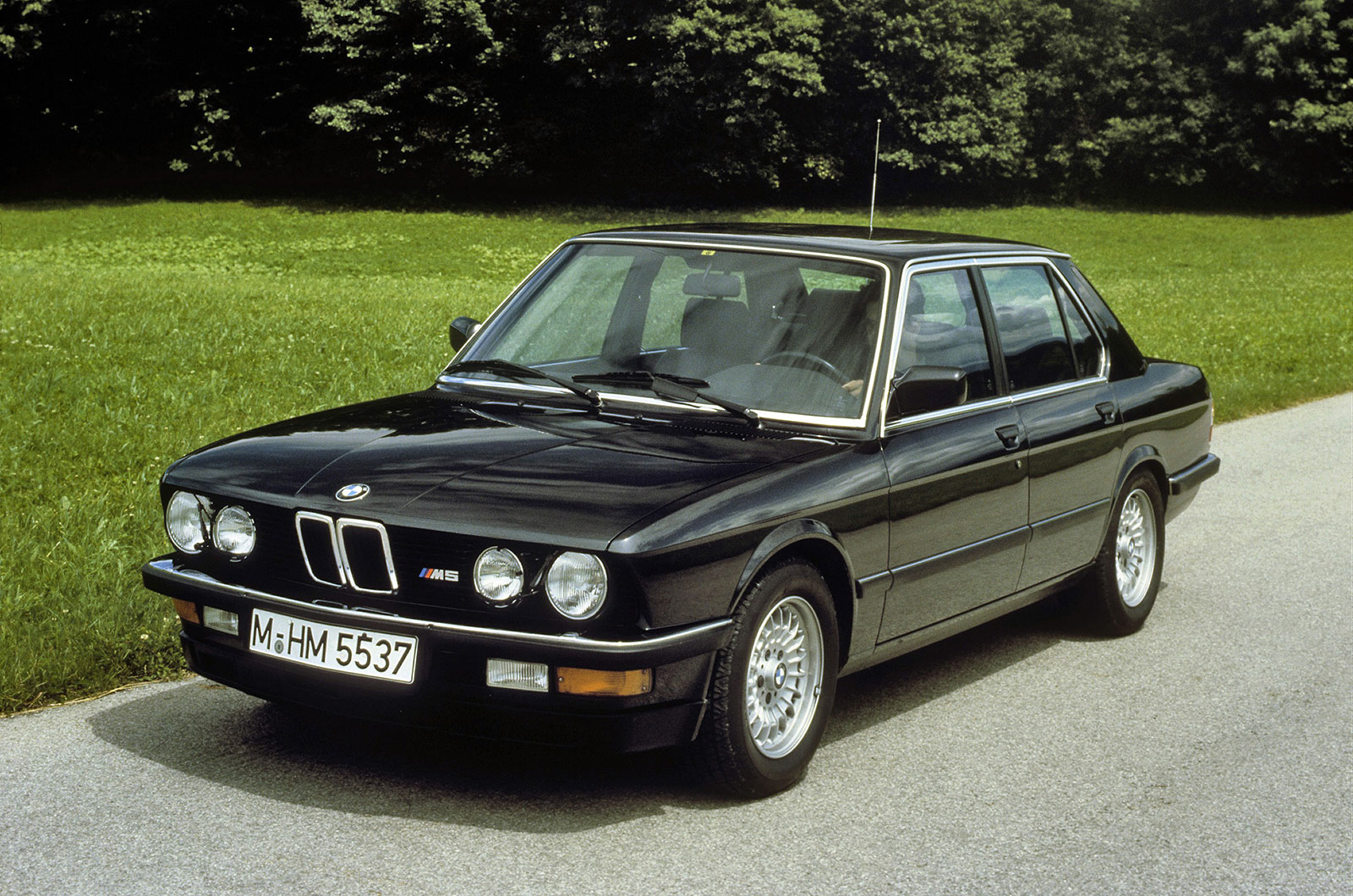
The BMW wasn’t the first powerful saloon car but it did introduce a concept that has become much-copied since it arrived. When BMW introduced the first M5, based on the second-generation 5-Series saloon (the E28), few could have seen what the company had unleashed. While those early cars packed all of 286bhp, what made the M5 so intriguing was the fact that it looked barely more sporty than a 518i – it was the definition of a sleeper.
Land Rover Discovery (1994)
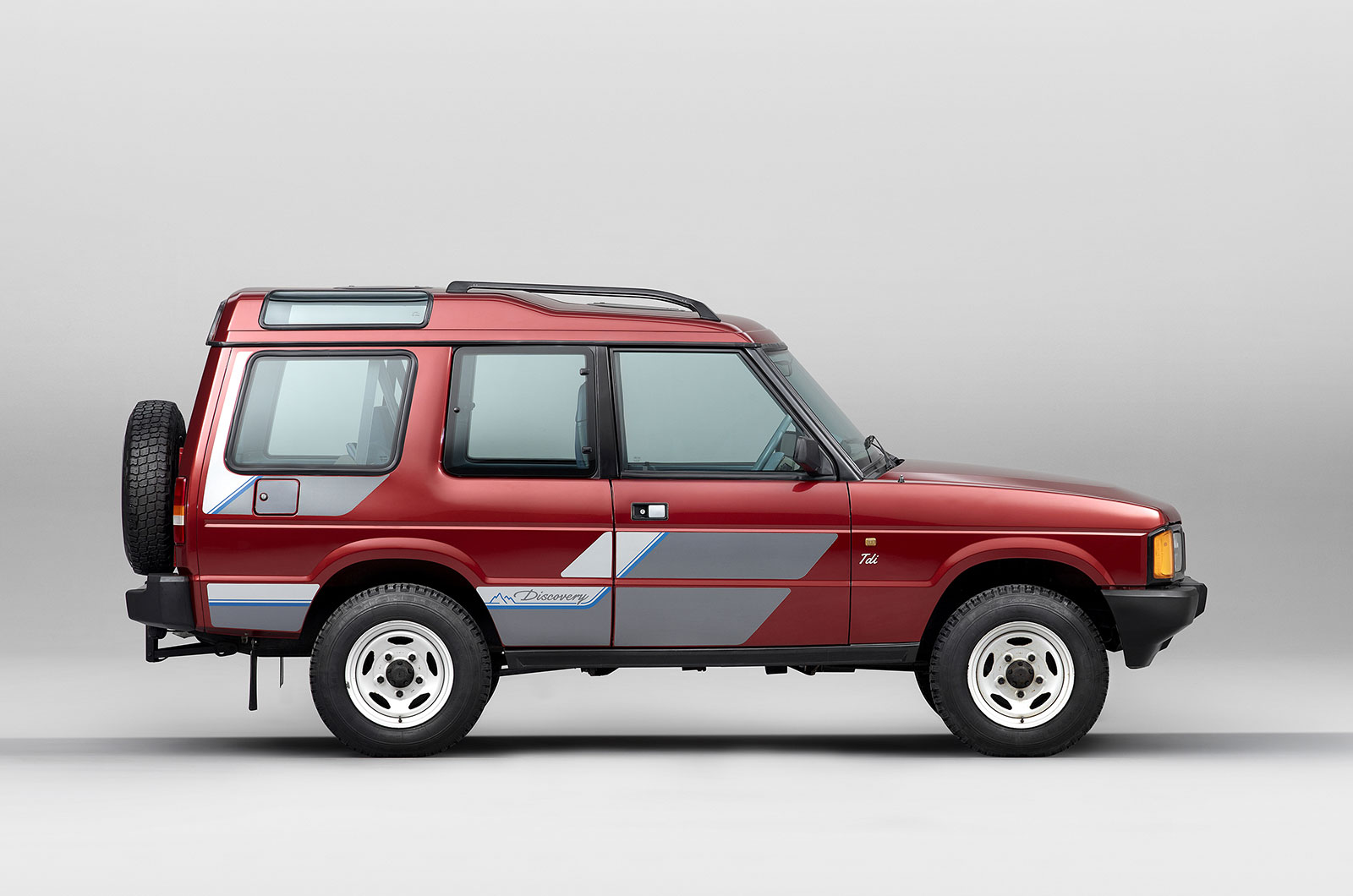
You can’t move now for seven-seat SUVs with three rows of forward-facing seats, but it was the Discovery that introduced us to the concept of a go-anywhere people-carrier. Sure there had been SUVs before (including the original Discovery of 1989) with pop-down occasional seats in the boot, but when the Discovery 2 made its debut in 1994 it featured flip-up seats with modern levels of safety and comfort – an idea that has since become much copied but never quite equalled.
Renault Megane Scenic (1994)
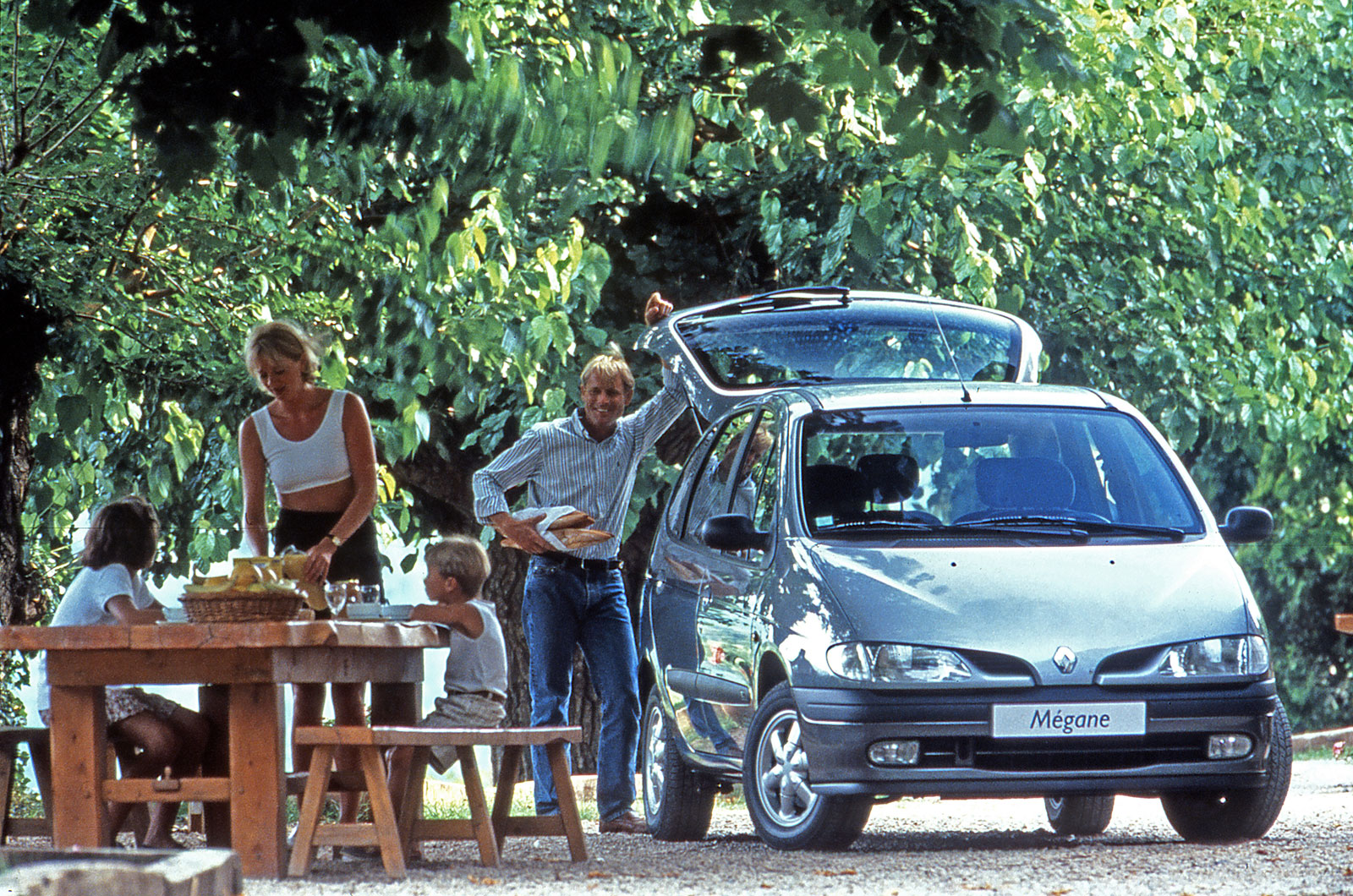
Following on from the success of the full-sized MPV a decade earlier, Renault came up with a notion that was initially rather popular – the compact MPV that could seat seven without the need for a parking space the size of a football pitch. Based on the Megane platform (and early cars were called Megane Scenic to reflect this), the Scenic was really a 5+2. It didn’t take long for rivals to launch their own take on the formula and they sold well until their market was stolen by a raft of SUVs which could invariably seat only five.
Toyota Rav4 (1994)
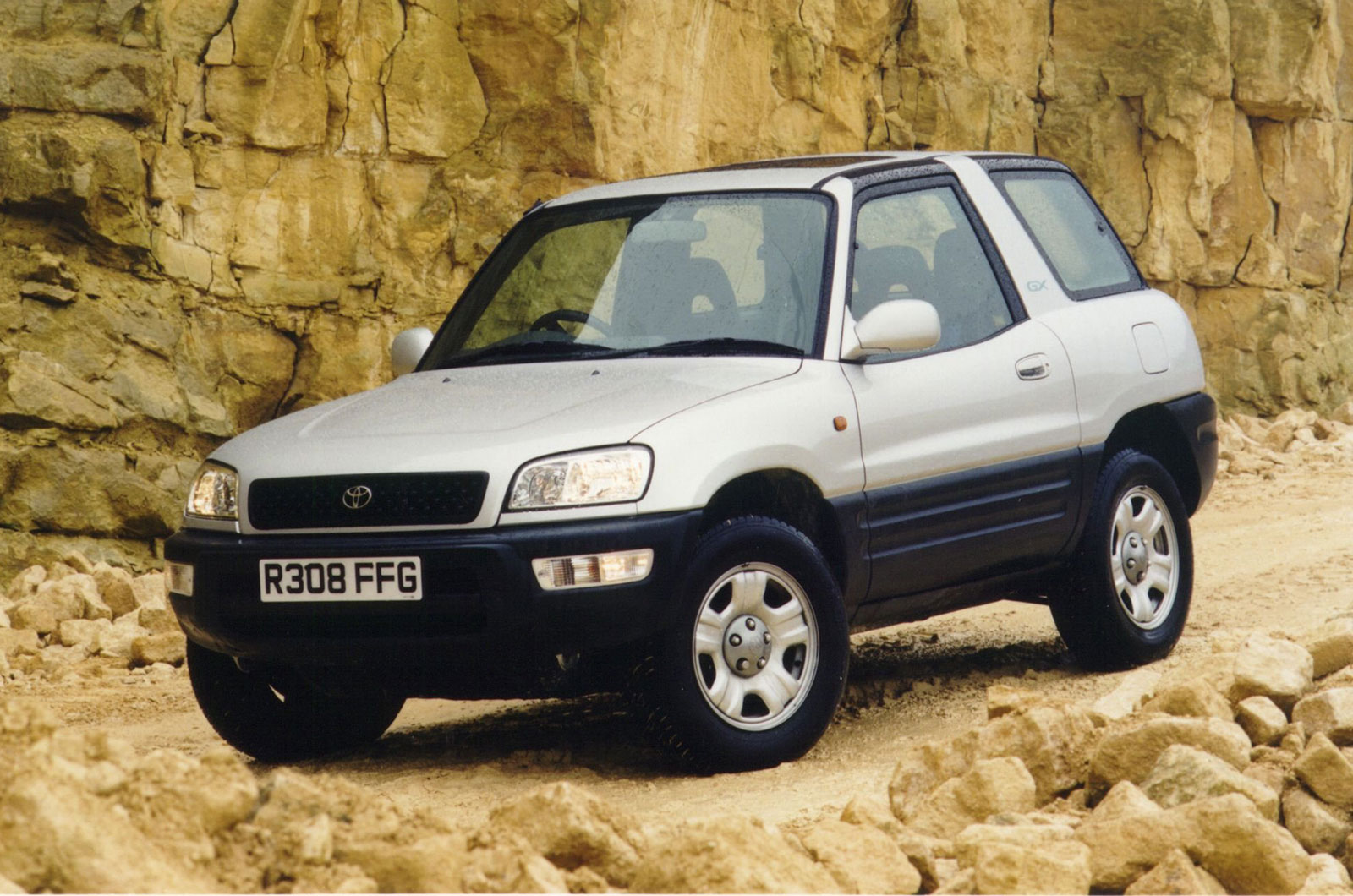
Before the Rav4 made its debut there had been plenty of rugged off-roaders with four-wheel drive; the Land Rover Defender, Suzuki SJ and multiple Jeeps all pre-dated it for example. Plus there was also Toyota’s own Land Cruiser, but it was the Rav4 that wrapped everything up into one very usable package so the benefits of an off-roader were combined with the efficiency of a compact hatch. Today the model is one of the world’s best-selling cars.
Toyota Prius (1997)
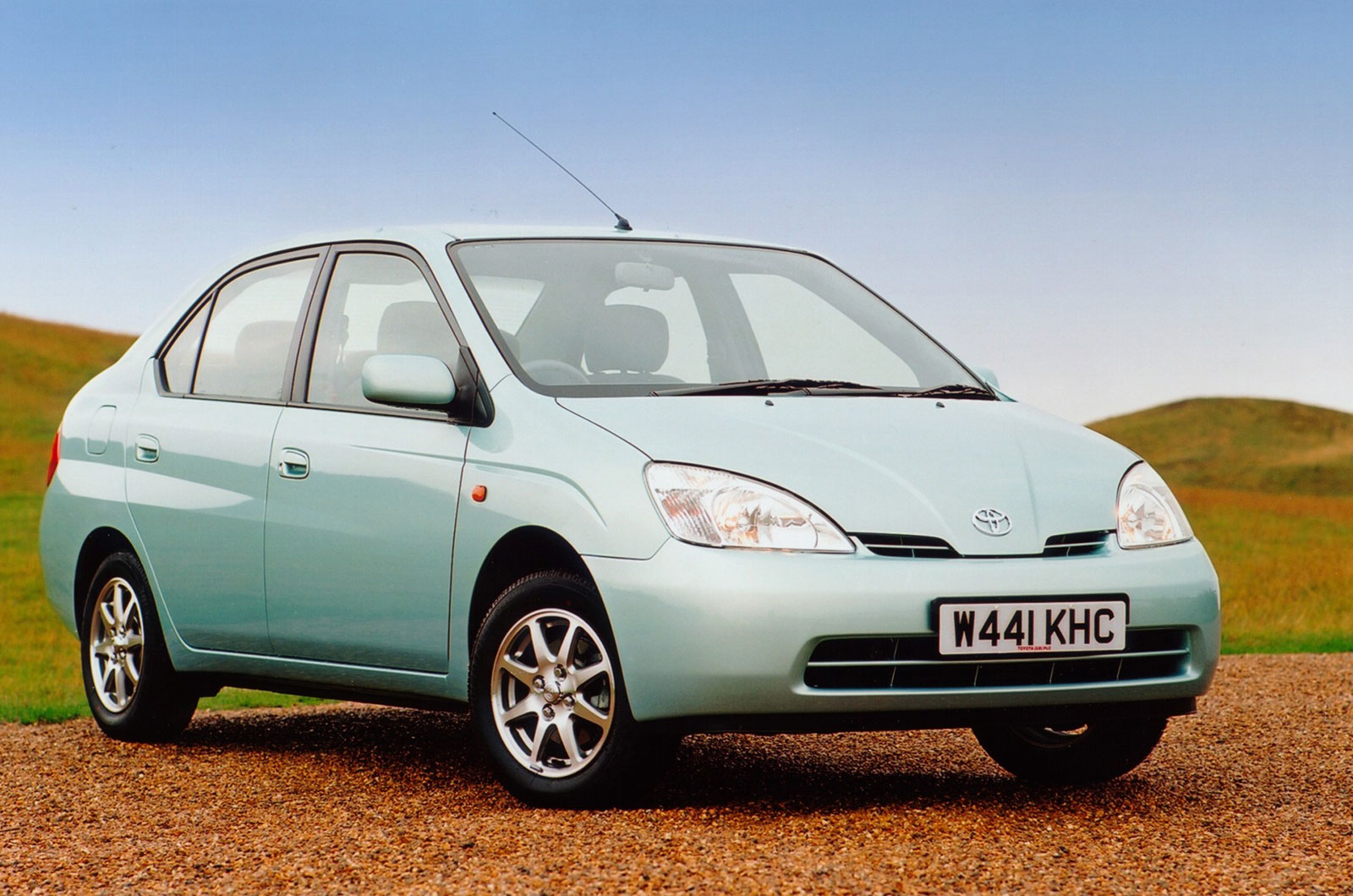
It may have featured awkward styling and limited practicality in its original guise, but the Prius created a hybrid template that is becoming the norm. First sold in 1997, the Prius was two years ahead of any rival – the next to come along was Honda with its futuristic-looking Insight. In 2030, the hybrid car will be the only type of fossil-fuel car you’ll be allowed to buy in the UK.
Nissan Qashqai (2006)
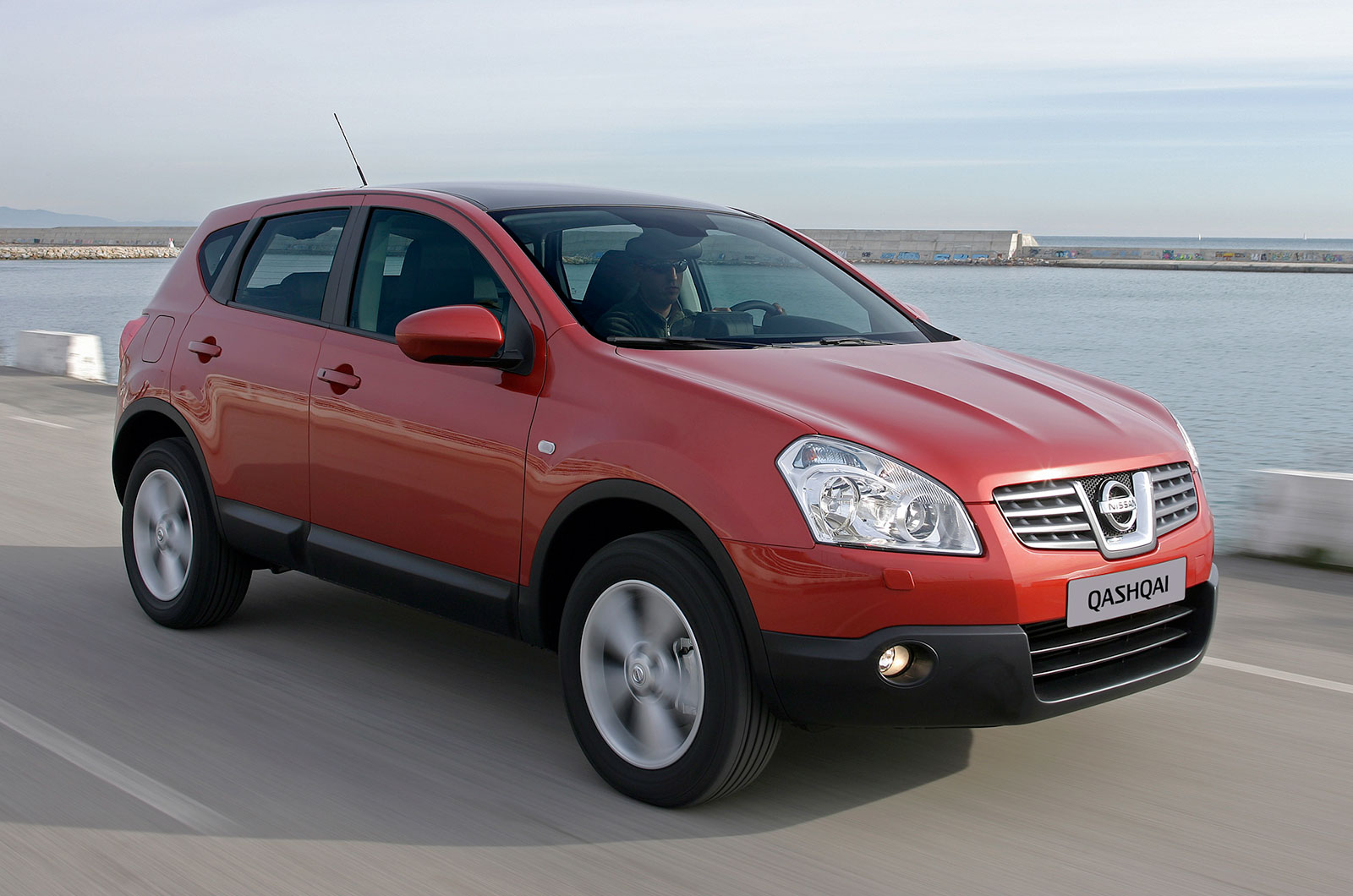
The crossover market has been booming seemingly for ever, but the Qashqai is credited with being the car that started the craze. In effect it took the compact SUV formula and refined it further, adding versatility and efficiency so that buyers could enjoy the benefits of an SUV but with lower running costs. From the second generation of this car onwards this car has been sold as the Rogue Sport in North America.
Nissan Leaf (2010)
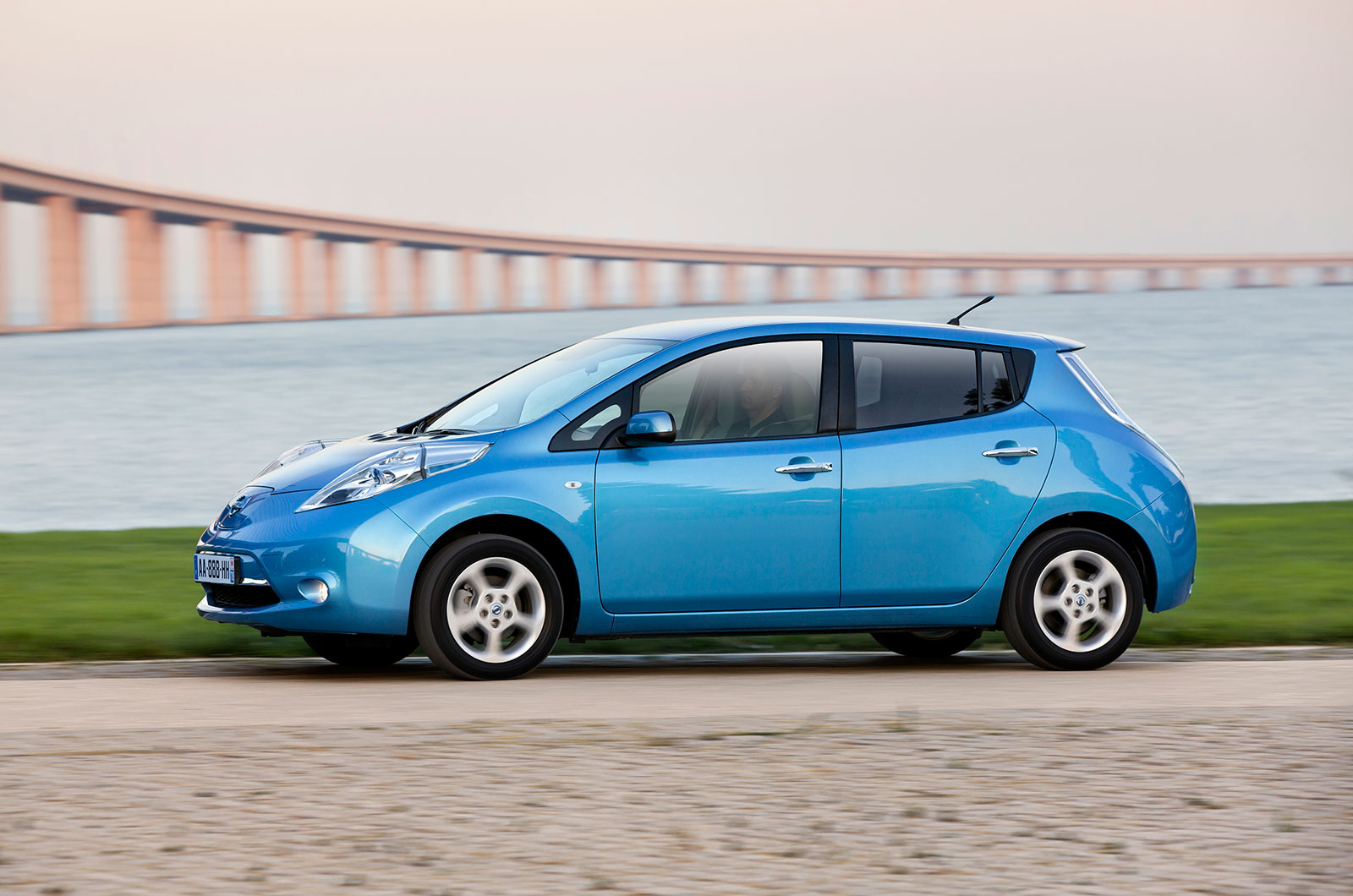
Since the Nissan Leaf burst onto the scene and in that time the EV landscape has changed immeasurably. Even now too many EVs are based on cars originally designed to run on fossil fuel, but the Leaf showed that with a clean-sheet design it’s possible to build a pure-electric family car that’s space-efficient, good to drive, affordable, and, for urban dwellers at least, a tolerable range.
Tesla Model S (2012)
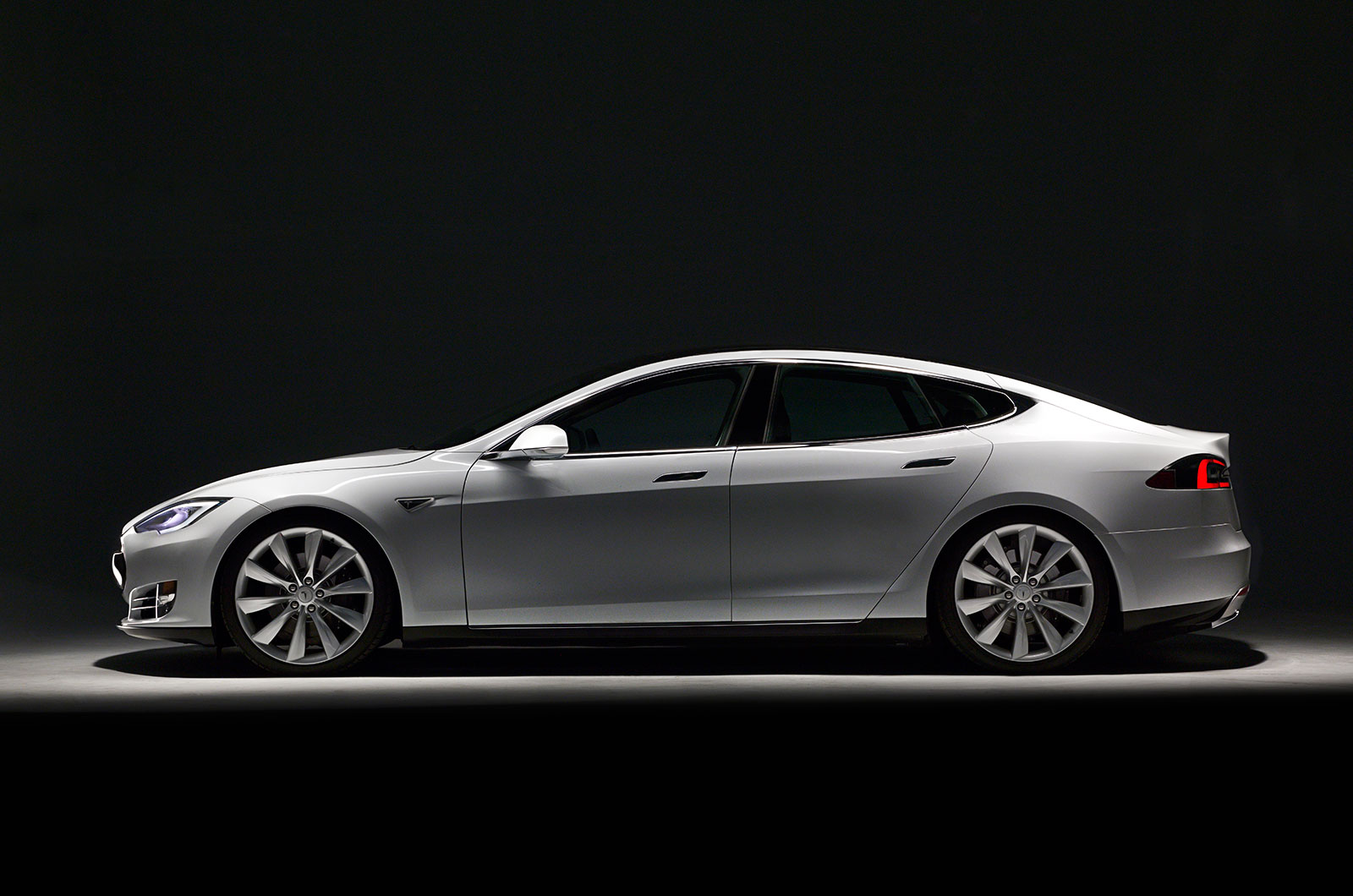
With its 250+ mile single-charge range this was the first electric car that could comfortably fit into most owners’ lives. Supercar-like performance was the icing on the cake. Ten years after its arrival, Tesla’s mainstream rivals are still playing catch up, but make no mistake: this is the car that truly started the move to the EV future.

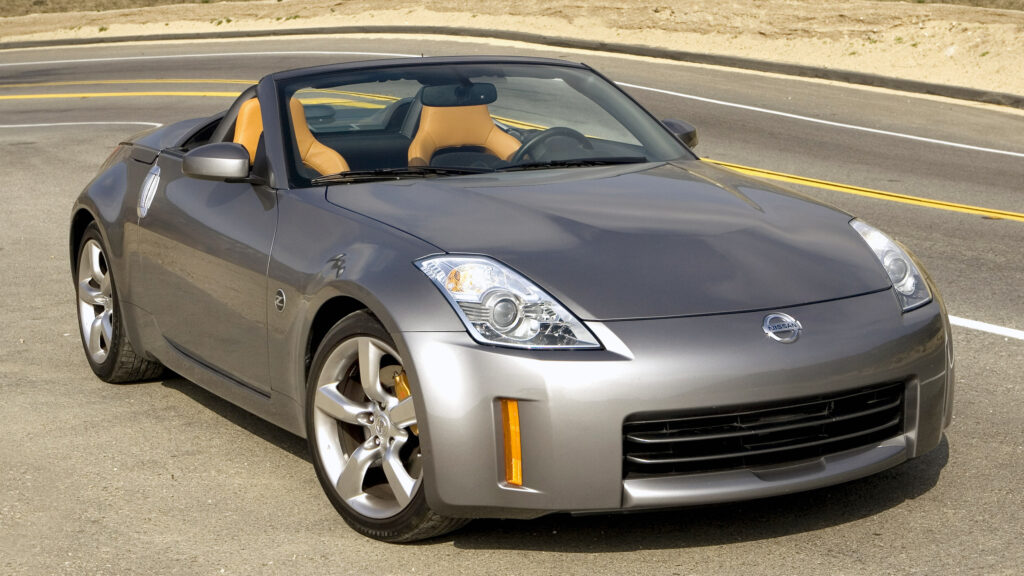
Nissan 350Z Driver at 85 Challenges Age Stereotypes and Speed Limits in Alleged Street...

Hyundai’s Next-Gen EV Platform Advances Authentic Driving Experience with Enhanced Performance and Sensory Realism
 R&D boss confirms next EV platform will host sports cars – and they'll do even better ICE impressions
Hyundai will continue to offer electric performance cars as it moves its EVs onto a new-generation architecture and they will be "even more realistic" than the current Ioniq 5 N and Ioniq 6 N.
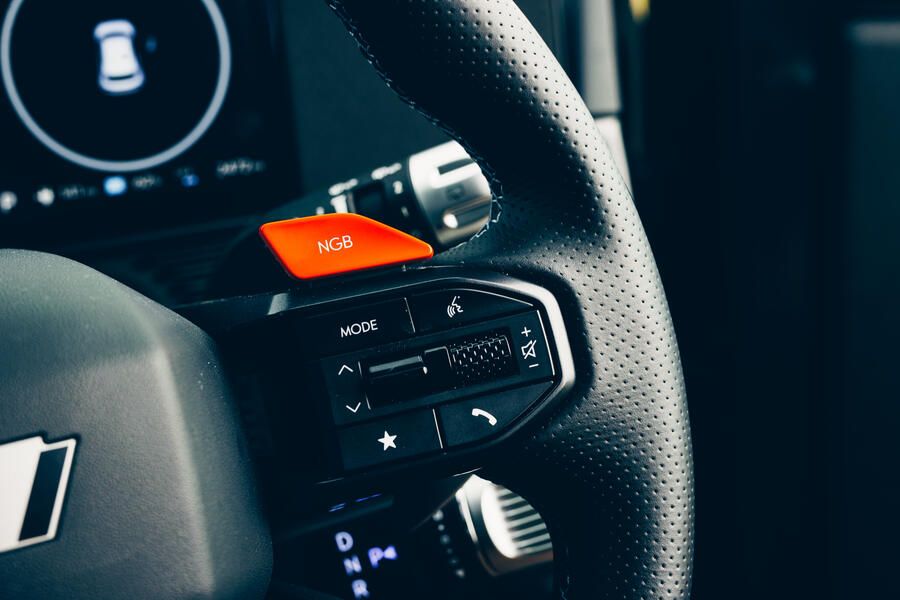
Hyundai's sporting EVs have won acclaim for not just their driving dynamics and performance but also the perceived authenticity of their synthesised engine notes and gearboxes – the latter of which other manufacturers, including Honda and Porsche, have now moved to emulate in their own latest hot EVs.
Manfred Harrer, who heads global R&D for Hyundai, told Autocar he is "super-proud" of the virtual gearshift function and said the brand plans to develop it further for the next iteration.
"We are leading – we are not following – on this technology," he said. "In the next generation of these cars, I want to make it even more realistic. I want to enhance it further."
He did not give any clues as to what to expect, but said "idling, exhaust backfiring" and "vibration in the car" could be defining characteristics that would "bring in the next level" of engagement.
The move is in keeping, he said, with the N division's prioritisation of driving fun over outright technical and performance supremacy.
"There are so many ideas how you can advance it further, but this is all about experience," he said. "A lot of people say it's fake, but people like it so there is some beauty – and why not play around with it?
"We are not the serious Porsche guys. We are fun to drive. We made a great movement and over the years we will enhance it – and the next platform gets this. The demos are already running."
The next platform he referred to is the 'IMA' architecture that is due to be introduced across the Hyundai line-up in the coming years as the replacement for the current E-GMP structure.
No precise timeline for its introduction has been announced, but Harrer said: "E-GMP was introduced in 2021 and we'll go through a normal life cycle, and the next one is already in development."
The Ioniq 5 was the first car to use E-GMP and will be up for replacement in around 2028, which could be the first outing for IMA.
This new platform will be used as the basis for "enhanced N cars", added Harrer, in line with Hyundai's push to "still be the leader in this segment". However, he did not say which model lines would have performance versions.
It will offer "next-generation 800V technology" for faster charging and new fifth-generation battery technology, which is said to bring efficiency and integration improvements.
"It's not a big step like the first introduction [E-GMP]", said Harrer, "but now we talk about incremental improvements on the thermal management, on the overall efficency of the car, on the cost, on the integration.
"It's not a revolution like the first generation. It's a huge evolution. A lot of things we are enhancing."

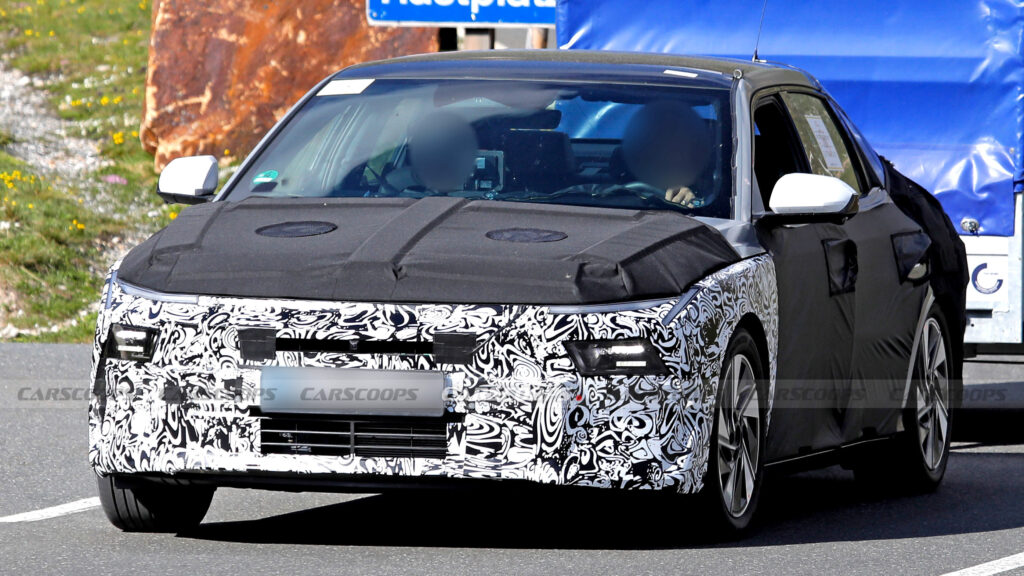
Hyundai Elantra Redesign Signals Strategic Shift with Streamlined Styling and Advanced Tech Integration

Toyota Warns EU Protectionism Risks Undermining Automotive Investment and Global Partnerships
 New legislation will lock important non-EU nations, such as the UK and Turkey, out of crucial benefits
Toyota has warned that the European Union faces “isolation” and risks losing investment if it goes through with its proposed ‘Made in Europe’ rules.
The remarks came from Toyota Europe CEO Yoshihiro Nakata, who said the EU risks sabotaging the international ties that have long strengthened its automotive industry through the proposals listed in the Industrial Accelerator Act (IAA). His comments mark a rare broadside from Toyota against the bloc's increased protectionism.
“We do support the intentions of the IAA, but we fear it could lead to isolation or weaken the European industry overall,” Nakata told the recent Automotive News Europe Congress.
The IAA outlines a series of measures designed to protect key EU industries, including automotive and battery making, from increased competition from Chinese firms, which have long benefited from state backing and are now steadily gaining market share from established car brands, rising to 8.8% across Europe this year to the end of April, according to figures showed at the event by Dataforce.
Nakata’s warning was delivered in the same week that three of Europe’s biggest local manufacturers – the Volkswagen Group, Stellantis and the Renault Group – delivered a letter to the European Parliament asking for legislators to delay and water down the IAA, citing the difficulties hitting proposed targets for parts localisation to qualify as ‘Made in Europe’.
“European auto makers face an unprecedented challenge to their competitiveness due to significant technology gaps in strategic areas, intense global competitive pressure and persistently high energy, manufacturing and regulatory costs,” they said in the letter, first reported by the Financial Times.
Toyota along with the Volkswagen Group, Stellantis and the Renault Group want the definition of 'European' to be expanded to take into account of the use of parts and factories within the sphere of influence of the EU but sitting outside its borders, such as the UK.
“European resilience lies not only on local production but also… with key international partners,” said Nakata, listing Japan, Korea, the UK and Turkey as examples. “We believe these kind of trusted partners should be created as equivalent for ‘Made in the EU’ and the IAA. If excluded, we and other OEMs may face severe commercial uncertainty, and also may lose our power to continue the contribution to European society,” said Nakata, warning that this could put future investment at risk.
Car makers operating in the UK, including Toyota and JLR, are deeply concerned that cars built here could be locked out of benefits earmarked for electric cars made in the EU, including inclusion on state procurement lists, eligibility for state purchase incentives and access to the sub-4.2m ‘E-car’ category with its credit bonuses.
“The strict EU assembly rules and EU27 eligibility criteria currently proposed would effectively put UK manufacturers at a systemic competitive disadvantage,” said Mike Hawes, CEO of the UK's Society of Motor Manufacturers and Traders, in a statement in March.
Meanwhile, the Volkswagen Group, Stellantis and the Renault Group are proposing a watered-down version in which 70% of vehicles sold in the EU source 70% of their value within their borders, with that value to include everything from engineering to manufacturing.
Rebuilding the European car industry to exclude the low-cost manufacturing bases established in recent years in places such as North Africa doesn’t make sense, argued Renault Group CEO François Provost at the Automotive News Europe Congress. “The new issue is not about having plants in Morocco. Or trading with Turkey. We have been doing this for two decades,” he said. “No, the new issue is the fantastic competitiveness of the Chinese industry.”
Provost argued that the European Union should deal with the Chinese in the same way China did with the European car industry when they provided access to their market on condition they build local partnerships. “This will give time the industry to adapt,” he said.
Car makers that have established Europe as a global export base – such as BMW and Mercedes-Benz – have long been opposed to erecting the barriers to its home market, fearing retaliation. But the signs are their views are now aligning more with locally focused car makers, particularly as the key market of the US quickly erected walls of its own in the form of much higher tariffs.
“Historically, there was a division between the French and the Germans, but I think the barriers are falling, and the points of views are getting closer,” Philippe Houchois, automotive analyst at banking firm Jefferies, told the Automotive News Europe Congress. “I’ve spent a lot of time with BMW management recently, and while their official line is to be open on trade, they recognise there needs to be a level playing field.”
There are signs that the IAA proposals, announced in March, are already having an effect on the Chinese car makers in terms of encouraging local manufacturing despite not being close to ratification.
MG revealed earlier in June that its long-planned European factory will be in Spain, while BYD has reportedly postponed its planned Turkish plant and is instead looking at taking over an existing plant, potentially also in Spain. Leapmotor has expanded its manufacturing tie-up with partner Stellantis with an agreement to take over the company’s Madrid plant.

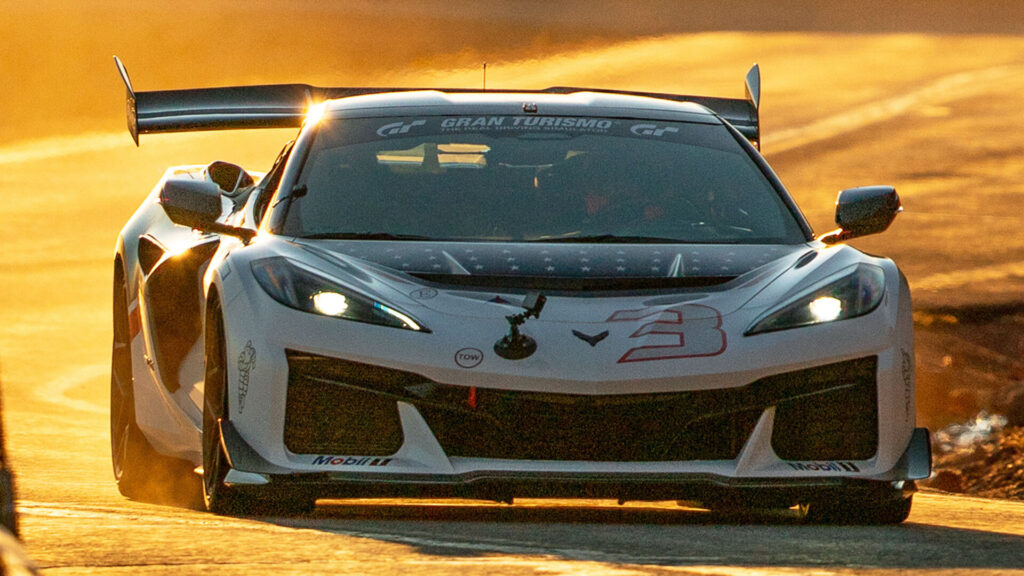
Corvette ZR1X Redefines Production Car Limits with Record-Breaking Pikes Peak Run

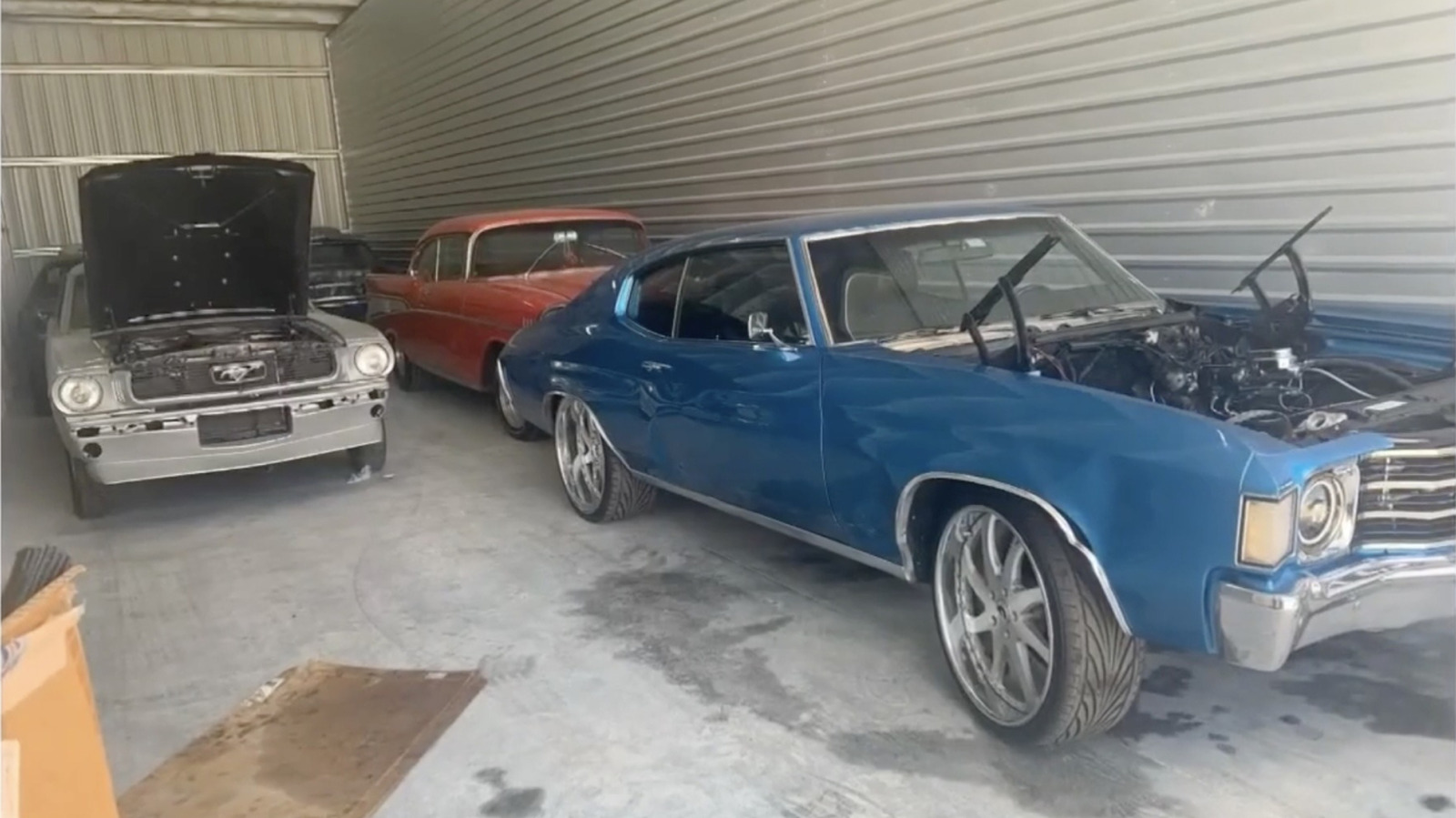
Engine Swap Fraud Case Yields 60-Year Sentence After Victims Expose $500,000 Scheme

French Lake Auto Parts as Living Archive: How a Minnesota Salvage Yard Preserves a...
Founded in 1956, French Lake Auto Parts (aka Junktown USA) stands as one of the premier salvage yards in the US.
This remarkable site boasts thousands of parts cars, spanning from the 1920s to the present day. The yard is meticulously organized, with everything securely stored on firm ground. Best of all, someone has written the year of manufacture on everything, making identification a whole lot easier.
PLYMOUTH SPECIAL DELUXE - 1949
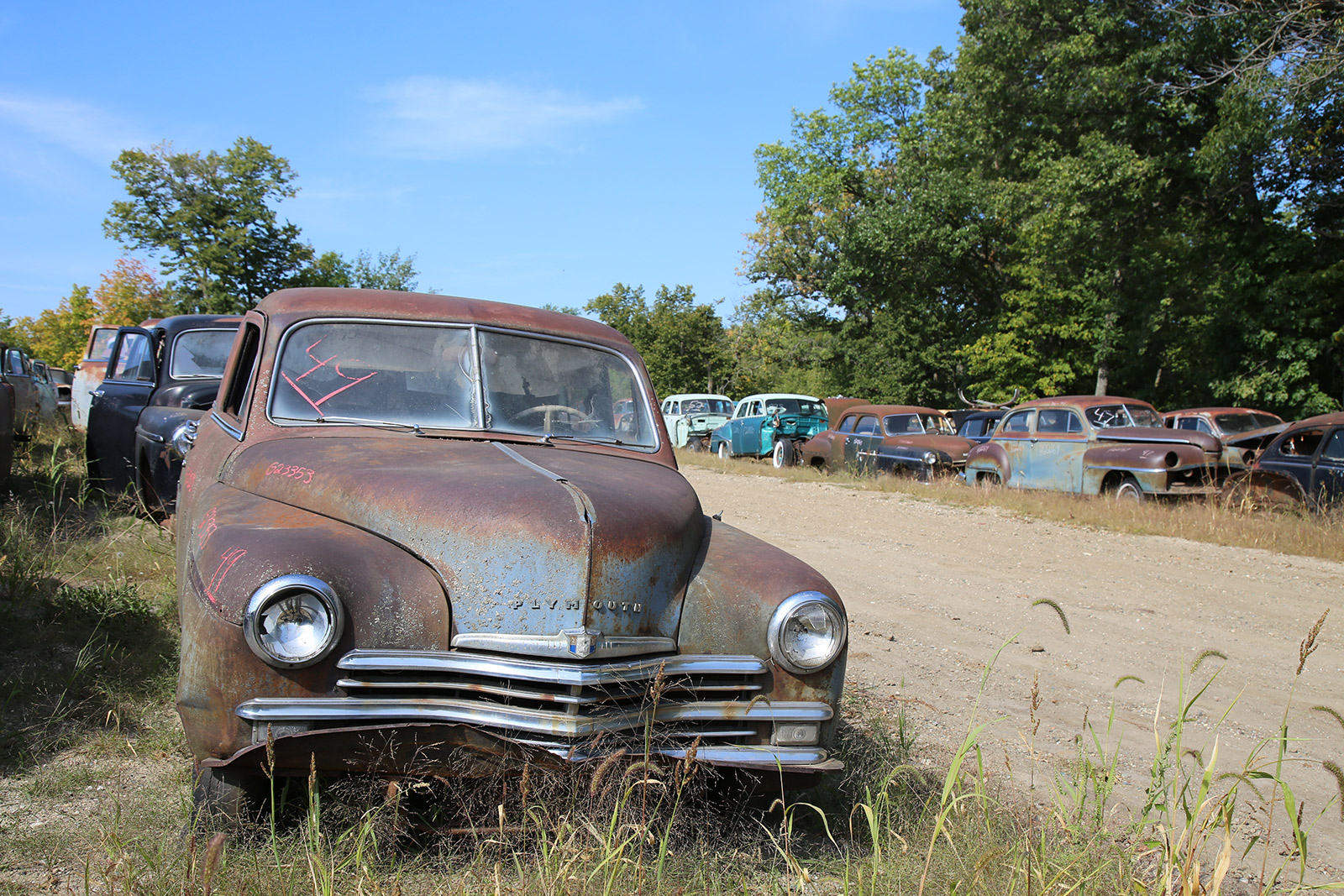
With row upon row of vintage cars, French Lake Auto Parts truly is a national treasure. It's no wonder classic car enthusiasts from across the US and beyond flock to this place. To give you an idea of its popularity, you can even buy a souvenir t-shirt in the office. This 1949 Plymouth Special Deluxe four-door sedan, for example, appears to be in pretty good shape.
BUICK SKYLARK - 1976
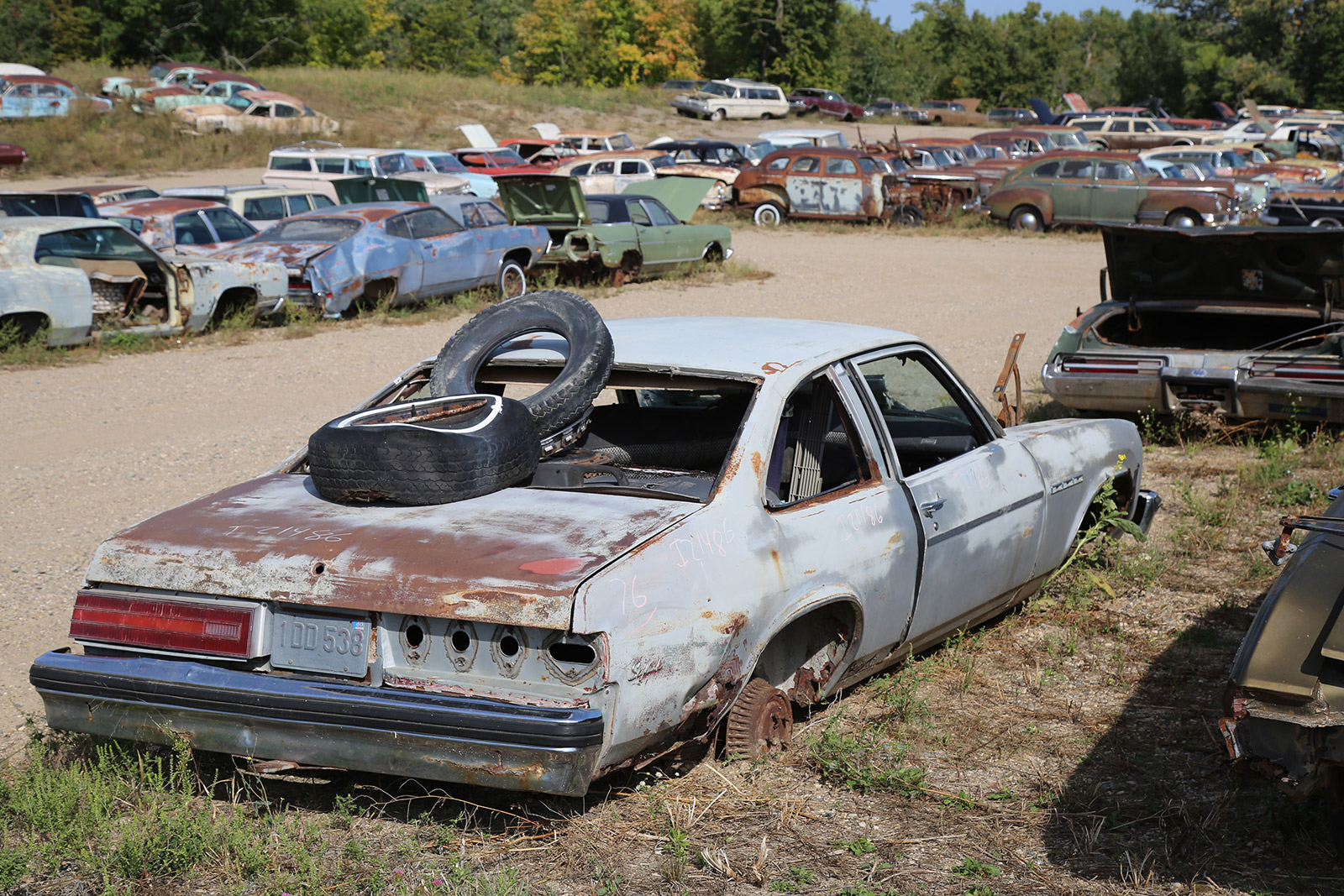
Take a look at this stunning vista—there’s plenty to catch the eye here. Front and center is a 1976 Buick Skylark coupe, one of the newer cars in this impressive lineup. Despite a few interruptions in its production, the Skylark remained a staple of Buick's lineup from its debut in 1953 until its final curtain call in 1998.
KAISER - 1954
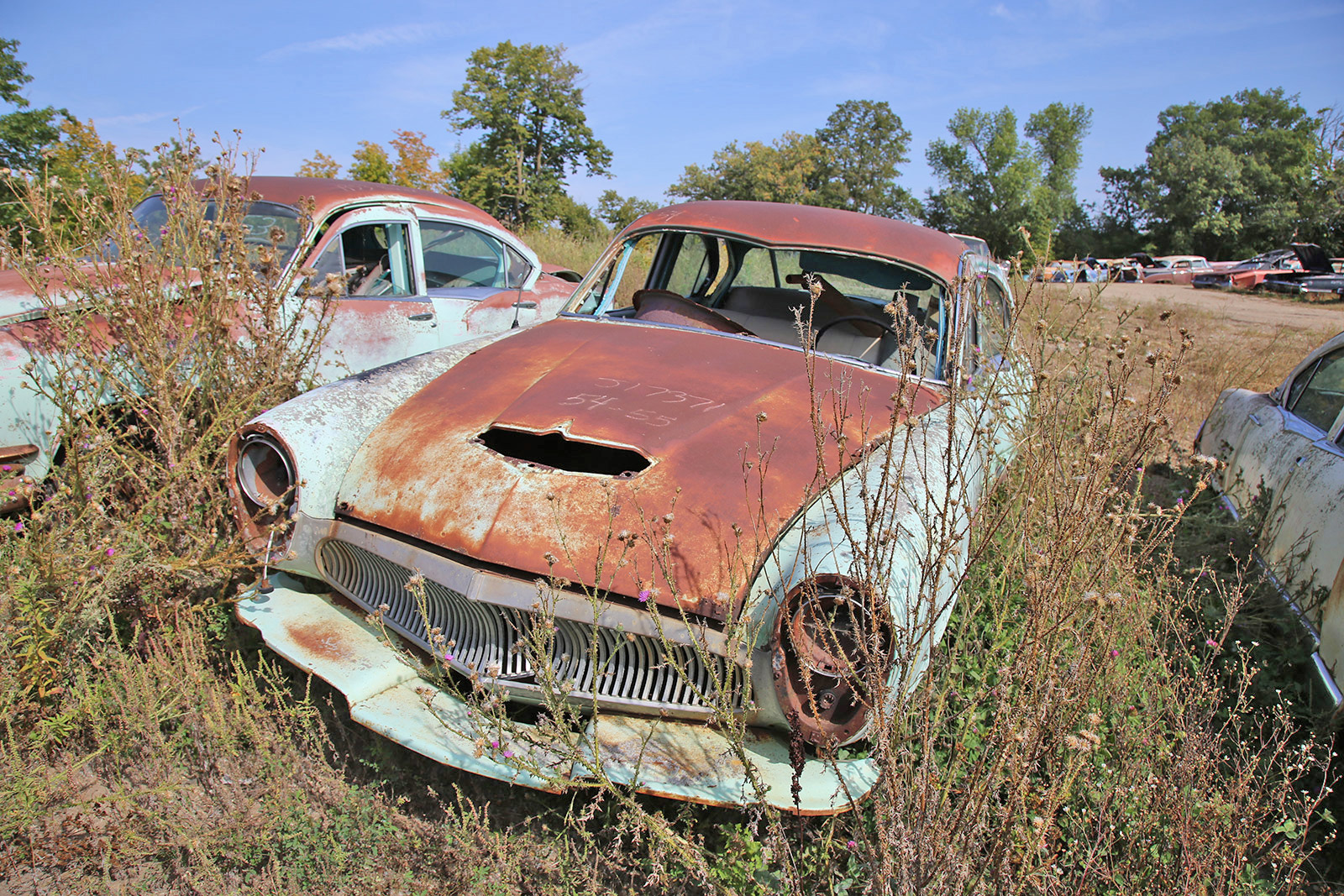
The heart-shaped windshield hole immediately identifies this as a Kaiser. It’s a Manhattan, and according to the scribbling on the hood it hails from either 1954 or 1955. Seeing as only 270 were registered in the latter year, we’ll assume it’s an earlier example.
The Kaiser-Frazer Corporation was founded in 1945 as a joint venture between the Henry J Kaiser Company and Graham-Paige Motors Corporation. Although initial sales were robust, the company lacked the resources to withstand long-term competition with the Big Three.
FIAT BRAVA - 1980
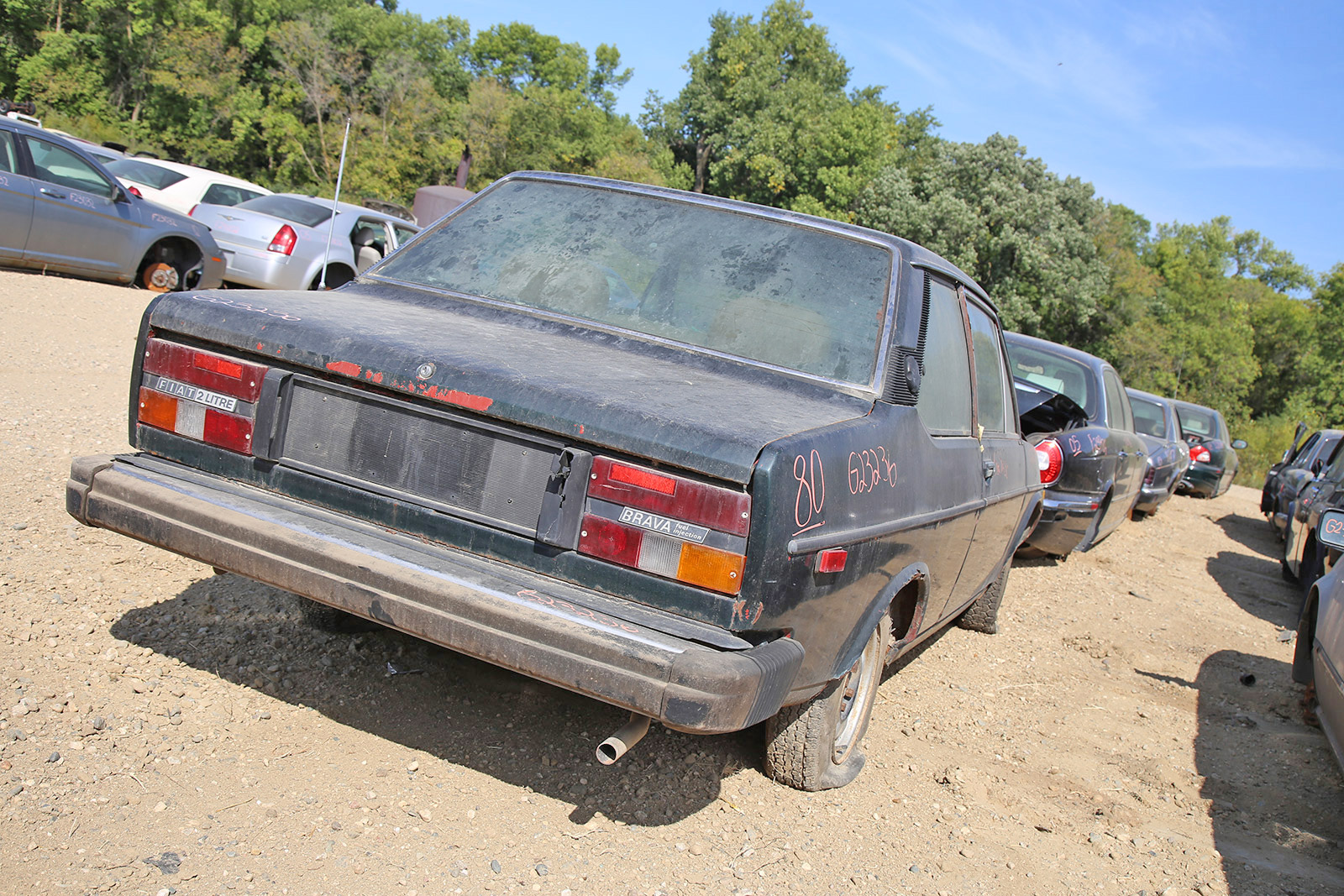
One section of French Lake Auto Parts is dedicated to modern cars, and it’s here that we found a small selection of rare European and Japanese imports. The Fiat 131 was a significant success, with 1.5 million units sold worldwide.
However, only a small proportion made it to the US, where they were branded as Brava and Super Brava. These cars were plagued with mechanical issues, leading to their withdrawal in 1981, a year after this particular example was sold.
DODGE - 1920S
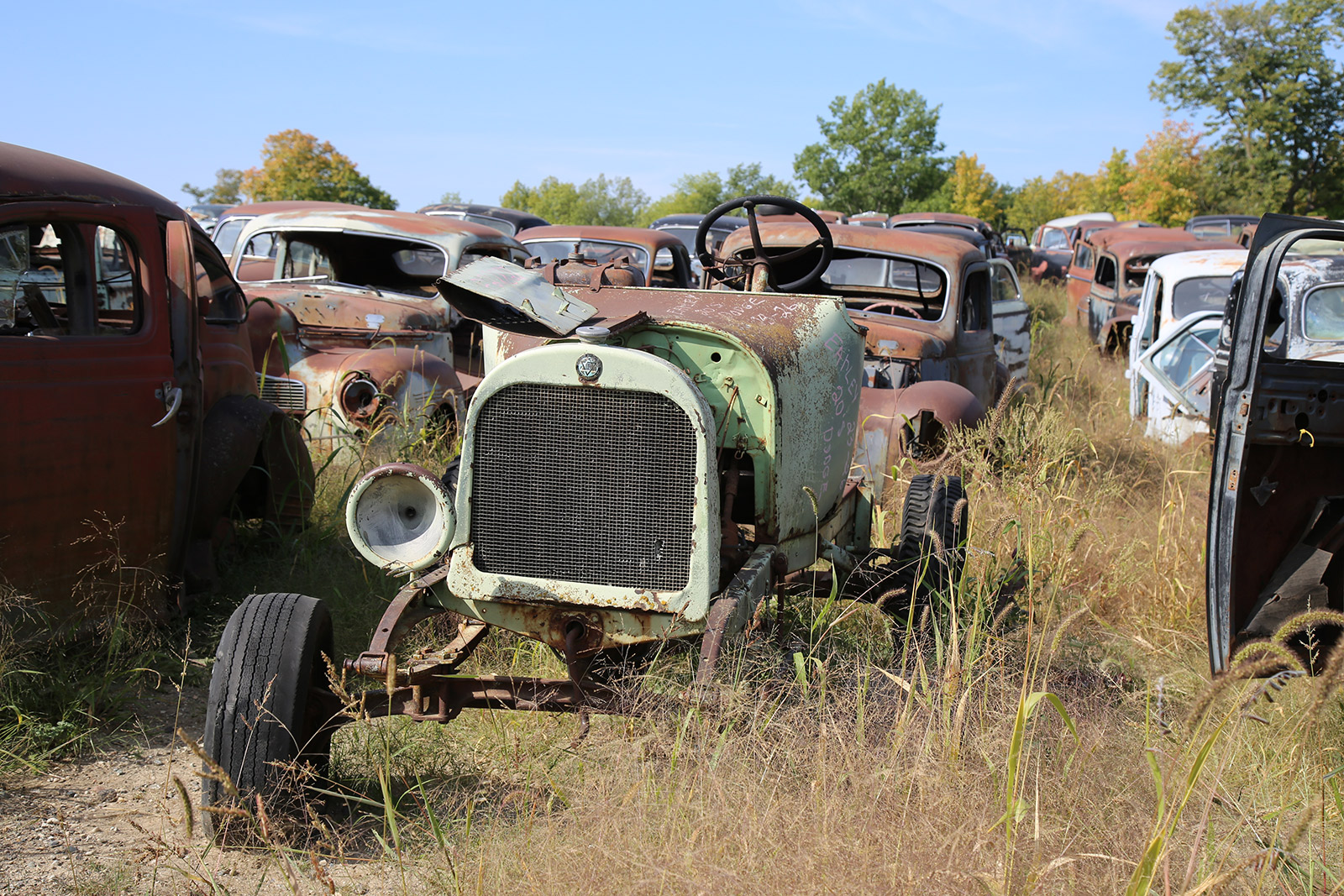
It's rare to find a 100-year-old vehicle in a salvage yard. This car, manufactured by Dodge Brothers, dates between 1923 and 1926, according to scribblings on the vehicle. Founded in 1900 by brothers Horace Elgin Dodge and John Francis Dodge, the company was only a quarter-century old when this car rolled off the Detroit production line.
LASALLE - 1939
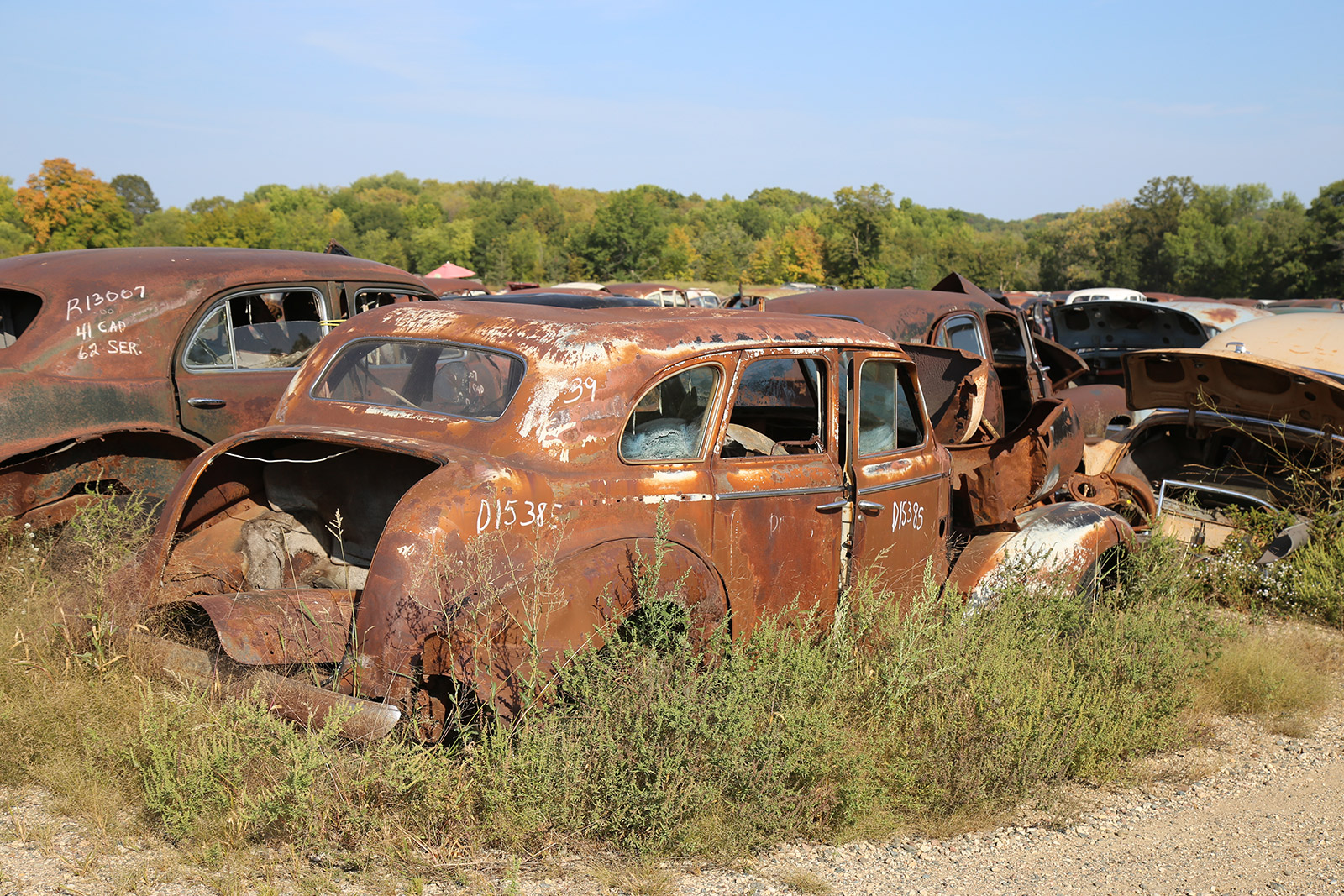
Manufactured by Cadillac between 1927 and 1940, LaSalle was marketed as GM’s second most prestigious brand. This particular model is from 1938 and is one of 23,028 examples built that year. Sales increased to 24,133 the following year, just before the marque was discontinued.
PACKARD PICKUP - 1948
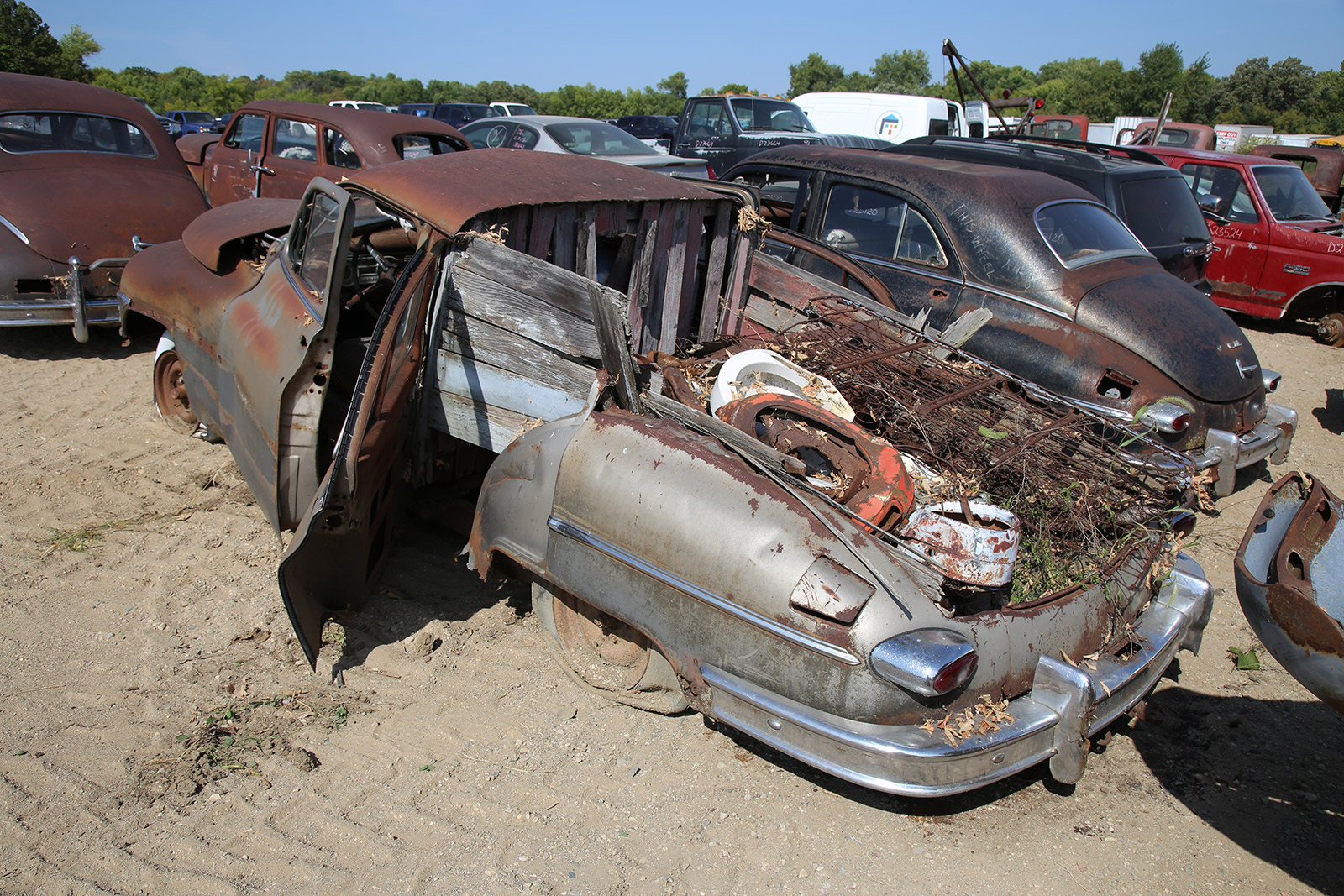
At some point in its long life, this 1948 Packard faced the indignity of being converted into a pickup truck. To make matters worse, the conversion was done on the cheap. The result resembles a wooden outhouse more than a once-luxurious automobile.
RAMBLER - 1962
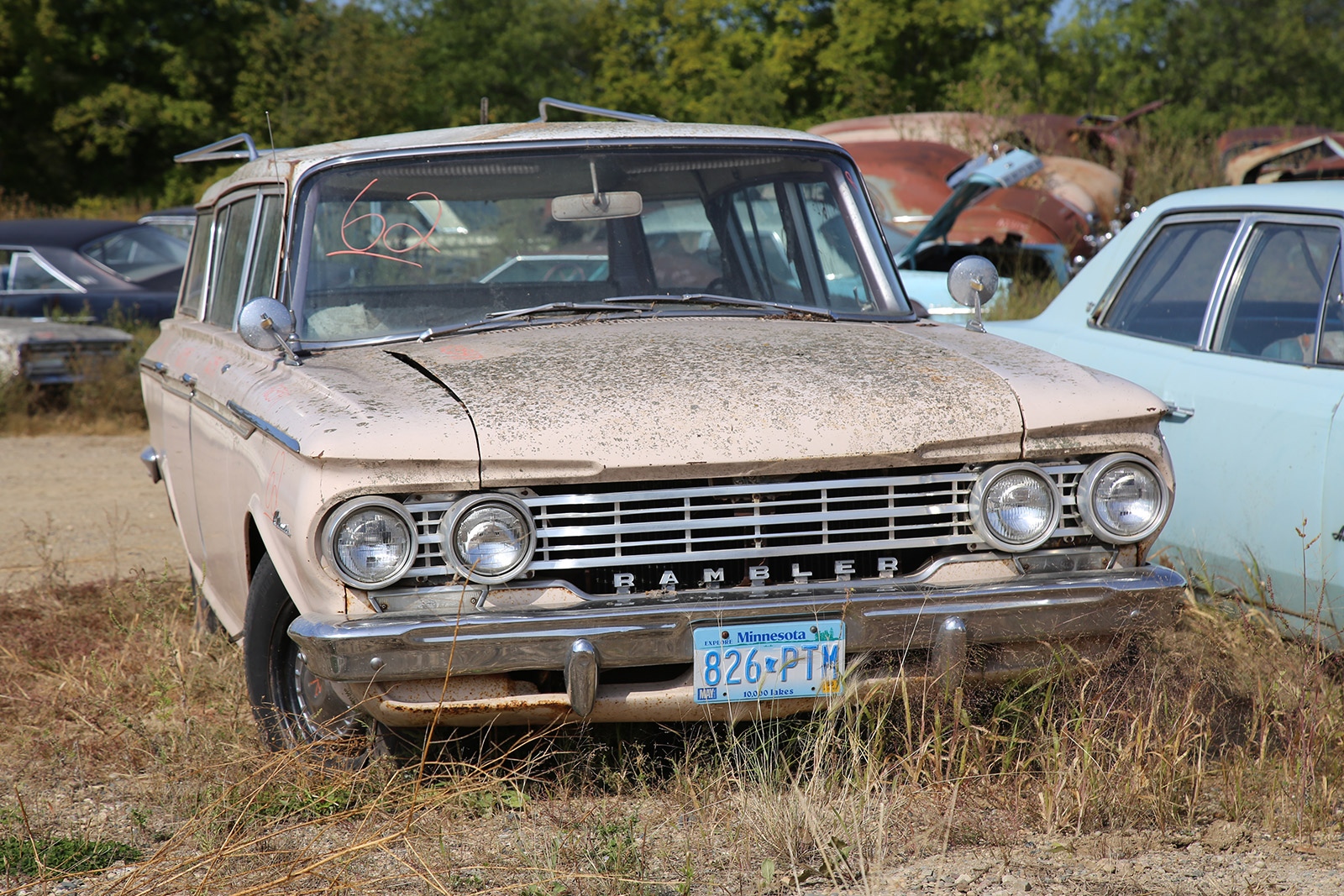
This 1962 Rambler four-door station wagon hasn't been on the road for over 30 years, making its fabulous condition even more remarkable. It likely sat in someone's garage for a long time, with the owner intending to restore it to its former glory. One thing is certain: it hasn't been at French Lake Auto Parts for very long, or it would surely have lost some of its rust-free body panels by now.
CADILLAC BIARRITZ CONVERTIBLE - 1984
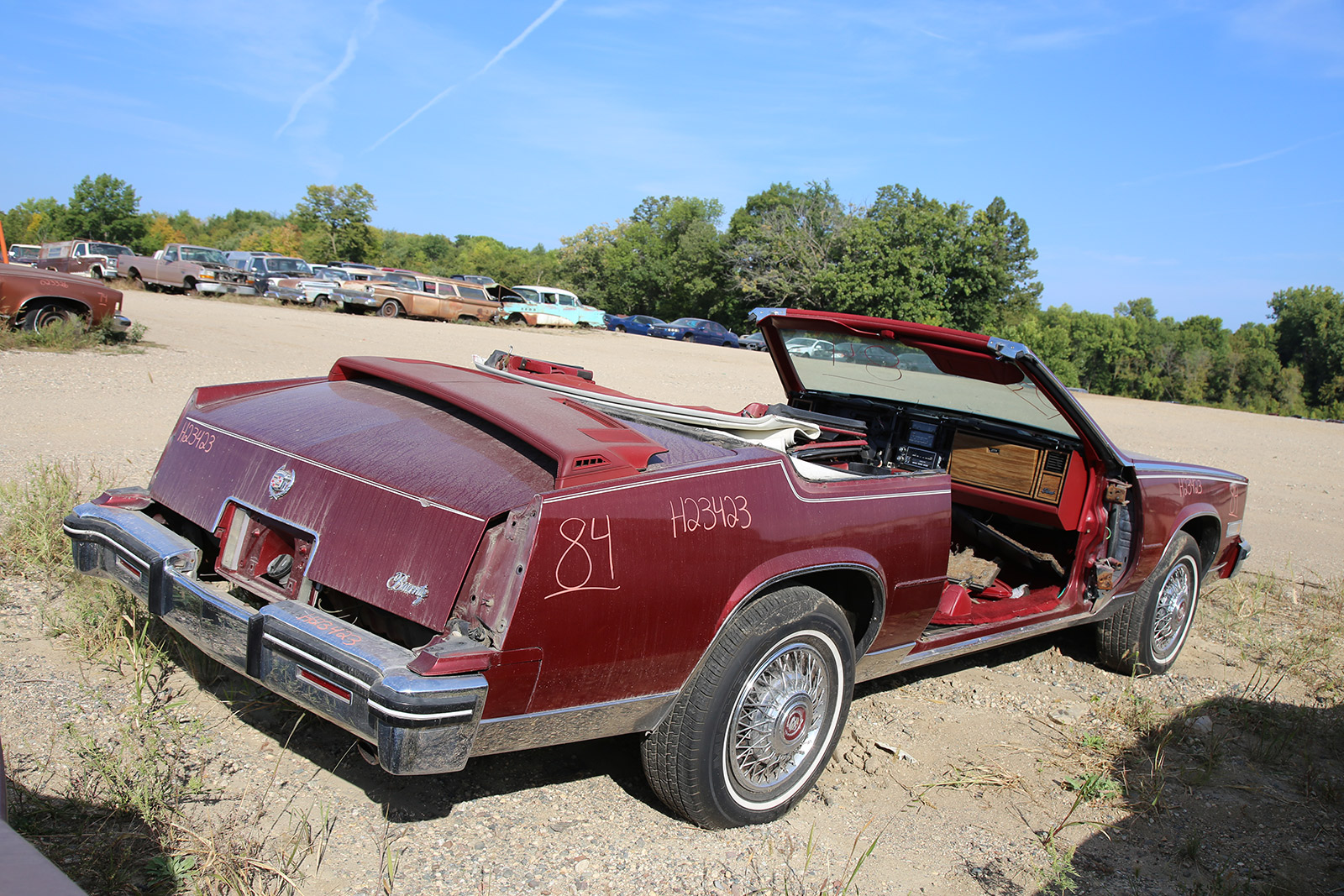
Although Cadillac ceased production of convertibles in 1976, in 1984 they made a return in the guise of the Eldorado Biarritz. Although officially a Cadillac product, the conversion was done by the American Sunroof Corporation. Sales were slow, and only 3300 units found buyers, making this a rarity.
DESOTO FIREDOME - 1956
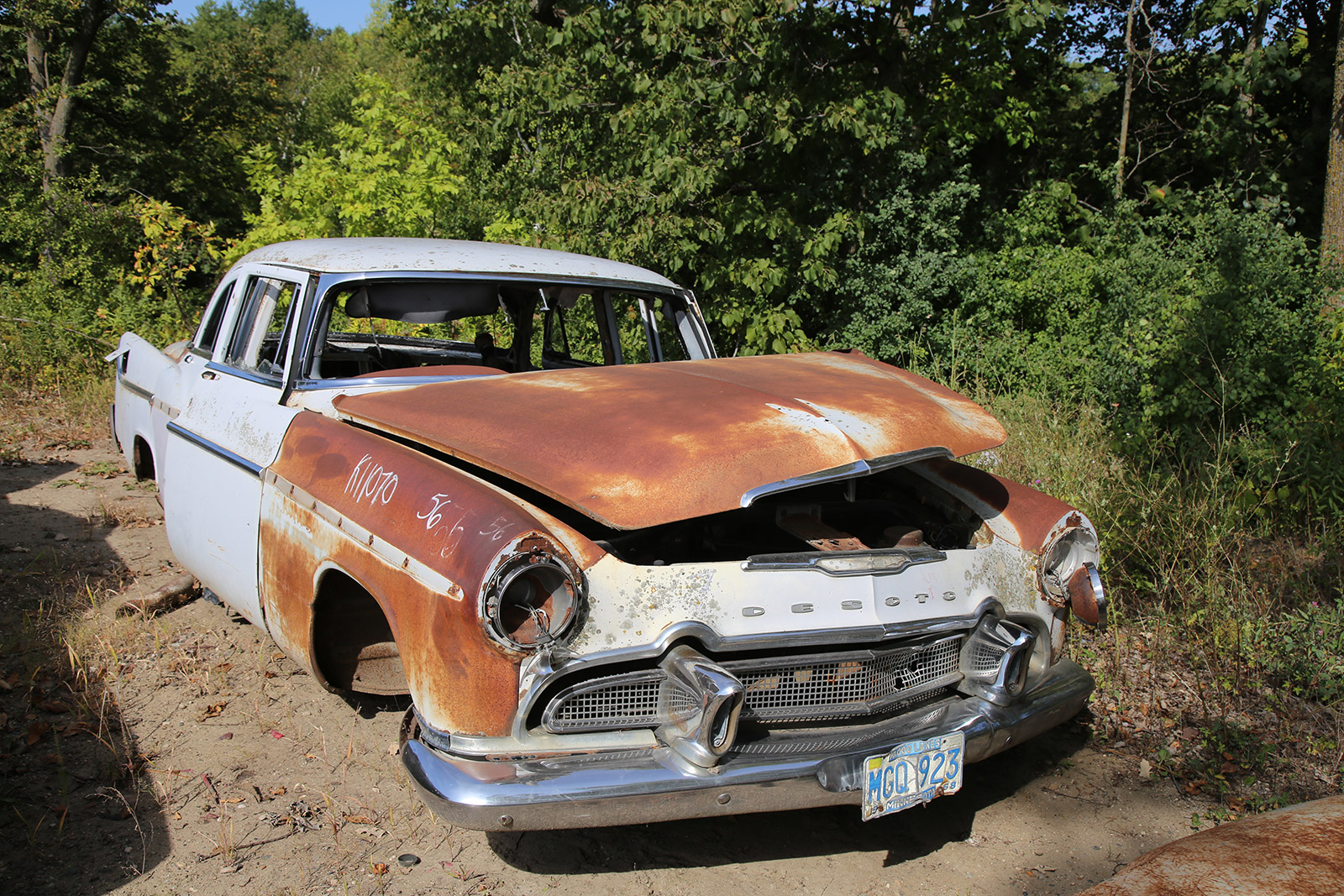
While the Firedome started out in 1952 as DeSoto’s flagship car, by 1956 when this example was built, it had been demoted to the entry-level model.
This car was powered by a 5.4-litre 230hp V8, which would have taken it to 60mph in less than 10 seconds. This is a four-door sedan, one of 44,909 built that year.
WILLYS AERO CUSTOM - 1955
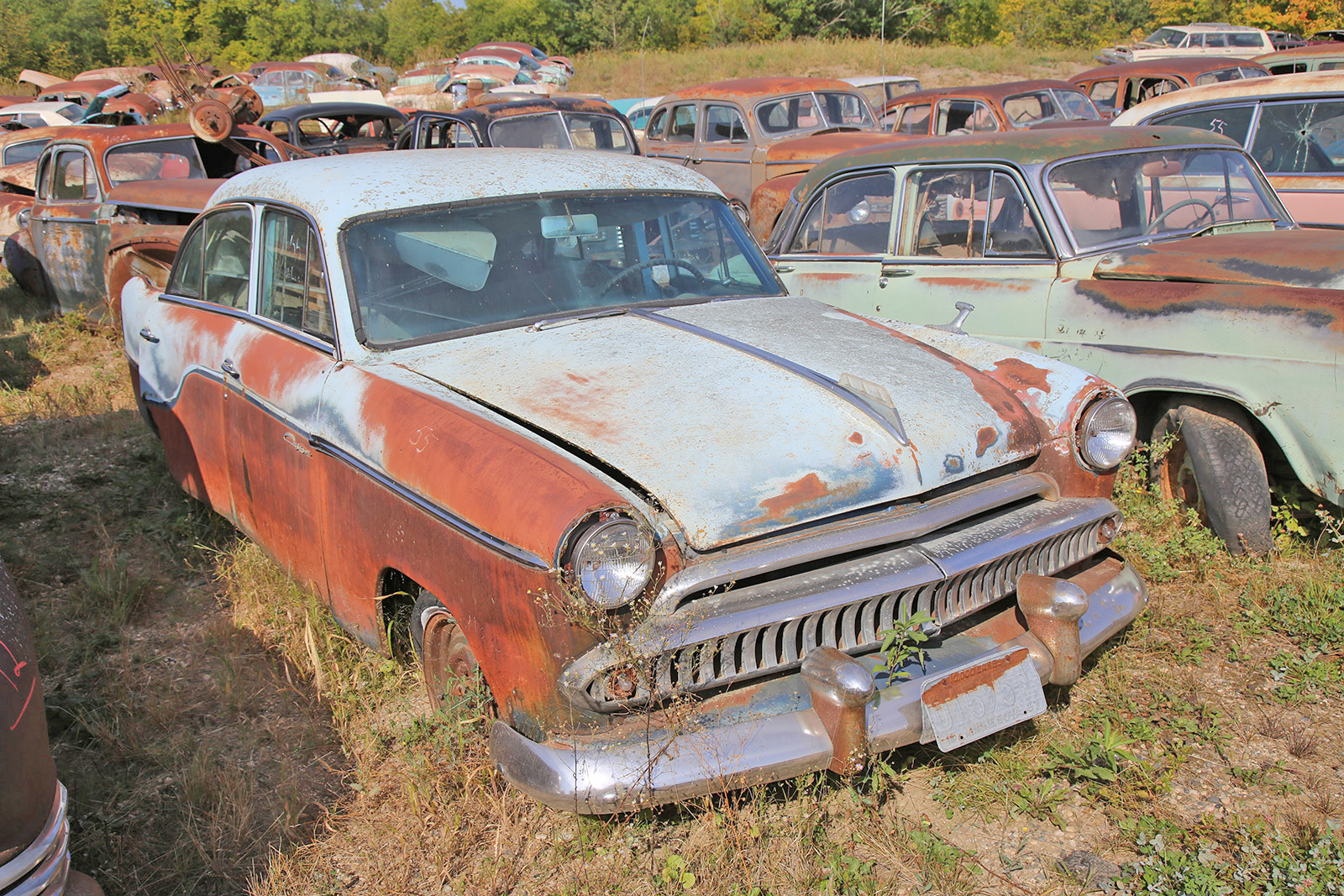
You will be searching for a long time to find another 1955 Willys Aero Custom in a salvage yard, especially one with this many hard-to-find parts still left on it.
Although this was the final year for Aero production in the US, the tooling found its way to Brazil, where the car was built from 1960 to 1971 and sold at Ford dealerships.
CHEVROLET CAVALIER - 1985
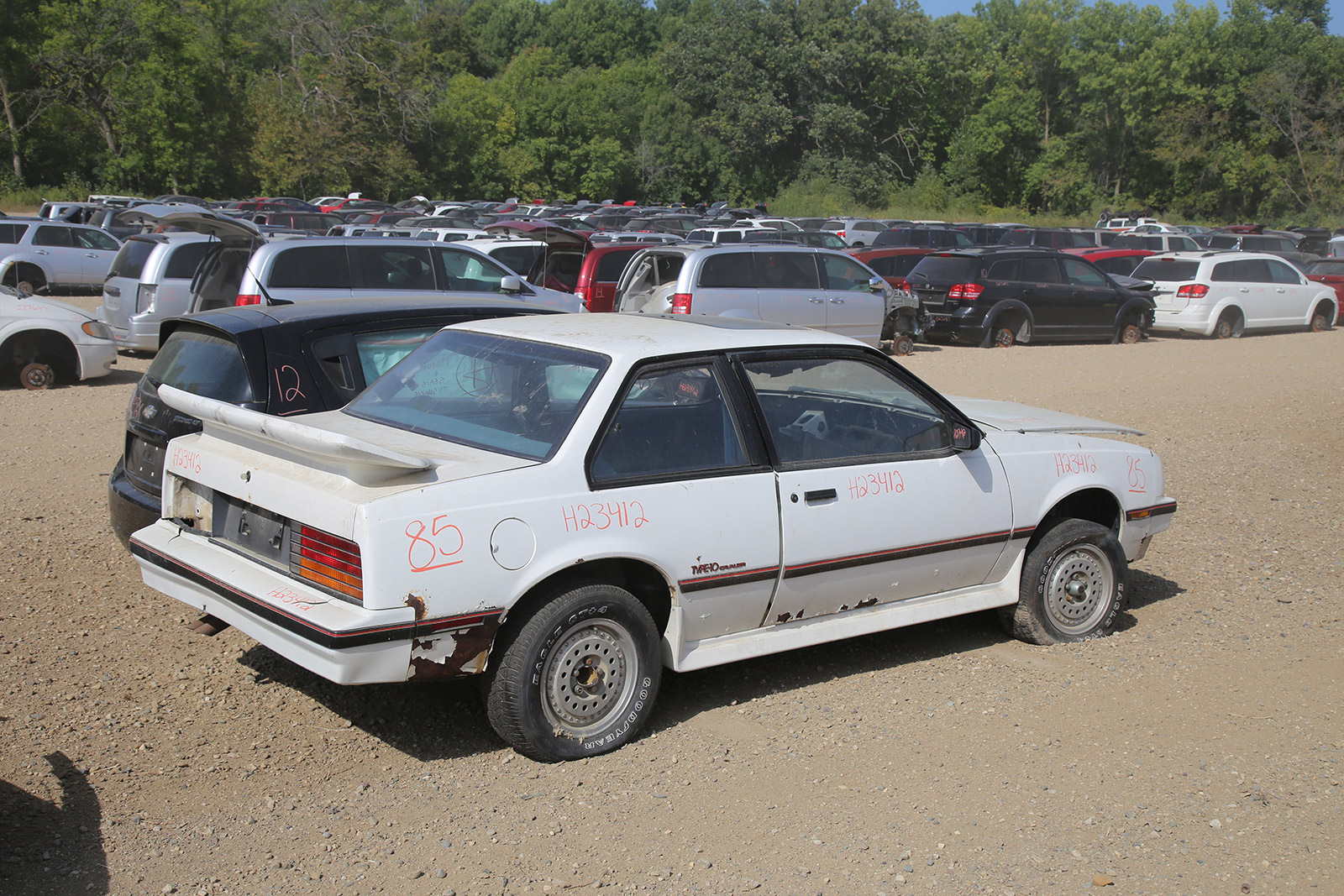
The Type 10 package was only available on Chevrolet Cavalier coupes in 1984 and the 1985, this being one of the latter cars. That giant trunk spoiler certainly looks the part, but it turned this Cavalier into a sheep in wolf’s clothing. Its 2.0-litre engine mustered up just 88hp, which took the Cavalier to 60mph in a leisurely 13.2sec.
FORD COUNTRY SEDAN - 1952
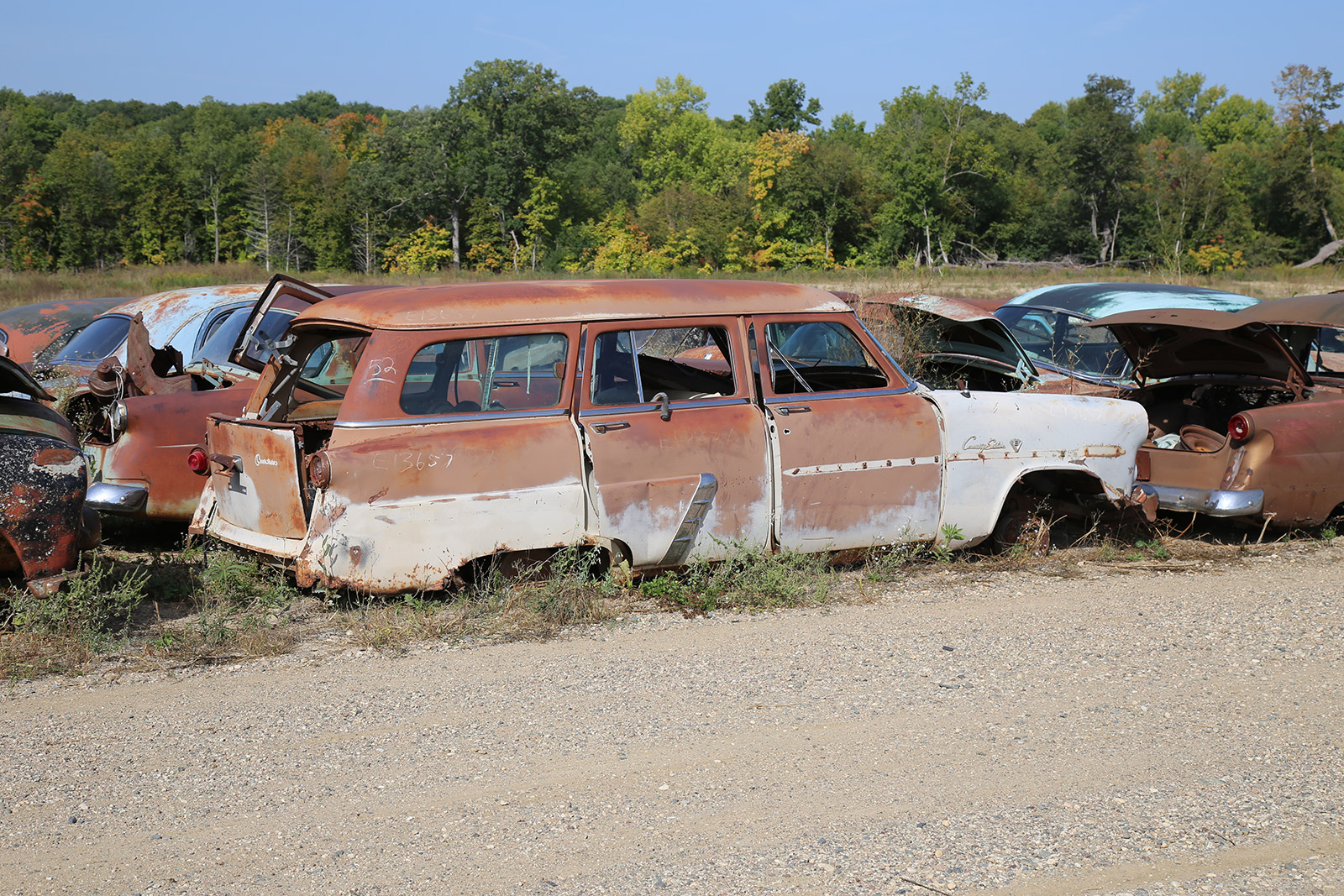
There used to be a 3.9-litre V8 under this 1952 Ford Country Sedan’s now non-existent hood. However, both the engine and the car’s dreams of hitting the highway again are long gone. The Country Sedan, part of the Ford Customline range from 1952 to 1954, saw its sales increase dramatically from 11,927 to 48,384 during this period, despite minimal changes to its body style.
DODGE MONACO - 1969
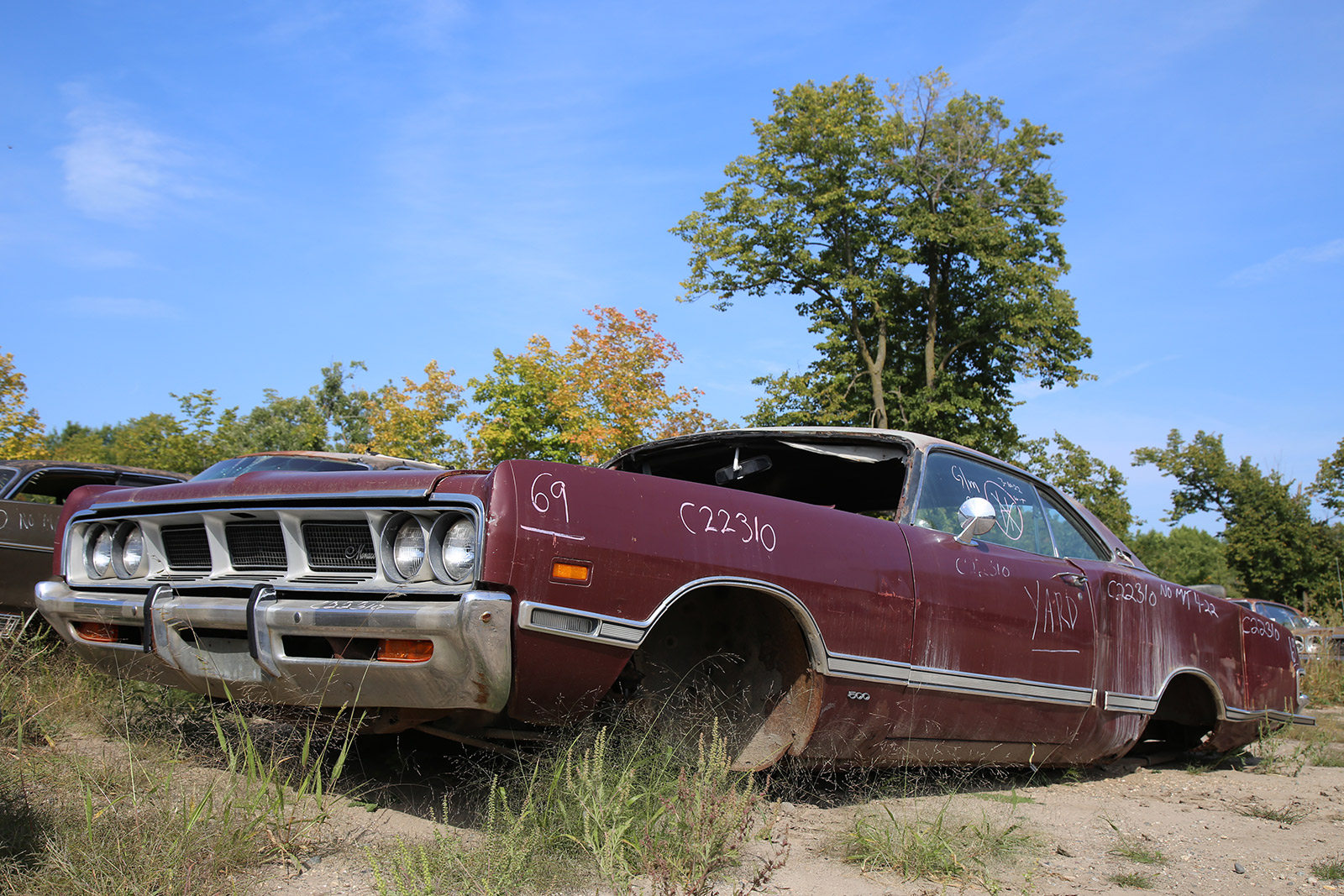
This Dodge Monaco two-door coupe, built in 1969, marks the debut of the second-generation models. This example is a 500, which included features like bucket seats and a center armrest. It originally came with a 6.3-litre V8 engine producing 245hp, but buyers had the option to upgrade to engines delivering 330hp or 375hp.
LINCOLN PREMIERE - 1957
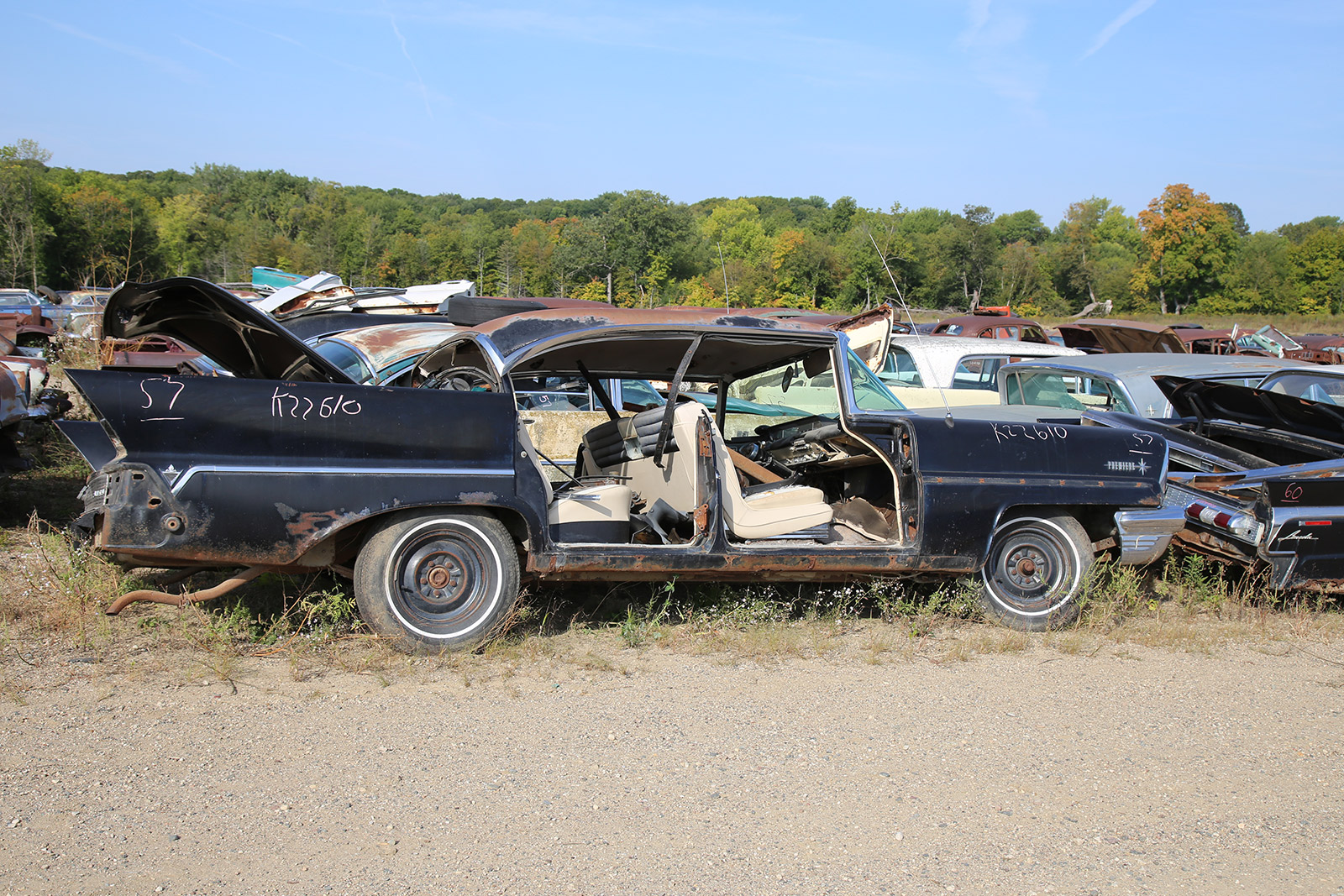
Someone has already rehomed all four of this 1957 Lincoln Premiere’s doors, but there are still many parts left to reclaim, including its somewhat tatty four-way power seats. Produced from 1955 to 1960, the Lincoln Premiere fitted neatly between the Capri and the range-topping Continental Mark II.
The driving light, originally at the bottom edge of the front bumper, was repositioned below the traditional sealed beam headlight, creating the appearance of stacked dual headlights—a feature Lincoln dubbed Quadra-Lite.
BUICK LESABRE - 1960
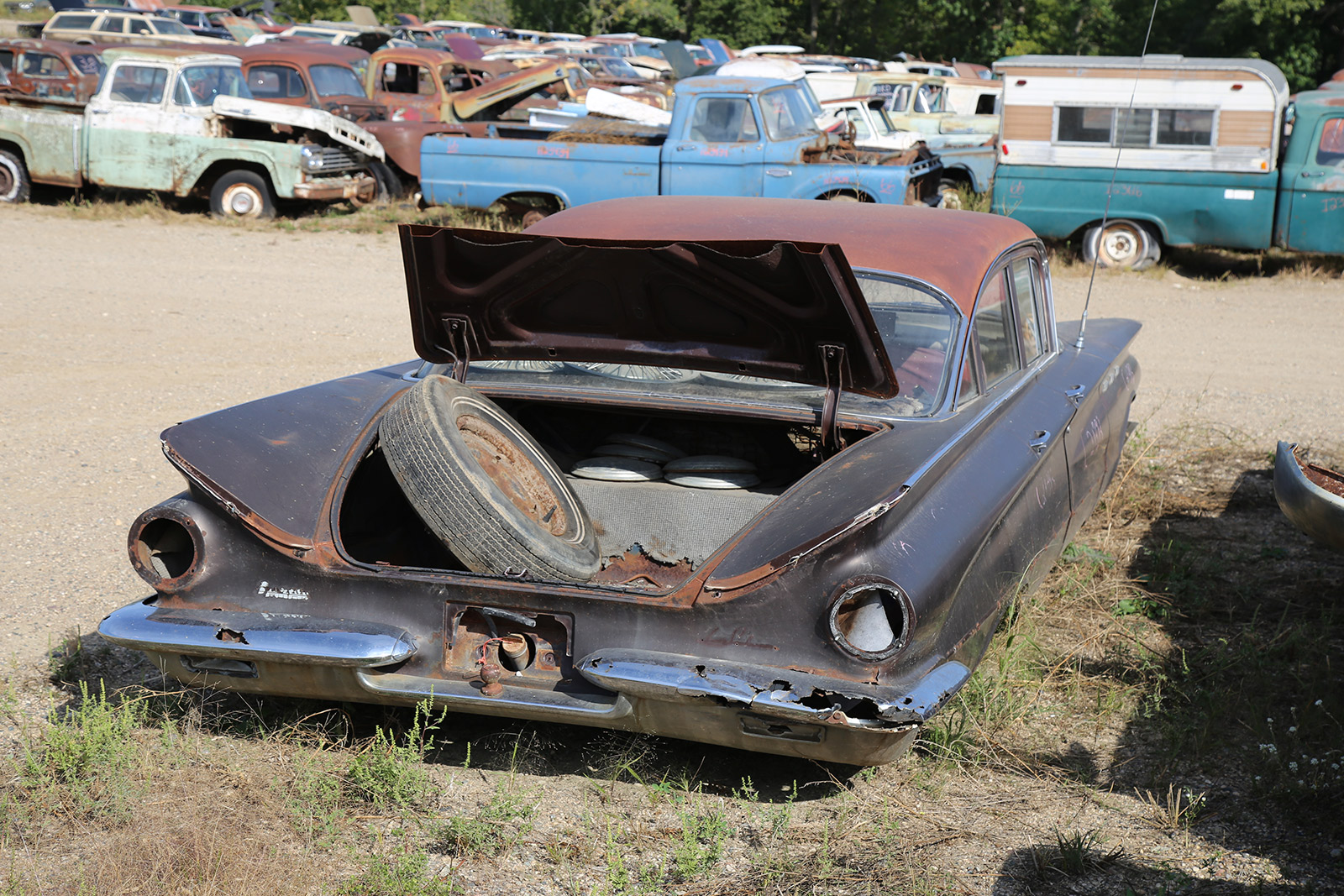
It's odd that someone chose to cut off half of this 1960 Buick LeSabre’s trunk lid rather than simply removing the entire thing. Introduced in 1959, the LeSabre remained in production for an impressive 46 years. Although the 1960 models are considered first-generation, they received a major facelift and shared little more than their roofs and trunks with the previous year’s version.
TOYOTA CORONA - 1977
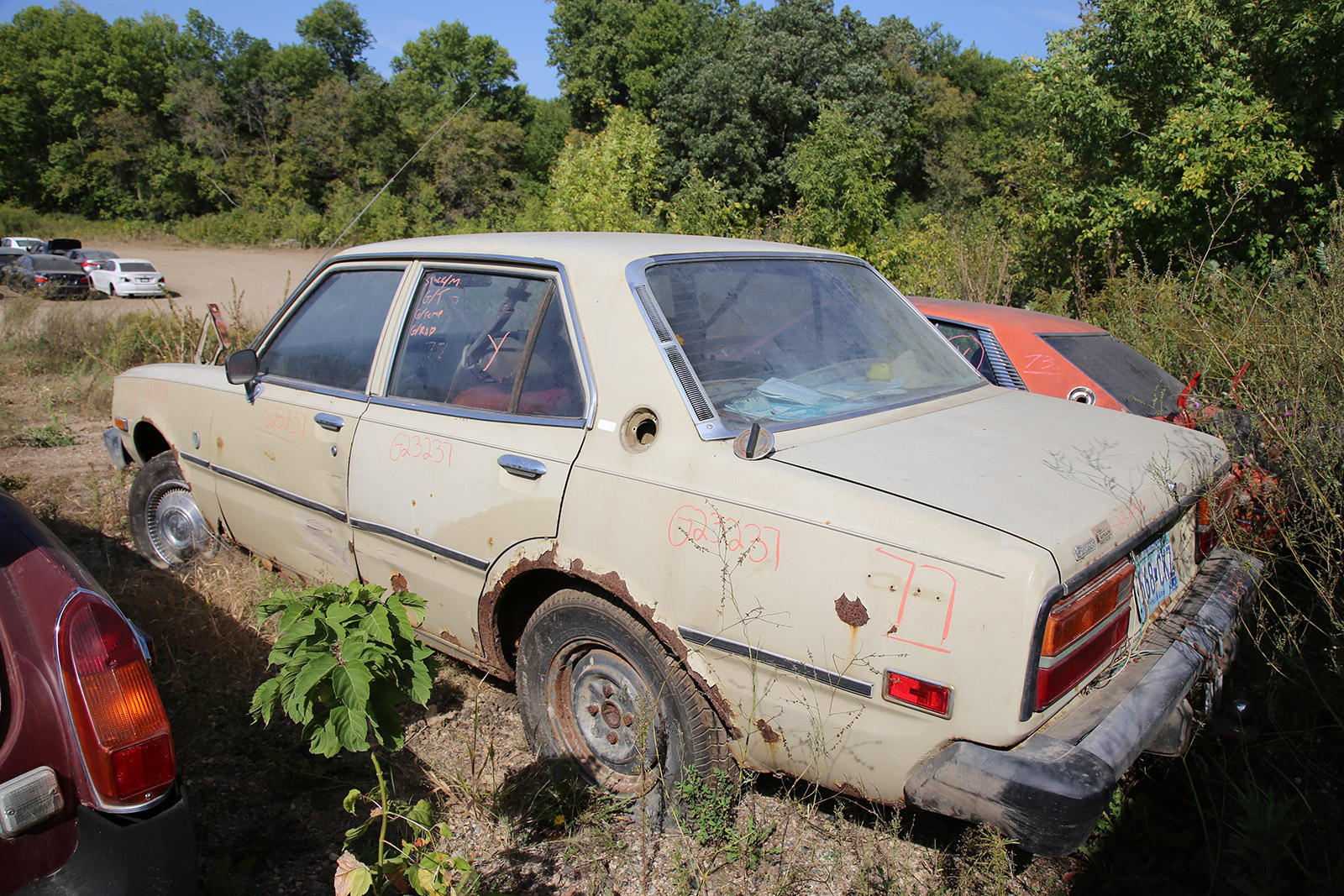
The Corona, named after the Latin word for crown, was pivotal to Toyota’s success. The first model launched in the US was the 1966 Mk3, which impressed drivers with its reliability. Toyota’s triumph paved the way for other Japanese car manufacturers. By the time this 1977 Mk5 was built, it faced competition from the popular Honda Accord.
PONTIAC SAFARI - 1960
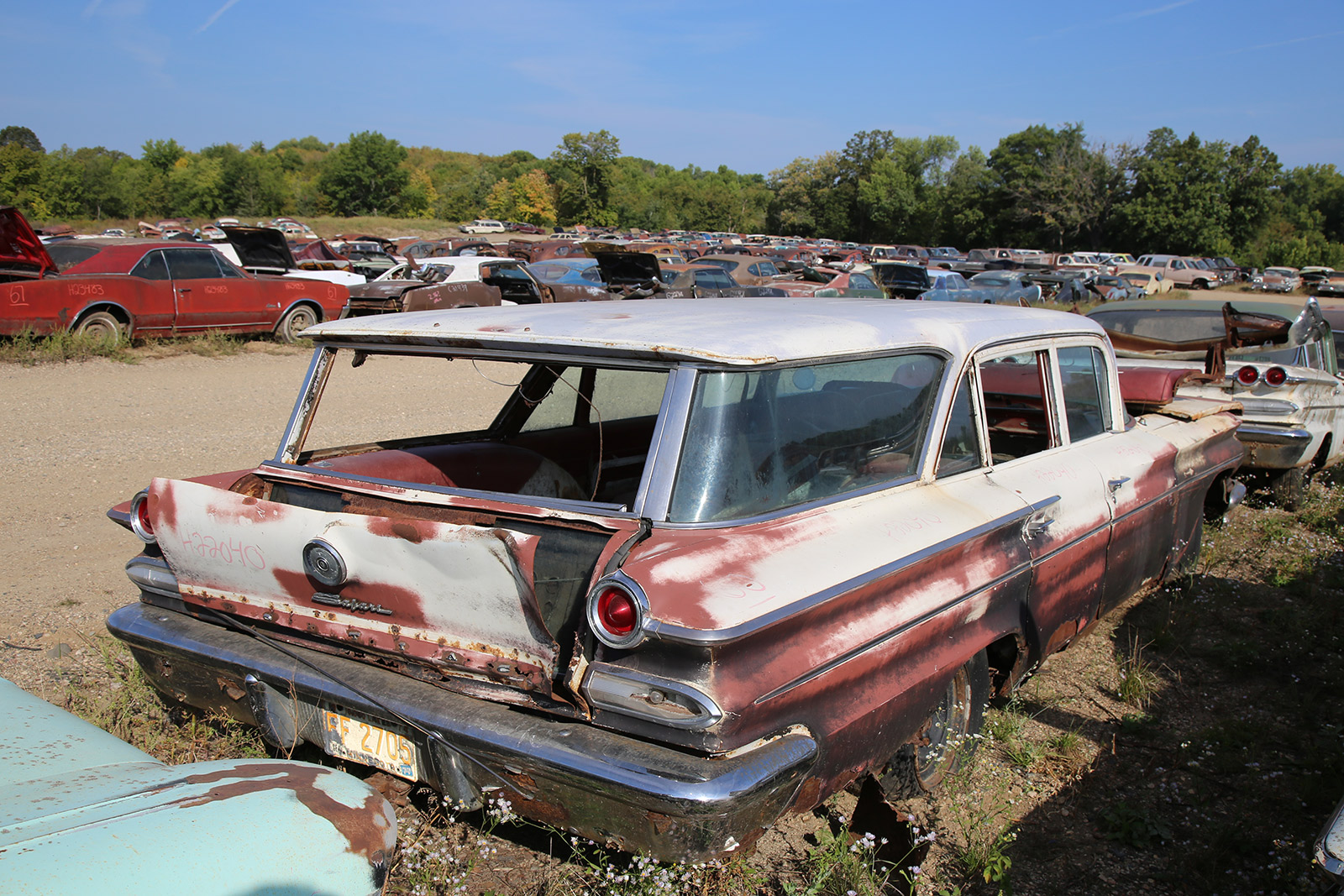
According to its license plate tags, this 1960 Pontiac Safari wagon retired after 17 years, and likely hasn’t moved under its own steam for the better part of five decades. In fact, judging by the way it has sunk into the dirt, it’s probably spent much of that time here at French Lake Auto Parts.
PLYMOUTH CRANBROOK - 1951
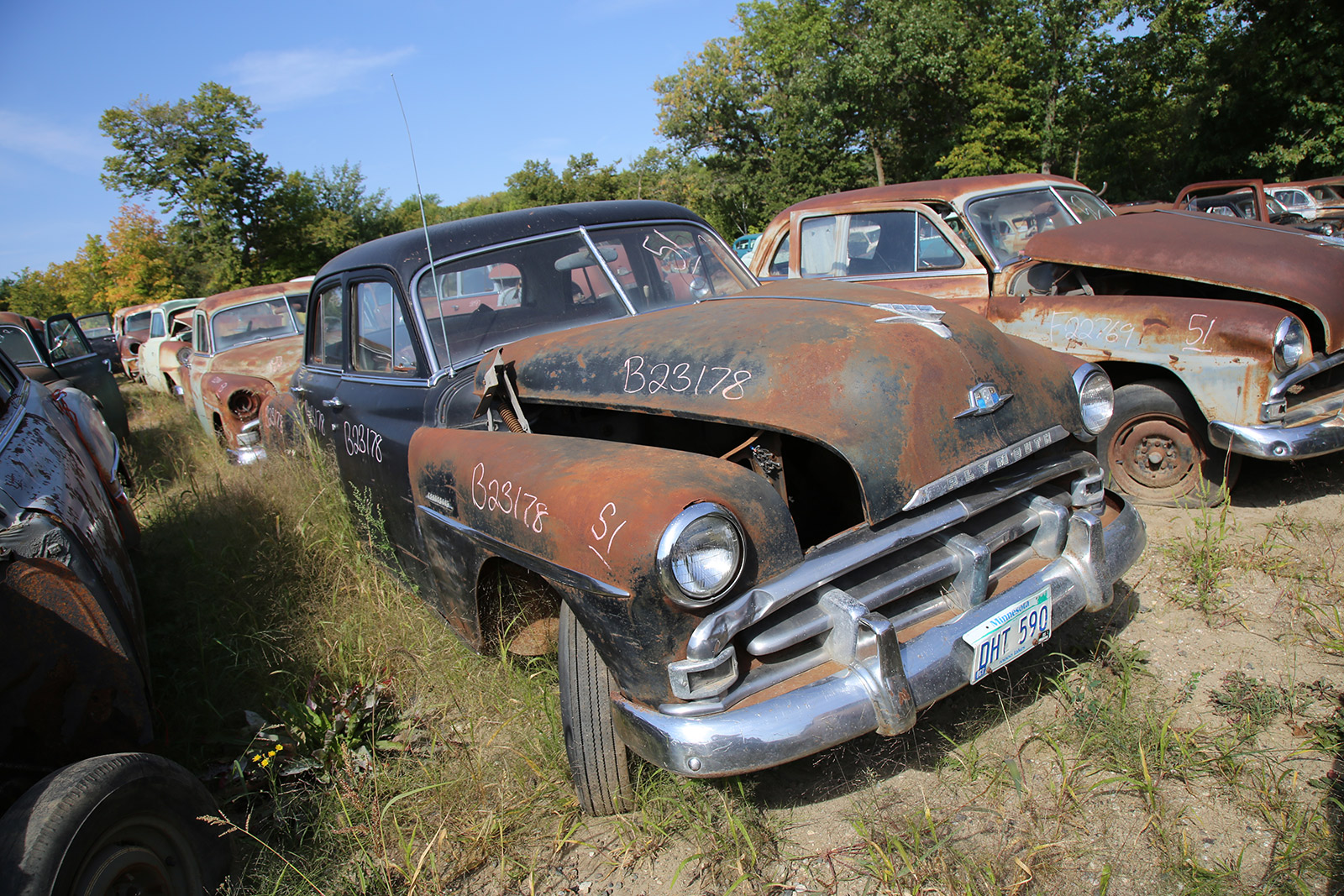
In contrast to the Pontiac Safari wagon, this 1951 Plymouth Cranbrook survived on the roads until the mid-1980s. It’s got an abundance of rust-free parts, and if you see anything you’d like, give French Lake Auto Parts a call and quote the code scribbled all over the car.
VOLKSWAGEN BUS - 1978
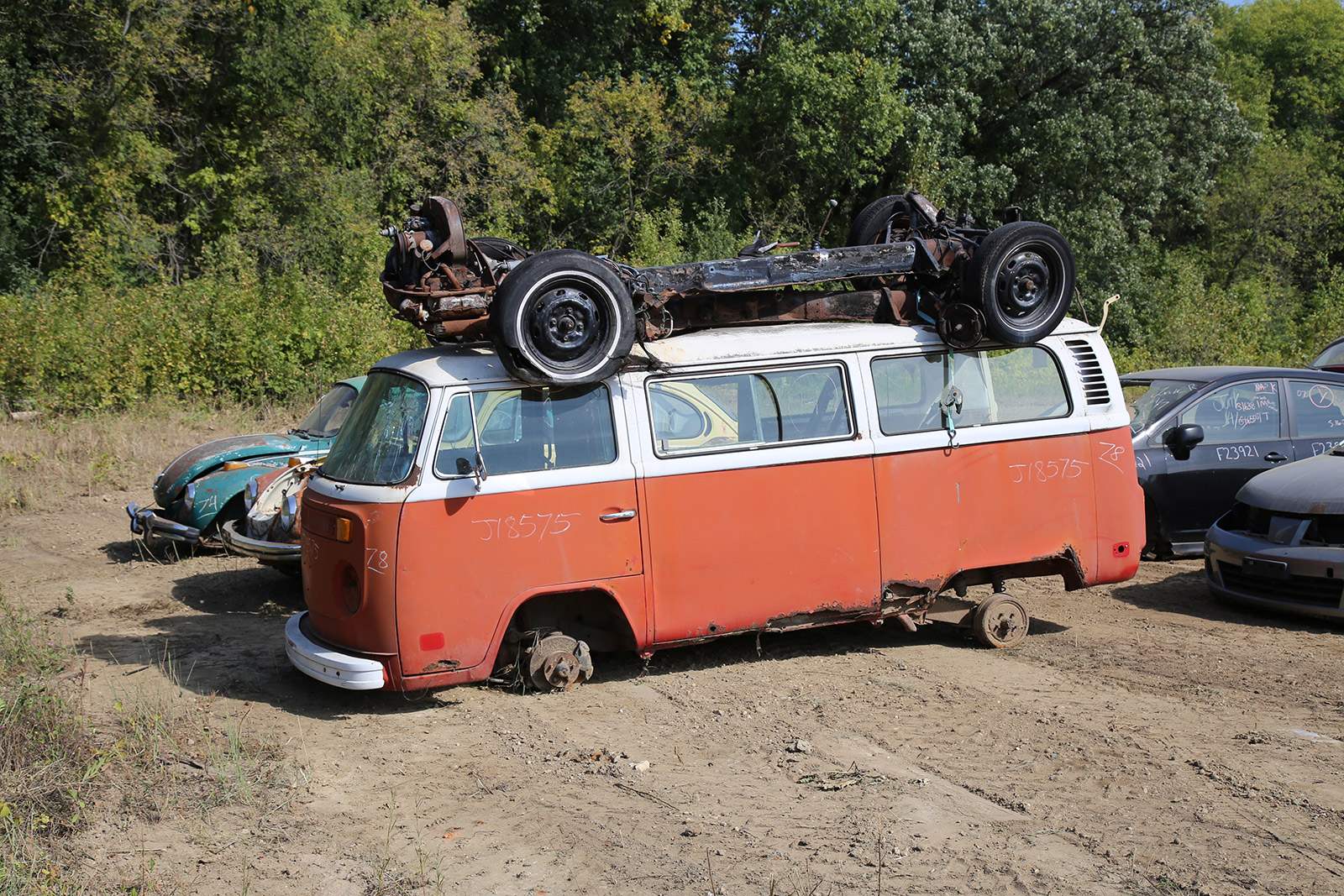
There can’t be a vintage salvage yard anywhere in the US that doesn’t have at least one Volkswagen bus in its inventory. French Lake Auto Parts’ offering is this 1978 version, which has definitely seen better days. Although most of its body panels are too rotten to be saved, there’s an abundance of other spares on offer. That appears to be a VW Beetle chassis perched on its roof.
BUICK - 1937
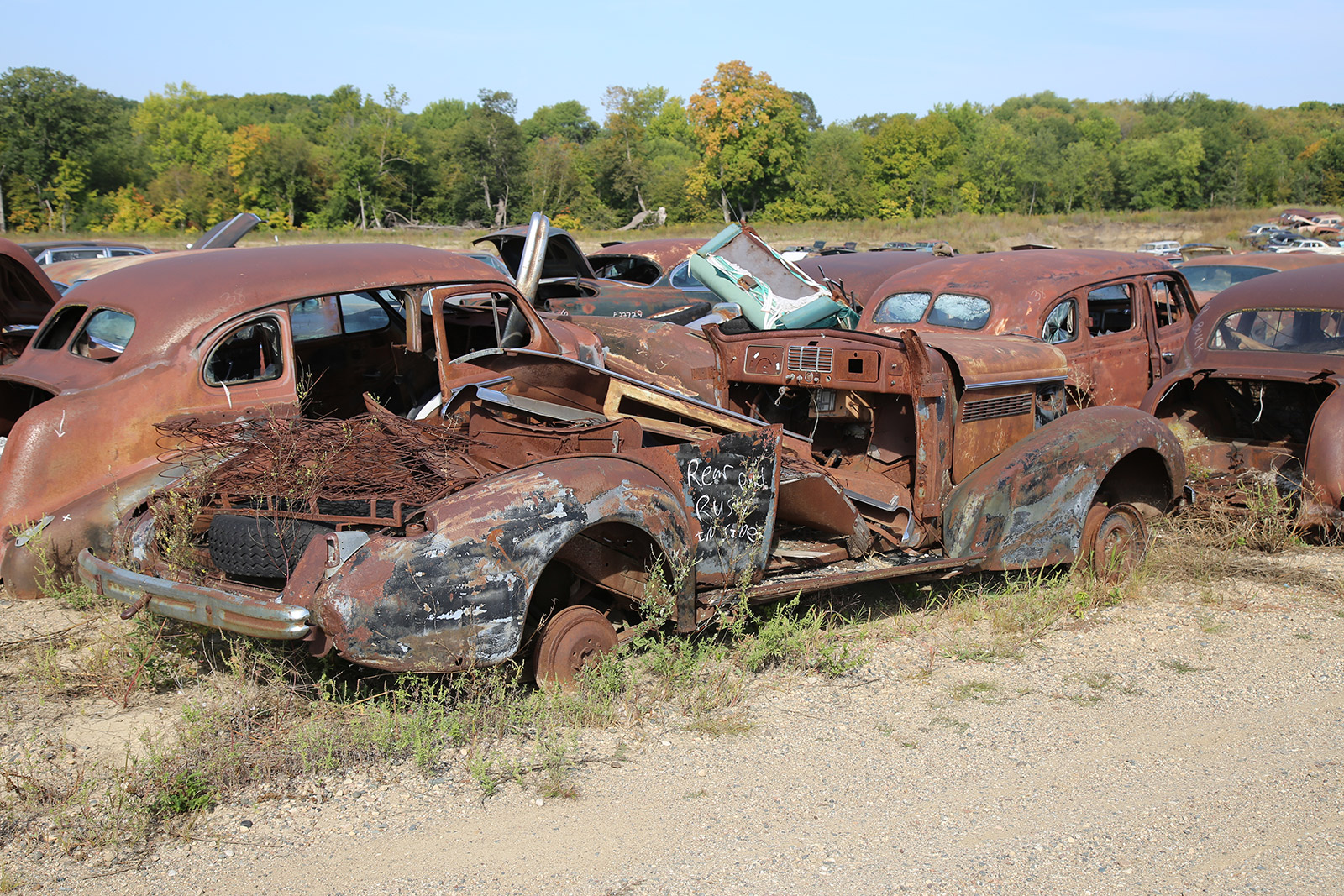
"Rear end rusted inside" is the least of this Buick’s issues, judging by its appalling condition. Although we couldn't find any identifying marks, our best guess is that it was built in 1937. This was a great year for Buick, with 220,346 cars sold—its best sales performance in a decade, a number that wouldn't be beaten until 1940.
CADILLAC ELDORADO - 1969
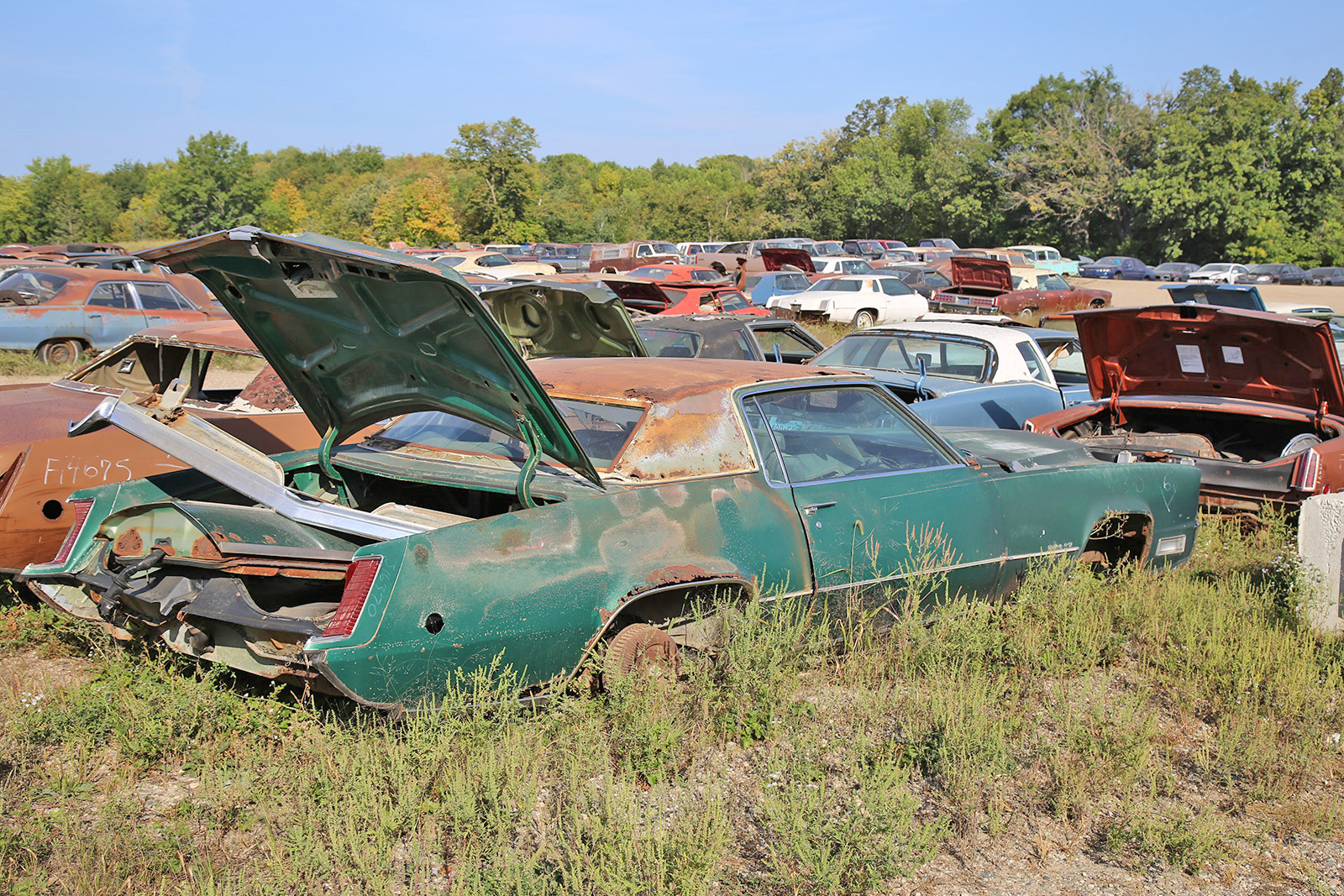
This Eldorado is one of just 23,333 built in 1969, accounting for roughly 10% of Cadillac’s production that year. While the average car cost $3270 in 1969, the Eldorado, with its $6710 price tag, was anything but average. Buyers enjoyed numerous creature comforts and a powerful 7.7-litre engine, making it a luxurious choice for the discerning driver.
CHEVROLET 150 - 1955
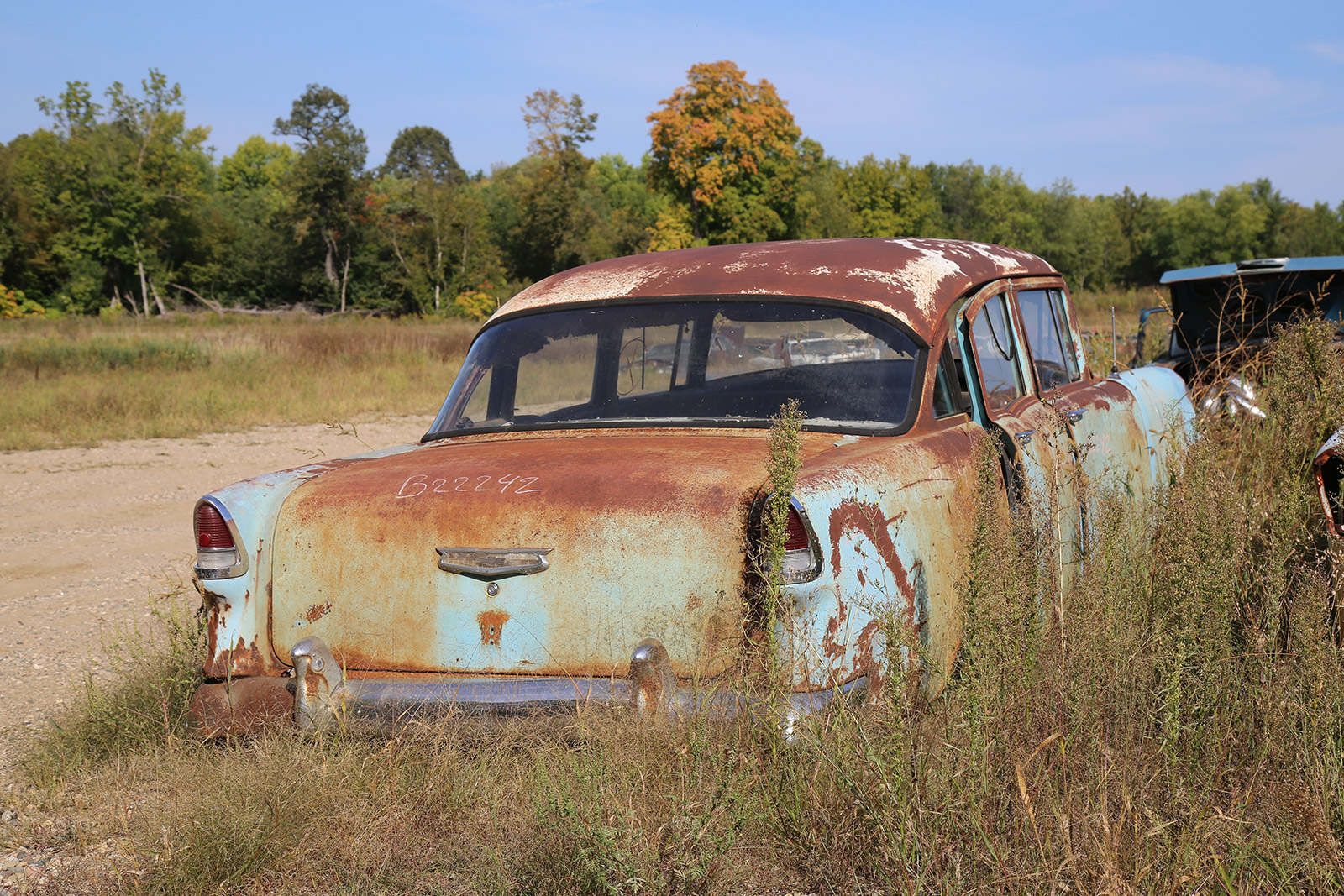
While the 1957 models often steal the spotlight today, it's worth noting that the best-selling Tri-Five Chevy was the 1955. With nearly 1.78 million units sold, it outpaced the 1956 and 1957 models, which sold 1.62 million and 1.56 million respectively. This 1955 150 four-door sedan still has a lot going for it.
CHRYSLER NEWPORT - 1963
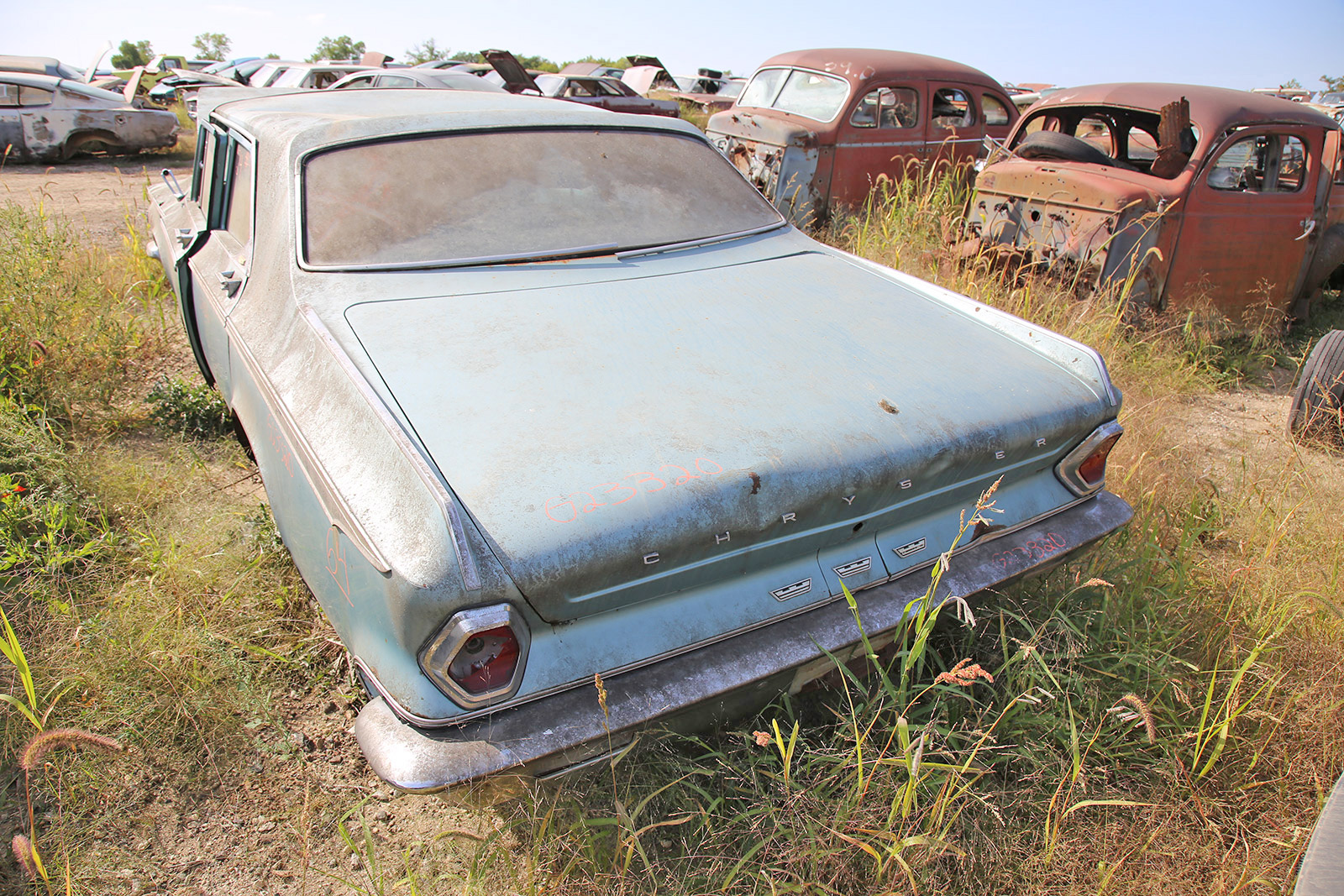
In 1963, Chrysler deleted the Newport's tailfins, but they made a return the following year, as seen here. This car is in exceptional condition for a junkyard gem, appearing relatively rust-free and complete. Approximately 85,000 Newports were built in 1963, the majority of which were four-door sedans like this one.
CHEVROLET CAPRICE ESTATE - 1978
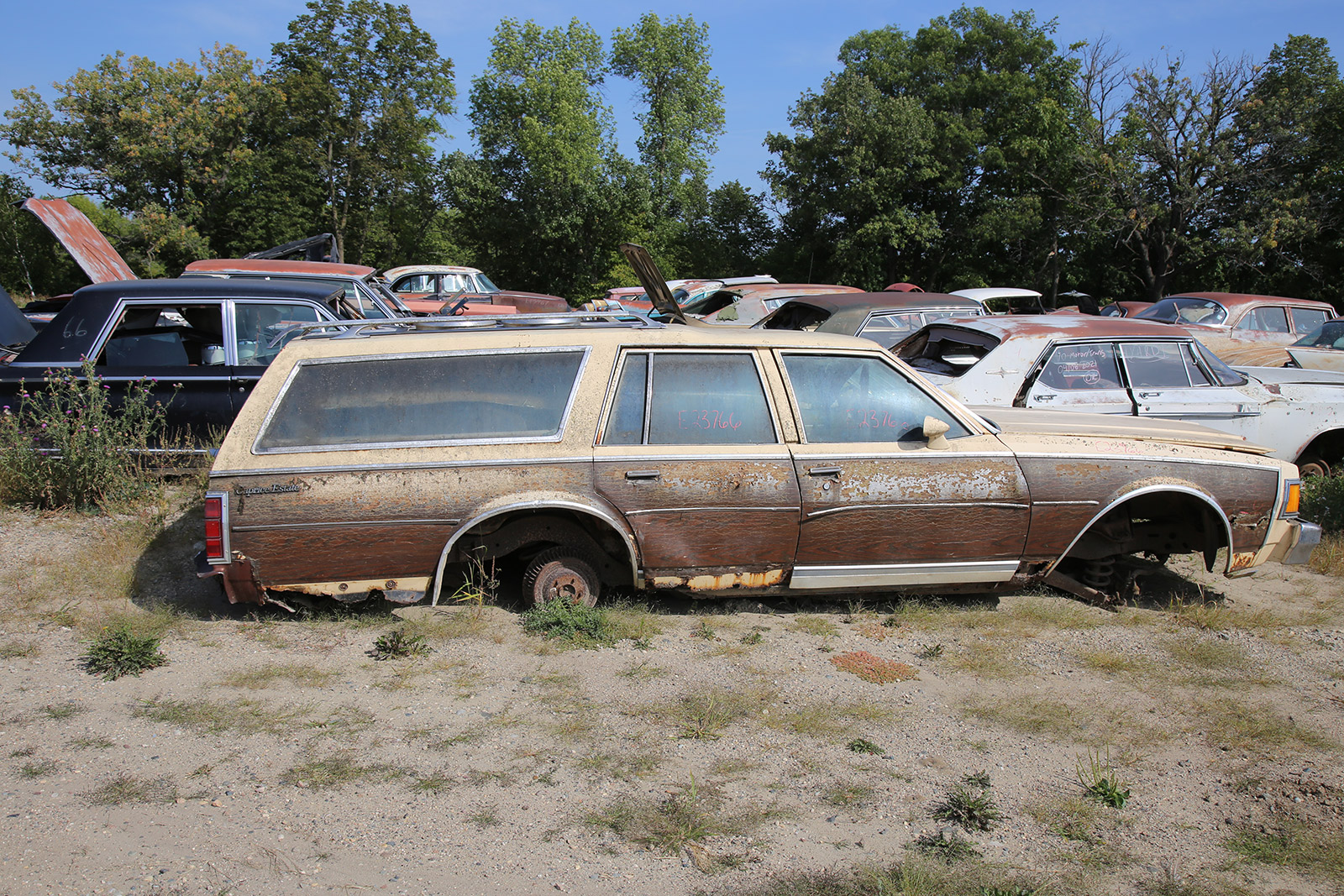
This 1978 Chevrolet Caprice Estate might be riddled with tin-worm, but at least it doesn’t have to contend with wood-munching beetles, thanks to its faux woodgrain panelling. Chevrolet and Dodge were the first automobile manufacturers to introduce vinyl wood-trimmed ‘woodie’ station wagons back in 1966.
MERCURY PARK LANE - 1965
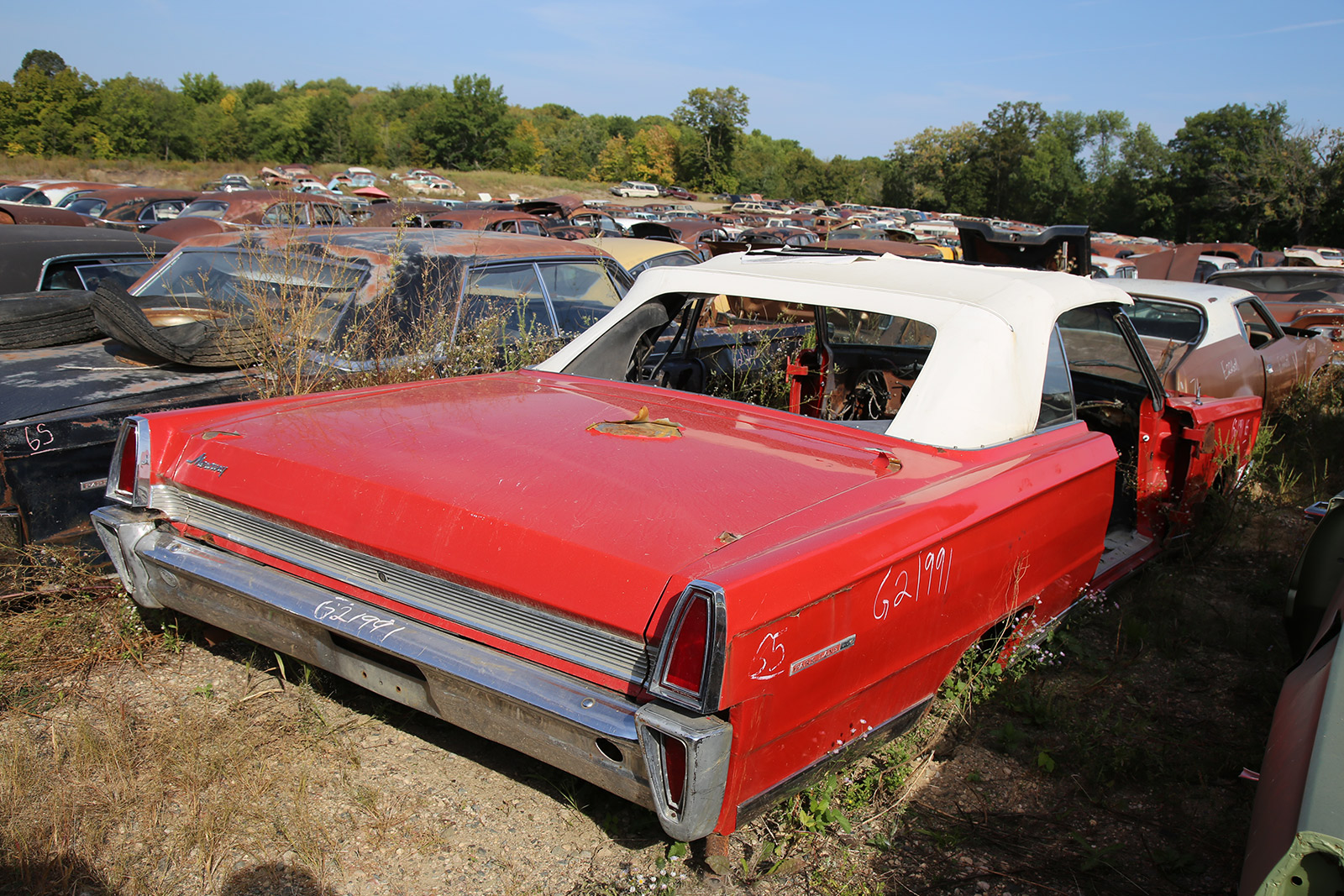
Considering its brightness, this 1965 Mercury Park Lane must have been resprayed fairly recently. However, the peeling paint suggests a poor-quality job. It's rather unusual to find a convertible in a salvage yard with a relatively intact ragtop. With just over 3000 of these built, it’s a rare find.
DESOTO DELUXE COUPE - 1947
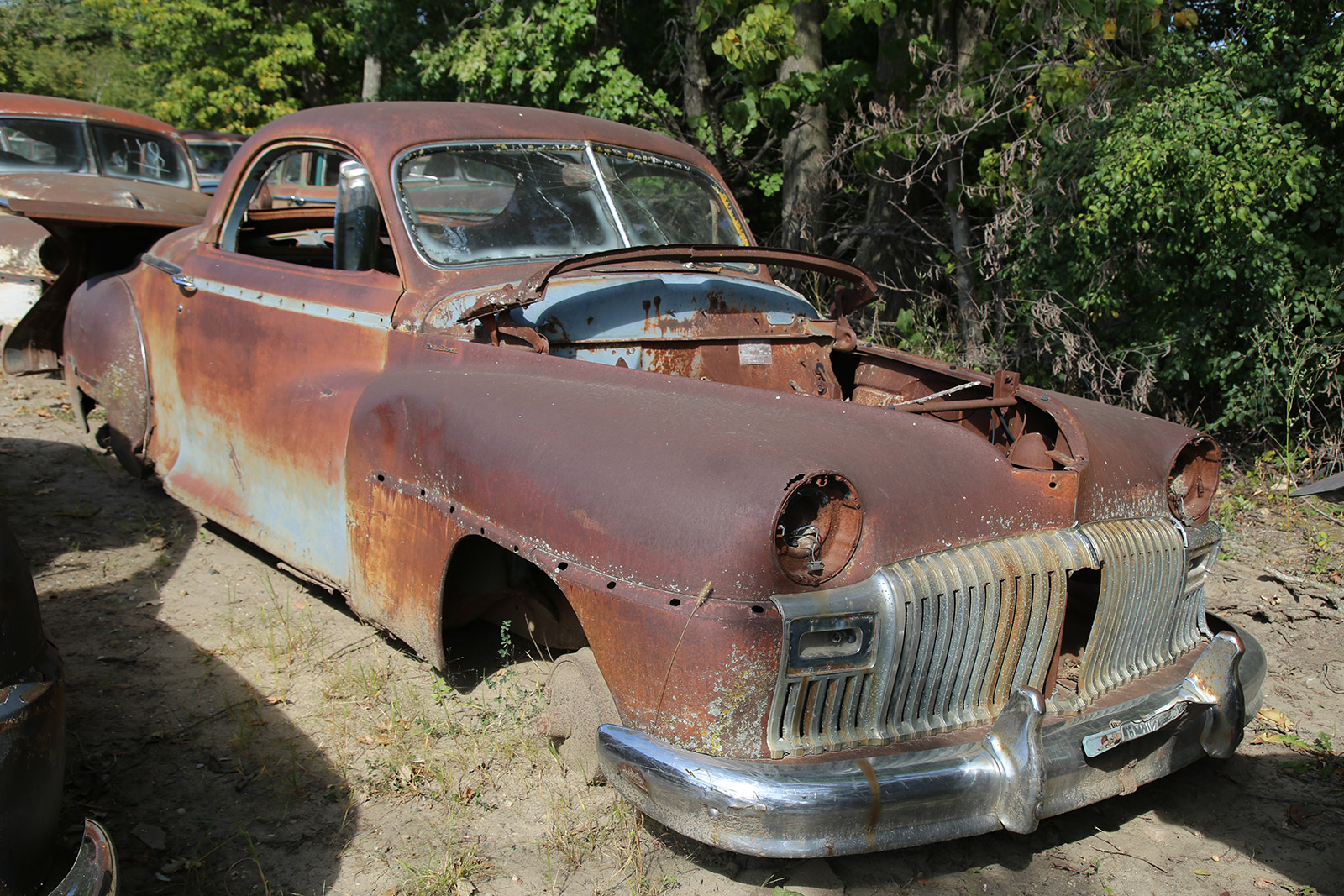
There can’t be many of these left in such a decapitated state. This ultra-rare 1947 DeSoto Deluxe two-door, three-passenger coupe is one of only 1950 units built that year. When pushed to its limits, its 3.9-litre engine, with all 109 horses unleashed, would take about 23 seconds to reach 60mph. This is just one of several DeSotos from this era that we unearthed at French Lake Auto Parts.
BUICK ROADMASTER - 1953
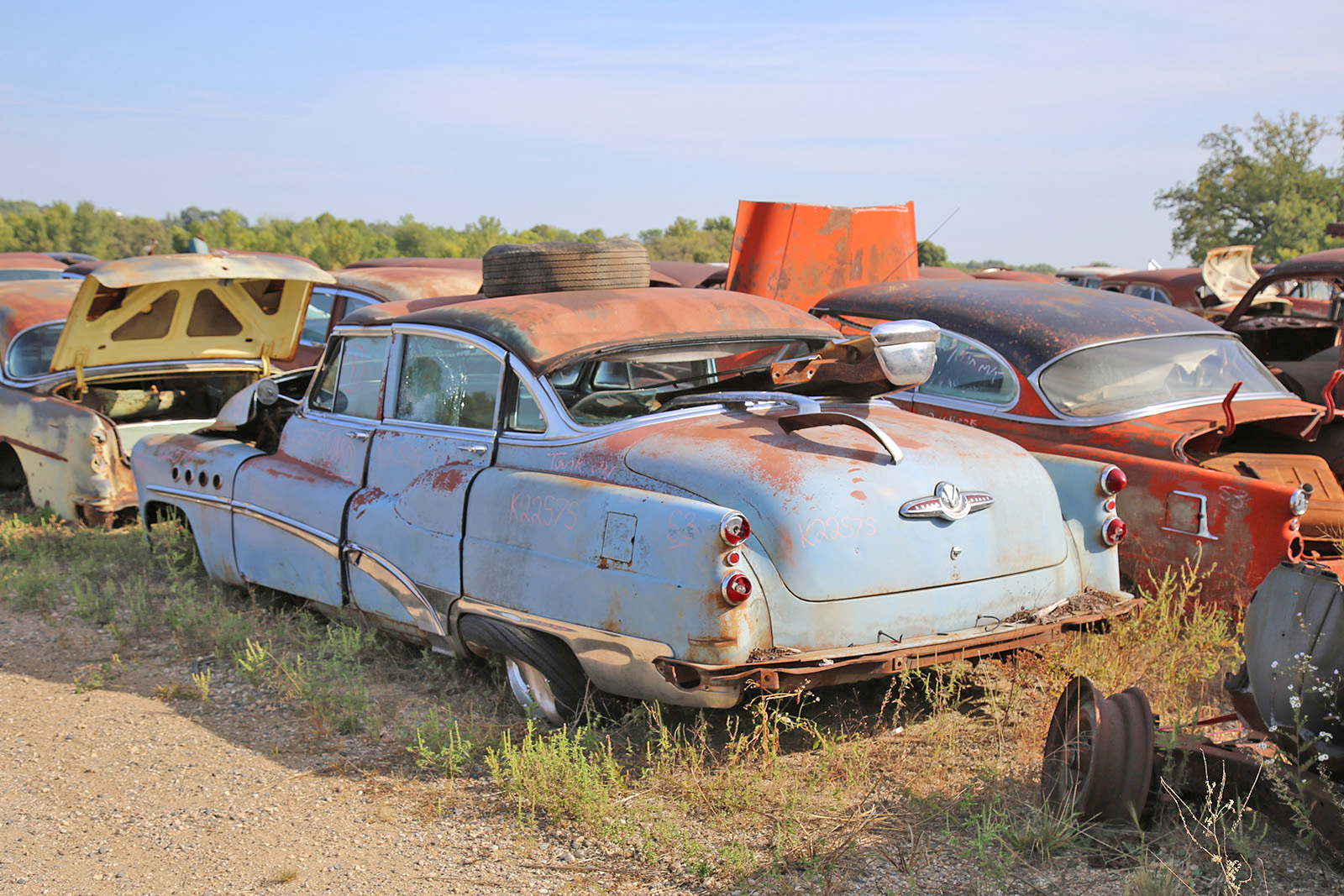
Take a look at this trunk lid—it’s in fantastic condition. In fact, it’s just one of many rust-free body parts this 1953 Buick Roadmaster four-door sedan has to offer. The Roadmaster was a staple in Buick’s lineup during three different periods between 1936 and 1996, but it was only between 1946 and 1957 that it held the title of the marque’s flagship automobile.
NAVISTAR PICKUP - 1974
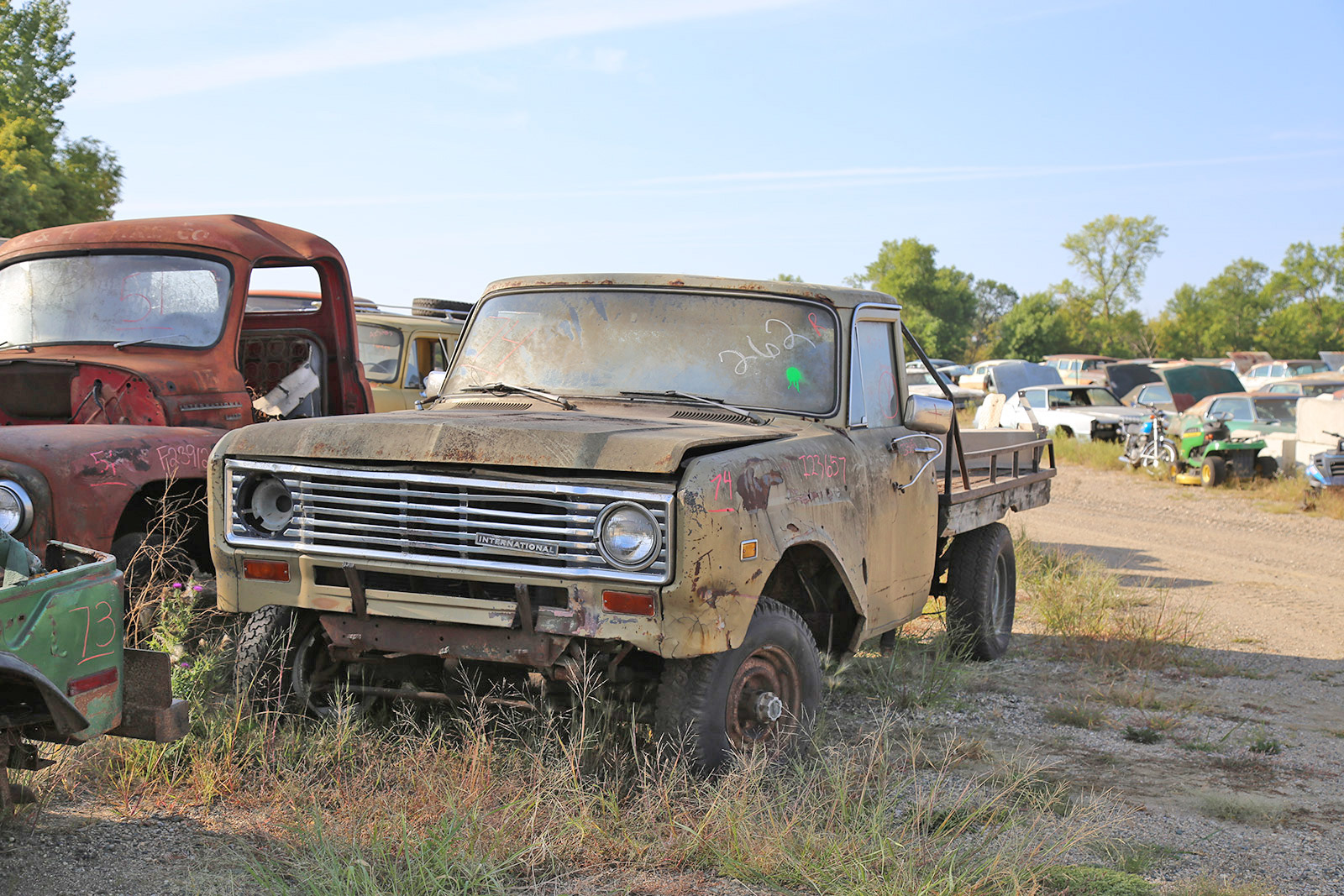
This 1974 International Light Line clearly didn’t roll off the factory floor with such crude bodywork. Founded in 1902, the International Harvester Company initially focused on agricultural machinery before expanding into trucks and other vehicles. Today, the company is known as Navistar International and is owned by Volkswagen.
DODGE CORONET CLUB COUPE - 1950
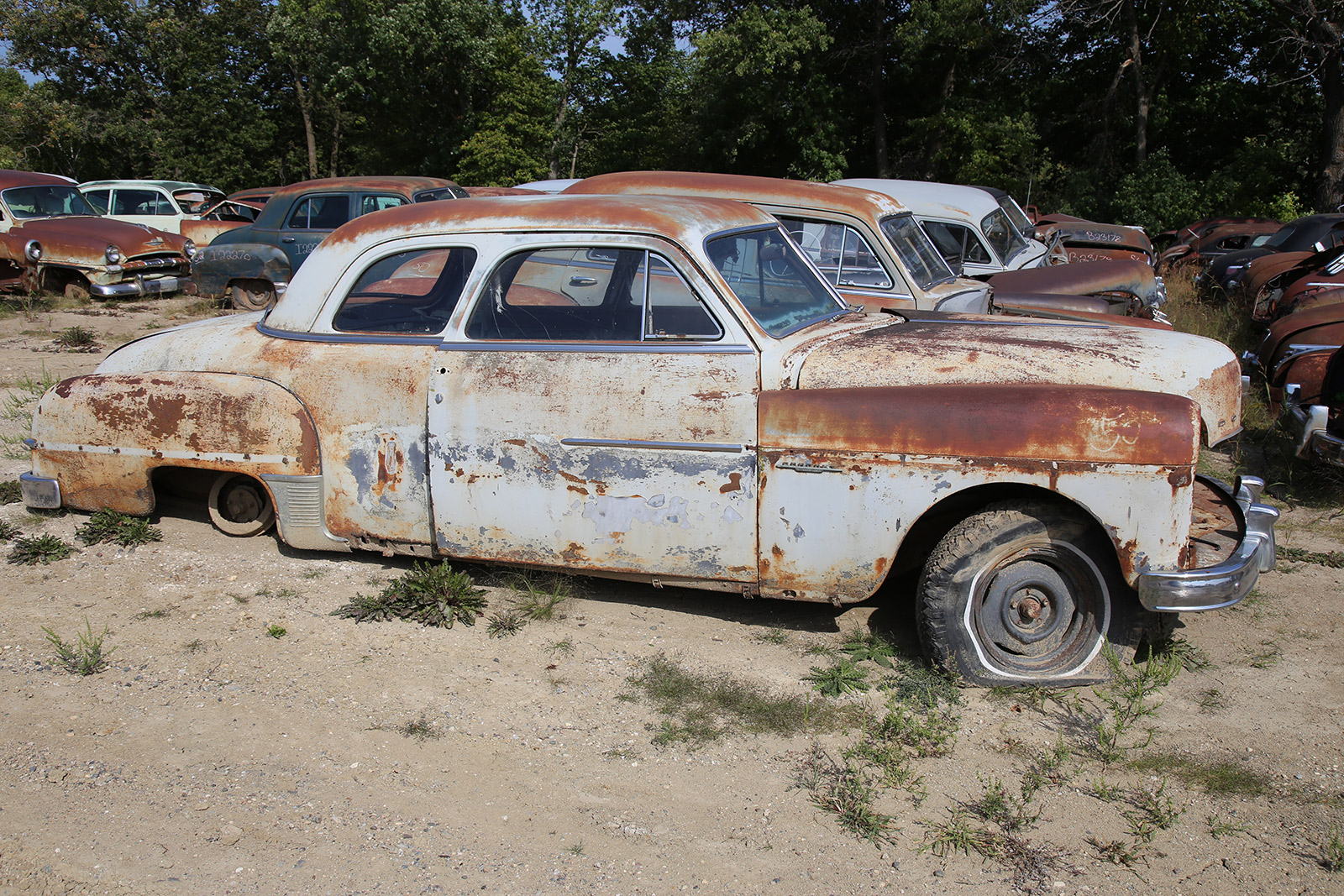
In 1950, Dodge offered seven different variants of the Coronet, with the stylish Club Coupe emerging as the best-seller. More than 38,000 units were sold, contributing to a record production year of 341,797 vehicles. It was a milestone the manufacturer wouldn’t surpass for another decade.
PACKARD PATRICIAN - 1955
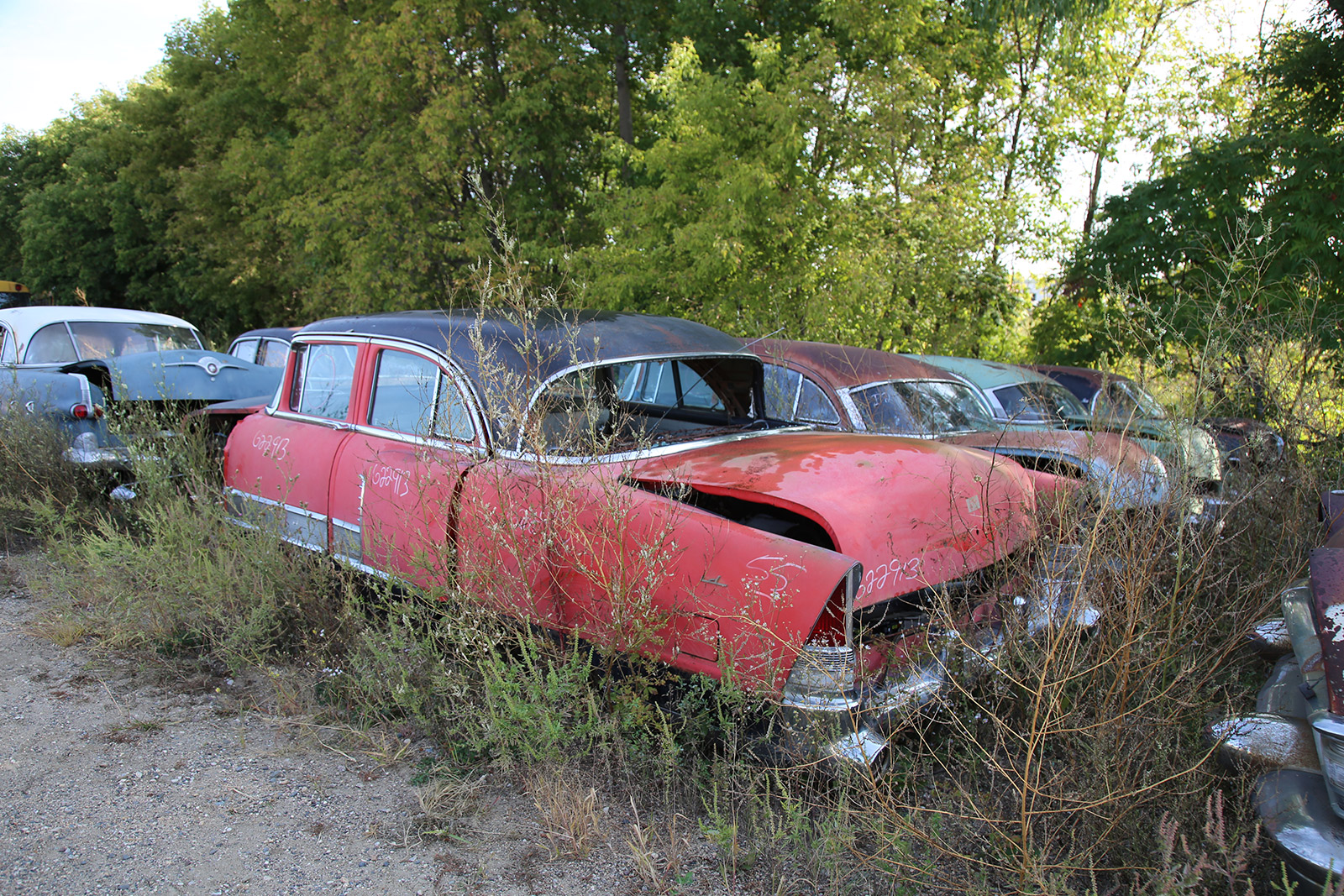
Introduced in 1951, the range-topping Packard Patrician was nearing the end of its run by 1955, the year this example rolled out of Detroit. That year, the Patrician received a significant refresh, though it was done on a tight budget.
The updates included a new wrap-around windshield, an updated dashboard, and distinctive cathedral-style rear taillights, as seen on this car. 1955 also marked the debut of Packard's first and only V8 engine. Despite these changes, sales remained disappointing, with only 9127 units leaving showrooms.
MG MGB - 1976
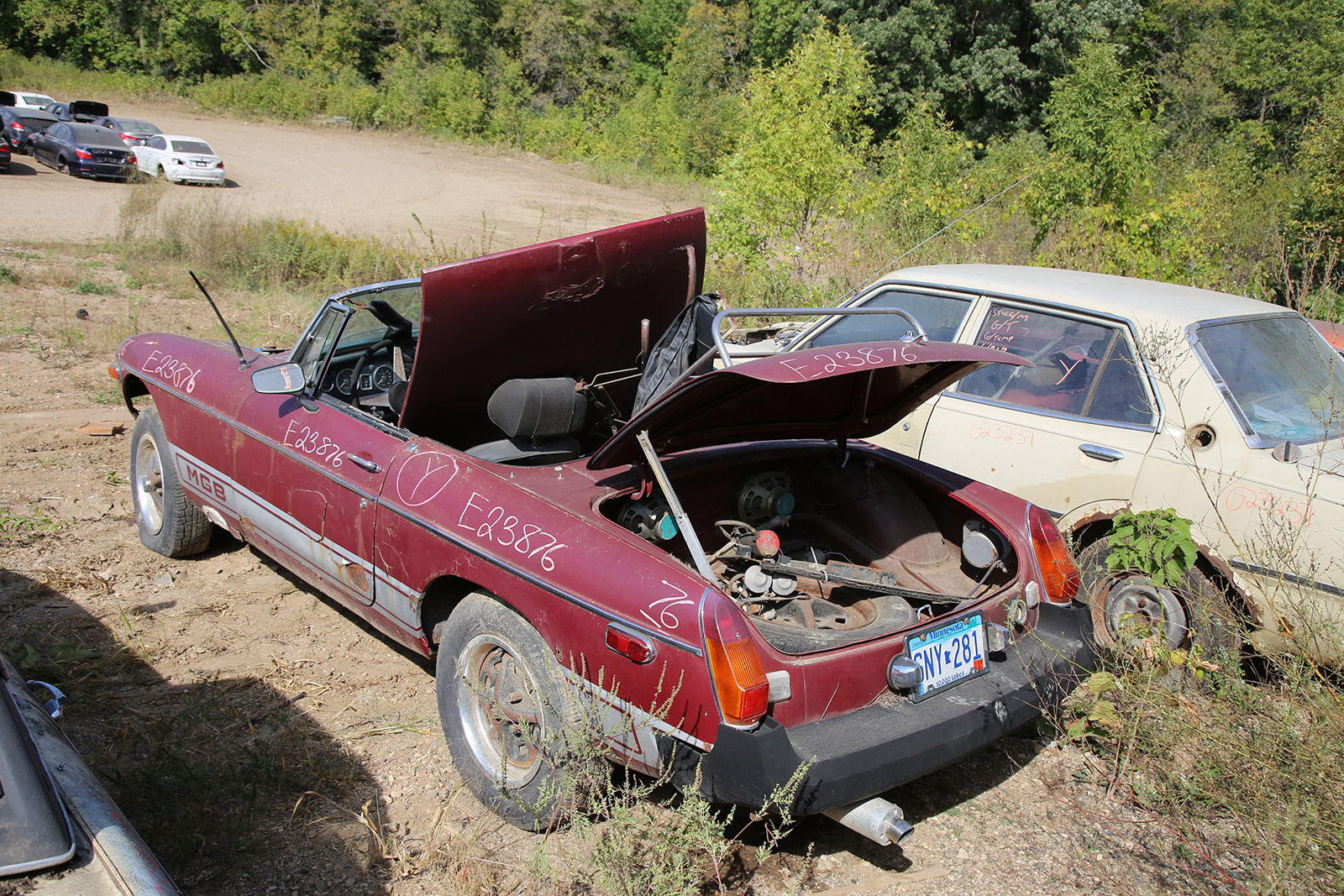
Despite being off the road for over a decade, this 1976 MG MGB roadster still manages to hold air in all four tires. Built during the ungainly black rubber bumper era, it also features the 1in lift implemented two years earlier to meet new US headlight regulations. While this height adjustment was a cost-effective alternative to a full redesign, like the bulky bumpers, it negatively impacted the car’s handling.
BUICK - 1948
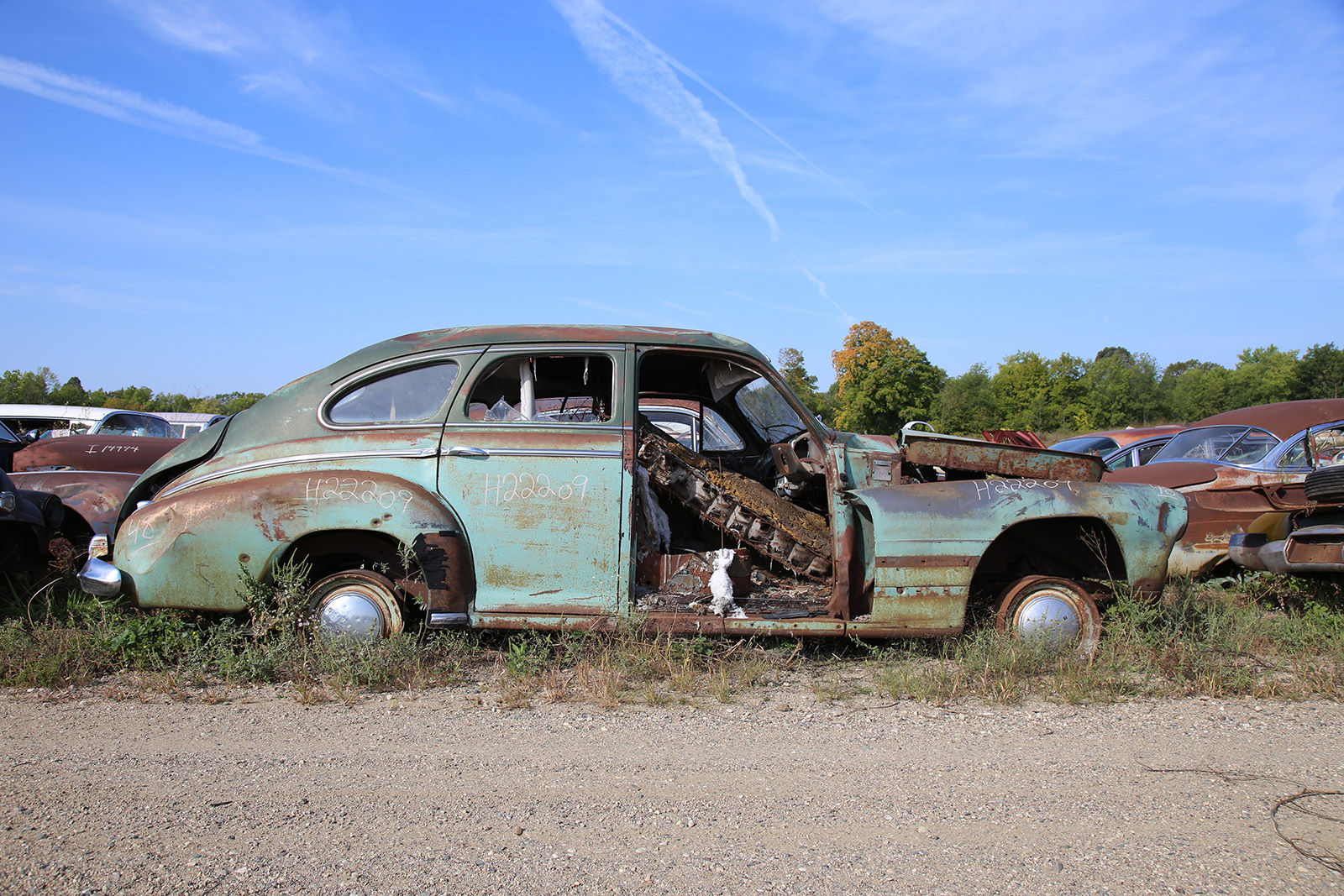
This 1948 Buick boasts several rot-free parts. However, anyone purchasing that rear fender will have three bullet holes and a dent to contend with. In contrast the interior is seriously decomposed, which would indicate that the car has been missing its windows and passenger door for some years.
LINCOLN SPORT SEDAN - 1950
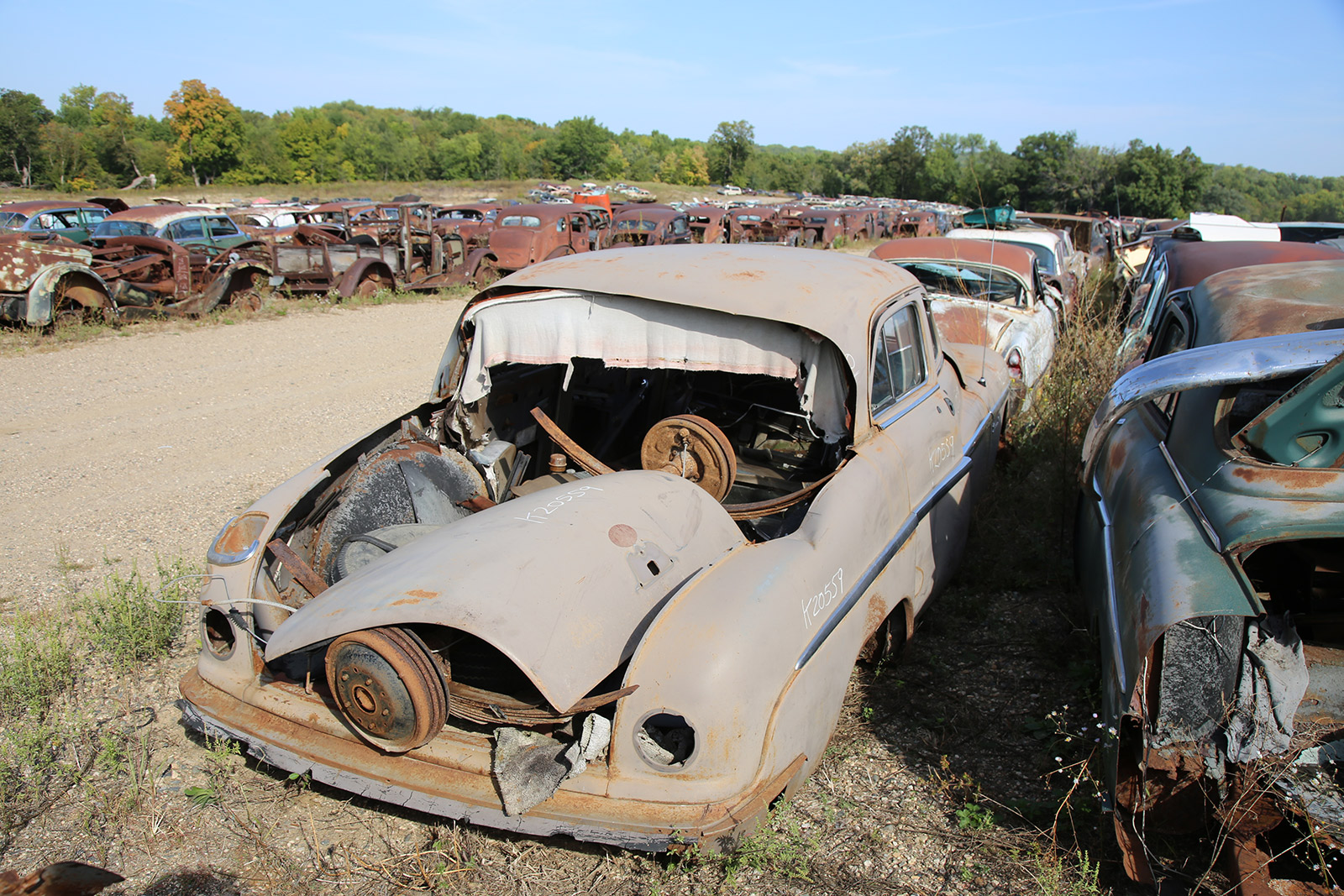
Well, that’s one way to remove a rear windshield without risking shattered glass—just cut it out. Here, we see the remnants of a 1950 Lincoln, likely a Sport Sedan. Priced at $2576, this was Lincoln’s entry-level model and its best-seller that year, with nearly 12,000 units produced.
However, 1950 was a disastrous year for Lincoln, with production plummeting to just 28,190 units—down sharply from the 73,507 vehicles produced the previous year. In stark contrast, rival Cadillac saw its sales rise by 11,000 units.
NASH AMBASSADOR SUPER - 1950
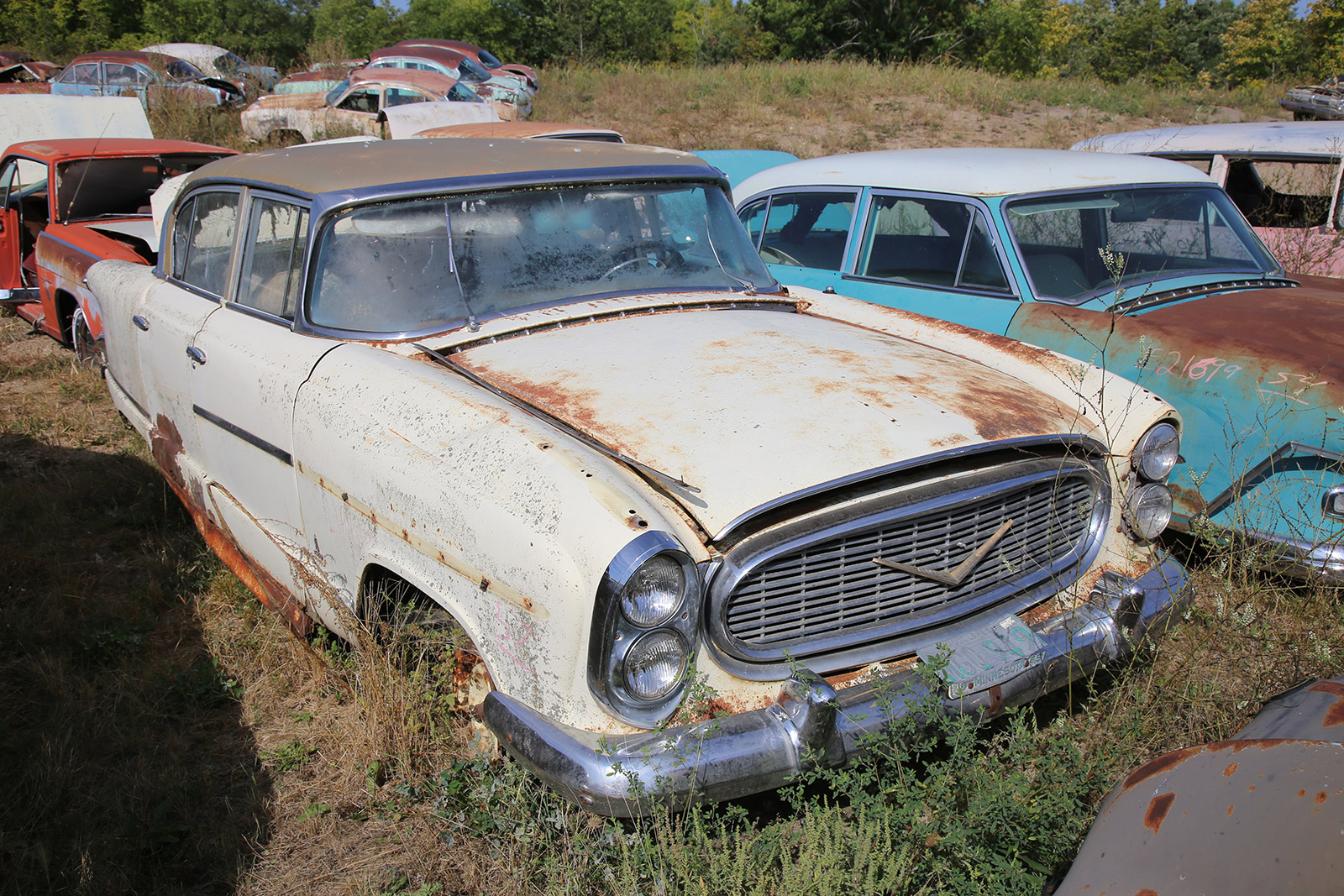
Nash touted its Ambassador Super four-door sedan as offering the best value per dollar in 1950, confidently claiming it outclassed the competition. Buyers also enjoyed the advantage of single-unit construction, which the sales literature hailed as the "greatest safety feature ever built into an automobile."
Judging by the condition of this example, it seems to have stood the test of time remarkably well.
PLYMOUTH SUBURBAN - 1958
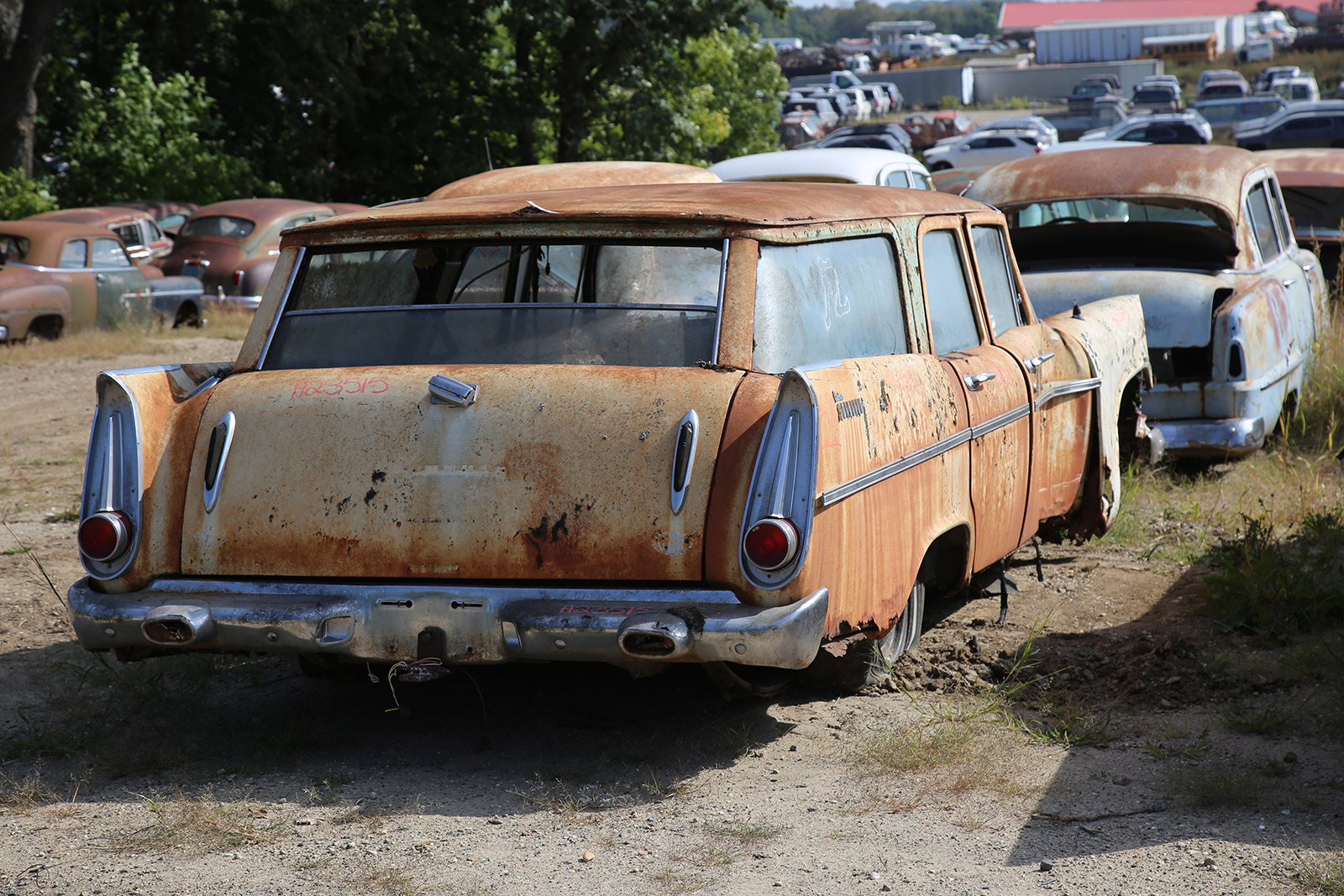
The 1957 Plymouths marked a radical departure from their predecessors, showcasing a bold new design by Virgil Exner. This striking look carried over into 1958, with only minimal visual changes, as seen in this example. That year, Plymouth sold a total of 55,865 Custom Suburbans, a mix of six- and nine-passenger models.
Despite its rough condition, this particular Suburban is remarkably intact and offers a treasure trove of spare parts.
FORD GALAXIE 500 - 1964
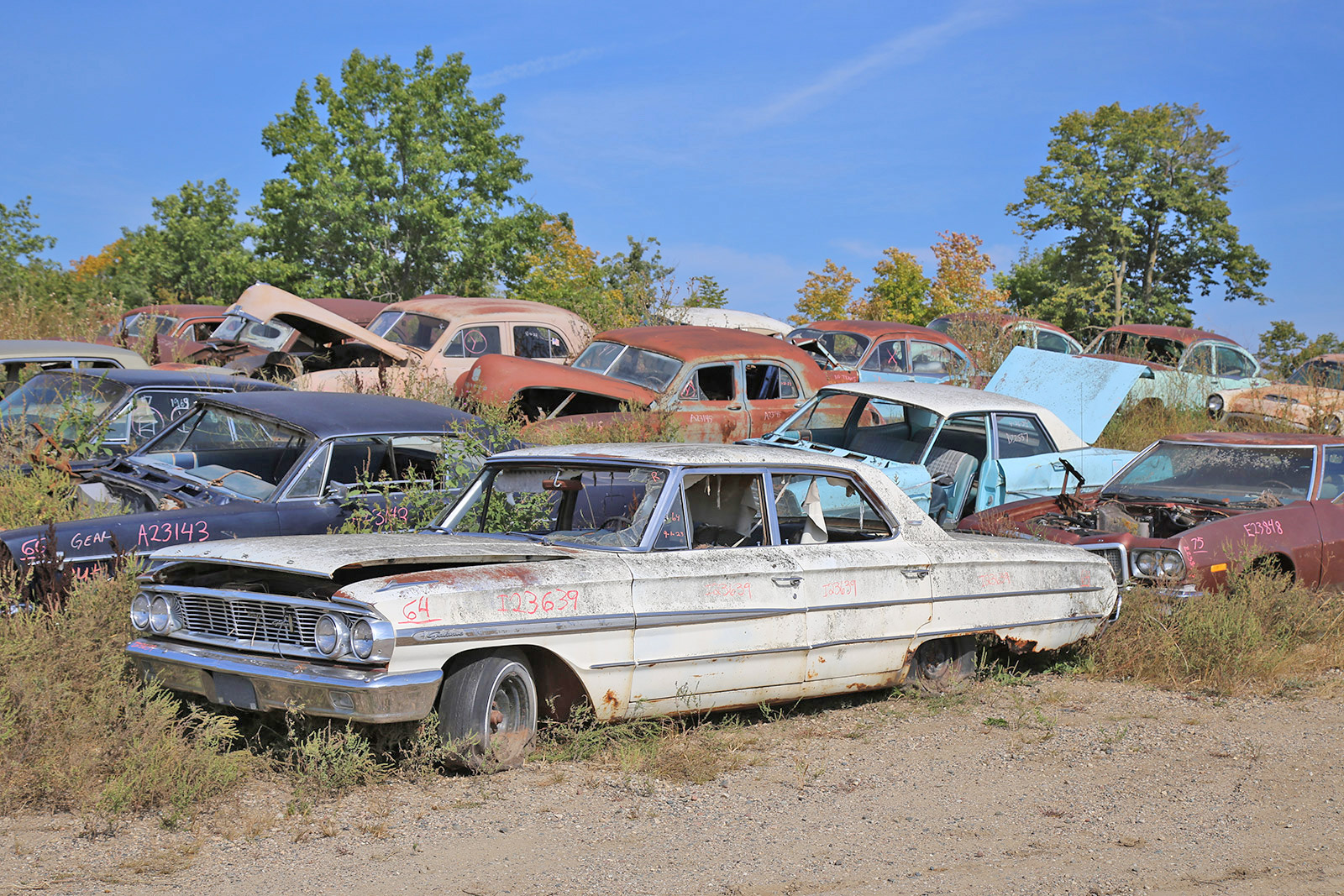
In 1965, the Ford Galaxie received a major restyle, but that didn’t deter buyers from snapping up the 1964 models. Some 593,533 Galaxies rolled off the assembly line that year, contributing to Ford's impressive total of 1.59 million vehicles produced—the company's best performance since 1957.
This particular 1964 Galaxie 500 still boasts gleaming chrome that shines brightly under the Minnesota sun.
MERCURY COUGAR - 1967
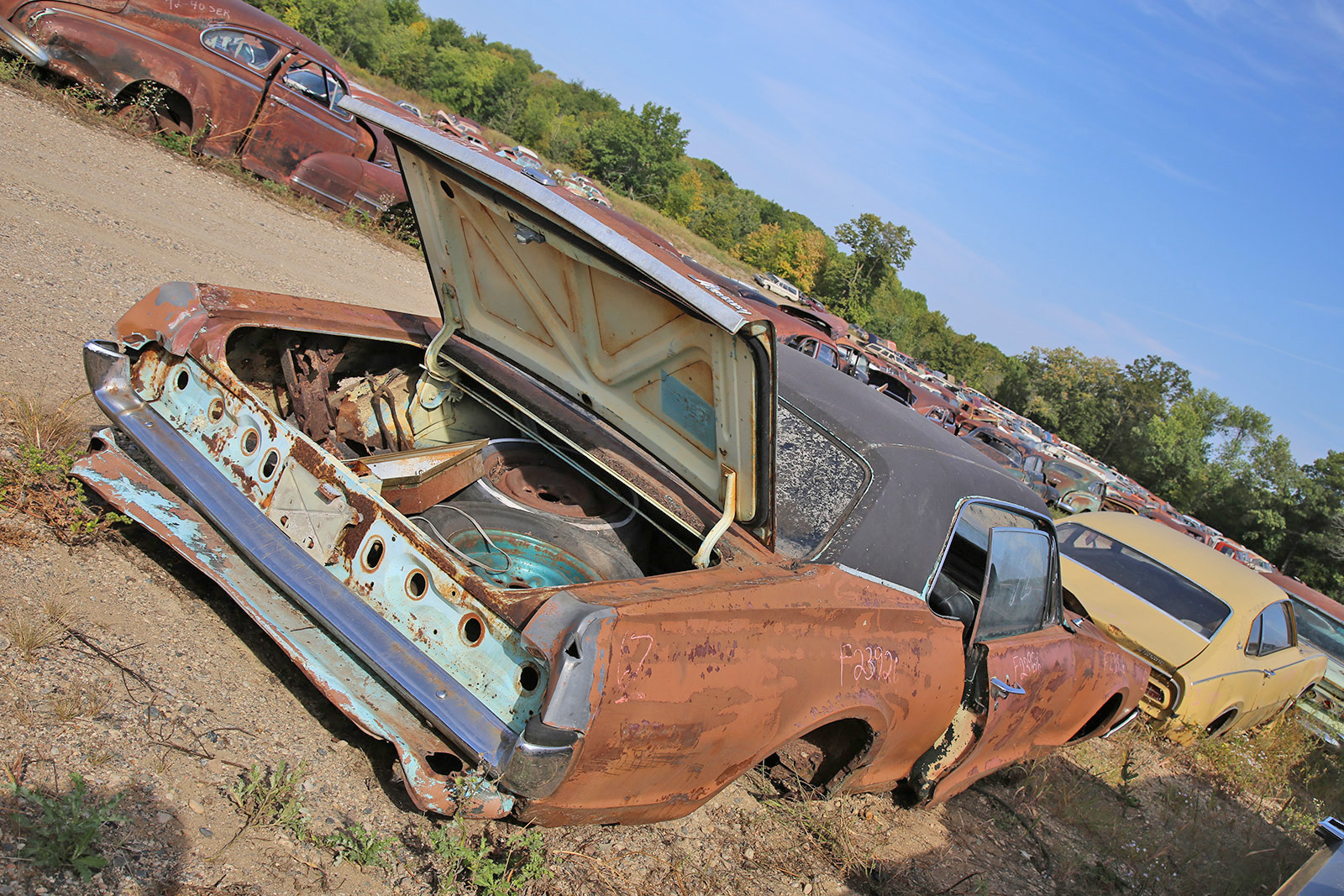
The 1967 Mercury Cougar, built on the Ford Mustang platform but with a heftier price tag, was an instant hit. With a base price of $2854, an impressive 150,893 buyers drove one off the lot in its debut year, exceeding sales expectations.
This level of popularity wouldn't be matched until the fourth-generation models from 1977 to 1979. Over its long production run, which spanned from 1967 to 2002, nearly 3 million Cougars were produced.
NASH - 1942
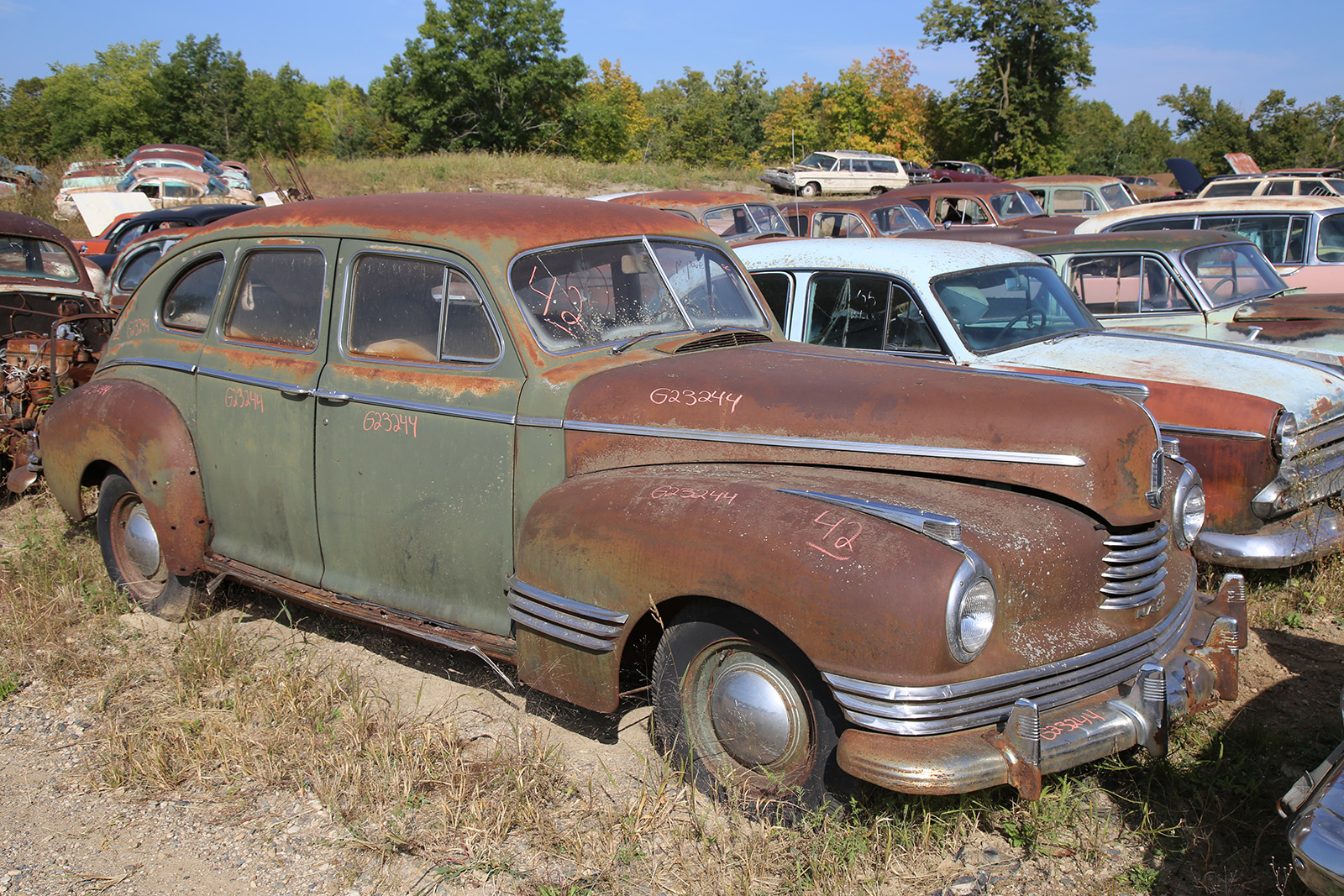
In early 1942, the US government halted civilian automobile production, directing factories to focus on military vehicles and weapons instead. Nash Motors was no exception, swiftly transitioning to manufacturing aircraft engines, binoculars, and some of the first Sikorsky helicopters.
Due to this shortened production run, only 31,780 cars were built that year, making any surviving models exceptionally rare. This example is remarkably complete, right down to its wheel trims.
OLDSMOBILE DYNAMIC 88 - 1960
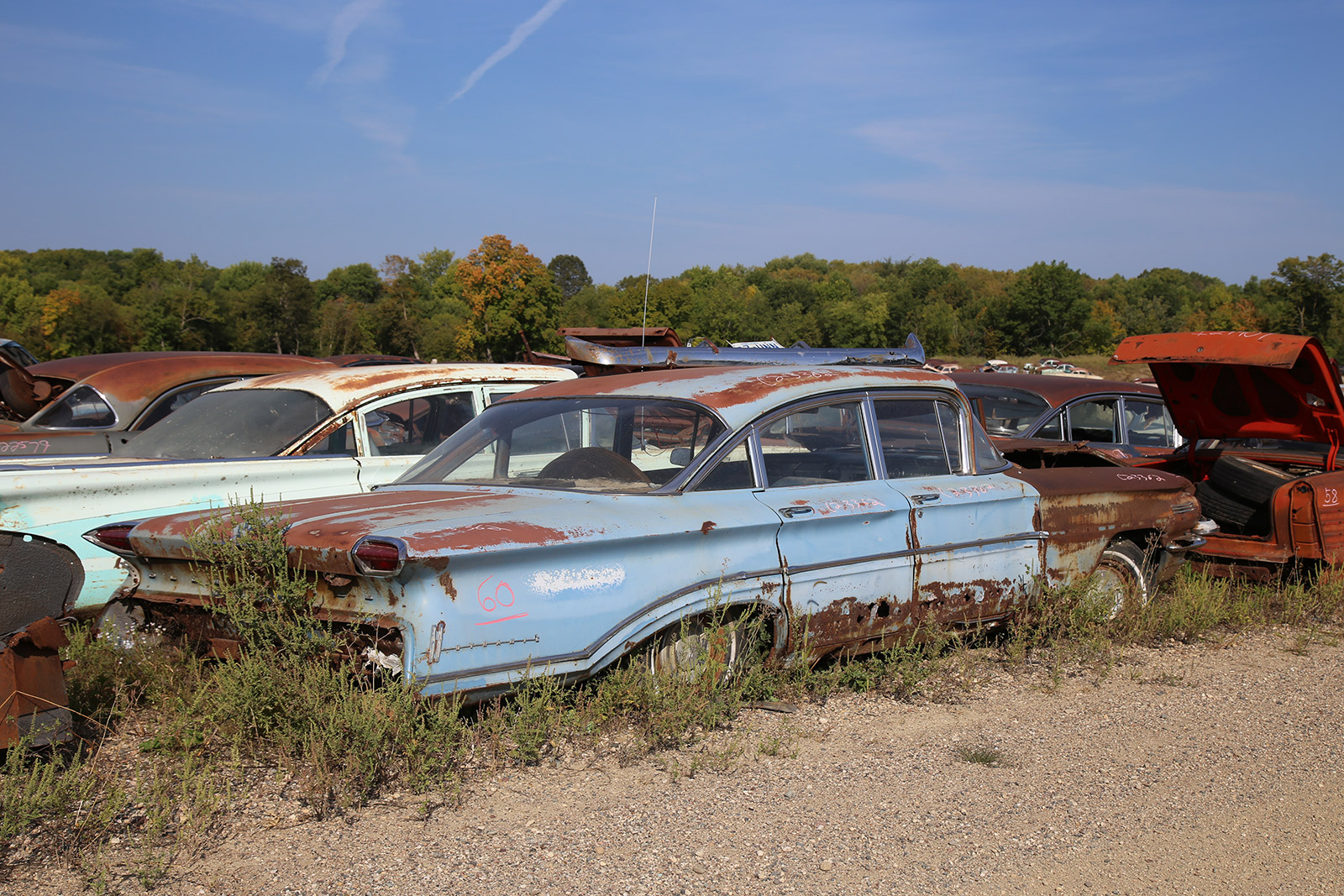
Despite the lower half of the doors suffering from severe corrosion, this 1960 Oldsmobile Dynamic 88 still has a wealth of spare parts up for grabs.
French Lake Auto Parts is an enormous place with more cars to explore so look out for part 2 of our story on this yard soon.
If you enjoyed this story, please click the Follow button above to see more like it from Autocar

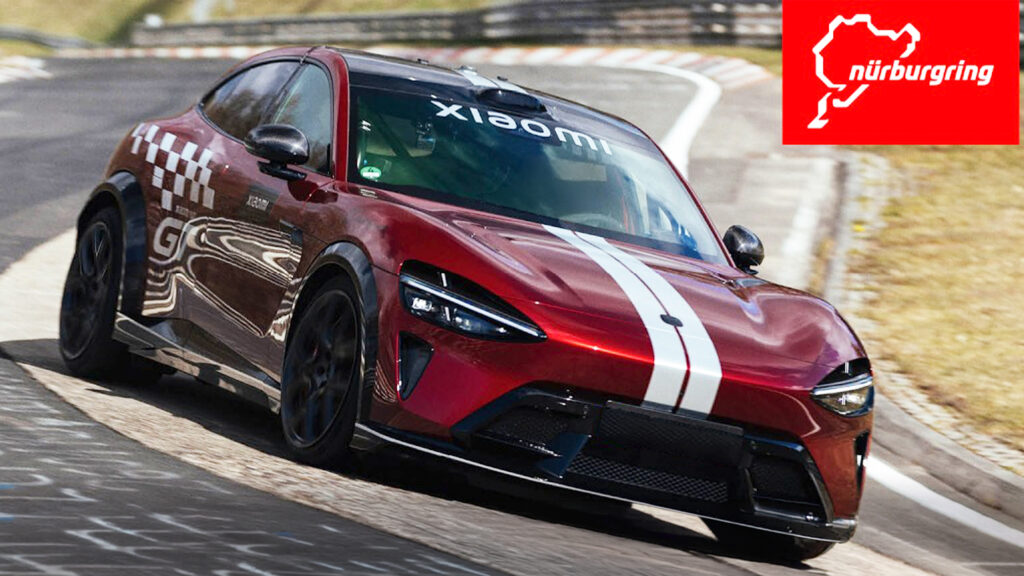
Autonomous Driving at the Limit as Xiaomi YU7 Completes Cautious but Historic Nürburgring Lap