How Do Engine Swap Scams Exploit Consumer Trust?
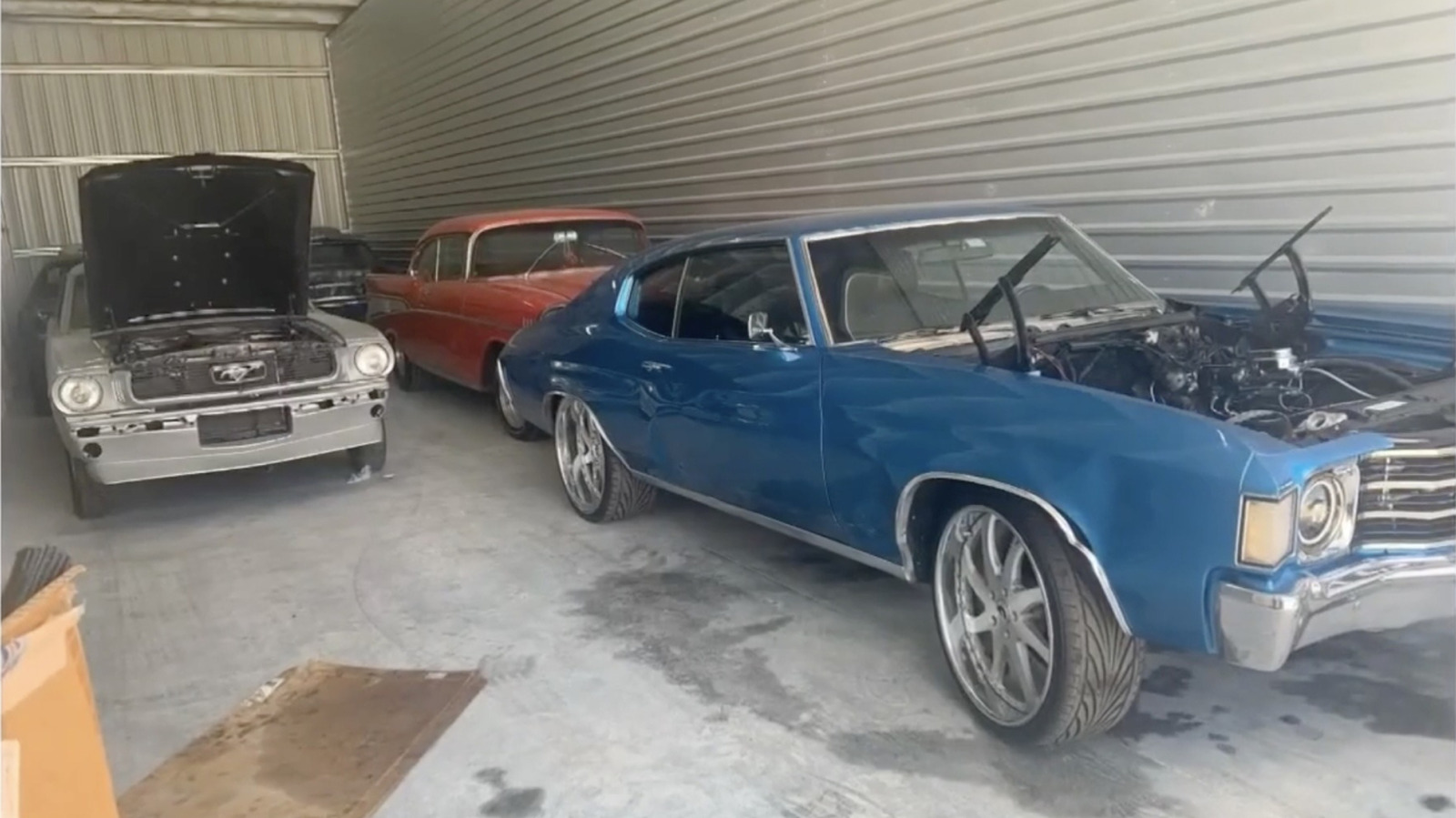
The phenomenon of engine swap scams, as exemplified by the recent Texas case, exposes a persistent vulnerability in the intersection of automotive enthusiasm and consumer protection. At its core, the scam leverages the aspirational logic of customization: car owners, often motivated by a blend of nostalgia, performance ambition, and subcultural belonging, entrust their vehicles—and substantial sums—to purported experts. The evidence suggests that the fraudster’s strategy was not merely opportunistic but systematically predatory, targeting individuals whose technical knowledge was sufficient to desire an engine swap but insufficient to verify the credibility of the provider. This asymmetry of expertise, coupled with the emotional investment typical of automotive projects, creates a fertile ground for deception.
Why Did This Case Result in Such a Severe Sentence?
The 60-year sentence handed down in this case—contested by the defendant but upheld by the testimony of 28 out of 72 victims—signals a judicial recognition of the qualitative harm inflicted by such schemes. While the nearly $500,000 in losses is substantial, the court’s response appears to reflect an understanding that the damage transcends financial metrics. Victims not only lost money but also suffered protracted uncertainty, emotional distress, and in some cases, the loss of vehicles with irreplaceable personal or historical value. The severity of the sentence may also be interpreted as a deterrent signal, intended to recalibrate the risk calculus for would-be fraudsters in an industry where regulatory oversight is often fragmented or reactive.
Who Is Most Vulnerable—and Why Are Existing Protections Insufficient?
A closer examination of the victim pool reveals a pattern: individuals with a passion for cars but without access to reliable, transparent service providers. The demographic skew—often enthusiasts operating outside major metropolitan areas—suggests that geographic isolation compounds the risk, as does the informal nature of many engine swap transactions. Existing consumer protections, typically designed for mass-market automotive sales and repairs, rarely extend to bespoke or aftermarket services. This regulatory gap, combined with the opacity of small-scale operations, enables fraudulent actors to operate with relative impunity until the scale of harm becomes impossible to ignore.
What Broader Lessons Emerge for Policy and Practice?
The case invites a reconsideration of how trust is constructed and policed in specialized service markets. While some might argue for more aggressive regulatory intervention, such measures risk stifling legitimate innovation and community-based expertise. A more nuanced approach would involve targeted transparency requirements—such as verifiable credentials, escrow payment systems, or third-party audits—tailored to high-risk, high-value transactions. The evidence does not support a blanket indictment of the engine swap industry; rather, it underscores the need for mechanisms that empower consumers to distinguish between legitimate artisans and opportunistic fraudsters.
What Remains Unresolved—and What Should Informed Readers Do?
Despite the high-profile nature of this conviction, the underlying structural vulnerabilities remain. The persistence of such scams points to a broader cultural blind spot: the valorization of customization and individual expertise, when unaccompanied by robust accountability, can inadvertently shield malfeasance. For readers considering similar projects, the prudent course is neither cynicism nor naïveté, but a disciplined skepticism—demanding documentation, seeking peer references, and insisting on incremental payment structures. Ultimately, the case serves as a cautionary tale, not merely about one man’s duplicity, but about the systemic conditions that allow such duplicity to flourish.