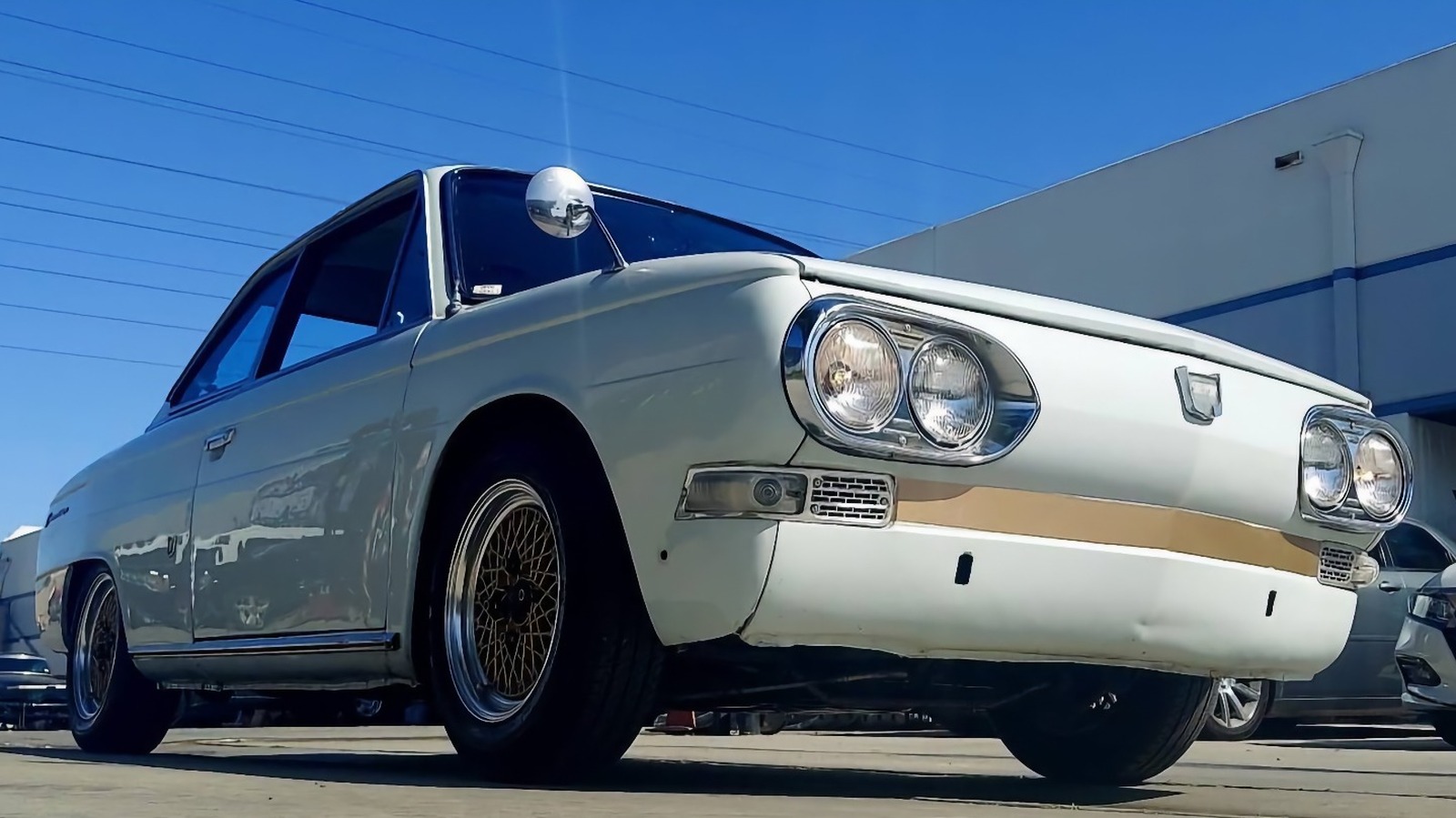
Hino Contessa and the Price of Rarity Assessing Value in a Forgotten Japanese Classic

BYD Shark Challenges UK Pick-Up Market with Plug-In Hybrid Performance and Competitive Pricing
 New pick-up will make its debut at the upcoming Goodwood Festival of Speed
BYD has confirmed its first pick-up, the Shark, will be sold in the UK.
Offered elsewhere as the Shark 6, it is a plug-in hybrid rival for the Ford Ranger.
The specification of UK-market Sharks remains to be confirmed, but in Australia it is available with a choice of turbocharged 1.5-litre and 2.0-litre petrol engines.
Both are paired with two electric motors (one per axle) for combined outputs of 430bhp and 470lb ft with the 1.5-litre, or 470bhp and 516lb ft with the 2.0-litre.
In either instance, the pick-up is driven primarily by its electric motors. According to official WLTP testing, it is capable of covering 50 miles under electric power alone. Its 29.6kWh lithium-iron-phosphate battery pack can be charged at up to 55kW and it can also be used to power external devices.
The Shark is a double-cab pick-up with five seats, a 1450-litre cargo bed and a maximum payload capacity of 835kg. The 1.5-litre model can tow braked trailers weighing up to 1500kg, while the 2.0-litre can manage 2500kg. Both can tow unbraked trailers of up to 750kg.
It remains to be seen whether other bodystyles that are offered globally, such as a chassis-cab, will be sold in the UK.
BYD has yet to confirm UK pricing for the Shark but it is likely to undercut the Ford Ranger PHEV, which starts from £40,830 (excluding VAT).

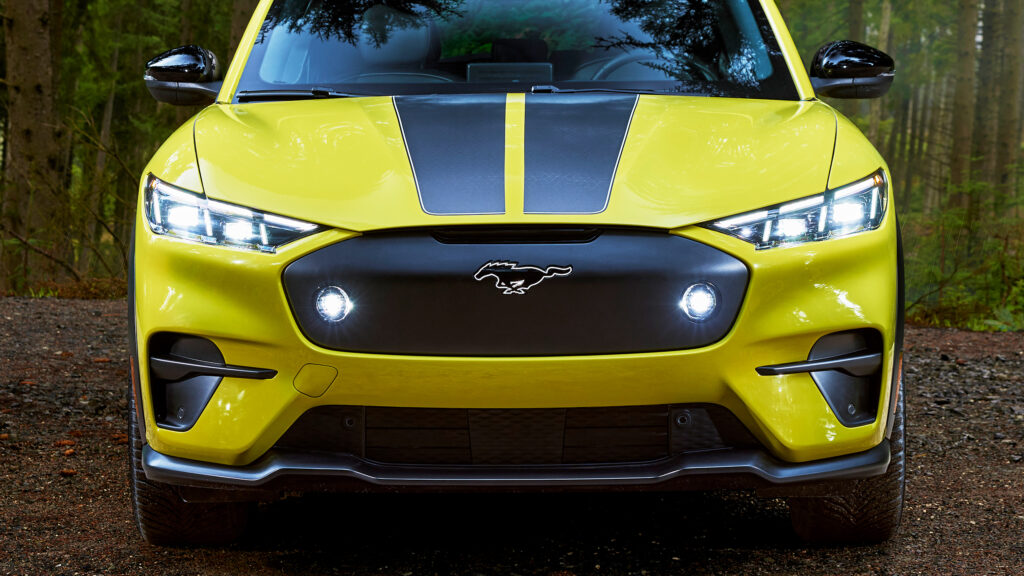
Mustang Mach-E Faces Uncertain Future as Ford Shifts to Universal EV Platform

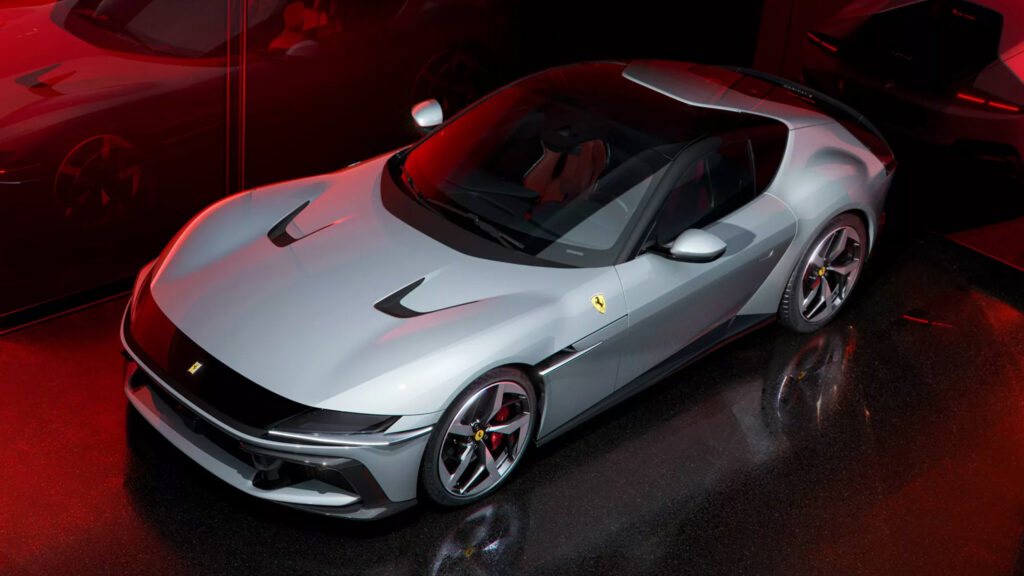
Ferrari 12Cilindri Manual Reinvents the Gated Shifter for a New Era of Driver Engagement

Renault Megane E-Tech Facelift Targets Electric Hatch Rivals with Enhanced Range and Sportier Design
 Fresh new look and bigger battery take fight to growing number of electric hatch rivals
Renault has updated its electric Megane E-Tech hatchback after four years on sale, with a new look and more range among the headline enhancements.
The mid-life nip and tuck for the firm’s first bespoke EV comes as rivals including the Volkswagen ID 3, Cupra Born, Vauxhall Astra and Peugeot e-308 also receive updates to boost their competitiveness alongside the Hyundai Ioniq 3, Kia EV4 and Mini Aceman.
The updates are signalled chiefly by a new front end that brings the Megane in line with the newer Austral and Rafale SUVs, with a more imposing grille and a lower-set Renault badge.
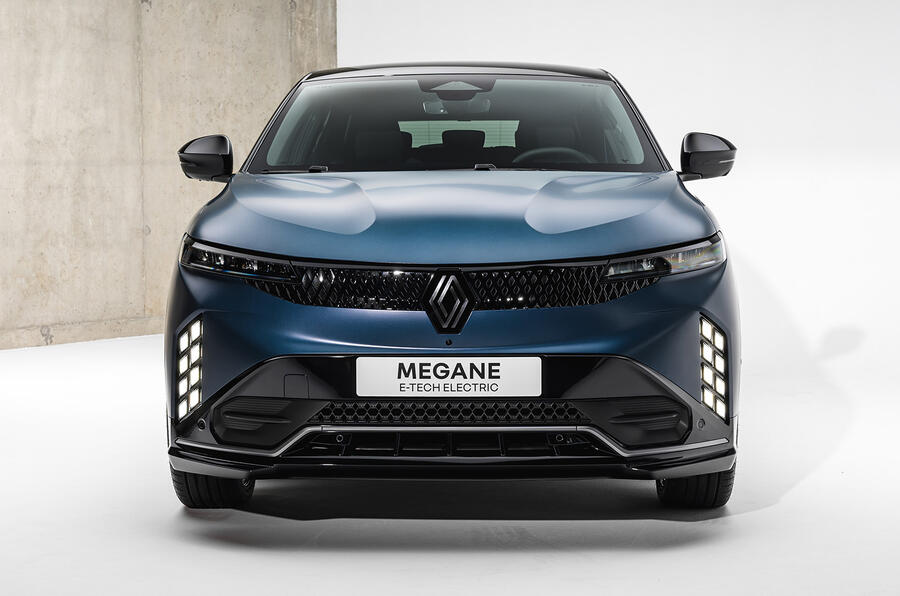
Renault boss Fabrice Cambolive previously told Autocar this refresh would seek to reposition the Megane as a “hot hatch or a hot car”, and the redesign has clearly been influenced by the brand’s previous performance models.
The lower front bumper has been restyled with chequered flag-style daytime-running lights, similar to those featured on the previous-generation Mégane RS, while a more aggressive valance adds visual width. At the rear, the bumper features a chunky integrated diffuser. New ‘power bulge’-style creases in the bonnet and 3D-effect tail-lights complete the exterior makeover.
Battery capacity has been increased to 67kWh from 60kWh, boosting the hatchback’s maximum range to 310 miles from 285 miles. This compares with 309 miles of range for the 58kWh Volkswagen ID 3 Neo.
The height of the battery has increased slightly to achieve the uplift in capacity, resulting in a 20mm increase in overall height: the Megane is now 1520mm tall (roughly 40mm lower than an ID 3 Neo). The new Megane also weighs 100kg more, at 1772kg, 75kg of which is due to the bigger battery, but that’s still more than 100kg lighter than the ID 3.
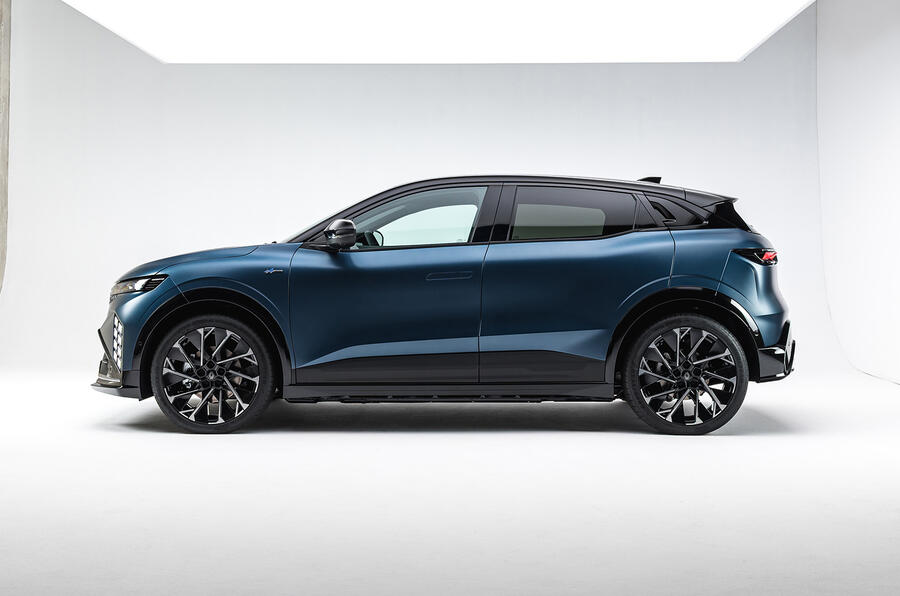
The suspension and steering have been tuned to deal with the extra weight, but the 217bhp motor powering the front wheels remains the same. Length and width also remain the same, at 4200mm and 2055mm respectively, as does the class-leading440-litre boot.
Other updates include peak DC charging speeds increasing from 130kW to 165kW, giving a 25% reduction in charge time from 15-80%, now a claimed 24 minutes. AC charging speeds remain at 11kW, or optionally 22kW, which also brings vehicle-to-load and vehicle-to-grid capability. A heat pump and battery and interior preconditioning are standard.
Inside, fewer changes have been made, with the same dual-12-inch screens remaining - although now with Gemini AI assistance.
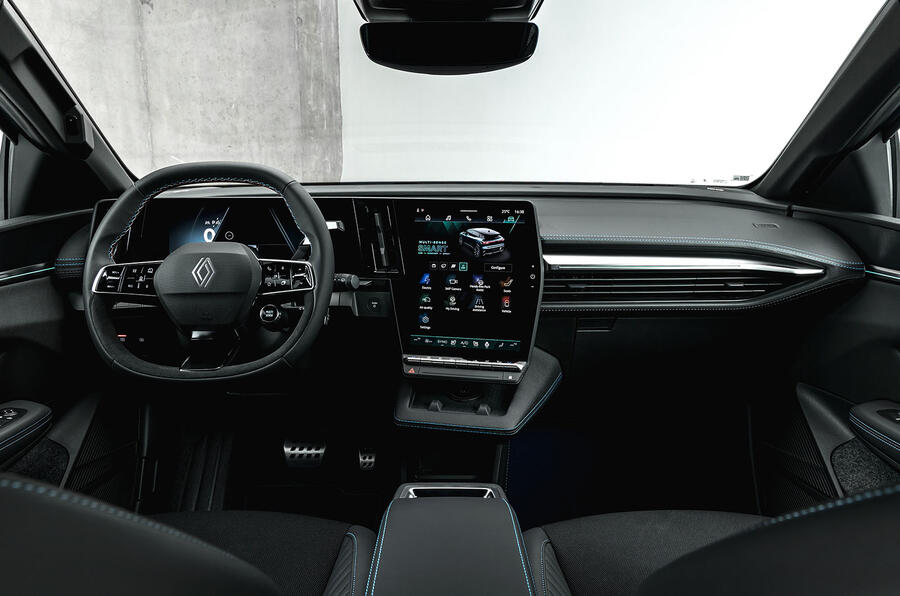
Pricing will start at “no more” than the current car, which kicks off at £31,295 including the £1500 Electric Car Grant. However, Renault says the new model could qualify for the full £3750 grant like its Scenic and 4 and 5 siblings, bringing it under £30,000.

Stellantis Integrates Autonomous-Ready Platforms to Lower Robotaxi Costs and Expand Market Access
 Level-four-ready architectures will be adapted from vans and next-generation small cars
Stellantis’s new STLA One platform, due next year, can accommodate autonomous vehicles after the Vauxhall and Peugeot owner decided to incorporate the needs of robotaxi operators, the company has said.
The global car maker has announced a deal with UK autonomous vehicles software provider Wayve and ride-share company Uber that will see it supplying vehicles for robotaxi trials starting this year in 10 cities, including London.
The first vehicles on Stellantis’s so-called L4-Ready Platforms (L4 meaning level four, the second highest autonomous capability) will be adapted versions of the K0 mid-size van range that includes the Vauxhall Vivaro, but Stellantis is also developing an autonomous-ready van platform, due for launch at the end of the decade, Stellantis technology head Ned Curic told Autocar.
By including all the tech that robotaxis need within the platform, Stellantis will become very popular with operators who don’t have pay for retrofitted vehicles, or so the company hopes.
“For them, they’ll love it because they don't have to think about integration,” said Curic. “The [vehicles] have the cameras. They have the compute. They have the wiring. They have all the redundancy they need. So that's the value they get.”
Bringing all that capability on the STLA One platform – which, Stellantis says, will form the basis of two million cars sold globally per year by 2035 – allows the company to offer the robotaxis companies smaller, cheaper vehicles.
“What we see today in robotaxis is that over 90% of the drives are with a single passenger or two passengers,” said Curic, citing the company’s experience working with Waymo. “We need a car platform that's very small.”
STLA One was originally to be called STLA Small but has been reconfigured to allow bigger cars as well as incorporating robotaxis, with all their requirements for redundant systems such as steering and braking, which will take over if the primary system breaks. Other essential equipment includes additional cameras, wiring, more computing power and even washers to clean the sensors.
“It’s lot of small details that if you do car by car, after the fact in a serialised vehicle, costs in some cases $50,000 per car,” said. Curic. “When you're doing a serial line production, you don't have that problem. You're adding a little bit of a cost, but it's not exponential.”
Stellantis didn’t say when the first STLA One robotaxi will appear but the first regular car on the platform will be the new Peugeot 208, which is expected to be revealed at the Paris motor show in October.
As well as Wayve and Uber, Stellantis also has an agreement to supply vehicles for a partnership that includes Estonian ride-share company Bolt and Chinese AV software company Pony.AI, which will test Stellantis vans in Luxembourg.
By offering turnkey autonomous-ready cars, Stellantis hopes to tap into a robotaxi market that, consulting firm BCG estimates, could grow to between 700,000 and three million vehicles by 2035. Of that, China is expected to see the bulk of growth but Curic also has high hopes for European and US markets, which have a number of robotaxi trials.
Currently, few car makers are able to provide the kind of autonomous-ready cars that Stellantis is offering. Tesla has shown off its two-seat Robotaxi while Geely’s Zeekr brand has built Waymo the dedicated Ojai robotaxi vehicle with six radar sensors, four lidar sensors and 13 cameras. Ten wipers clean the sensors.

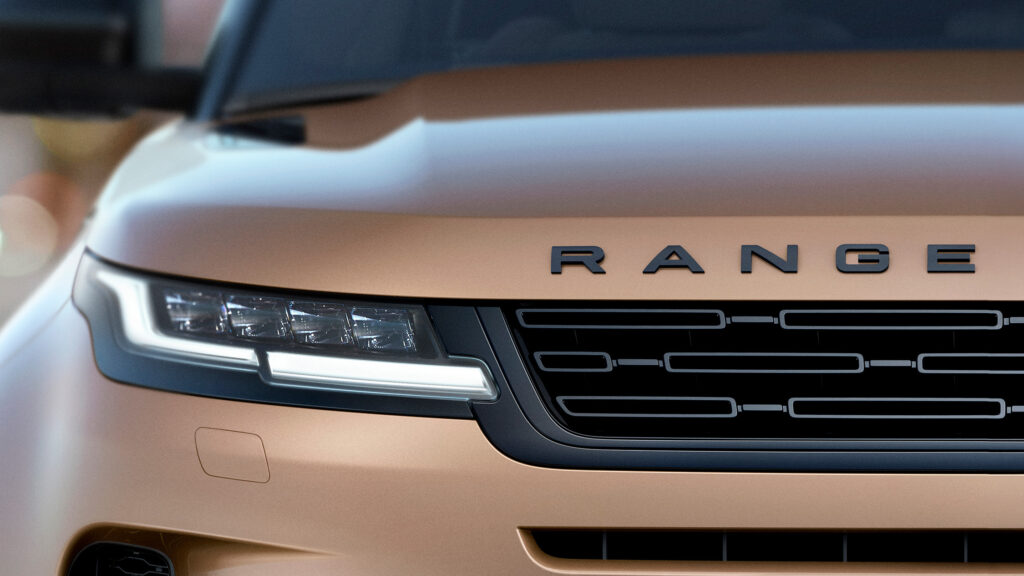
Range Rover Discounts in China Expose the Global Dilemma Facing Automakers in the Shift...

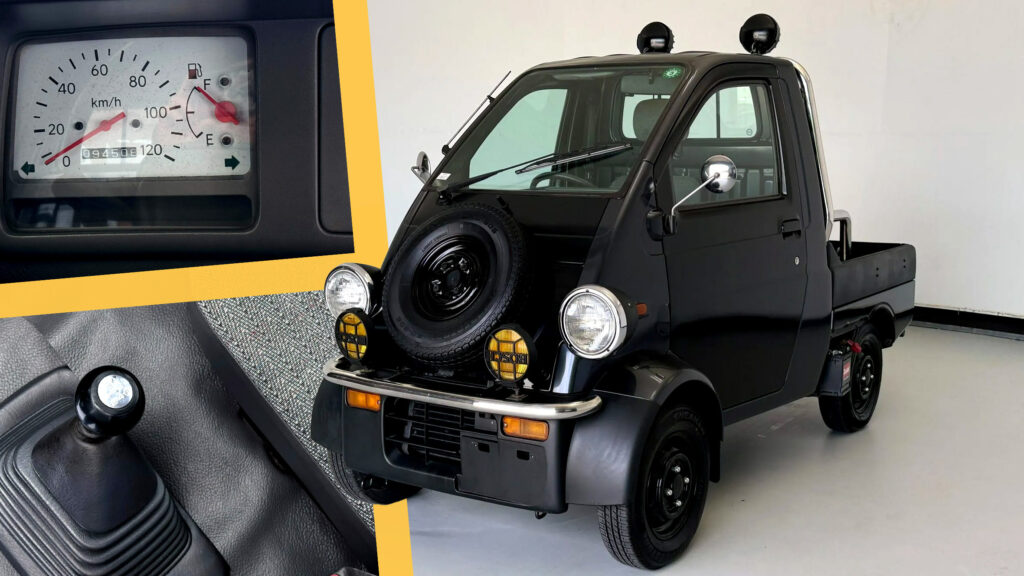
Daihatsu Midget II and the Power of Gaming Nostalgia in Shaping Automotive Obscurities

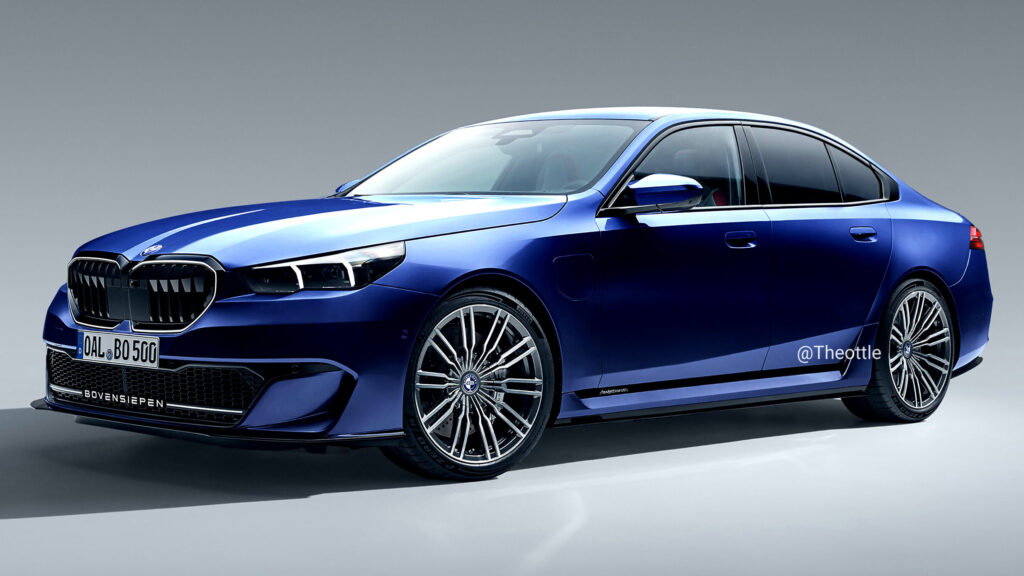
Bovensiepen 05 GT Sedan Rendering Rekindles Alpina Legacy and Challenges BMW’s Touring-Only Strategy

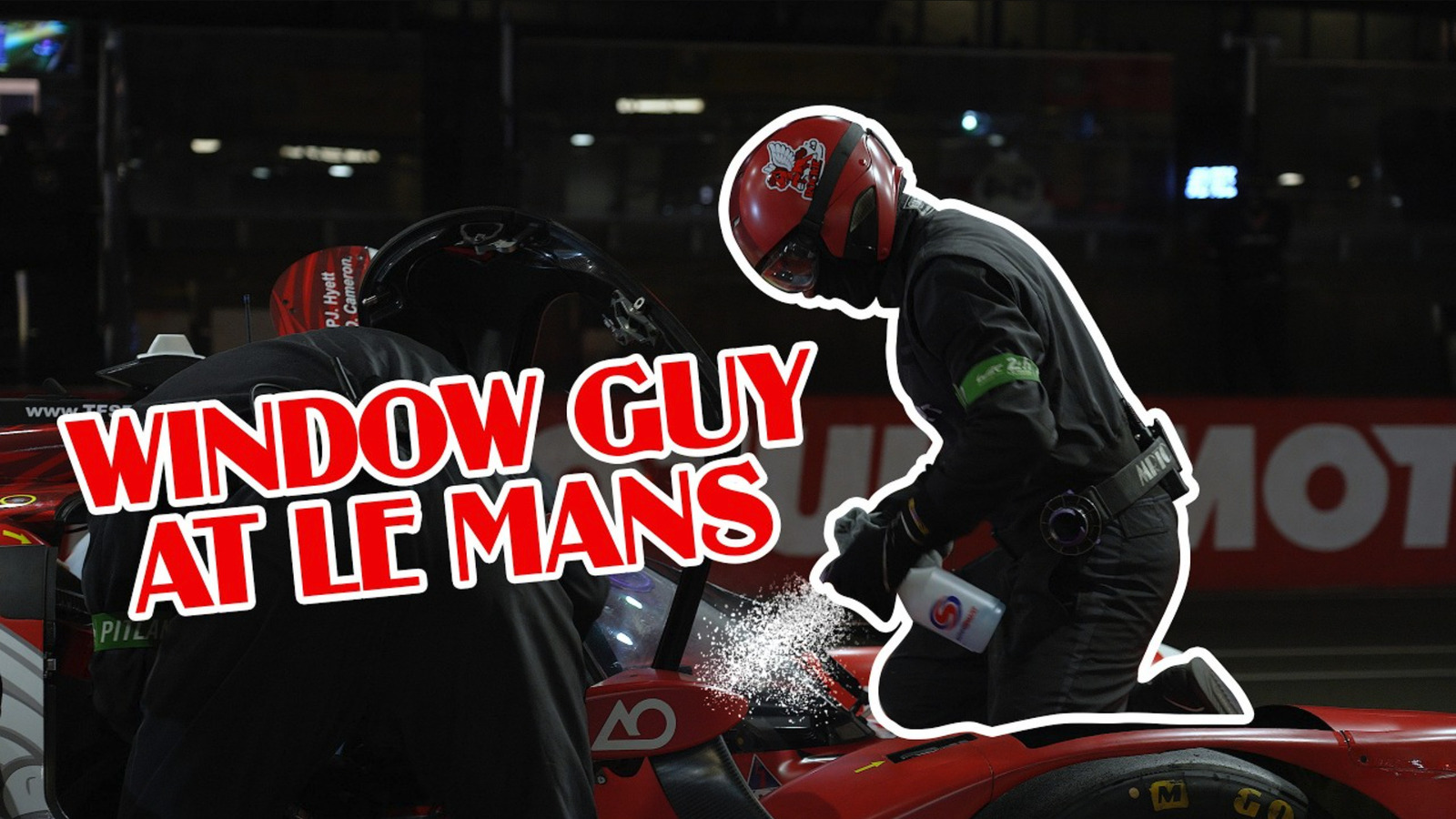
Pursuing the Window Gal Role to Redefine Endurance Racing Participation