Carvana’s Expansion into New-Car Sales Signals a Strategic Shift Beyond Used Vehicle Retail

Regulatory Uncertainty Undermines Fleet Electrification as UK Operators Reconsider Petrol and Diesel
 Operators are now looking back towards hybrid, petrol and diesel, new survey shows
Unclear regulations are hampering fleets’ appetite for electric cars, a new survey has revealed.
One in nine (11%) UK businesses are now forecasting a permanent role for petrol or diesel on company car fleets, and there are signs that sustainability is becoming less influential during procurement.
Leasing firm Alphabet’s 2026 European Fleet Emission Monitor report shows only half (50%) of the region’s operators are now factoring sustainability into their fleet planning.
That’s the lowest level since the annual study began in 2023, with 60% claiming regulatory uncertainty was impacting their decision-making.
The results closely follow the European Union's softening of its 2021-2035 CO2 reduction target for new cars and vans from 100% to 90% (versus a 2021 baseline), with the remaining 10% compensated by low-carbon steel and alternative fuels.
That’s a significant change, giving hybrid and combustion-engined vehicles a longer lifespan in showrooms instead of effectively phasing them out within a decade.
Although the UK hasn’t followed suit, the political backdrop for fleet decision-makers is no less confusing.
Generous tax breaks have made fleets an important early market for EVs, which now account for almost half of all business-leased cars in the UK, according to the British Vehicle Rental and Leasing Association (BVRLA).
According to the survey, 84% of UK operators expect to be all-electric by 2035, with 32% expecting to reach that goal within the next two years.
However, this meant fleets were disproportionately affected by last year’s changes to vehicle excise duty (VED), uncertainty about the Expensive Car Supplement and the proposed pay-per-mile tax for EVs and plug-in hybrids – which Alphabet believes risks massive operational complexity when it goes live in April 2028.
The government is also poised to soften its Zero Emission Vehicle (ZEV) mandate, which requires manufacturers sell a progressively larger share of zero-emission vehicles each year.
Although Alphabet’s data shows UK fleets were more likely to say sustainability was part of their fleet planning than their counterparts across the rest of Europe, that share had fallen from 76% in 2025 to 68% this year, while one in five (21%, up from 19% a year ago) don’t consider it at all.
Charging infrastructure (37% of fleets), range (32%) and pushback from employees (11%) ranked as the biggest bottlenecks when deploying EVs, while just over half (53%) said they were insufficiently informed about electric options and less than a third (32%) claimed they were aware of the available financial support.
Jesper Lyndberg, CEO of Alphabet International, said: “This year’s survey shows that the will to act remains strong, but the confidence to do so has weakened. Regulatory uncertainty is now the biggest factor influencing fleet decisions across Europe, driving responses that range from bold acceleration to cautious hesitation.
“The organisations that will succeed are those that stop waiting for clarity and start building the right foundations today, with accurate data, effective tools and solid structures. True clarity doesn’t come from outside; it’s something you build yourself.”

SignalTrace transforms license plate readers into persistent digital surveillance by linking Bluetooth devices to...

GPS Jamming Disrupts 900 Daily Commercial Flights and Challenges Aviation Safety


BMW i3 Redefines Electric Saloon Benchmark With 567-Mile Range and Neue Klasse Innovation
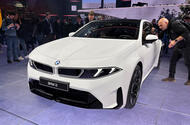 New i3 saloon is among the UK's longest-range EVs – and cheaper than its Mercedes-Benz rival
Order books for the new BMW i3 – the first electric 3 Series available globally – have opened, with prices for the saloon starting from £53,005.
Although it is considerably costlier than its outgoing petrol and plug-in-hybrid counterparts (from £41,945 and £47,210 respectively), it undercuts the rival Mercedes-Benz C-Class Electric, which starts at £57,995.
The second model of the Neue Klasse era, the i3 was revealed six months after the larger iX3 SUV with which it shares most of its technical make-up, including the EV-first 800V Gen6 platform. It inherits its name from the seminal electric hatchback that went out of production in 2022.
Despite offering the similarly sized and shaped i4 since 2021, BMW delayed introducing an electric 3 Series until technology could match the performance of its combustion-engined equivalent.
Alongside the i3, BMW will continue to sell the current CLAR-based ICE 3 Series. It will soon be heavily updated to bring it in line with the eighth-generation car both in terms of design and technologies, meaning it "is basically a new car”, BMW engineers told Autocar.
Although it will initially be sold in saloon form, the i3 will also spawn a Touring estate variant.
A hot M3 EV, previewed by the M HP BEV test mule, is due in 2028 and promised to “set new standards" for electric performance.
The i3 will be offered exclusively in 50 xDrive form at launch, but other variants are planned.
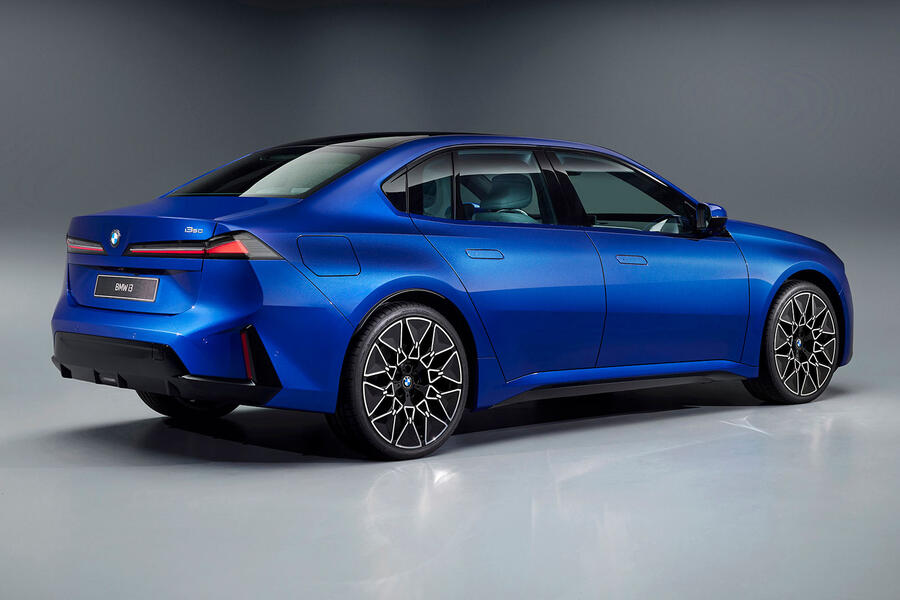
At its centre is a 108kWh nickel-manganese-cobalt (NMC) battery that helps it to achieve a range of 567 miles – almost the most offered by any EV in the UK, outdone only by the incoming update for the Mercedes-Benz EQS, which cracks 575 miles.
Despite using the same battery as the iX3, the i3’s range is 67 miles longer. Engineers said this jump in performance is primarily down to the more rakish profile of a saloon.
The Gen6 platform allows for a car's front seats to be bolted directly onto the battery pack, meaning the roofline can be kept as low as possible, improving aerodynamics. Another key attribute of the saloon is that it has a completely closed, smooth underbody that aids airflow.
When that range is depleted, the i3 can complete a 249-mile top-up in just 10 minutes when charging at its 400kW maximum DC speed. AC charging is rated at a maximum of 22kW.
Motive power comes from two sources: a 322bhp electrically excited synchronous motor at the rear and a 165bhp asynchronous motor at the front. These combine for 463bhp and 476lb ft of torque.
BMW hasn't yet disclosed a 0-62mph time, but it's expected to be around 4.0sec, despite the car weighing 2.3 tonnes.
While the i3 shares its platform with the iX3, there are significant technical differences. For example, the i3’s springs are softer, the stiffness of the top mount bushings have been reduced and it's fitted with different anti-roll bars, resulting in less yaw and roll inertia.
“It's easier to get good rolling behaviour and comfort” from the i3 than the iX3, engineers told Autocar, adding that a quicker steering ratio and a focus on improved aerodynamics at higher speeds creates a "distinctive character of the new 3 Series”.
The i3 also achieves the same 50:50 front-to-rear weight distribution as the SUV.
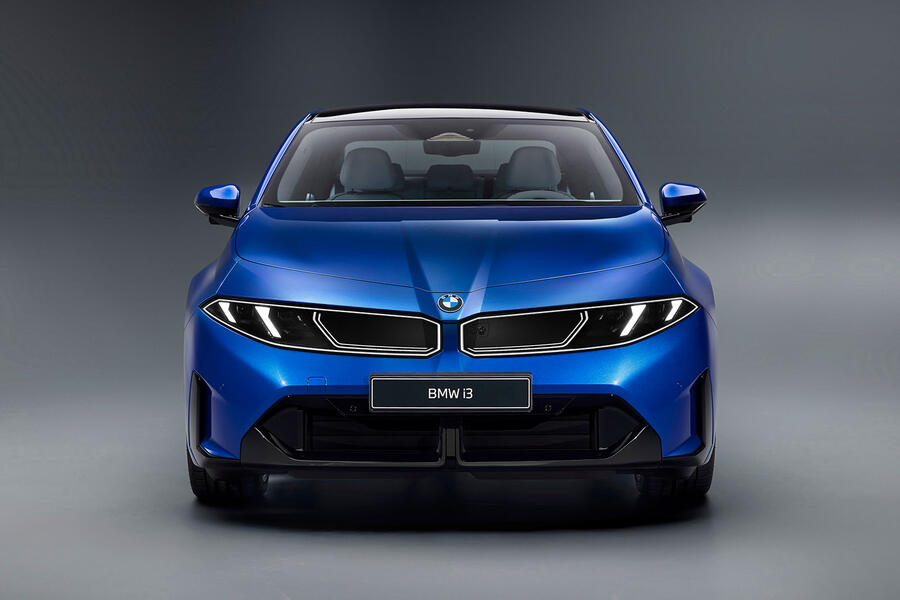
At 4.76m long, 1.87m wide and 1.48m tall, the i3 is a bigger car in than the current ICE 3 Series in every dimension, but it still offers “typical BMW sedan proportions”, with a long body and short overhangs, BMW compact car design chief Oliver Heilmer told Autocar.
A key addition is the new nose design, which is a "fresh interpretation of 3 Series face”, said Heilmer. Drastically differing from the current car, the design follows the same Neue Klasse philosophy as the iX3, combining the headlights and kidney grilles into one element. However, whereas the SUV’s grilles are tall and narrow to showcase the car’s height, the i3’s are set wider to emphasise its width.
Designer Felix Staudacher told Autocar that the i3 brings "a whole new design language" to the 3 Series for its eighth generation, because the team is “allowed to play with our icons”. Despite the drastic new look, BMW said it's still “immediately recognisable as a 3 Series”. Staudacher added that it sets “the standard for a whole new generation of BMWs", because the 3 Series is the “original measure of what defines BMW".
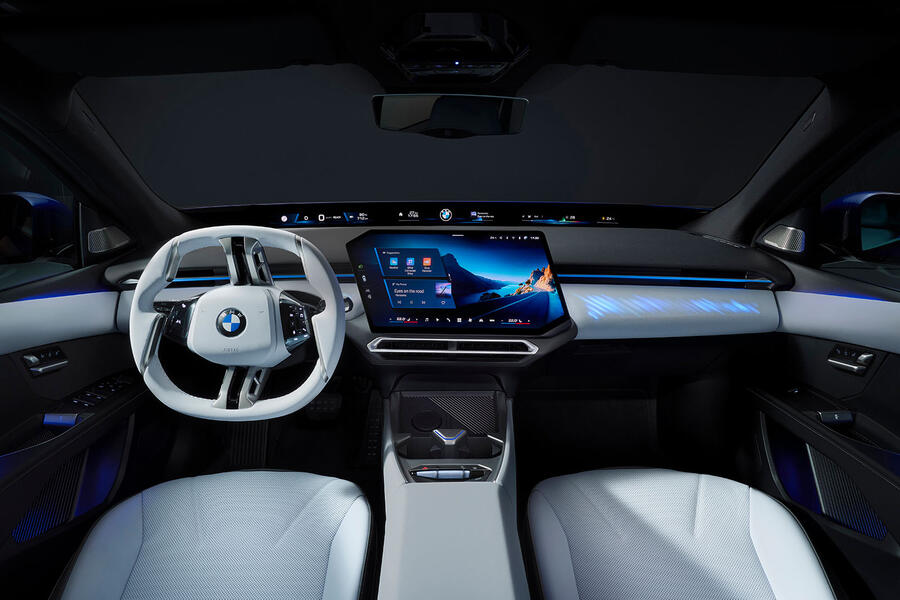
The interior has also been overhauled and mirrors that of the iX3. It's centred around a slanted 17.9in infotainment touchscreen that houses the controls for most of the car’s functions and runs BMW’s latest iDrive software.
There is no instrument cluster, with a 43.3in-long ‘Panoramic iDrive’ display being fitted in its place. As in the iX3, this runs across the length of the dashboard just under the driver’s eyeline and displays key details such as vehicle speed and state of charge.
The loss of the instrument panel “gives us the possibility to rethink steering architecture”, so the wheel offers "the best ergonomics” of any BMW has offered, said Staudacher. Indeed, it's much thicker than before and, for the first time, adopts haptic controls.
The updated ICE 3 Series will mirror these changes.
The i3 will be built at BMW’s main Munich plant.

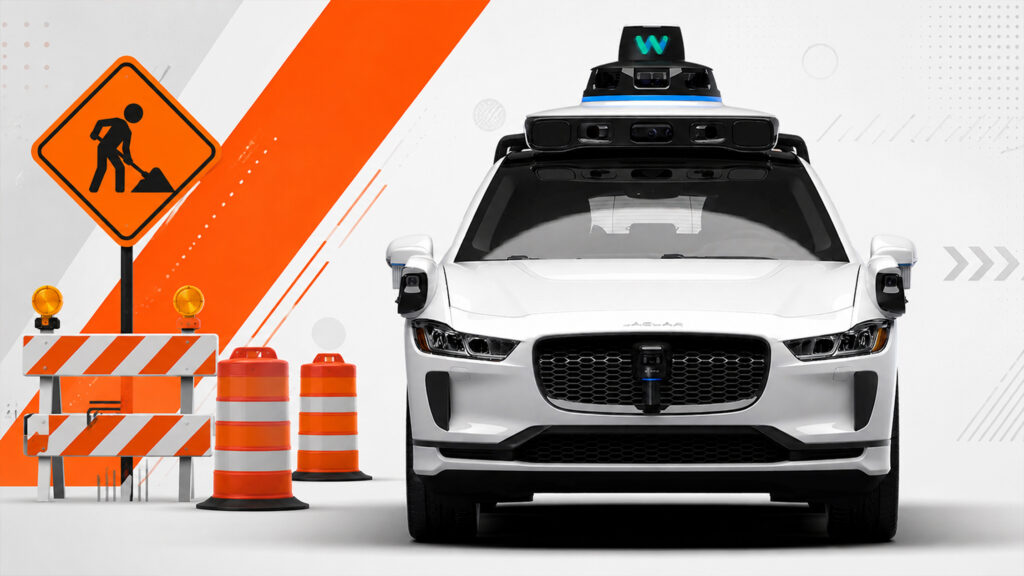
Waymo Robotaxi Recall Exposes Persistent Limits of Autonomous Driving in Unpredictable Road Conditions

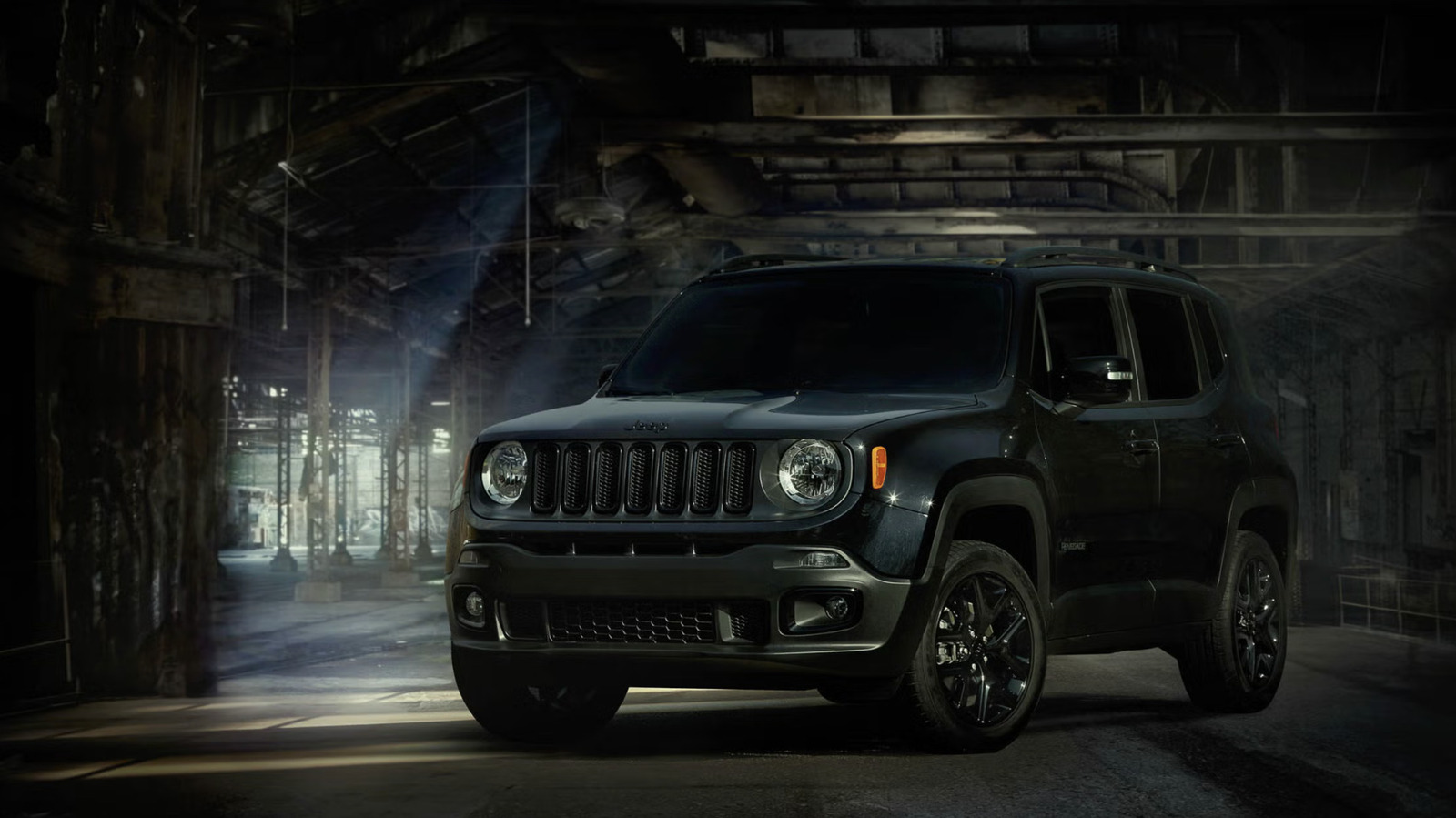
Car Casting Errors and the Distraction of Automotive Inaccuracy in Film and Television

Ferrari Prepares July Reveal of Heritage-Inspired Model Signaling Next-Generation Innovation
 "Wait till the fourth of July", says Ferrari CEO, hinting at big unveiling that blends past and present
Ferrari chief executive Benedetto Vigna has hinted that the Italian supercar manufacturer will unveil a significant new model at the start of July, promising a vehicle that combines the company’s heritage with its future direction.
Speaking earlier this week to US car dealers at a Las Vegas conference run by dealer software company Tekion, Vigna repeatedly referenced an upcoming launch while discussing Ferrari’s approach to innovation, AI, business efficiency and customer choice.
“In a few weeks, if you can bear with us a little bit, then you will see something new where we put together something from the past with eyes on the future,” he said.
“Let’s say wait till the fourth of July. It’s really soon.”
The timing is notable, with 4 July coinciding with Independence Day in the United States and falling on the British Grand Prix weekend at Silverstone – one of the most important events on Formula One’s calendar.
Vigna provided few concrete details about the vehicle but suggested it would reflect Ferrari’s long-standing philosophy of balancing tradition and innovation, and immediately after he spoke about the technology in the Luce.
“We have and we will do the combustion engine, we have and we will do hybrid and we are going to make also electric cars, then leave the freedom [of choice] to the client,” he said.
“The tradition and innovation is very important, because if you think of Ferrari, we have always been looking at new technologies with the eyes of the client.”

The Ferrari boss also hinted that the model could showcase the company’s ability to reinterpret familiar themes for a new era.
“We have two eyes," he said. "With one eye we look at the past, one eye we look at the future – and one brain because we have to put it together.”
His comments follow the backlash among Ferrari traditionalists over the launch of the all-electric Luce, the marque’s first BEV and first five seat car.
It remains unclear, however, whether the reveal centres on Ferrari’s first electric vehicle, a new interpretation of one of its traditional nameplates or something entirely unexpected.

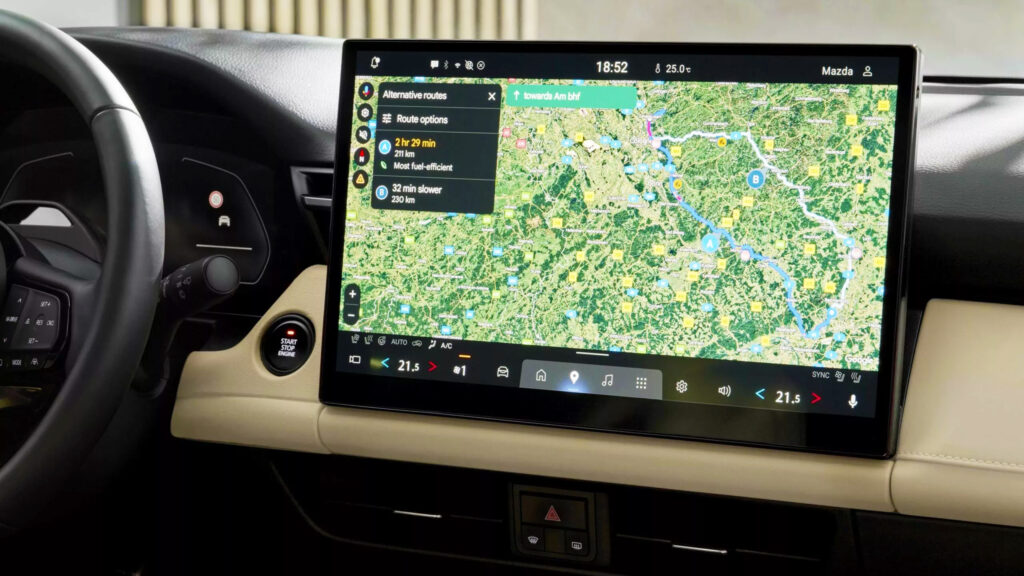
Mazda Touchscreen Strategy Reframes Driver Distraction Debate in New CX-5

Stellantis Truck Sales Strategy Faces Headwinds from Waymo Recall and Used-Car Inventory Challenges