Maserati Partnership Talks Signal Stellantis’ Strategic Bet on Technology and Global Expansion

Alligator Attack Thwarts Suspect’s Escape After Toyota Supra Crash

Ineos Grenadier MRLV Challenges Defender Legacy with Modular Military 4×4 for UK Army Replacement
 Ineos pitches specially modified 4x4s as MoD prepares to retire its Defenders
Ineos Automotive has joined forces with two British military vehicle specialists to propose a Grenadier-based light military vehicle that has been designed to replace the army's traditional Land Rover, which is being phased out after nearly 70 years' service.
The new vehicle is called Grenadier MRLV (for Multi-Role Light Vehicle). It is closely based on Ineos's staple 4x4 - already renowned for durability in extreme conditions - but is understood to be configurable in at least nine different variants.
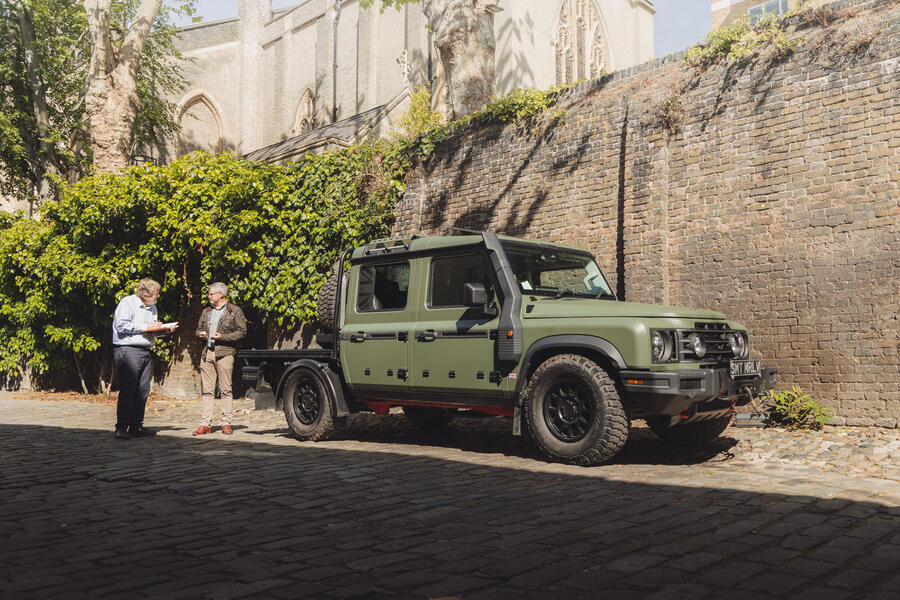
In an exclusive recent viewing, Autocar was shown a crew-cab, flat-bed MRLV prototype closely related to the Quartermaster pick-up. The vehicle had retractable legs that would allow its modular bed to be detached and deployed at a specific site to provide, for example, a platform for mounting weapons or launching drones.
The MRLV project's partners believe the Grenadier's combination of an easily extendable ladder chassis plus heavy-duty wheels and live axles at both ends, together with height-adjustable air suspension and a modern BMW diesel engine and transmission, give it the high-level capability and flexibility a military vehicle needs.
UK-based military engineering specialist SMT Defence, which already creates mission-critical vehicles for elite and specialist military use, has joined the collaboration to design and deliver the vehicles. The other partner is NMS UK, which is currently involved in UK-based military vehicle production of many types and will deliver the vehicles "at scale".
The partners stress that Ineos's UK ownership and the two specialist firms' onshore location create "a UK-anchored industrial collaboration".
Mike Whittington, Ineos Automotive's chief commercial officer, said: "A defining advantage of the collaboration is its British ownership, onshore assembly and local supply chain. This delivers the strategic benefits of operational independence and resilience."
The Ministry of Defence (MoD) has traditionally maintained a fleet of about 7800 Land Rovers and Austrian-built Pinzgauer light trucks across the three services but announced recently that "a technologically advanced successor" will start replacing them by 2030. The MoD plans an initial fleet of around 3000 'soft-skin' vehicles for reconnaissance, patrol and logistics. Armoured versions are likely to come later.
A UK military deal and the potential resulting export demand could bring a big benefit to Ineos Automotive, which currently builds its production cars at Hambach in eastern France. Although production has risen strongly this year, CEO Lynn Calder says production has still not reached the plant's 30,000-unit annual capacity.
Ineos's MRLV prototype is likely to face strong competition for the MOD contract from a number of rivals, including US-based General Dynamics, JLR (with versions of the latest Land Rover Defender) and a Toyota vehicle based on the Land Cruiser and Hilux. The MoD has already staged a "farewell party" for its outgoing Land Rover and is believed to be likely to decide on the new vehicle before the end of this year.
How to turn a 4x4 into an MoD 4x4
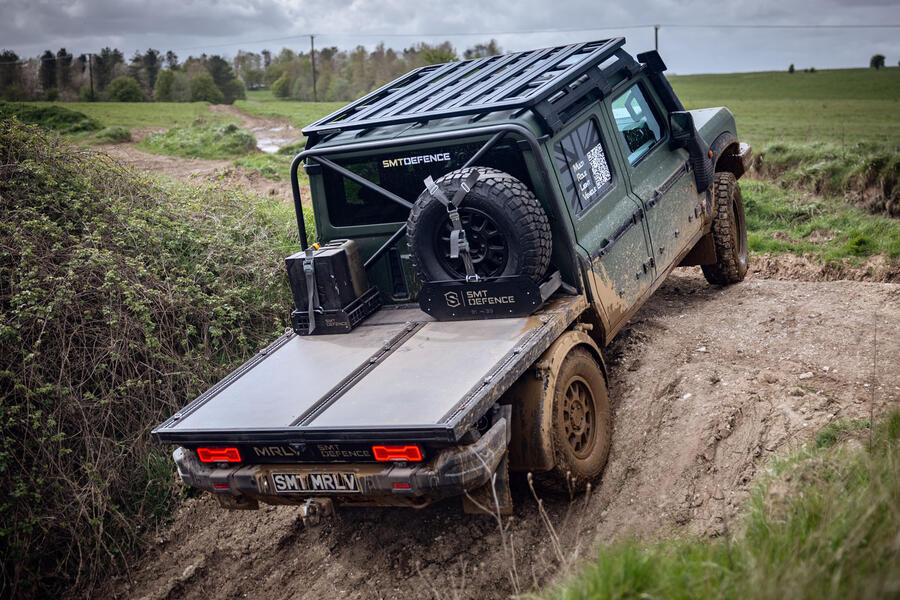
Gary Hedges, Ineos's military and blue light vehicle specialist, reckons the standard Grenadier gets surprisingly close to fulfilling the MoD's requirement for a new, advanced light vehicle but says the strategically modified MRLV "takes it to the next level".
Outside The Grenadier pub in Belgravia, London, where the original Ineos 4x4 idea was born, Hedges walks around a business-like, drab-coloured, flat-bed military prototype, pointing out its heavy-duty chassis, wheels, axles, tyres and height-adjustable air suspension.
According to Hedges, this is just one of many configurations planned for the military Grenadier, which has already undergone a near-200,000-mile programme of torture tests to check for body cracks or deformation, and which can exceed the MoD's 3.5-tonne towing standard by a full tonne.
Hedges, who knows military vehicles well from a 26-year Royal Artillery career, draws attention to the Grenadier's versatility as well as its toughness.
"We can make a single-cab version, of course," he says, "plus lots of different body configurations. This one can carry a 220-litre fuel tank that gives it a range of 1000 miles.
"If needed, the engines can be de-rated to Euro 4 exhaust standards so it doesn't need AdBlue and can run on aviation turbine fuel."
Hedges describes the Grenadier MRLV as what the Defender should have been: "Say I'm biased, if you like, but the fact is this is the best 4x4 I've ever had. Our job has been to produce the ideal vehicle for soldiers to fight from, and I believe we've achieved it."

Aston Martin Valkyrie Recall Reveals How Track-Only Brake Fault Can Trigger Fire Risk in...

Road Car Engines as Cultural Icons How Engineering, Performance, and Mass Appeal Shaped Automotive...
 We've picked 50 of our favourite road-going engines, but we could easily have selected twice as many…
Defining the word 'greatest' isn't easy in this context.
After all, it could mean the biggest, the most powerful, the most relevant, the most exciting – or a combination of these things. So when choosing our 50 favourite road car engines, to be in with a chance of consideration each powerplant has to be either built in huge numbers, or really get our juices flowing – and ideally a combination of the two. Let’s take a look at what we reckon are the best, in chronological order:
Ford flathead V8 (1932)
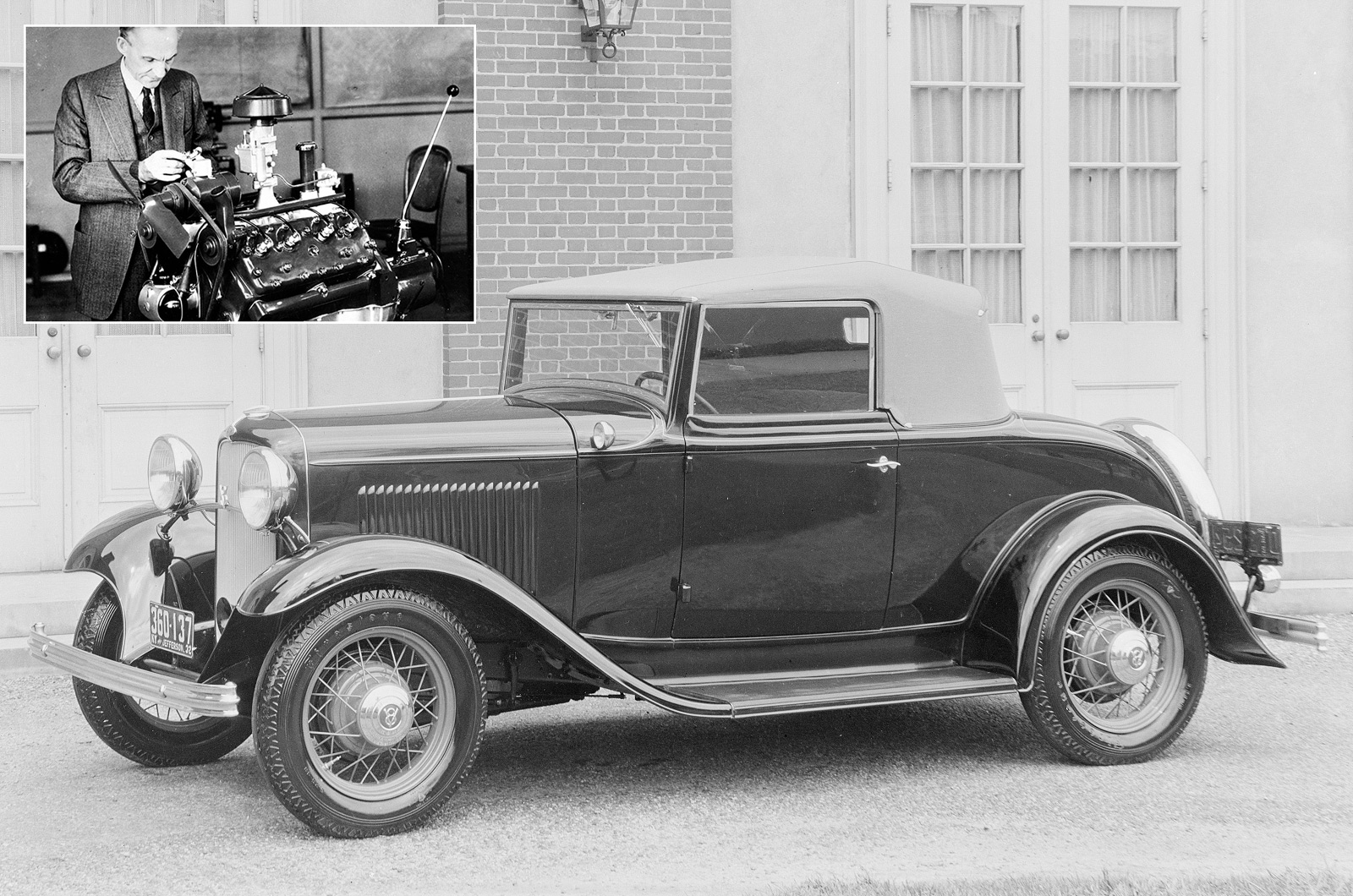
In the 1920s many family cars could barely crack 40mph. Then Ford introduced its flathead V8 and suddenly much greater numbers of car buyers could acquire a car that could sit at 60mph all day long. The flathead V8 wasn't all that efficient but it was simple, tough and reliable, which is why it remained in production in Ford's cars until 1954 but incredibly it was used in Simca military trucks until the 1990s. It was the final major engineering contribution by Henry Ford (pictured) to the company.
Volkswagen flat-four (1936)
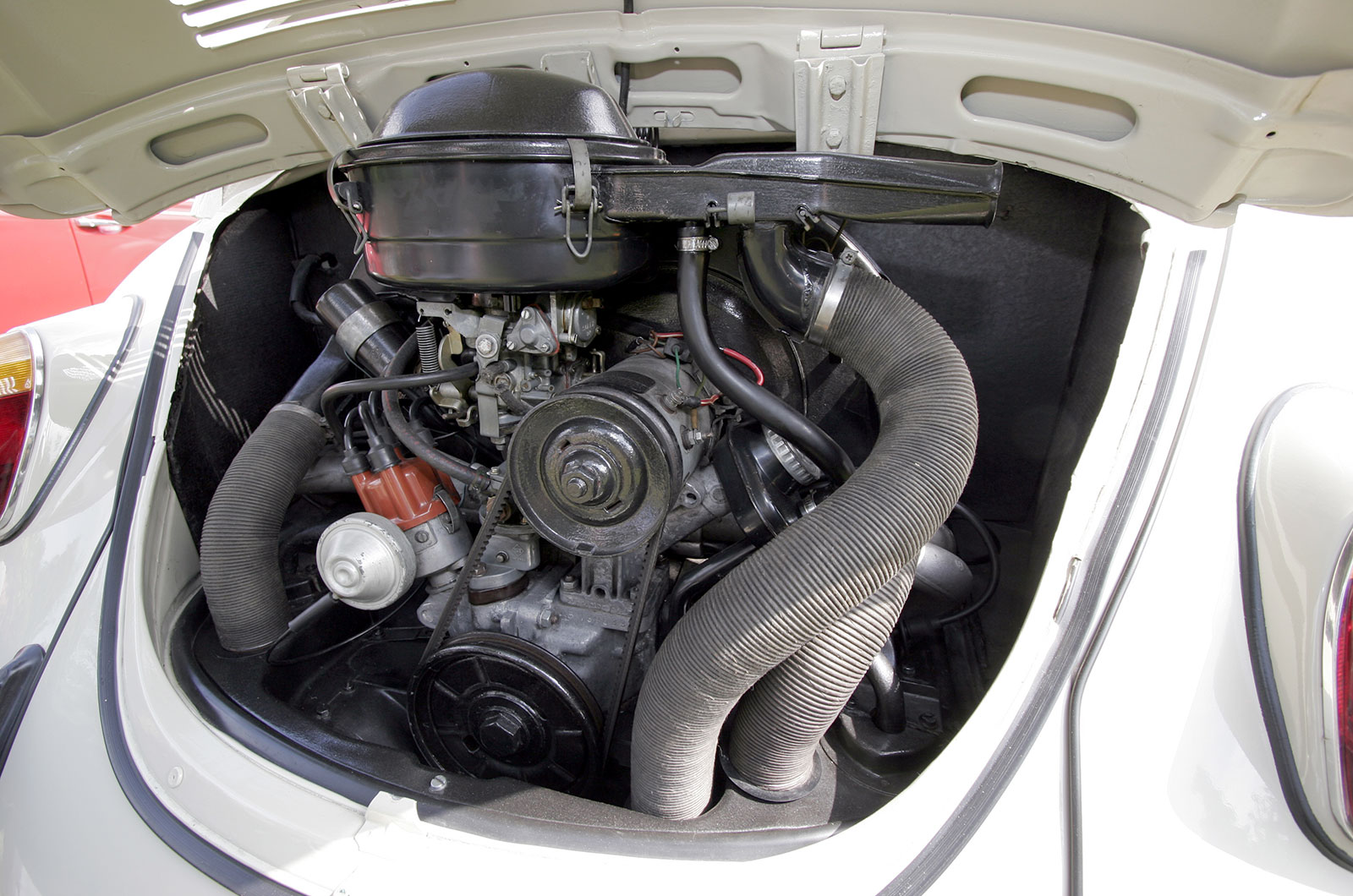
The Beetle is one of the biggest-selling cars in history and every one of them was powered by an air-cooled flat-four. Initially it was an 1131cc unit, but by the time the final air-cooled Beetle was built this had swollen to 1584cc, although displacements of up to 2.0 litres were offered in the Type 4. The same engine powered the Type 2 camper and Transporter – and provided the basis for the Porsche 356's powerplant.
Ferrari Colombo V12 (1947)
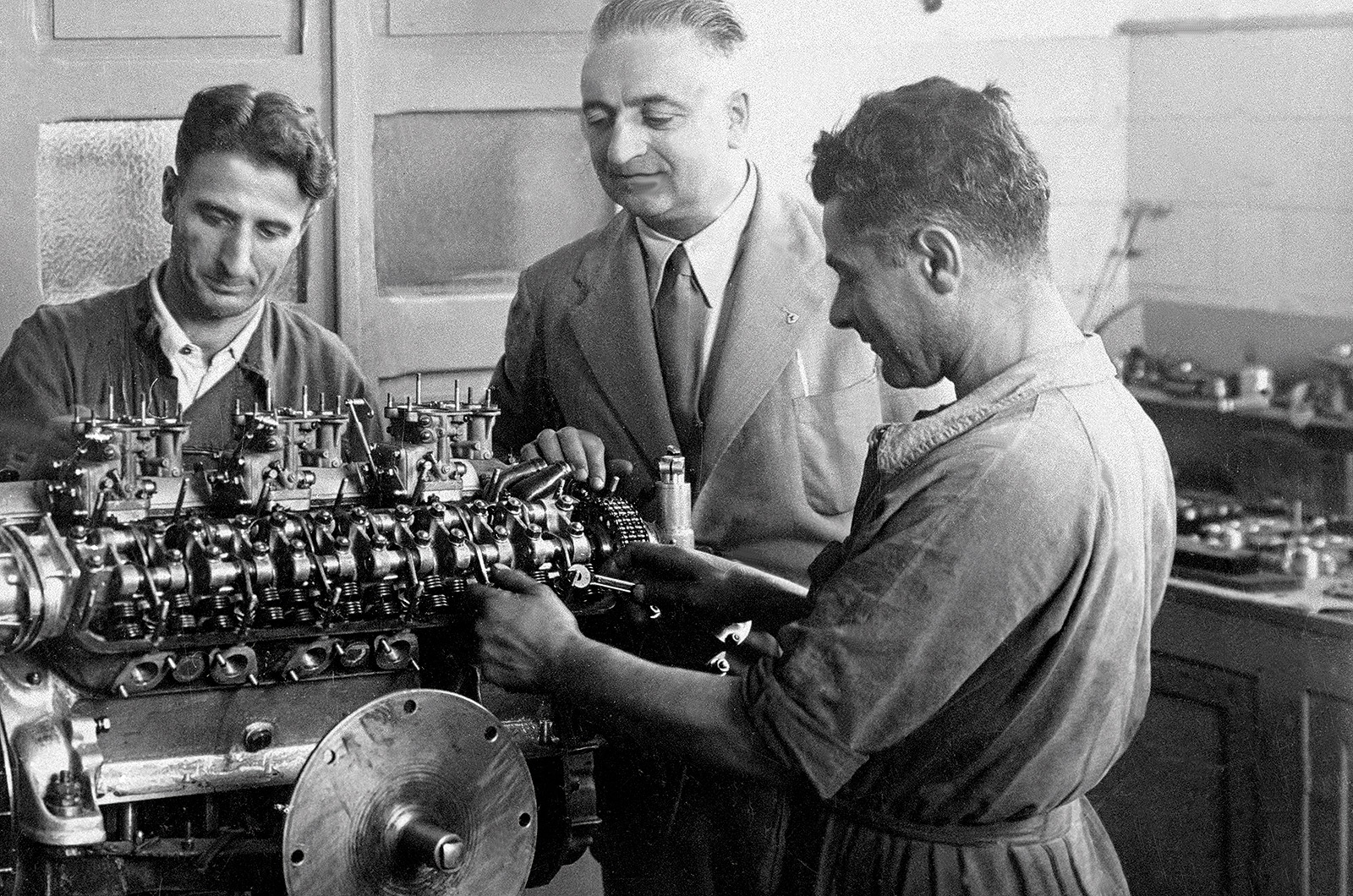
In a world of 2.0-litre four-cylinder engines, the idea of a 1.5-litre powerplant featuring 12 cylinders might seem utterly bonkers. But that was the specification of the first Ferrari engines; the 125 featured a 1497cc unit rated at 116bhp. By the time the Colombo-designed V12 bowed out in 1989, when the 412i was axed, the displacement had grown to 4.9 litres and the power output had jumped to 318bhp. Along the way we'd have numerous iterations of the 250, the 275 and the 365GTB/4, better known as the Daytona.
Citroën flat-twin (1948)
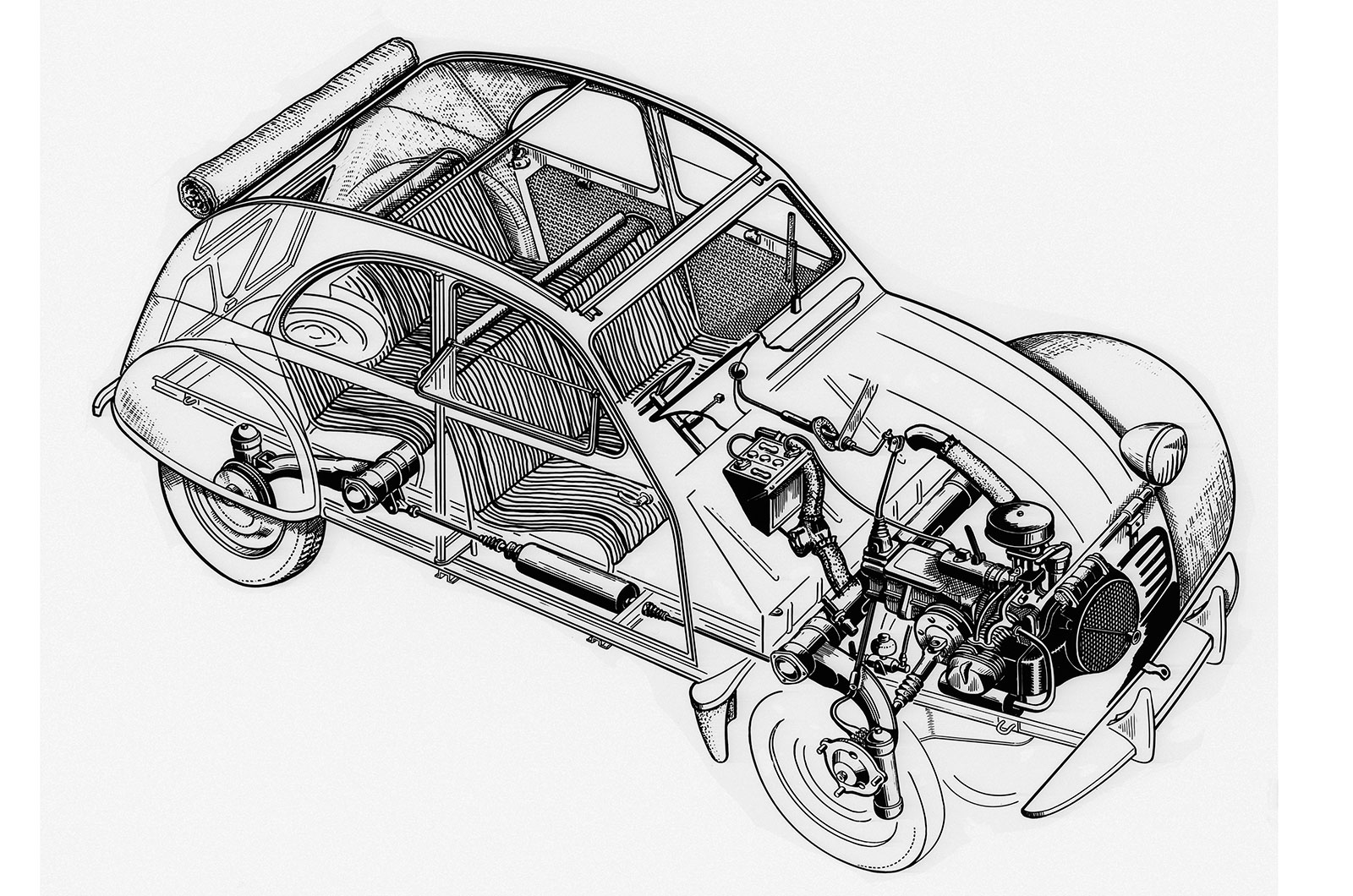
There can be no denying that the Citroën 2CV (pictured) was a landmark car, and part of its charm was the noise generated by the brilliantly over-engineered air-cooled flat-twin that sat in the nose. Initially seen in 375cc form, later would come 425cc, 435cc and finally 602cc versions of this Gallic powerplant, which was also fitted to the Ami, Visa, Mehari, Dyane, Bijou and Acadiane.
Jaguar XK (1948)
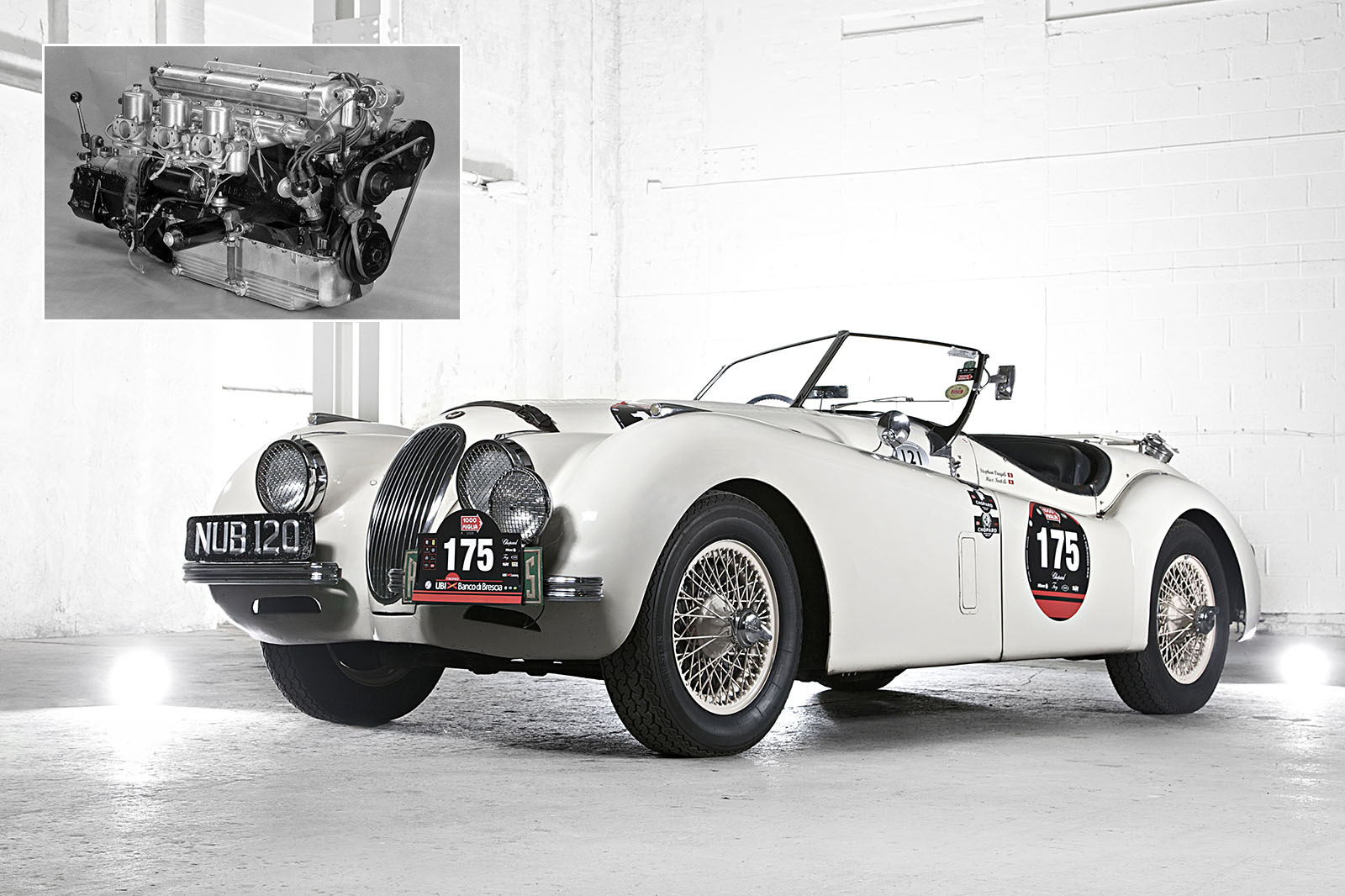
First seen in the XK120 of 1948, the Jaguar XK straight-six powered the E-Type, XJ, C-Type, D-Type and Mk1/Mk2 among others, with displacements running from 2.4 through to 4.2 litres. The XK engine gave Jaguar five victories at Le Mans and provided motive power for Coventry's finest right the way up to 1992, by which point almost 700,000 copies had been produced.
BMC A-Series (1951)
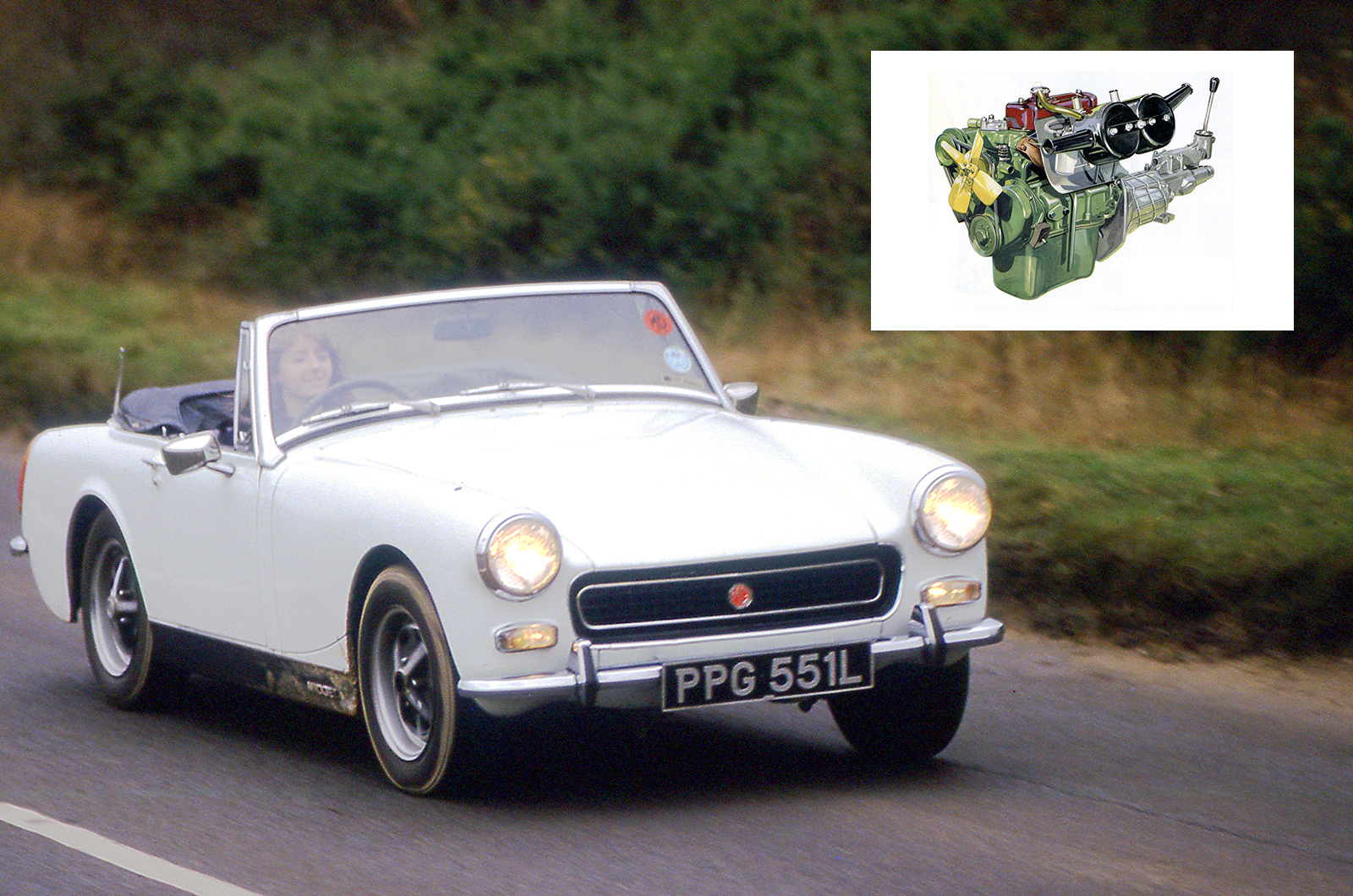
In production for half a century (1951-2000), the A-Series engine was first used in the Austin A30 and went on to power a massive array of cars including the Morris Minor, Austin Healey Sprite and MG Midget (pictured), Austin Allego, Morris Marina, Austin Metro and all editions of the Mini. Easy to tune and offered in displacements from 803cc up to 1275cc (but expandable to a reliable 1380cc), the A-Series engine has been enjoyed by millions of drivers – including vast numbers of racers.
Chevrolet small-block V8 (1954)
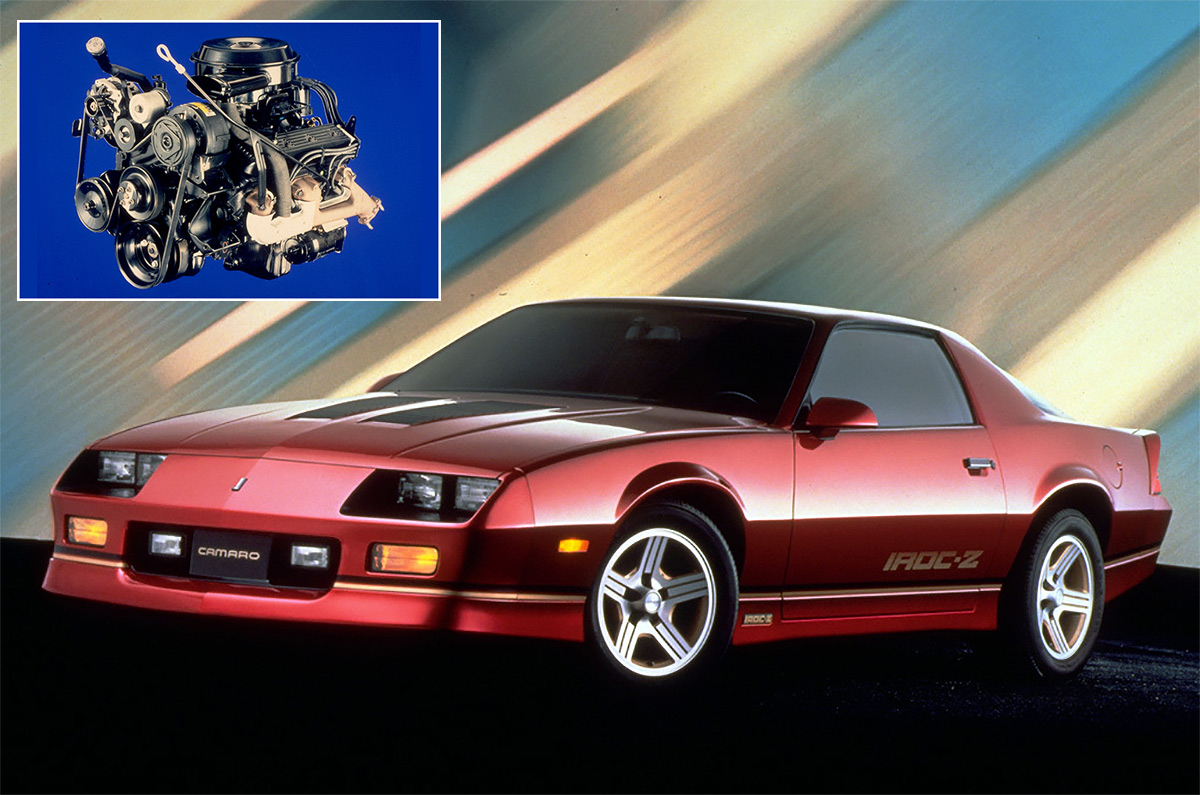
When Chevrolet introduced its small-block V8 in 1954 it probably didn't expect to build more than 100 million of them in a production run that would last all the way through until 2003 – although you can still buy one brand new if you want to. The powerplant was so called because of its size – it was far smaller than the Chevrolet big-block powerplants, despite the fact that the small-block displaced anywhere between 4.3 and 6.6 litres (262-400cu in). If well maintained, they can be good for hundreds of thousands of miles. PICTURE: 1985 Chevrolet Camaro Iroc-Z28
Ferrari V6 (1958)
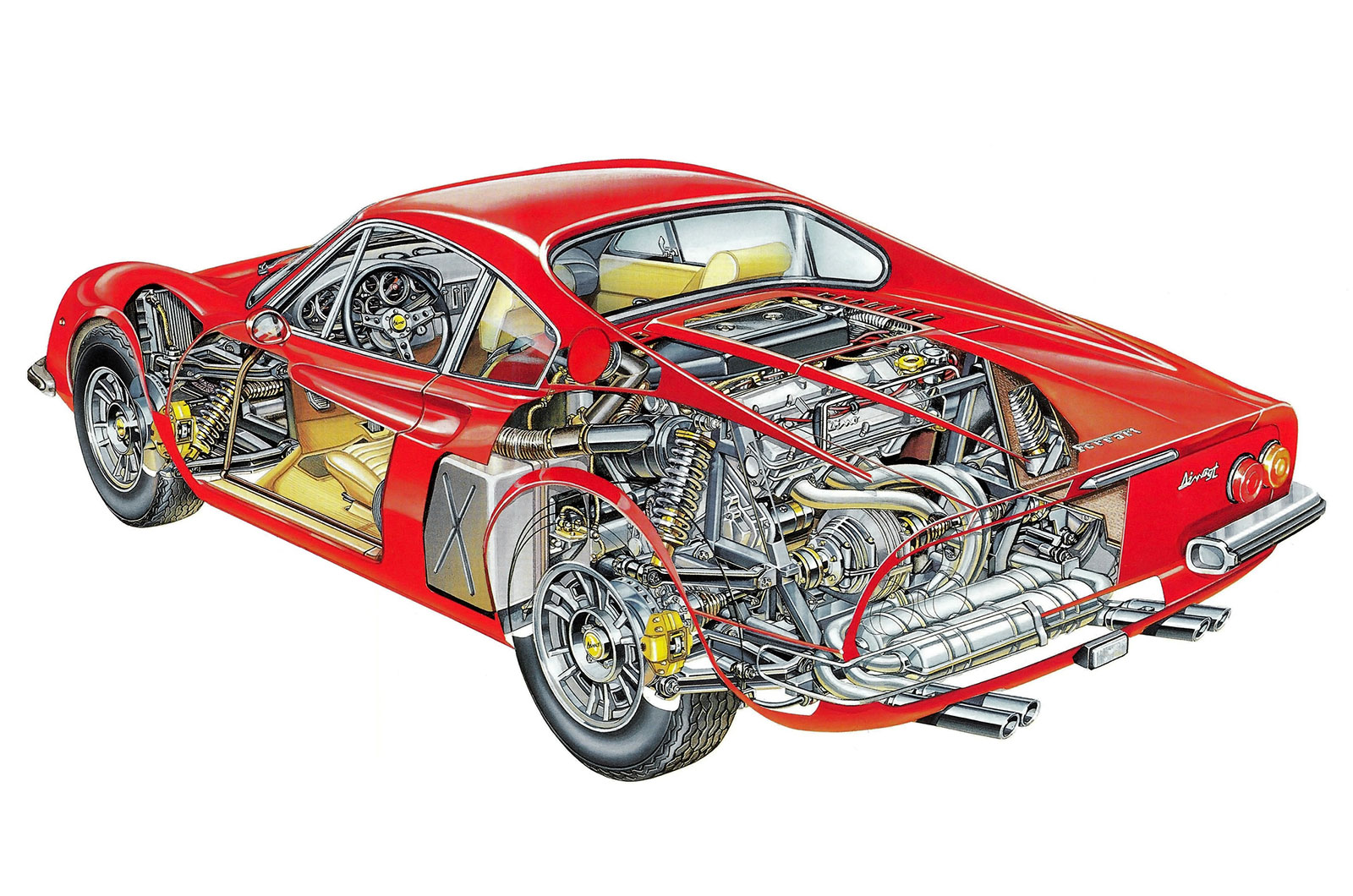
Little more than a decade after Ferrari had burst on to the scene with its Colombo-designed V12, it introduced a 2.0-litre V6 designed by Vittorio Jano (1891-1960). First seen in 1958 and campaigned from 1959, the V6 would first be used in a road car in 1967, in the Dino 206GT. In that car the engine featured an aluminium block but in 1969 the displacement was increased to 2419cc and the block was made from cast iron, for the introduction of the Dino 246GT.
Rolls-Royce V8 (1959)
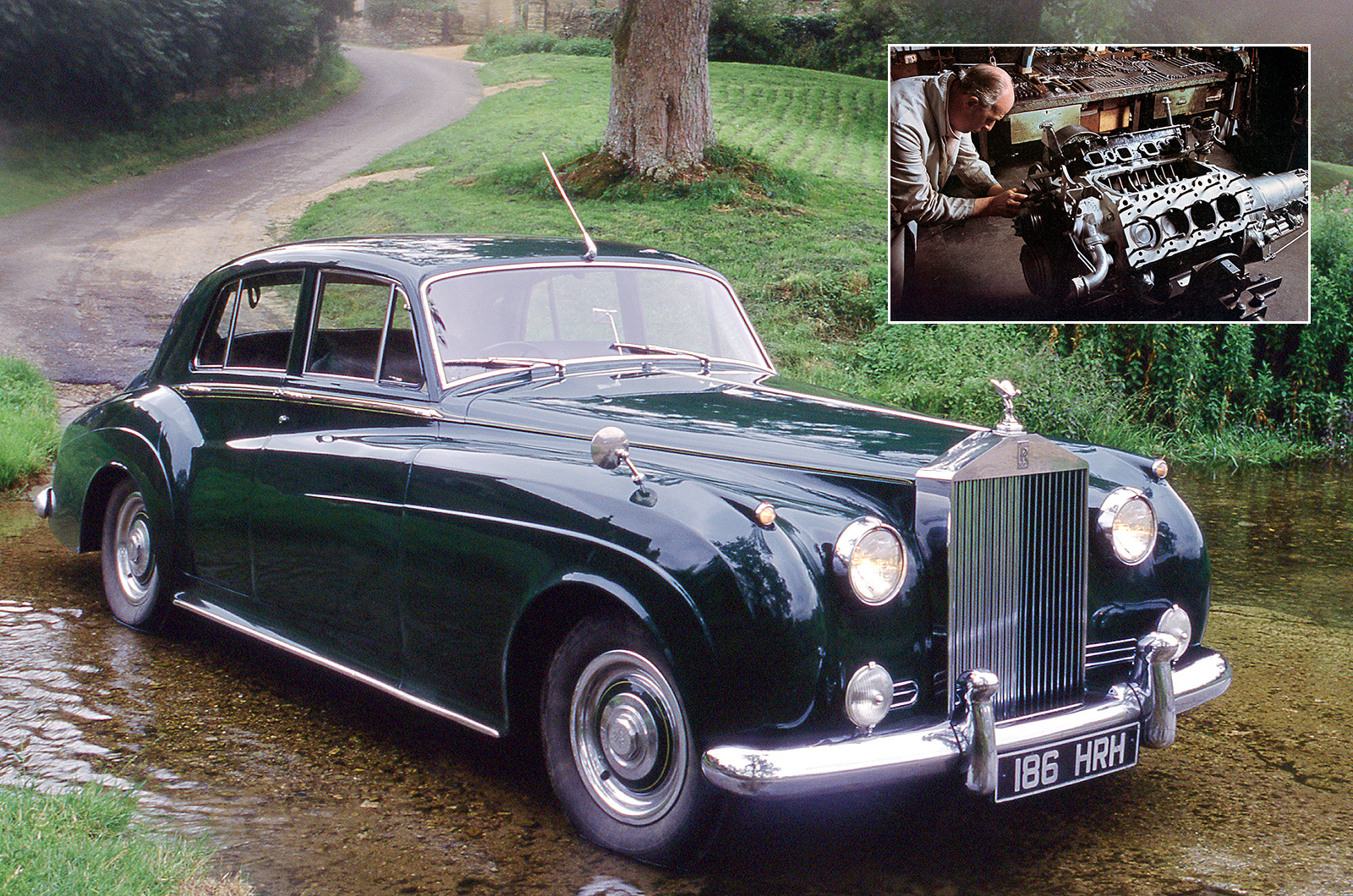
Introduced way back in 1959 in 6230cc form, the Crewe V8 was fitted to the Rolls-Royce Silver Cloud and the Bentley S2. In 1970 the capacity was increased to 6750cc and it was in that form the engine remained in production for the next half a century. Flexible and massively torquey, the Rolls V8 is also capable of racking up inter-galactic mileages if it's looked after. The engine only finally bowed out with the demise of the Bentley Mulsanne in 2020.
Ford small-block V8 (1961)
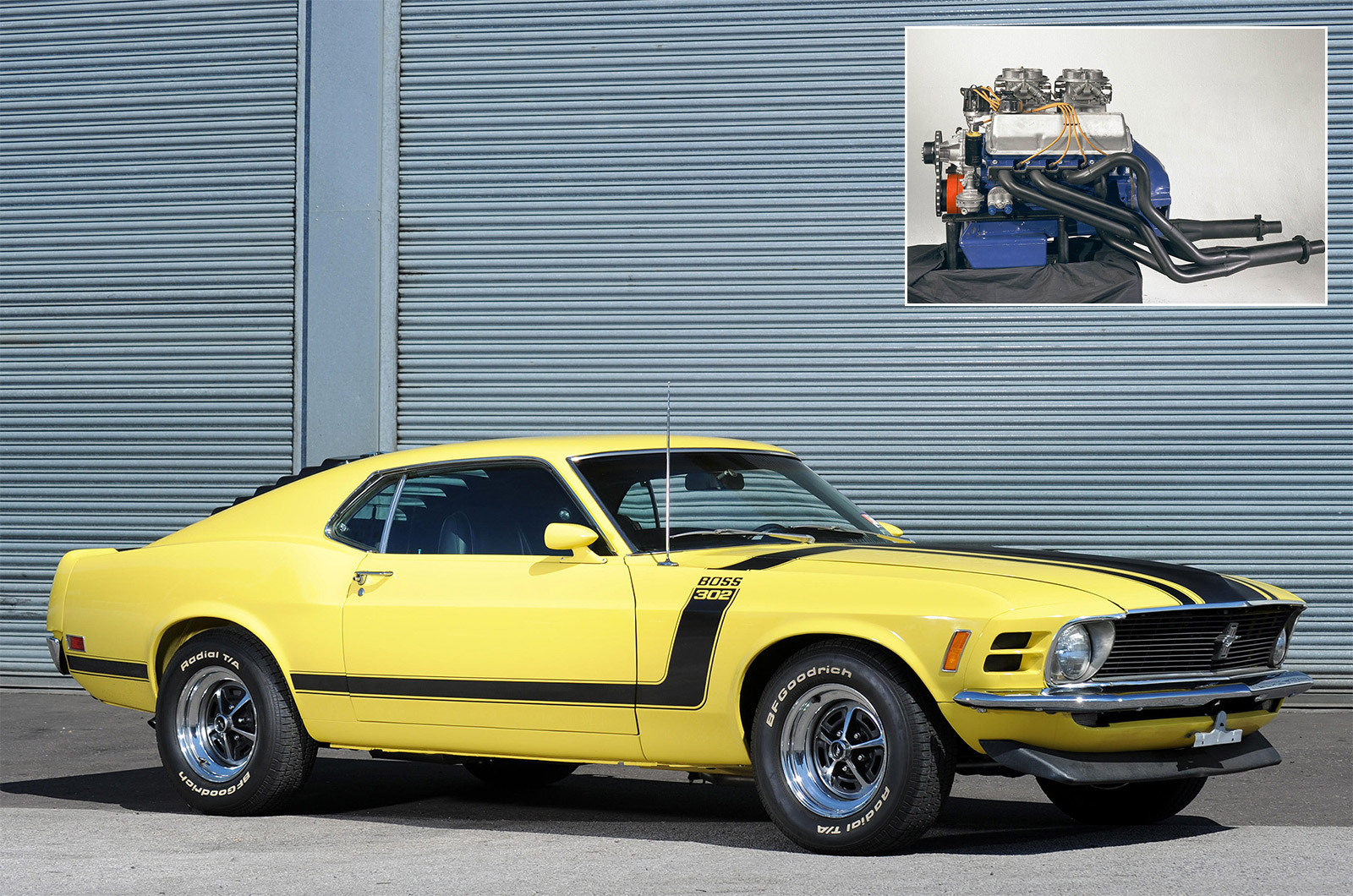
Ford has built numerous V8s over the years, but we're starting here with the small-block that arrived in 1961 and which would be fitted to the Mustang from its launch in 1964. Nicknamed the Windsor, the V8 was built at that Ontario location until production moved to Cleveland in 1969, while the Windsor and Cleveland engines were produced alongside each other; the small-block survived until 2000 while the Cleveland was killed off in 1982. PICTURE: Ford Mustang Boss 302
Lotus twin-cam (1962)
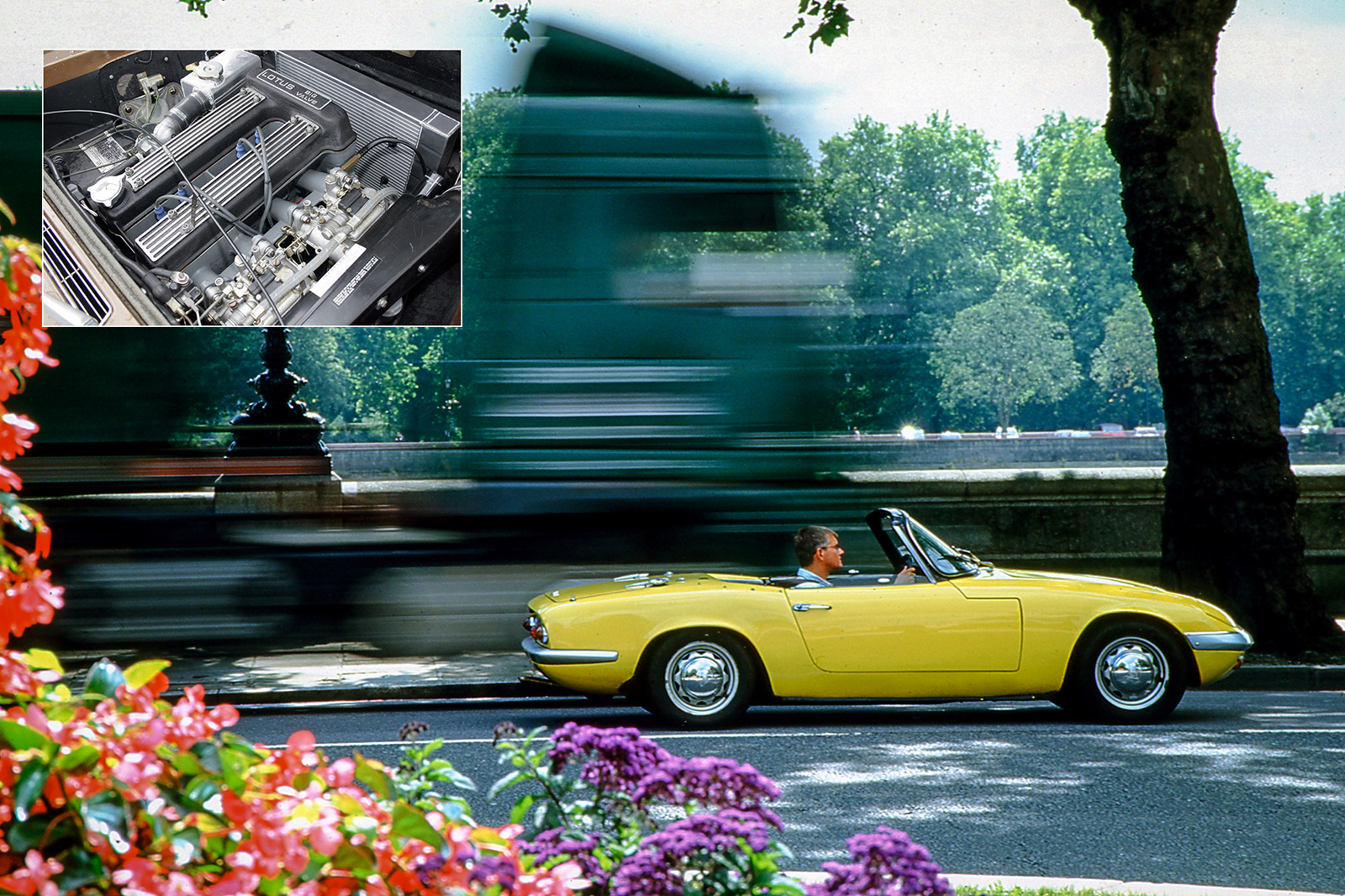
Lotus launched its all-alloy 907 twin-cam engine in 1973, but the original twin-cam is the one we're going with here. Based on the Ford Anglia 105E cast-iron block, Lotus developed its own twin-cam alloy head to create a brilliant 1.5- or 1.6-litre engine which made its debut in the Elan of 1962. Easy to tune and with 126bhp reliably and easily attained from the 1600 unit in big-valve form, the twin-cam engine was also fitted to the Lotus Cortina.
Lamborghini V12 (1963)
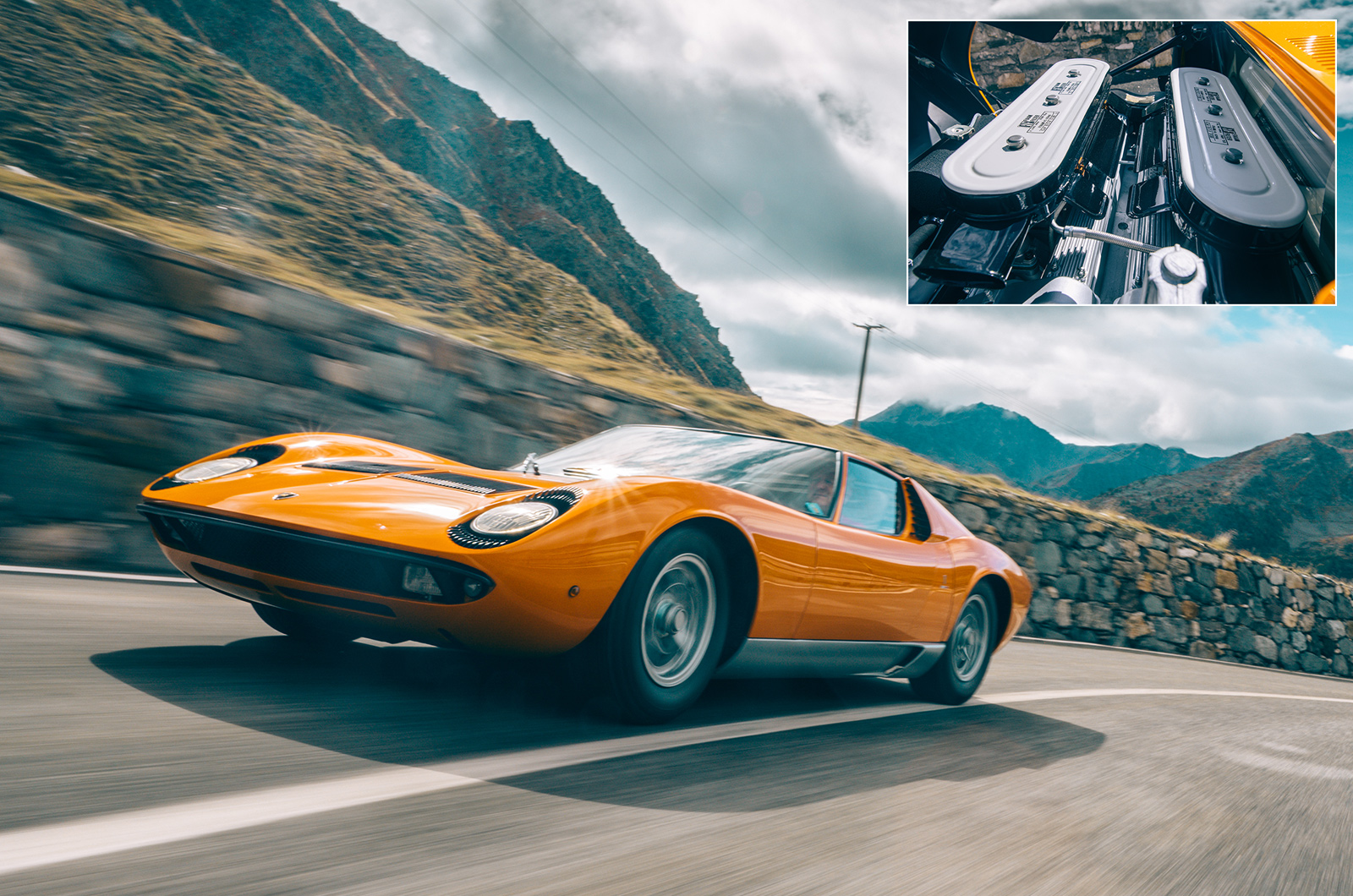
When Lamborghini burst onto the scene in 1963 it was with the 350GTV that was powered by a 3465cc V12 designed by Giotto Bizzarrini (1926-2023). That engine powered every V12 Lamborghini right up until the Aventador of 2011; the Miura (pictured), Countach, Diablo, Murcielago and numerous other GTs featured it. By the time the final Bizzarrini-designed Lambo V12 was built, the displacement had swollen to 6.5 litres.
Porsche air-cooled flat-six (1963)
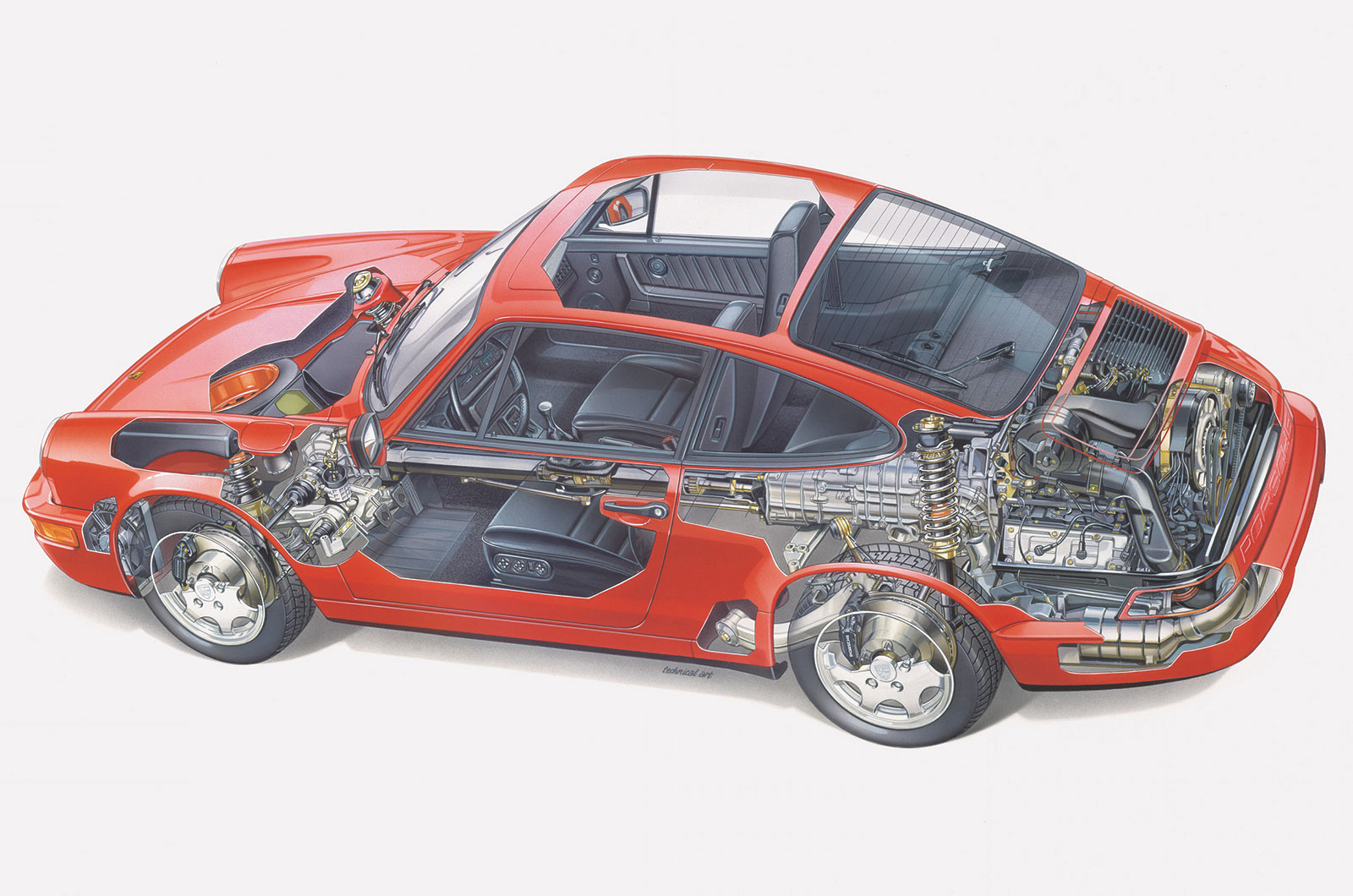
In production for an incredible 35 years (from 1963 until 1998), the air-cooled flat-six powered all Porsche 911s until the arrival of the 996. The initial displacement was just two litres, but this rose to 2.2 litres in 1969, then three litres and ultimately to 3.3 litres in turbocharged form, before the air-cooled six was superseded by a water-cooled unit in the quest for more power.
AMC/Jeep 'six' (1964)
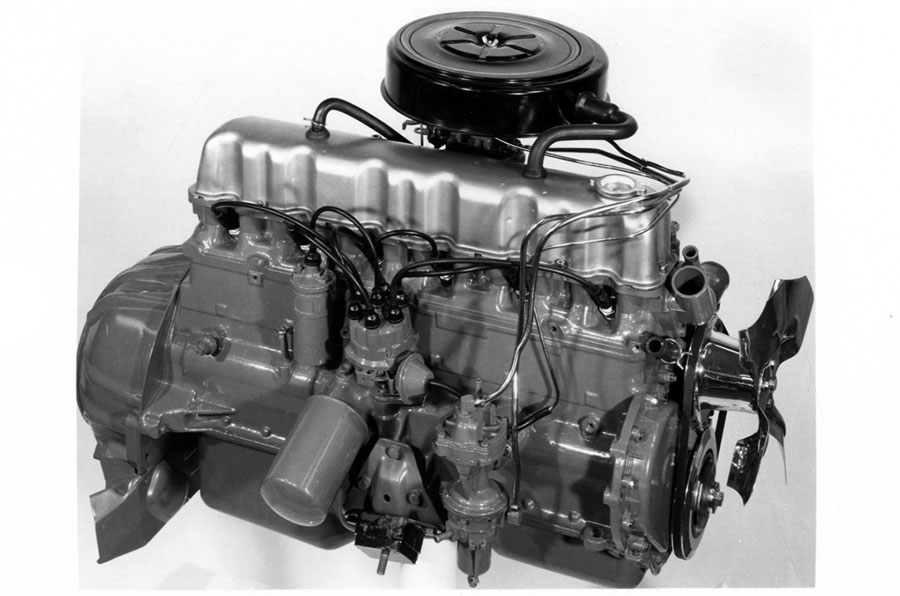
When AMC launched its in-line six in 1964 it probably didn't think that more than four decades later it would still be in production. Initially displacing 3.8 litres (232cu in), within a year there was a 3.3-litre (199cu in) version. When Chrysler bought AMC in 1987 this straight-six engine was part of the deal and it would go on to power an array of Jeep models until its demise in 2006 – by which point the unit had built a reputation for being pretty much indestructible.
Chrysler Hemi (1966)
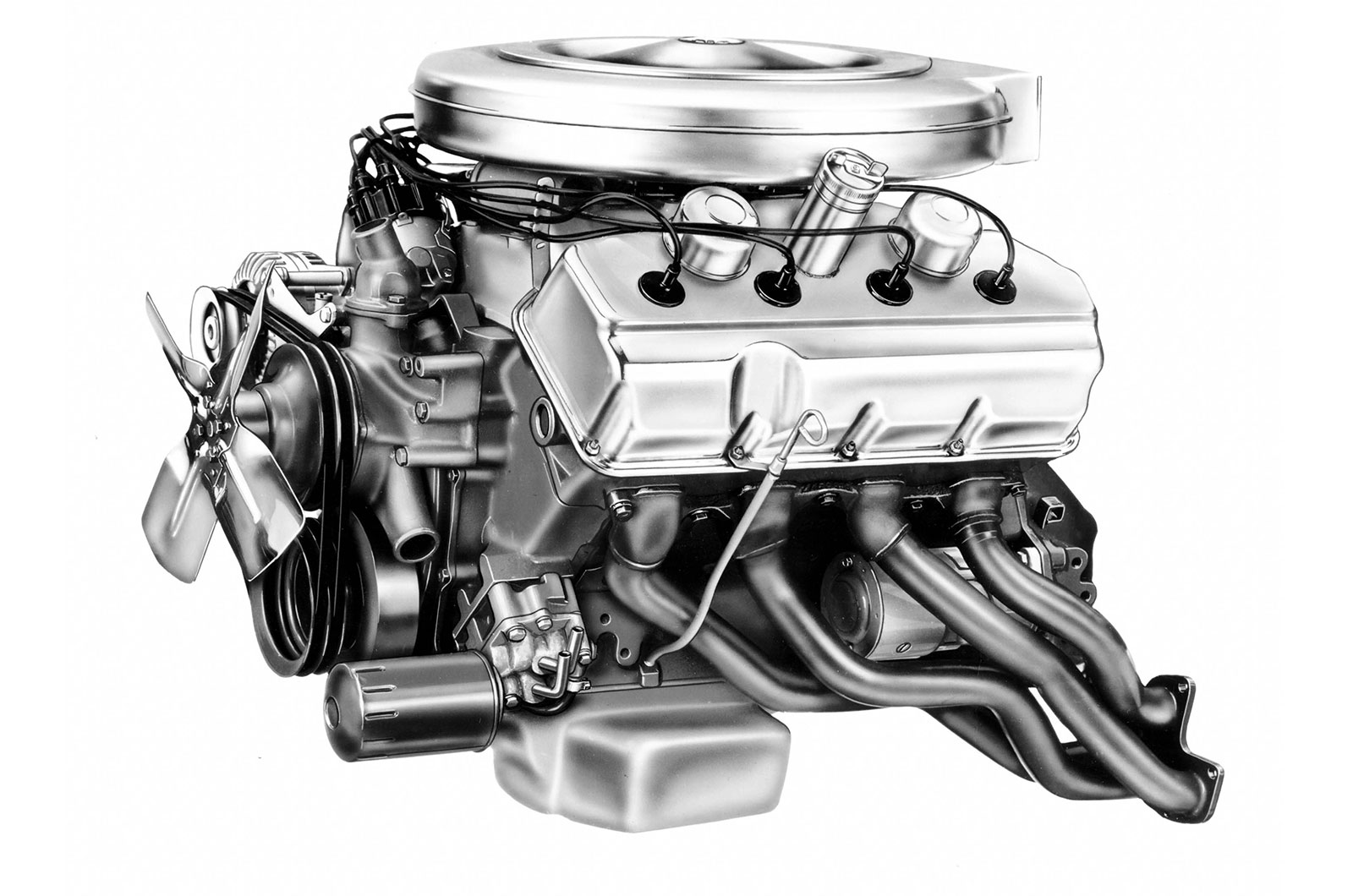
Chrysler has produced three different Hemi engines; it's the second one that we're interested in here. Offered only between 1966 and 1971, the Hemi took its name from the hemispherical combustion chamber design. Chrysler chose this so it could fit the biggest valves possible, because under NASCAR rules only two were allowed to be fitted for each cylinder.
Fiat twin-cam (1966)
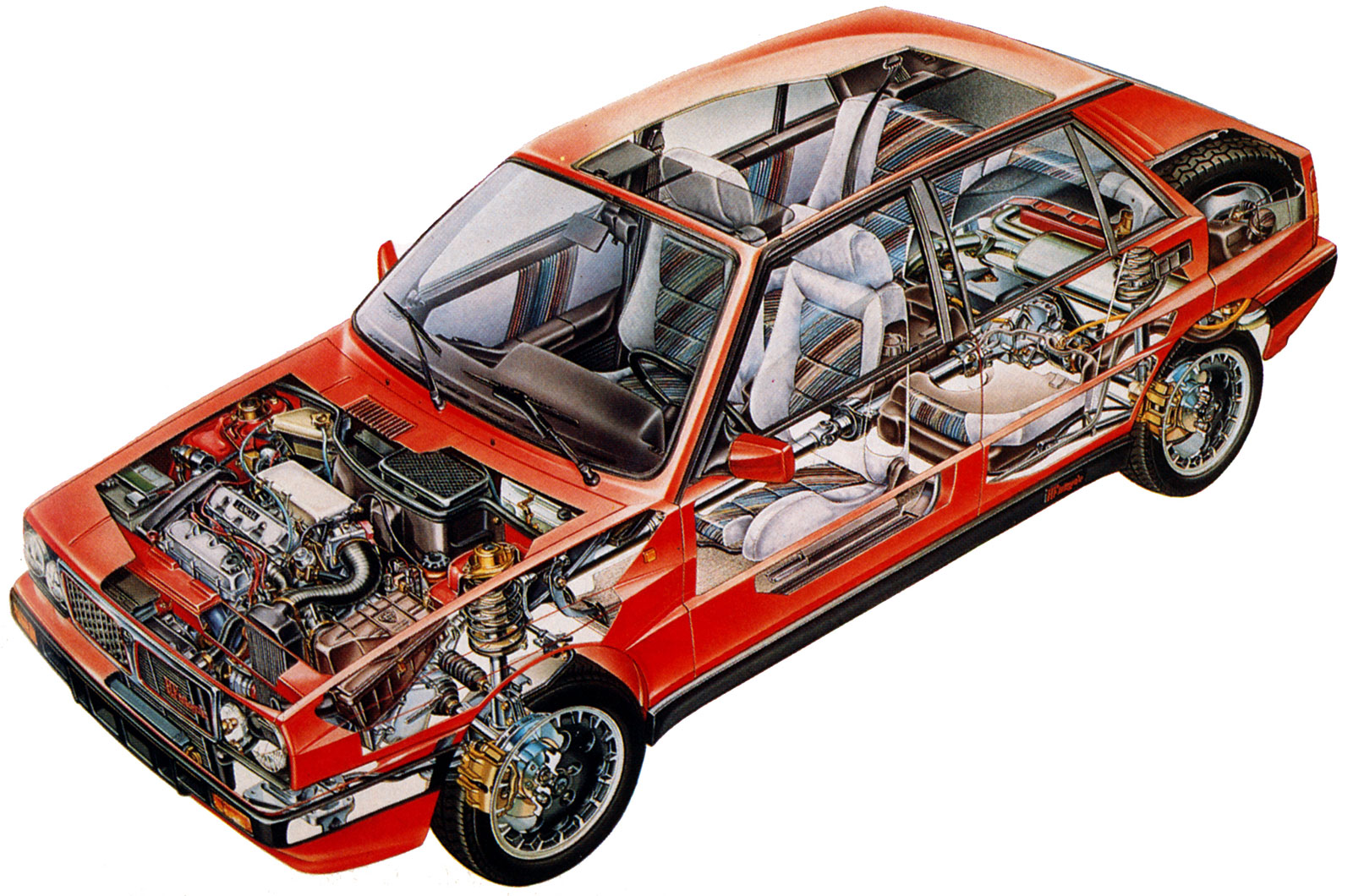
Designed by ex-Ferrari boffin Aurelia Lampredi (1917-1989), the Fiat twin-cam engine was fitted to a huge number of Fiat, Alfa Romeo and Lancia models. First seen in the Fiat 124 of 1966, in 1297cc form, the twin-cam was also available in most Fiats and Lancias of the seventies and eighties, including the all-conquering Lancia Integrale (pictured).
Rover V8 (1967)
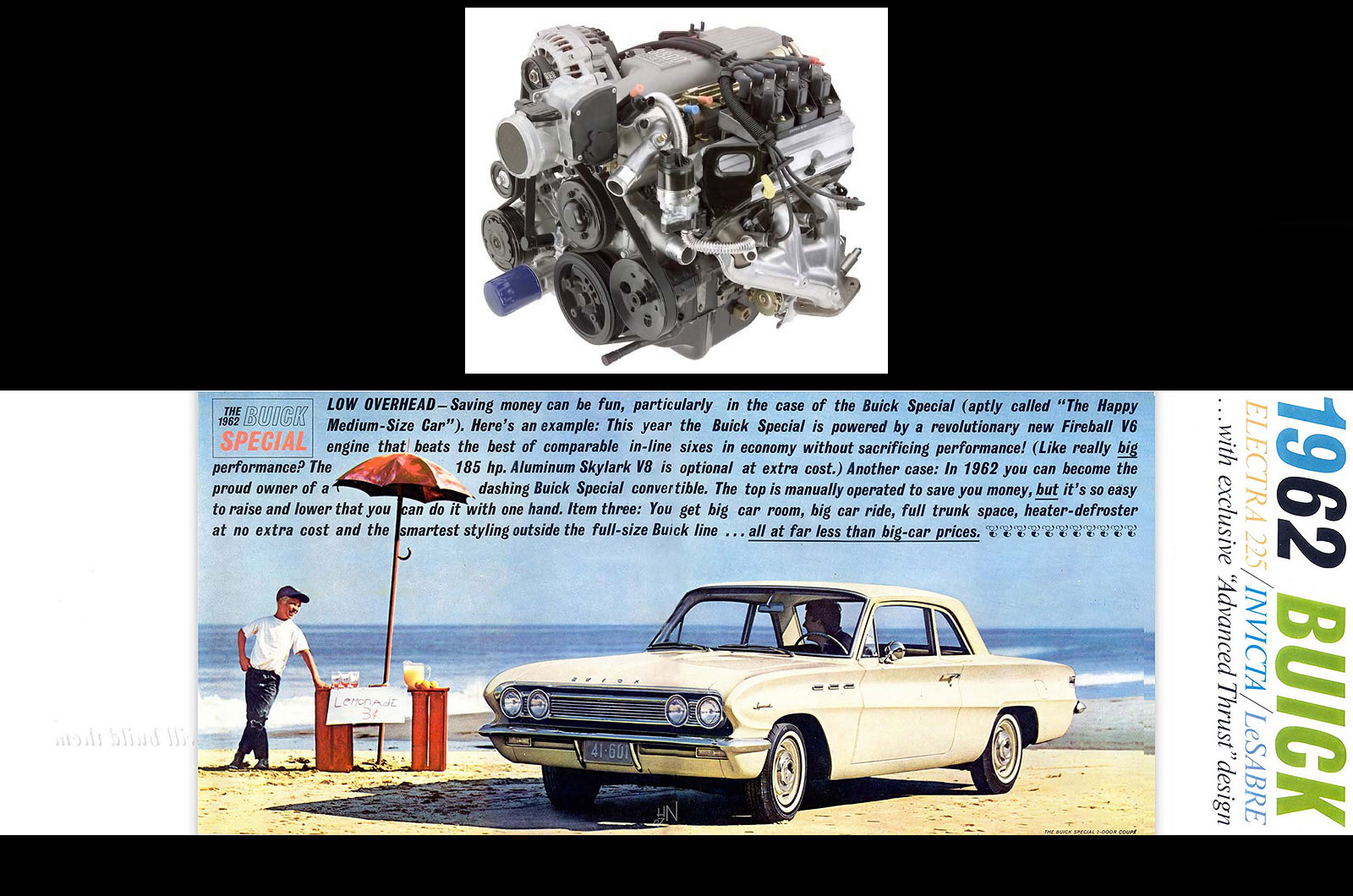
Developed in the late 1950s by Buick (pictured), this 215cu in (3.5-litre) V8 was light, compact and powerful, but not especially reliable or cheap to make, and General Motors lost interest in it. Rover then bought the rights to produce the engine which was first fitted to the Rover P5 in 1967; it would go on to power an array of Rover, Land Rover, MG, Triumph, Morgan, TVR and Marcos models (among many others) before the final example was built in 2006 – by which point it had grown to displace up to five litres and become much more dependable.
Aston Martin V8 (1969)
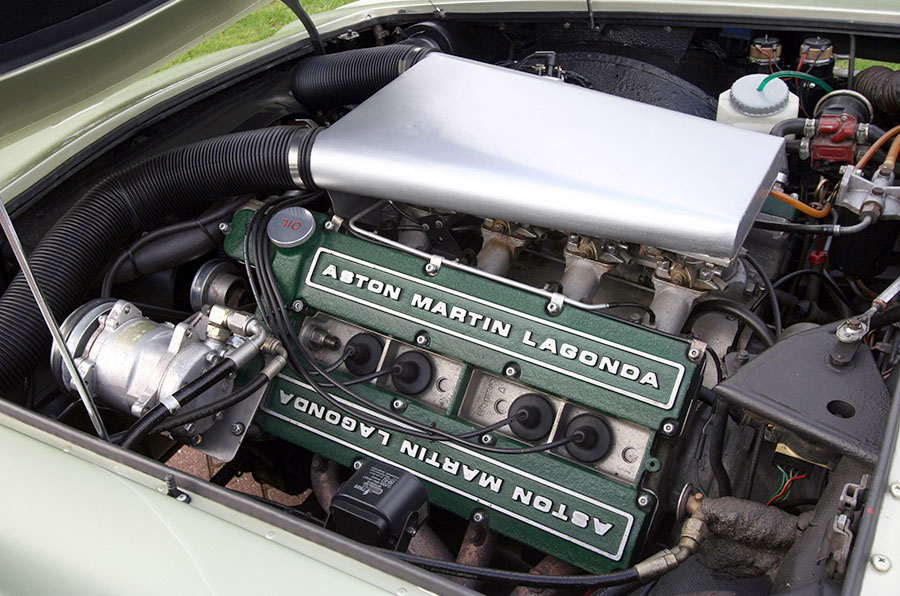
When Aston Martin launched the DBS in 1967 it was supposed to be fitted with a V8, but the new engine wasn't ready in time so it would be another two years before the DBS V8 would go on sale – and delivered quite a transformation. The Tadek Marek-designed powerplant was the making of the heavyweight Aston, the quad-cam 5340cc V8 pushing out about 400lb ft of torque along with 350bhp – although these would ultimately rise to as much as 600lb ft and 600bhp in the twin-supercharged Vantage V600.
Jaguar V12 (1971)
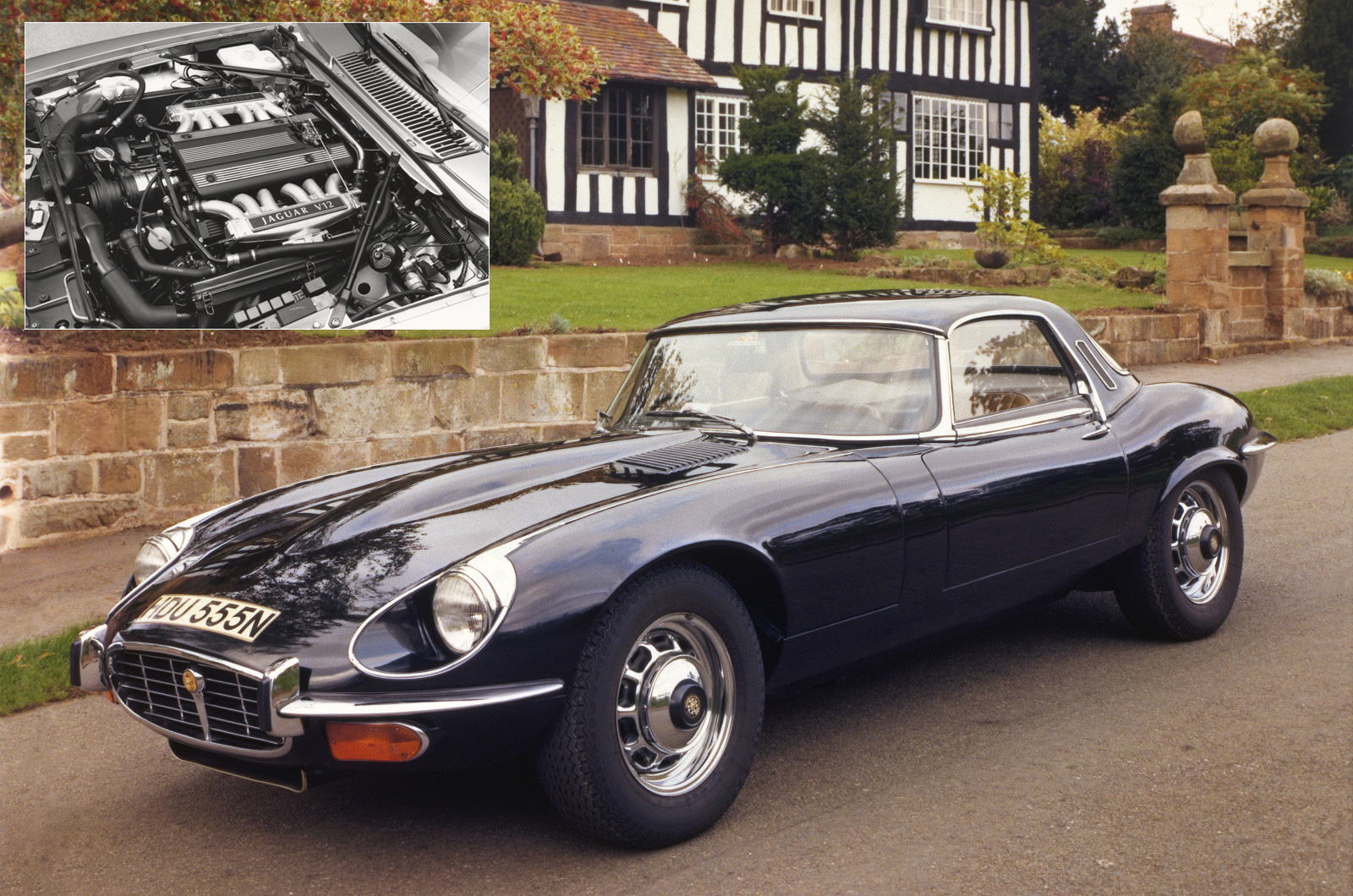
Surprisingly few car makers have ever offered a V12 engine. In the post-war era it was mainly Ferrari and Lamborghini that offered them, but in 1971 Jaguar switched from a straight-six to a 5.3-litre V12 in the E-Type; a year later the same unit was available in the XJ saloon. Incredibly smooth and durable (if maintained properly), the Jag V12 was truly a landmark engine which remained in production until 1997, in 6.0-litre form.
Audi five-cylinder (1976)
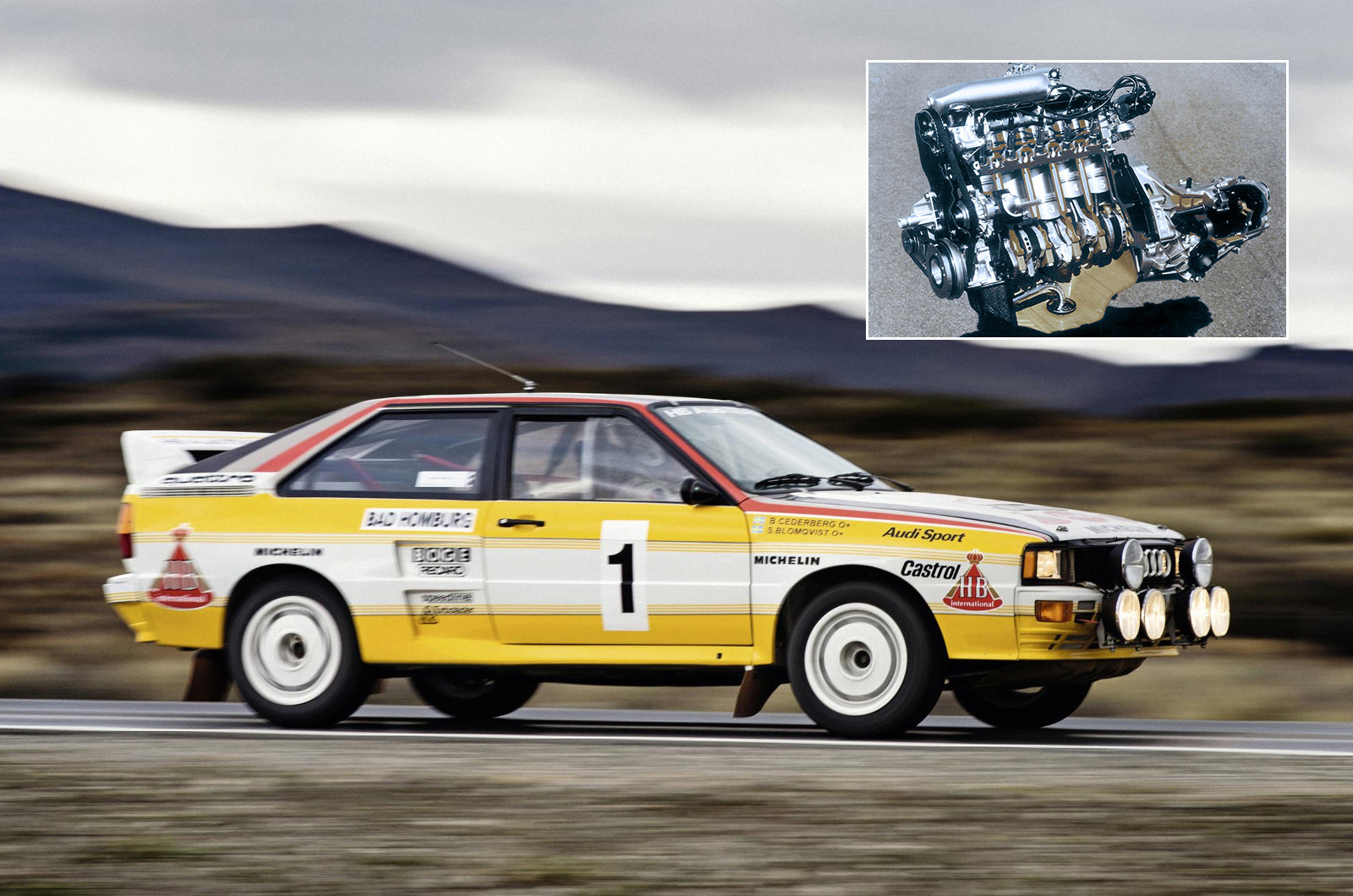
One of the greatest things about the Quattro (a car with quite a repertoire of great things, pictured) was the beat from its turbocharged five-cylinder engine – a powerplant that made its debut in naturally aspirated form in 1976. Known internally as the Type 43, it was the Audi 100 5E that got the 2.1-litre five-pot engine first, in naturally aspirated 135bhp form. By 1989 the same engine in turbocharged form was putting out over 700bhp in US touring car guise – that was the same year that Audi introduced the world's first five-cylinder diesel engine.
BMW M88 (1978)
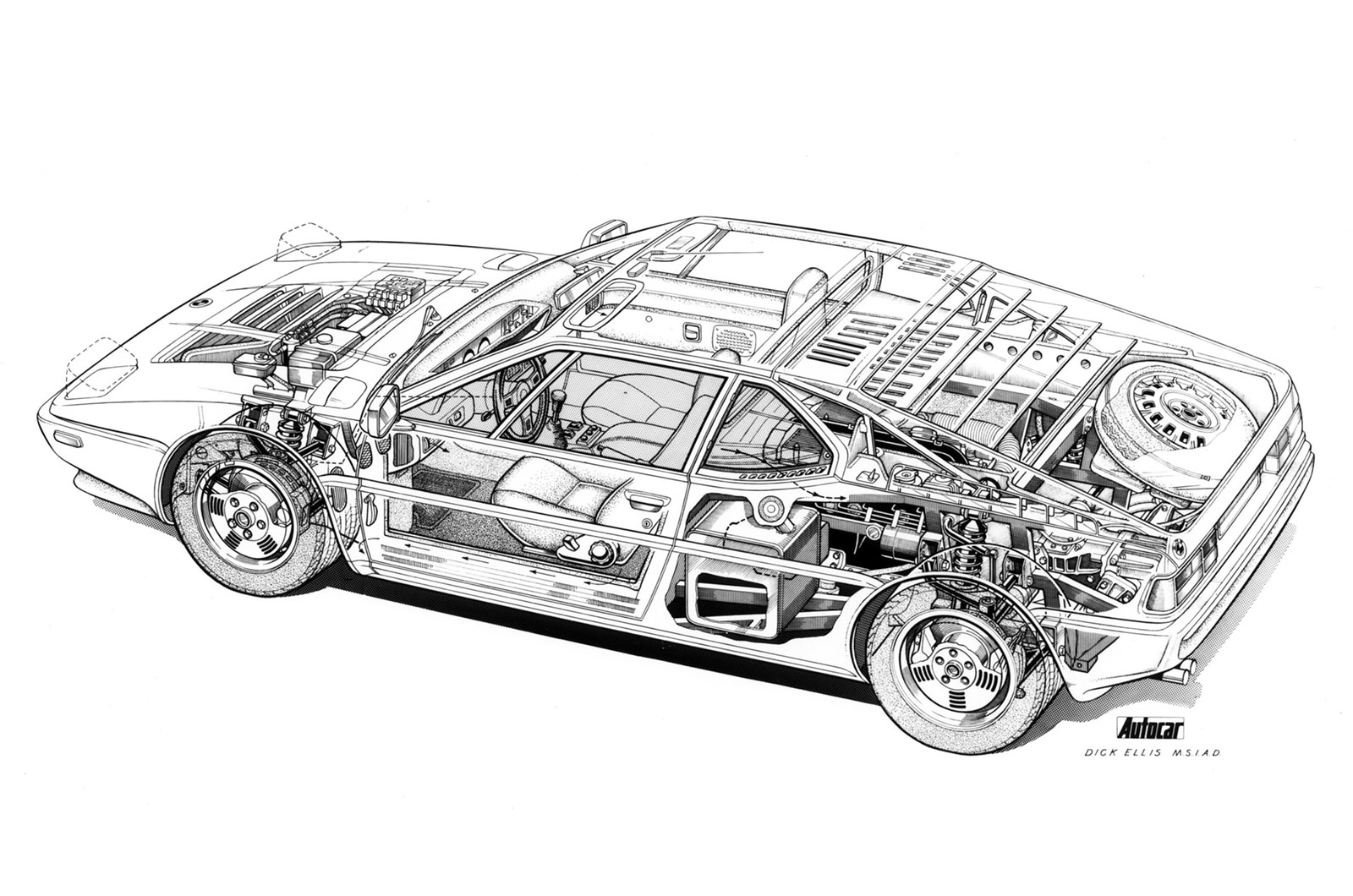
BMW is famed for its straight-six engines, which it's stuck with when most rivals have opted for more compact V6s instead, which are invariably less smooth and feature a less rousing soundtrack. BMW's M30 six-pot powered the iconic 3.0 CSL and was a brilliant powerplant, but things got even better when a four-valve head was fitted to create the M88 engine, as seen in the BMW M1 as well as the original (E28) M5.
Alfa Romeo Busso V6 (1979)
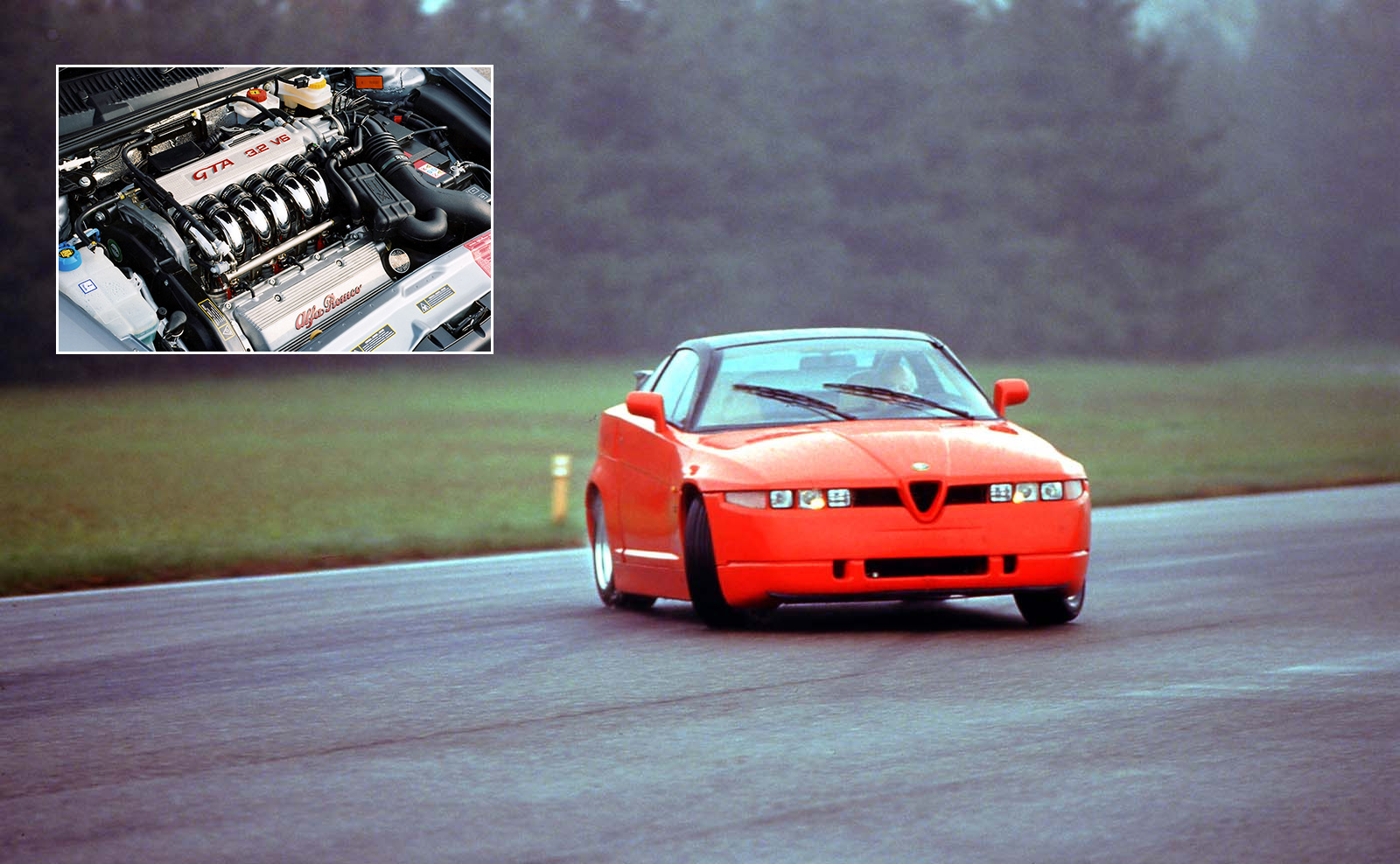
Designed in an era when an engine bay was worth looking at, this charismatic V6 engine from Alfa Romeo was designed by Giuseppe Busso (1913-2006), and fitted to a huge array of models including the 147, 156, Spider, 75, SZ (main picture) and more. With its polished inlet manifolds and sonorous soundtrack, you could forgive any Alfa Romeo its likely litany of build quality problems every time you explored the redline. Production ran until 2005, by which point displacements had varied between two and 3.2 litres.
PSA XUD (1982)
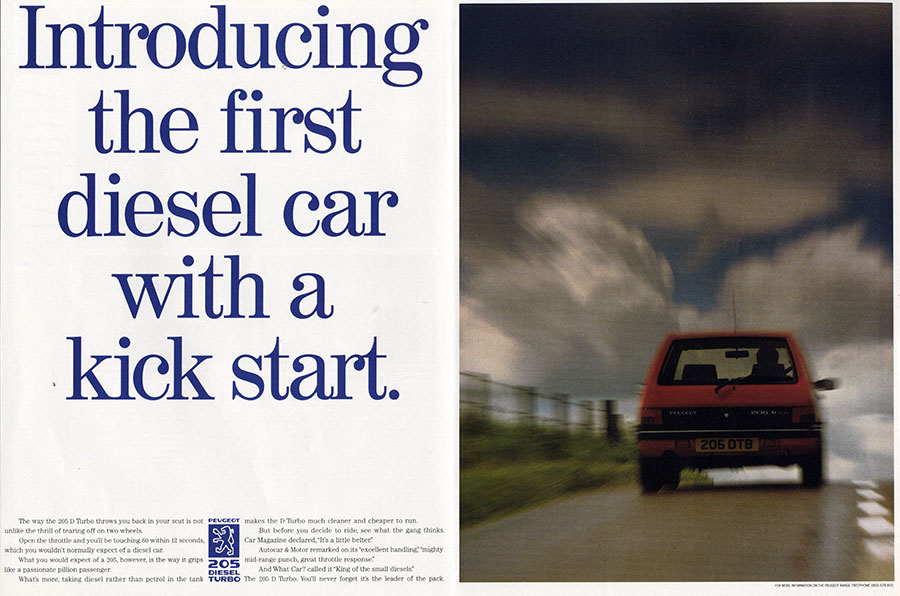
Peugeot and Mercedes were just a few weeks apart in introducing the first diesel-engined passenger car in 1936, so the French brand knows a thing or two about building great compression-ignition powerplants. Launched in 1982, the XUD engine remained in production for almost two decades and came with displacements of 1.8, 1.9 or 2.1 litres. This engine was fitted to cars as diverse as the Peugeot 205, Talbot Horizon, Lada Niva and FSO Polonez – as well as the Peugeot 405/406 and Citroën Xantia.
Toyota 4AGE (1983)
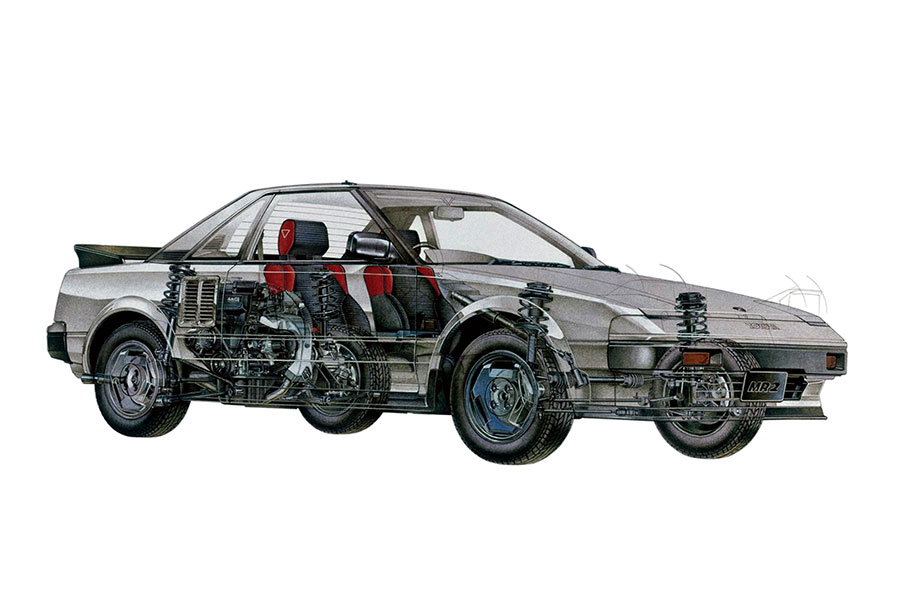
Toyota has created a raft of impressive engines over the years. We've opted for the unit that was so brilliant in the original MR2, as well as the legendary AE86 Corolla. The twin-cam 4AGE engine displaced just 1.6 litres and generally put out about 120bhp in naturally aspirated form. As such it was light, compact and full of fizz.
Ford/Cosworth YB (1986)
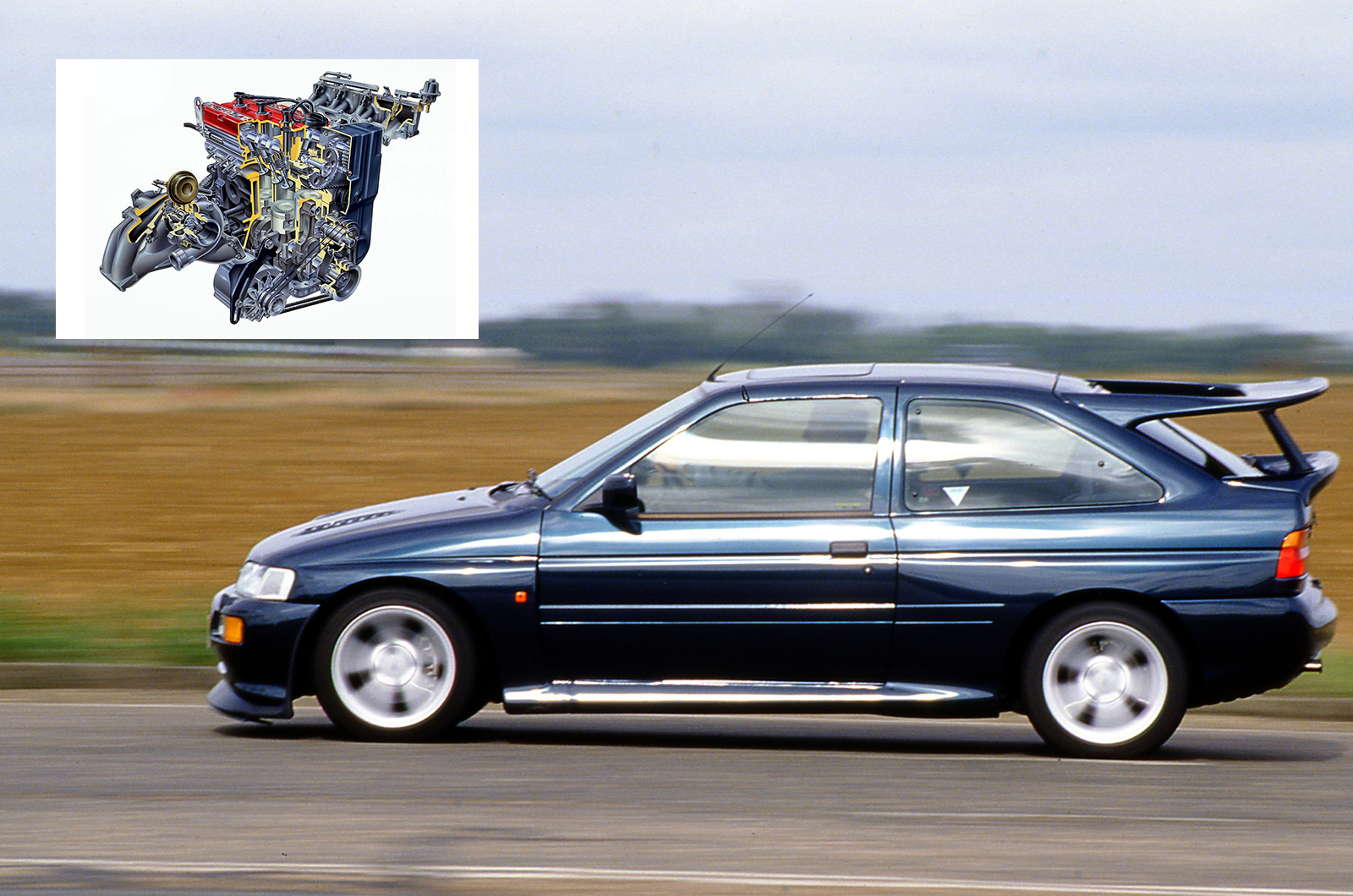
The Pinto unit was Ford's first engine to feature a belt-driven overhead camshaft. Launched in 1970 in the Cortina Mk3 and Taunus, the Pinto engine was developed by Cosworth into the turbocharged, multi-valve double overhead-cam monster seen in the Sierra RS Cosworth and later on the Escort RS Cosworth (pictured). Road cars could draw upon a relatively tame 201bhp – but in racing form more than 600bhp could be extracted from this 2.0-litre unit.
Mitsubishi 4G63 (1987)
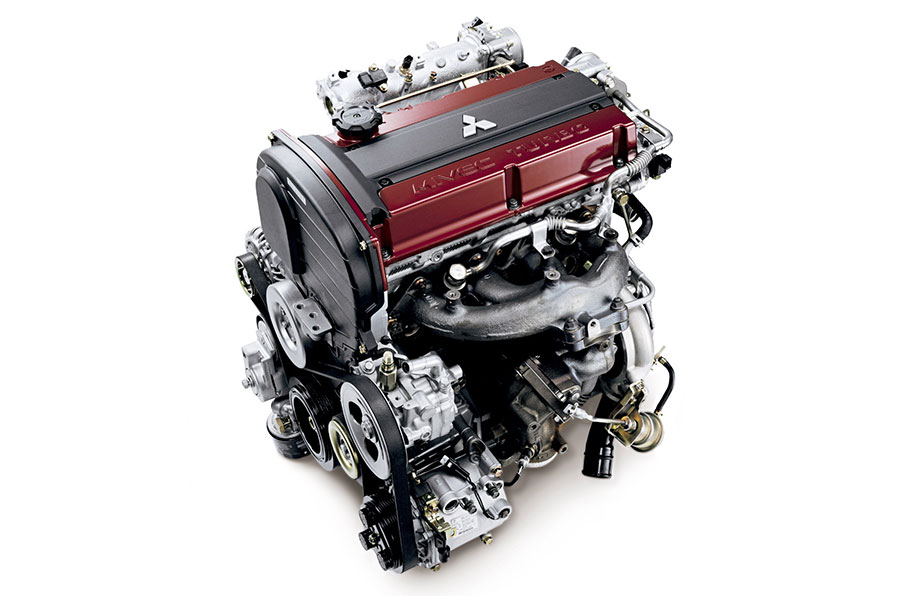
The Mitsubishi Evo was nothing less than a weapon on the rally stages and it was pretty good on a fast, winding road too. Its super-natural abilities were down to the fitment of standard four-wheel drive, a stack of electronics – and a turbocharged twin-cam 2.0-litre four-cylinder engine that could reliably produce around 300bhp. Known as the Sirius, it was this engine that was fitted to all Evos apart from the final edition, the Evo X, which got its own powerplant.
Honda B-Series (1988)
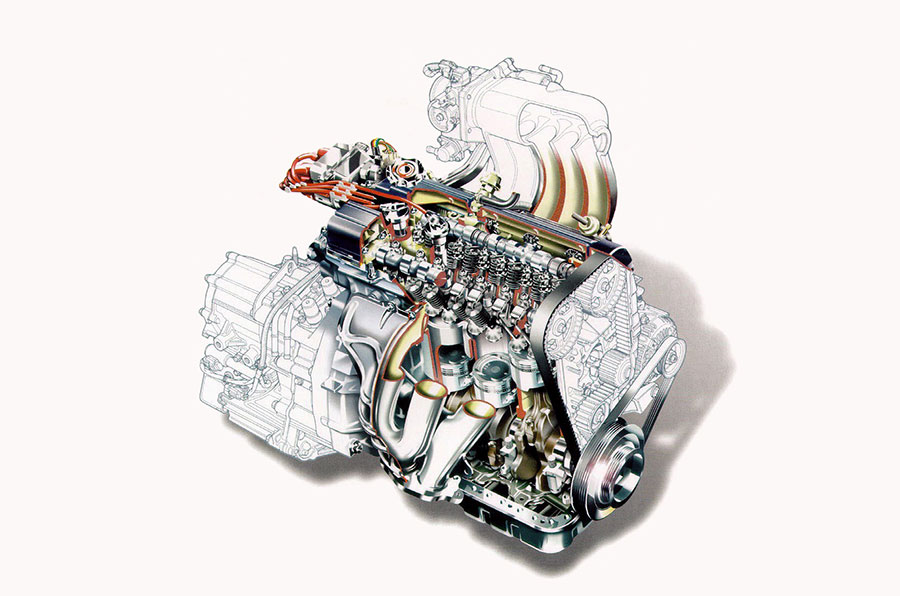
Honda has produced a whole raft of rev-happy engines that lead the way when it comes to reliability, and in many cases efficiency too. But it was the B-Series that introduced us to Honda's brilliant VTEC (Variable Valve Timing and Lift Electronic Control) system. Not all B-Series engines got VTEC and this tech was fitted to a raft of other Honda powerplants including the K-Series and R-series – but it was the B-Series that changed things forever.
Subaru flat-four (1988)
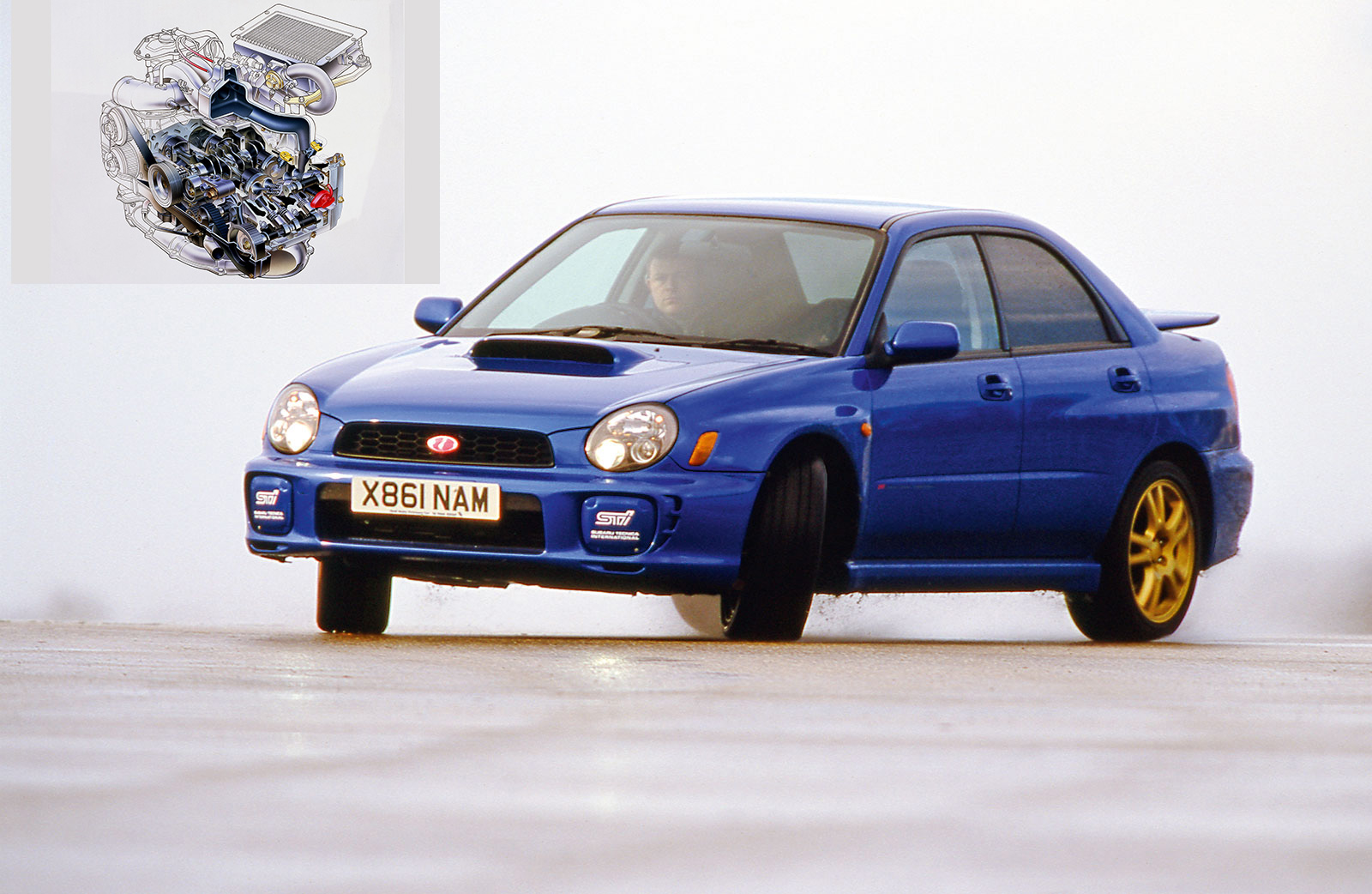
Subaru built its first flat-four engine in 1966. That unit, known as the EA, would last until 1994, by which point the 16-valve EJ had been introduced. Launched in 1988, the EJ boxer engine was what gave the Impreza Turbo its characteristic beat. Strong, easily tuned, incredibly reliable and with a low centre of gravity, the EJ engine is still in production and will hopefully remain so for a while yet.
Nissan SR20DET (1989)
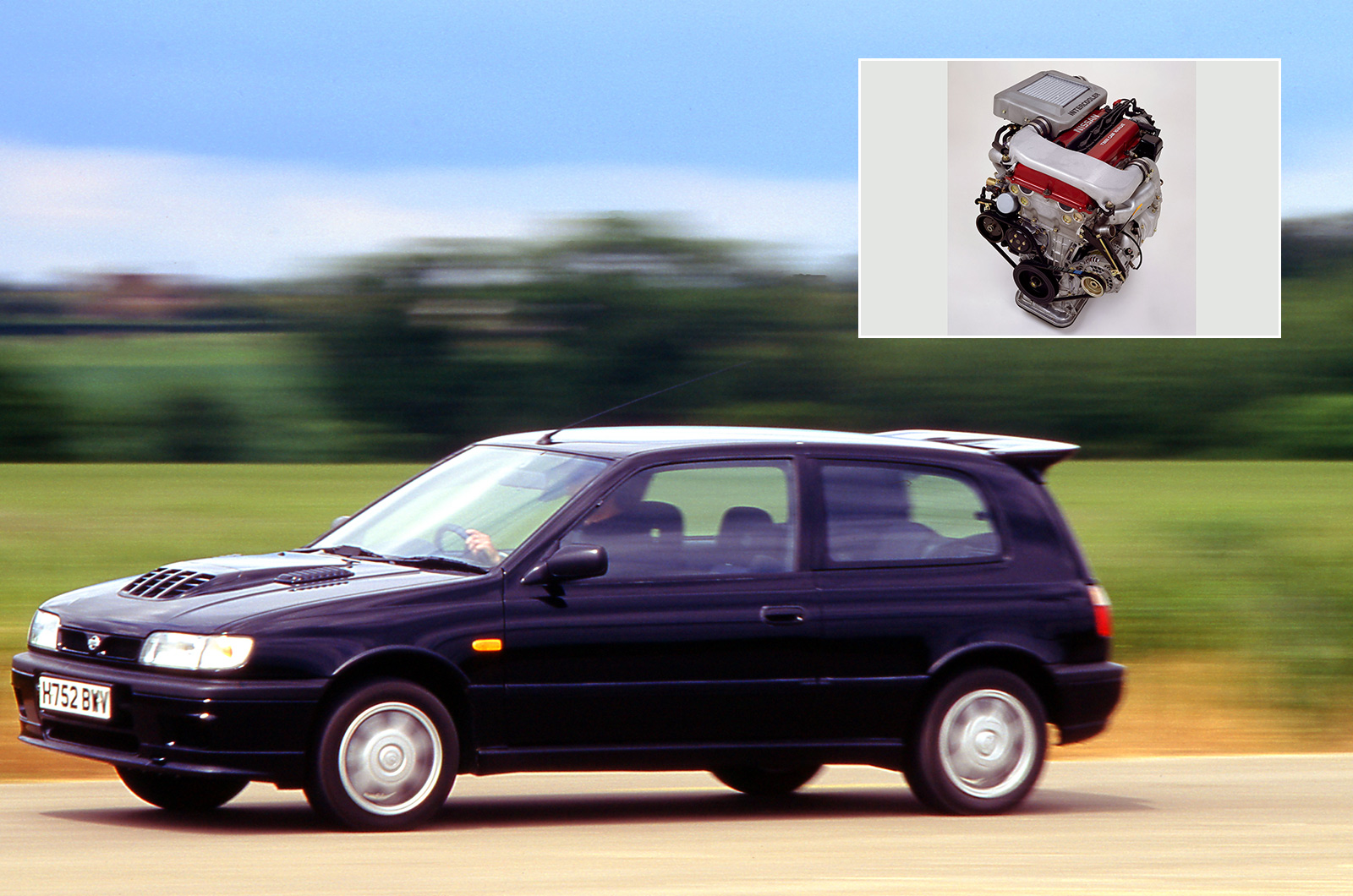
As with most Japanese car makers, Nissan has produced a string of highly tuned turbocharged engines over the years, proving that there can be a substitute for cubic inches. Typically tuned to give around 100bhp/litre, the twin-cam SR20DET powerplant was first fitted to the home-market Bluebird in 1989, but is globally best known for powering the Sunny GTi-R as well as the Silvia/180SX/200SX.
Nissan RB26 (1989)
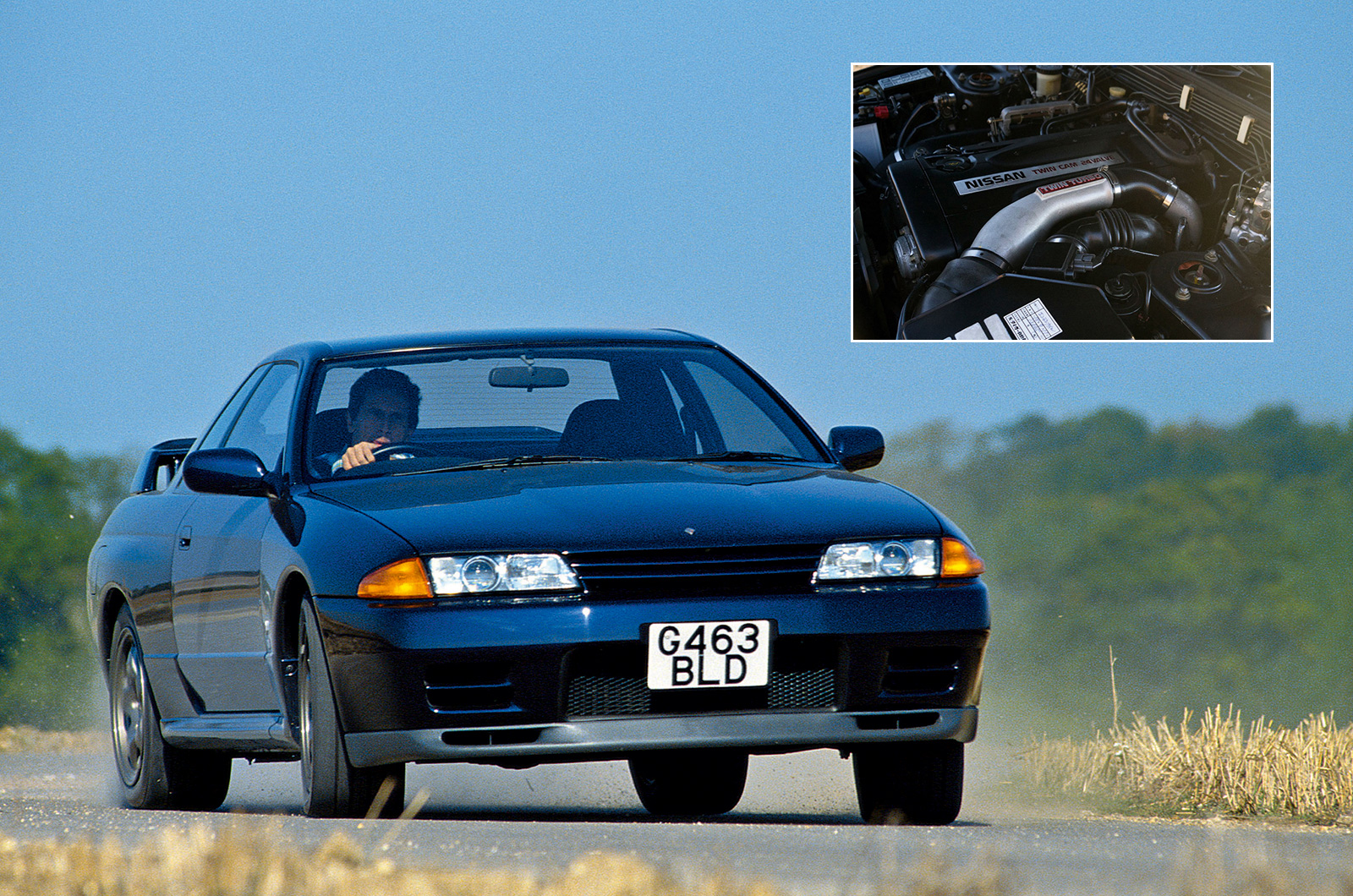
Nissan introduced the RB in 2.0-litre straight-six form in 1985 and production of the 3.0-litre RB30 lasted until 2004. Many reckon that the 2.6-litre RB26 was the sweet spot, as seen in the R32 GT-R. With four valves per cylinder, two turbos and six throttle bodies the engine was officially rated at a conservative 276bhp, although 325bhp was a given – and more than twice this could be reliably extracted from the RB26 engine.
Toyota 2JZ-GTE (1991)
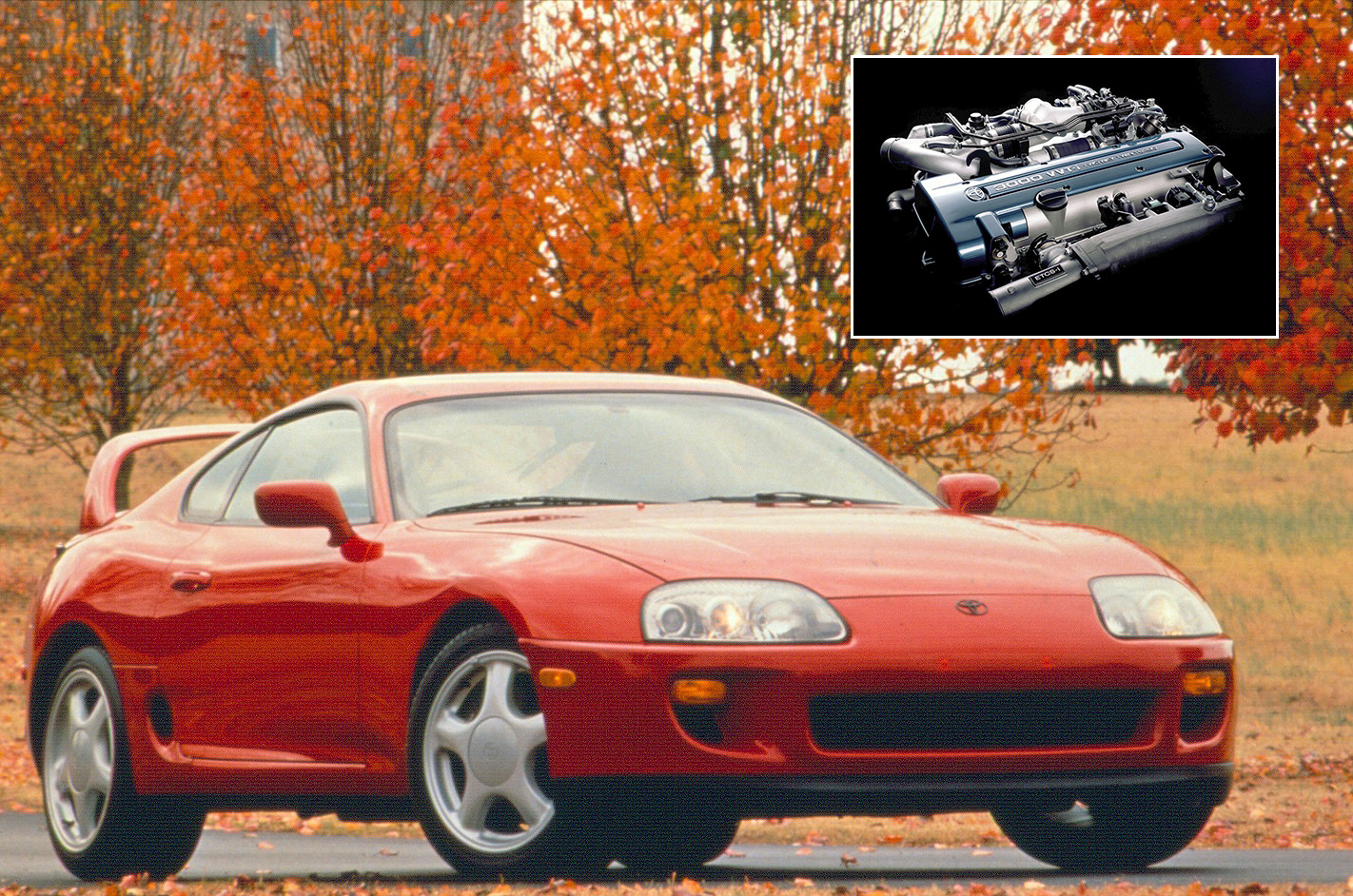
Japanese car makers choose confusing designations for their engines, but that matters not when you've got an intercooled double overhead-cam straight-six with sequential turbochargers, which will give a reliable 700bhp and which can be tuned to produce over 1000bhp. So with just 300bhp or so on tap in regular production form as seen in the Toyota Supra A80 (pictured), the 3.0-litre 2JZ-GTE engine barely broke into a sweat.
McLaren F1 (1992)
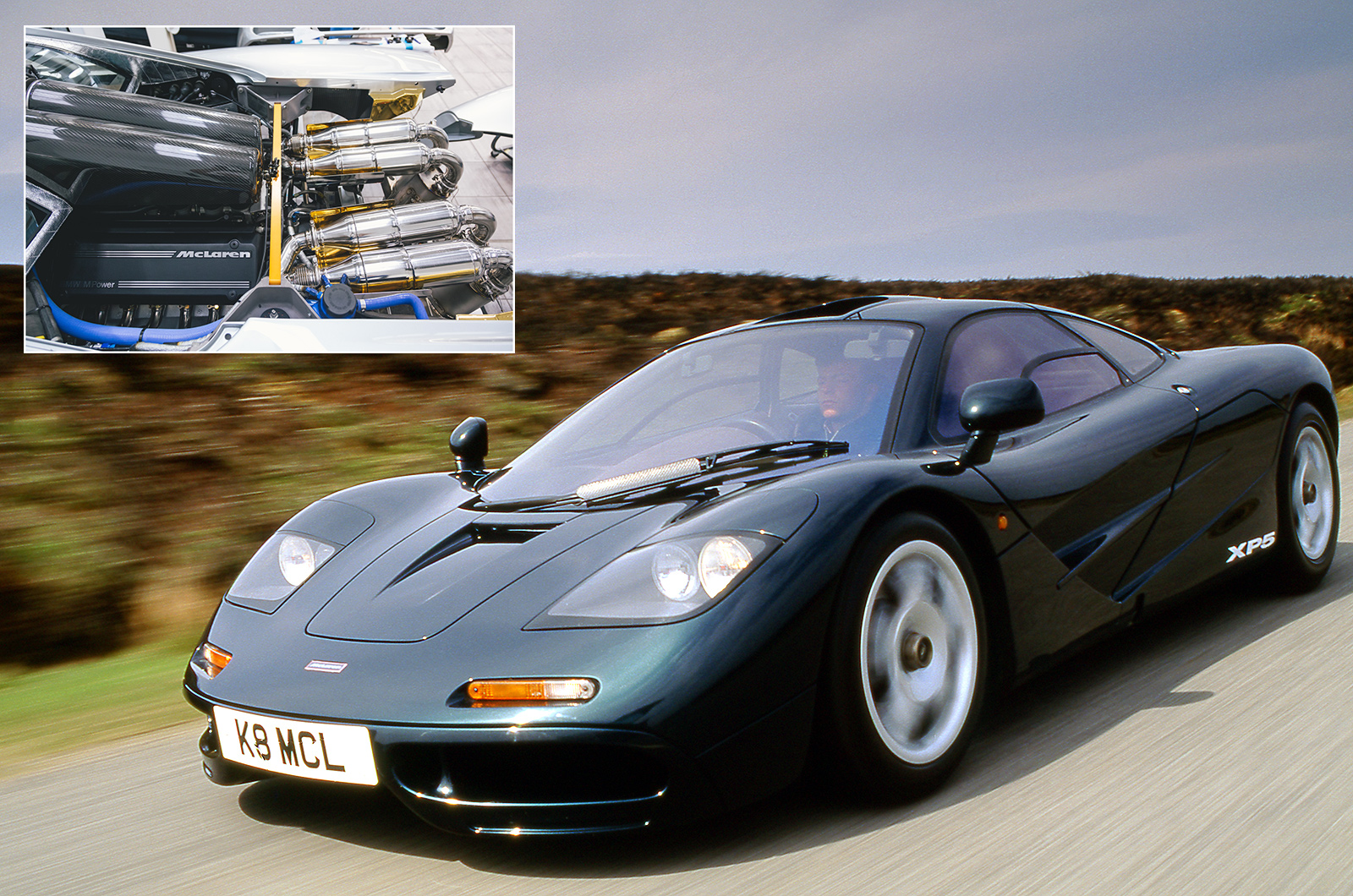
There was so much more to the McLaren F1 than just its engine, but the BMW-supplied 6.1-litre V12 was something of a high spot. McLaren had originally tried to collaborate with its Formula 1 engine supplier Honda, which was asked for a 550bhp engine to power a forthcoming supercar. Honda couldn't commit so McLaren asked BMW instead – and the result was a wonderful powerplant with 77bhp more than requested.
Mercedes OM606 (1993)
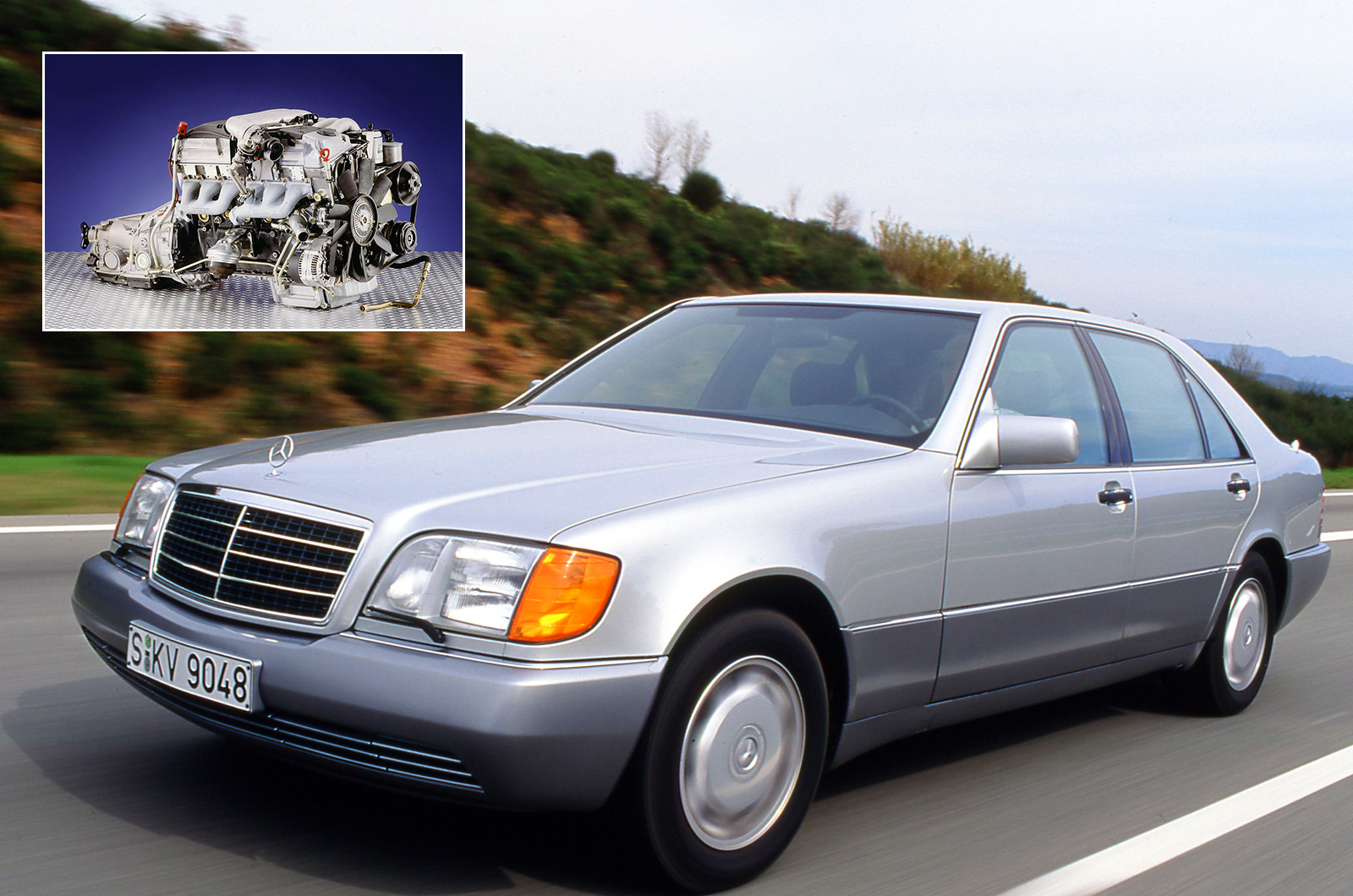
The Mercedes engine back catalogue contains some pretty impressive entries, but this is one of our favourites; a 3.0-litre straight-six with twin overhad camshafts and four valves per cylinder. Initially seen in naturally aspirated form in the W124 E-Class, the OM606 was then fitted to the next-generation E-Class, the W210, in turbocharged form. Smooth, indestructible and effortlessly torquey, the OM606 also found its way into the W140 S-Class (pictured) as well as the W463 G-Class.
BMW straight-six diesel (1999)
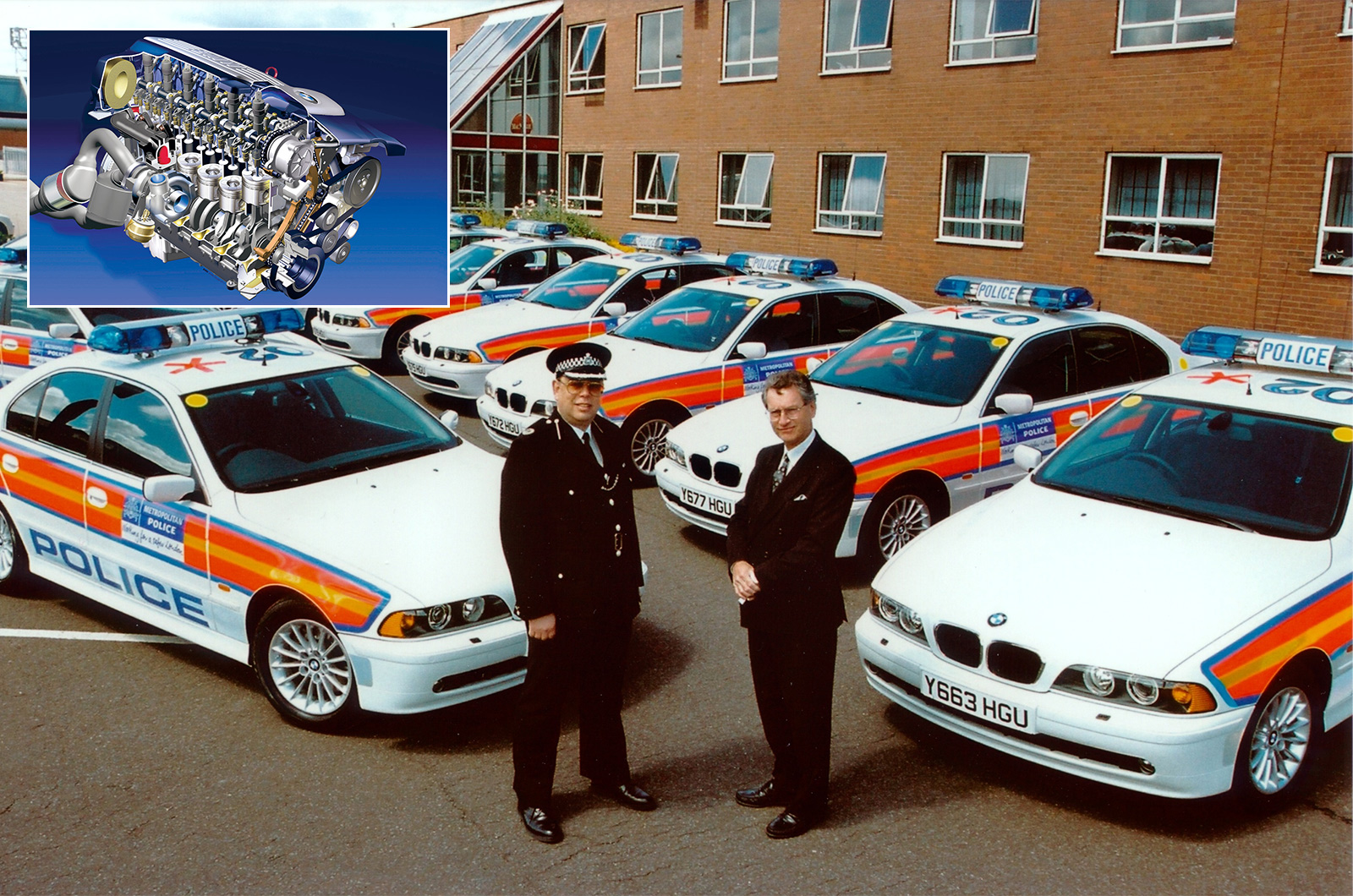
Even before the arrival of the original 530d, BMW had built some fabulous diesel engines, most notably the 2.5-litre straight-six seen in the 325tds and 525tds of the 1980s. But it was this unit that really put BMW on the map for great diesel engines; the first 530d was fast, sounded great and was decently parsimonious too yielding huge single-tank ranges, all of which quickly made it a police car of choice throughout Europe.
Pagani V12 (1999)
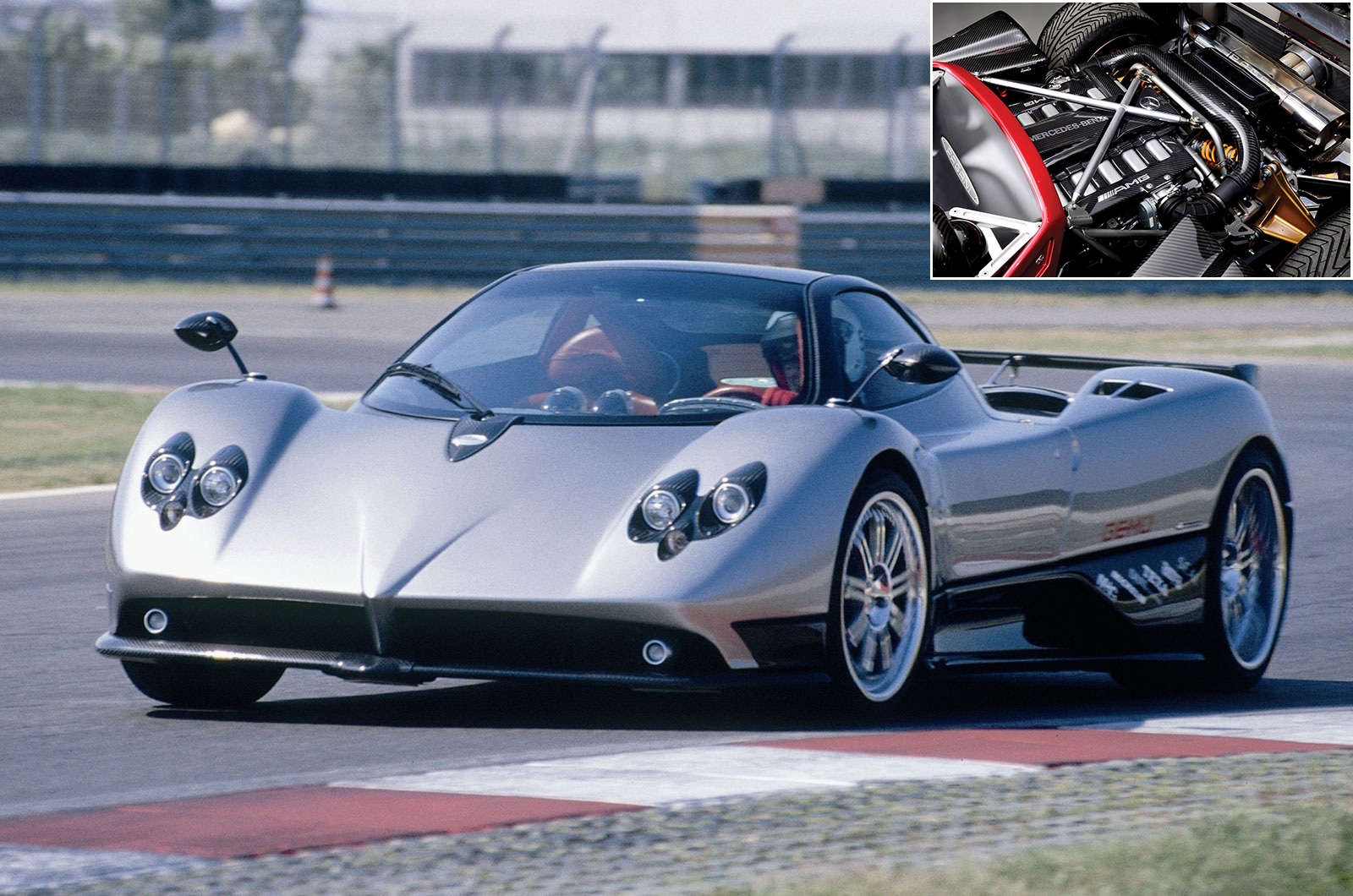
We all know that the original Pagani featured an engine that was built by Merc's AMG division, but so what? It was still a monster of a powerplant which initially displaced six litres and 444bhp; this rose to seven litres before peaking at 7.3 litres and a faintly ludicrous 789bhp. The Huayra sticks with an AMG V12, but whereas the Zonda got Merc's epic M120 powerplant its successor has the twin-turbo M158 unit.
Honda F20C (2000)
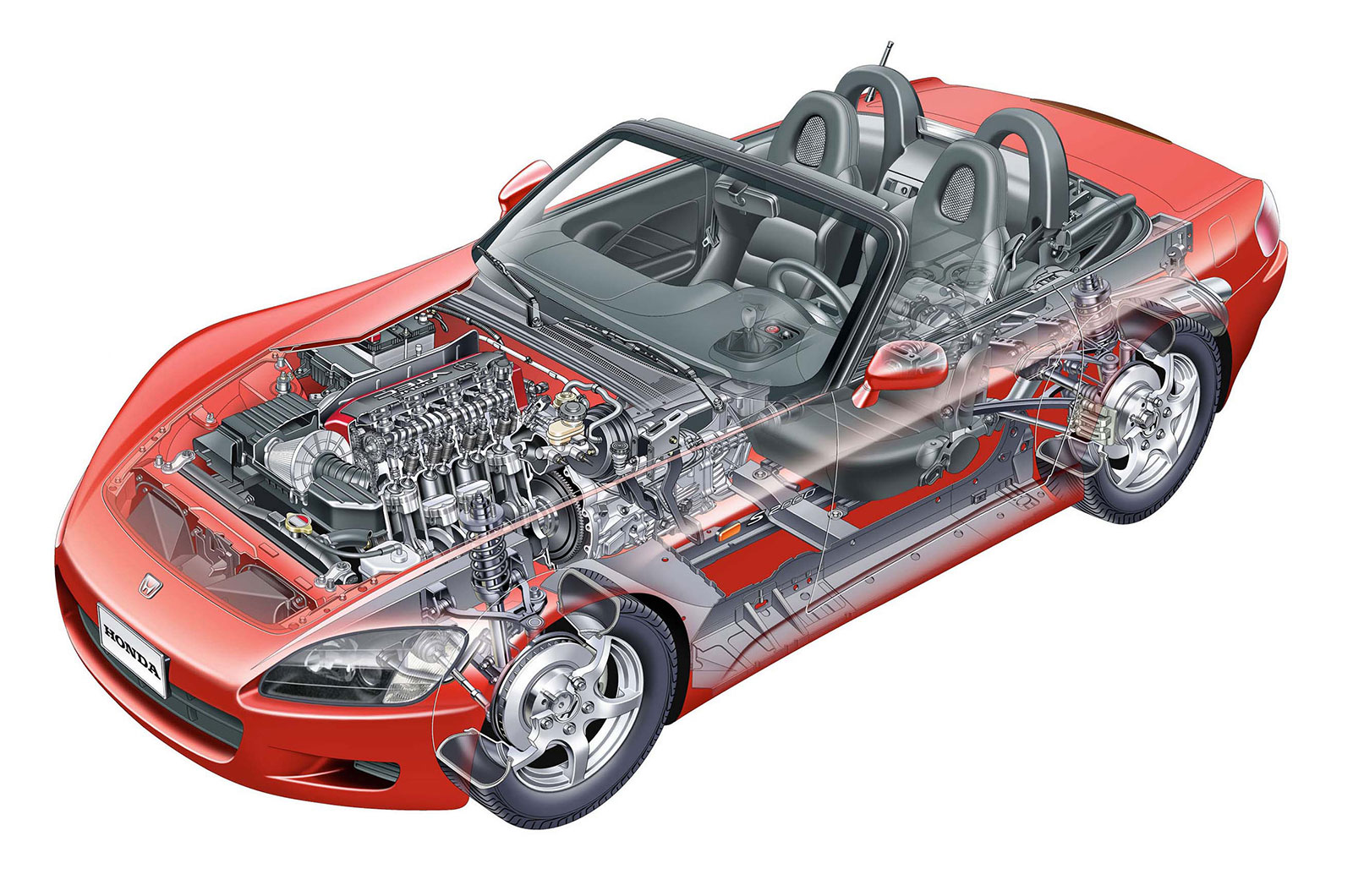
We could easily have included the K20 unit that Honda fitted to the Civic Type R, but we've opted for the F20 unit that was fitted to the S2000 because it was such a cutting-edge powerplant. Capable of revving to a motorbike-like 9000rpm, the naturally aspirated 2.0-litre F20 could generate a massive 247bhp, which meant it had the highest specific power output (bhp per litre) of any engine until the Ferrari 458 came along. A bit more low-down torque wouldn't have gone amiss though.
GM LS6 (2001)
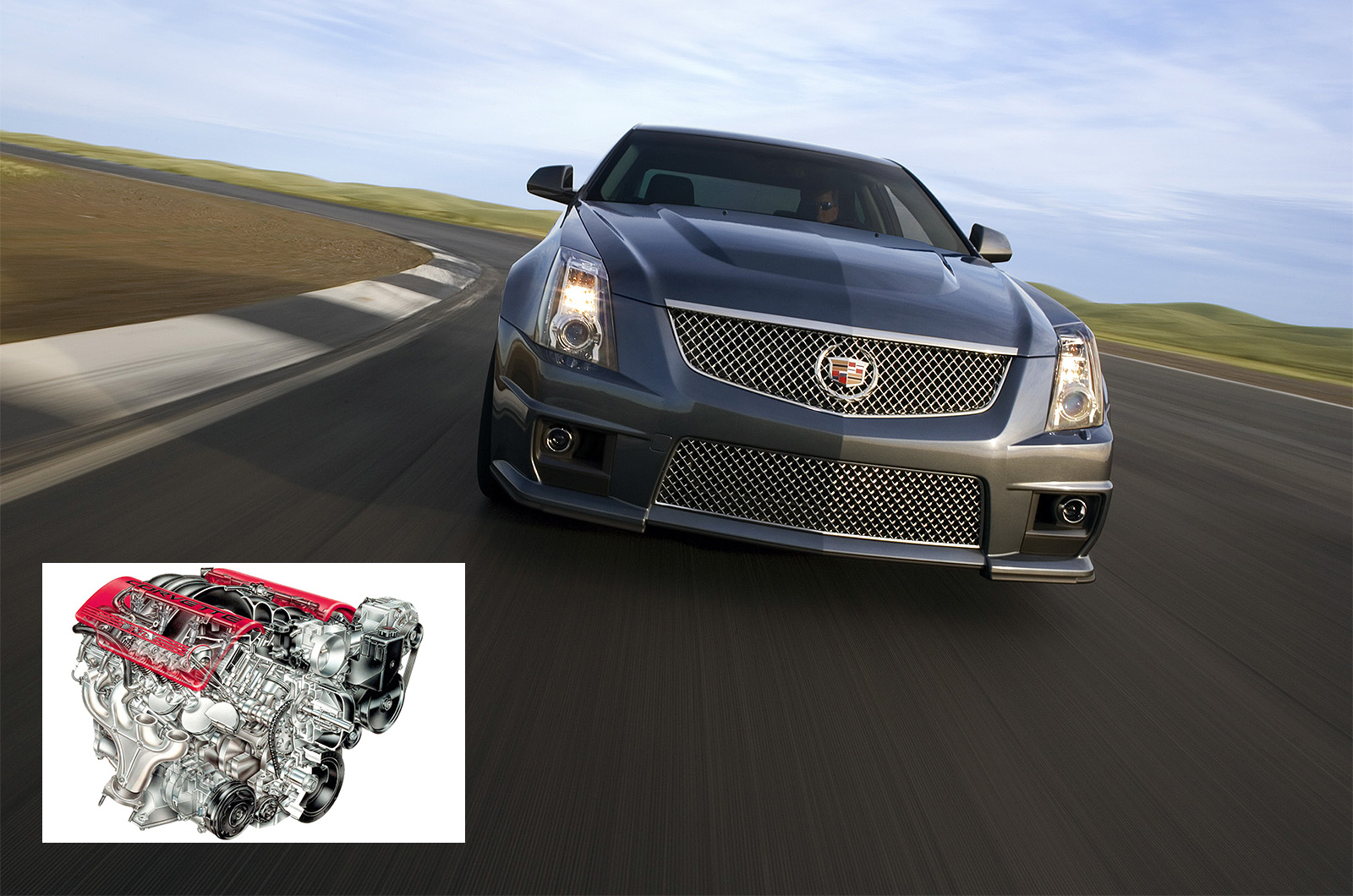
We've already had one GM small-block V8 and here's another, although the two aren't related. The LS6 was based on the LS1 that arrived in 1997 to power the Corvette C5. This unit was then developed into the more powerful LS6 specifically for the Corvette Z06, although it would also find its way into the Cadillac CTS-V (pictured). Initially rated at 385bhp from 5.7 litres, power rose to 405bhp before the LS7 took over in 2006.
VW Group W12 (2001)
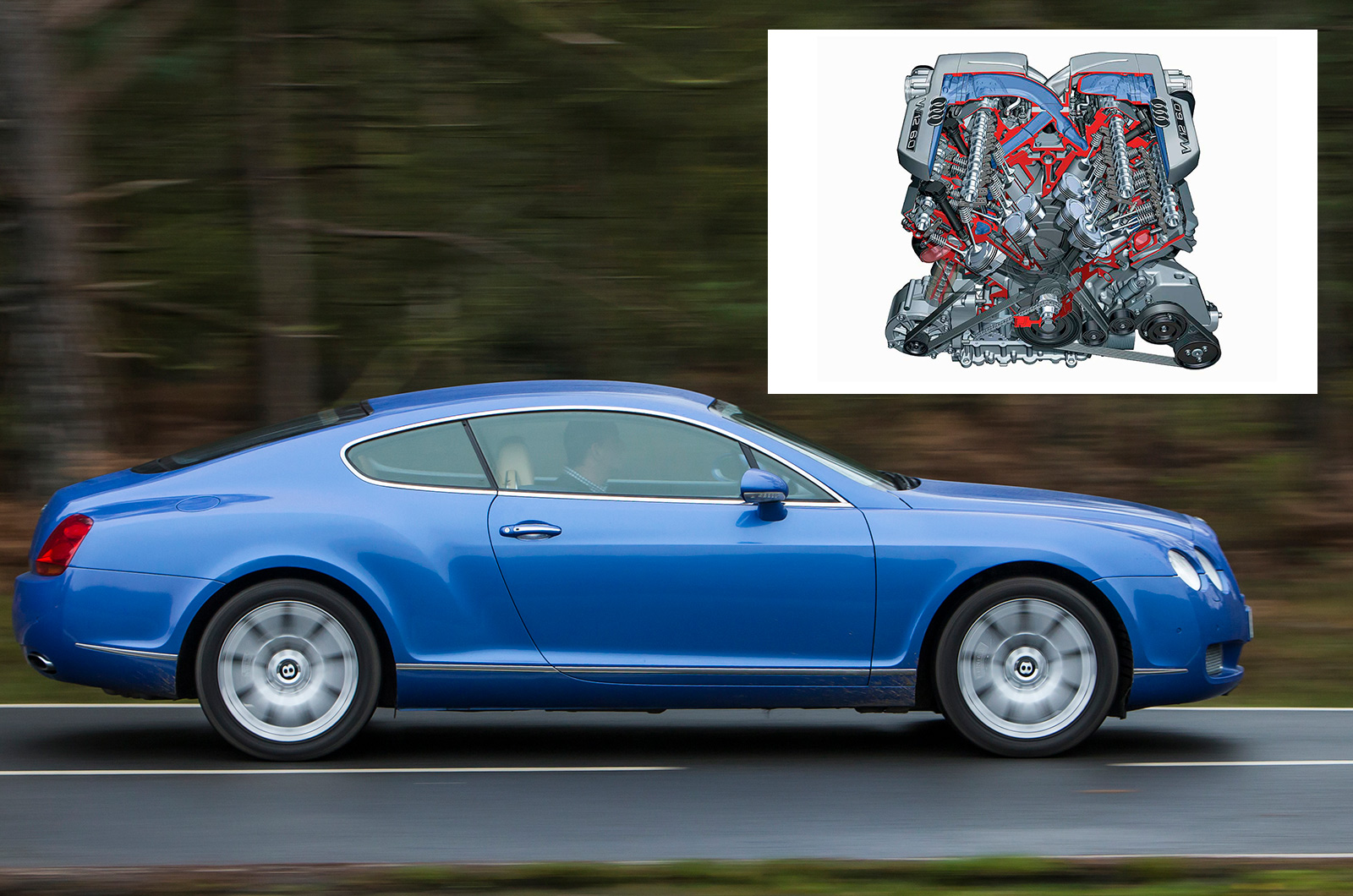
When it comes to weird engine configurations, the Volkswagen Group is the master. It's produced the narrow-angle VR6, a V5, the W8 and in the Bugatti Veyron/Chiron there's been a W16. Only slightly less mad than that is the W12 which was created by mating a pair of VR6 powerplants to come up with a 6.0-litre unit. First seen in the 2001 W12 coupé concept, that year also saw the first production car application: the Audi A8. The W12 engine would go on to be fitted to the Bentley Continental GT (pictured) as well as Volkswagen's Touareg and Phaeton, the Audi A8 and a pair of Spyker supercars. Smooth and powerful, production of the W12 ended in April 2024.
Volkswagen V10 TDI (2002)
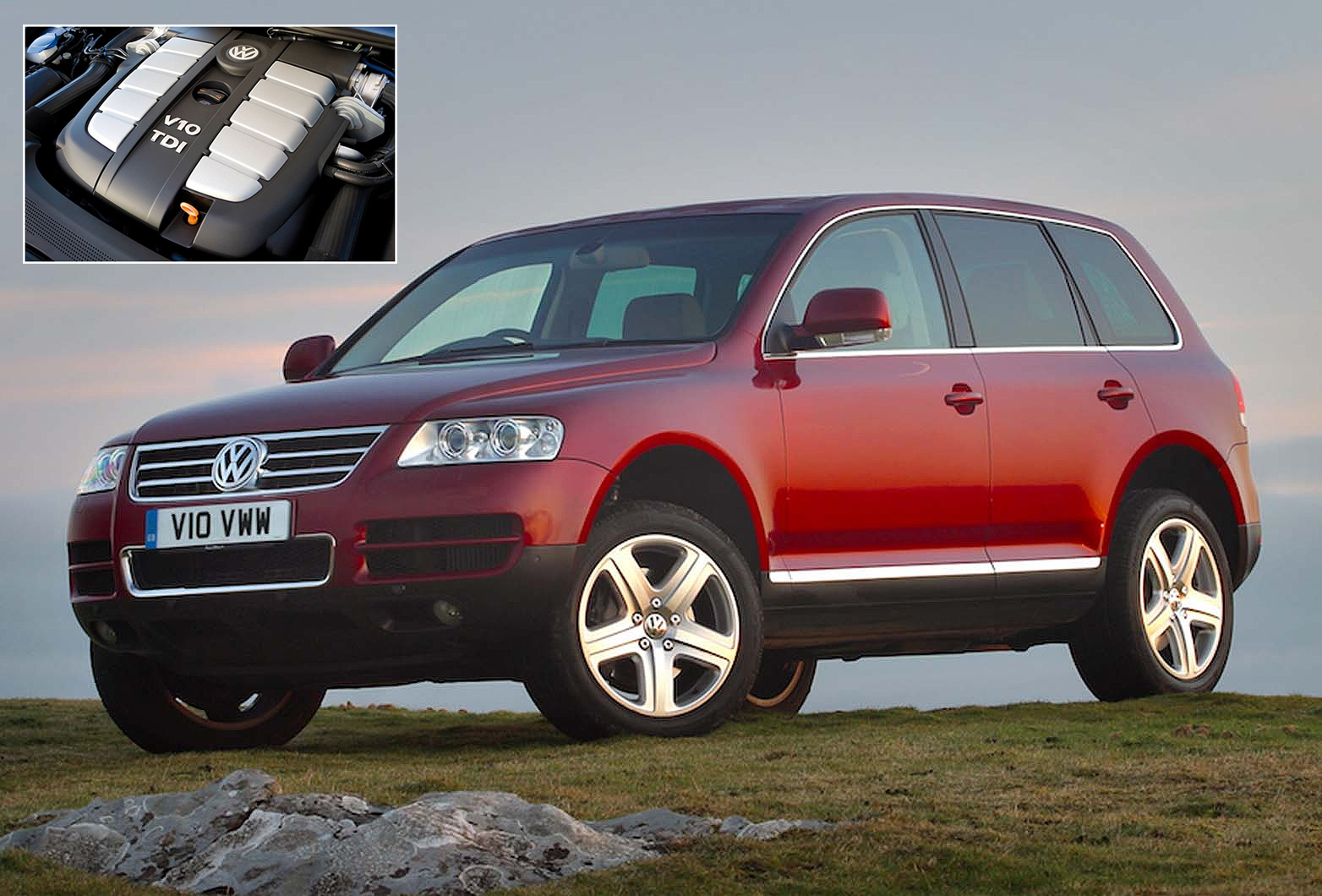
Fitted only to the Touareg and Phaeton, the Volkswagen 5.0-litre 10-cylinder diesel engine was a beast of a powerplant with its minimum of 553lb ft of torque – in the Touareg R50 (pictured) this was boosted to a mammoth 627lb ft. Production ran from 2002 until 2009 and because the cost of building these engines was so high, few cars were ever sold with one fitted.
Honda i-CTDi (2003)
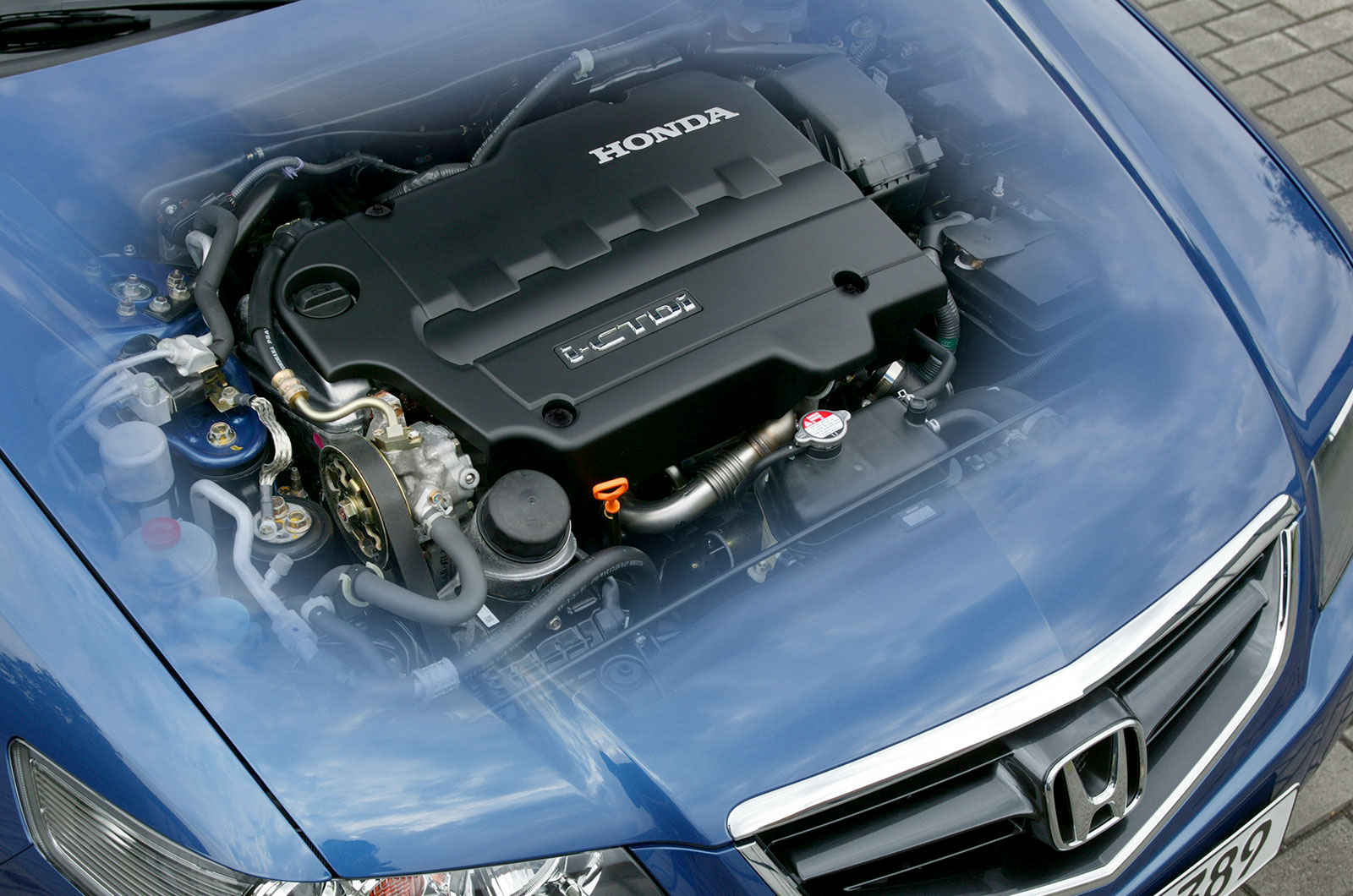
For years Honda vowed that it would never make its own diesel engine, but it finally relented in 2003 when it introduced a 2.2-litre all-aluminium oil-burner for the Accord. And what a smooth masterpiece it was! With a much lower compression ratio than normal, of 16.0:1, the N series engine was also far quieter and cleaner than rivals, while that alloy construction ensured it was lighter too.
Mazda Renesis (2003)
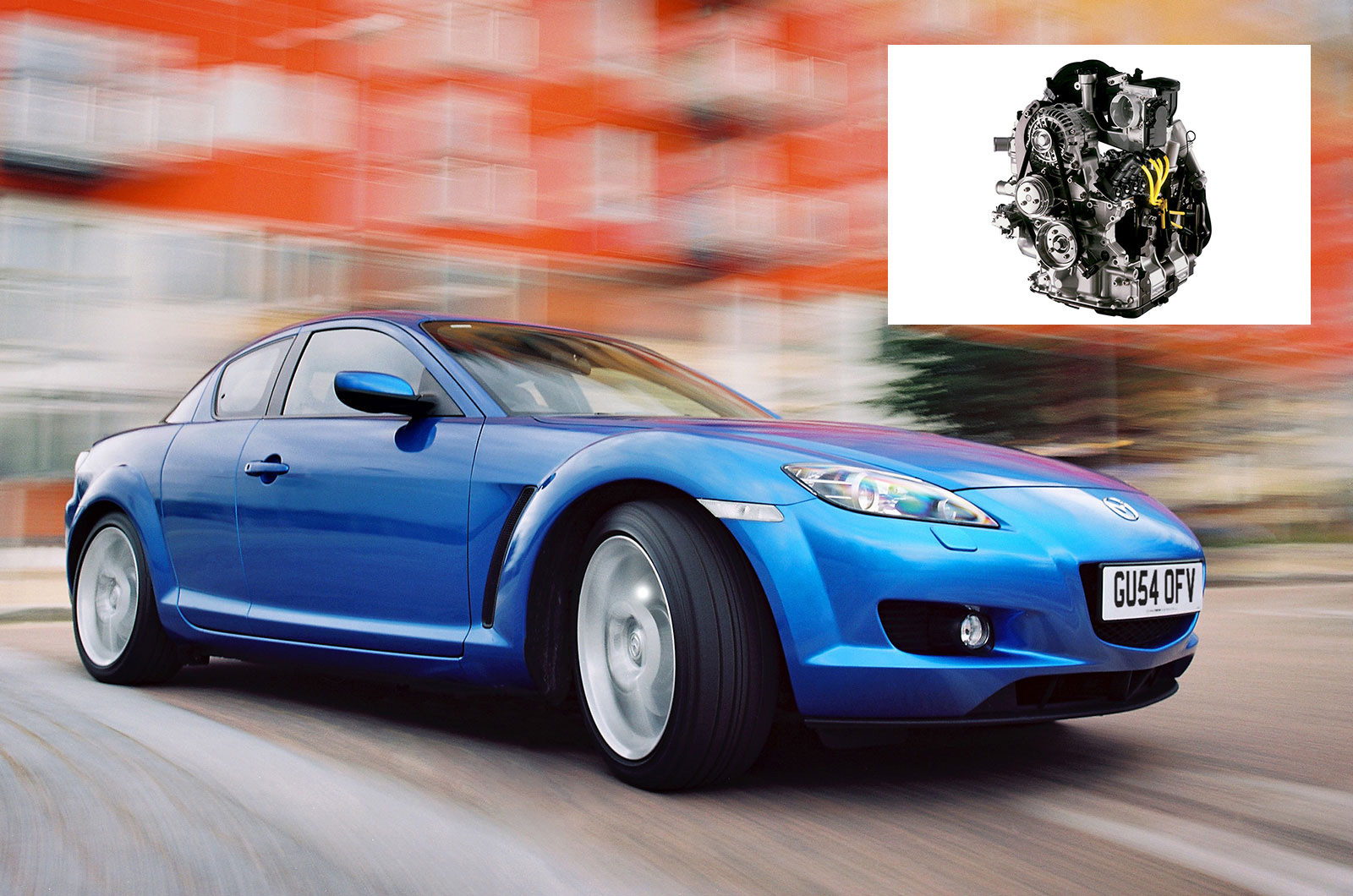
Decades after everybody else had given up on rotary power, Mazda was still persisting with it in its brilliant RX-8 (pictured). The company largely overcame the reliability problems (up to a point), but it couldn't fix the poor fuel economy or the appetite for oil. The Renesis engine also lacked torque but we've included it here because it was light, compact, and brilliantly smooth – plus Mazda should be applauded for doing something different.
VW Group 3.0 TDI (2004)
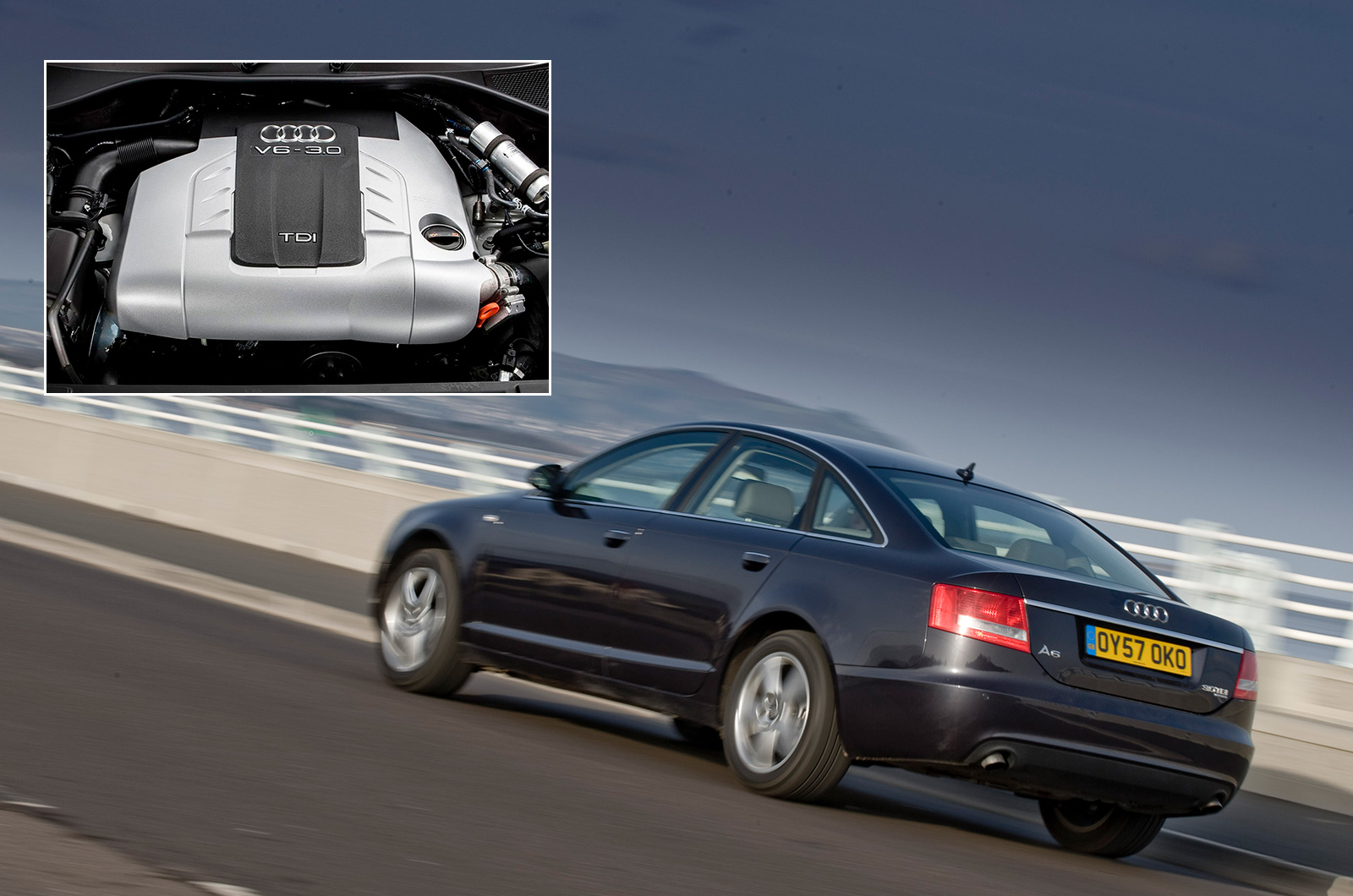
You've probably spotted that there aren't many diesel engines in this list, not because we don't rate them but because some have been squeezed out by petrol units that we love – or that we think are more significant. One that couldn't be omitted was this jewel of a V6 engine that was first used in the Audi A8 and which went on to be fitted to the A4, A6, Touareg, Phaeton and more. Smooth, frugal and fabulously muscular it really was a landmark engine.
BMW V10 (2005)
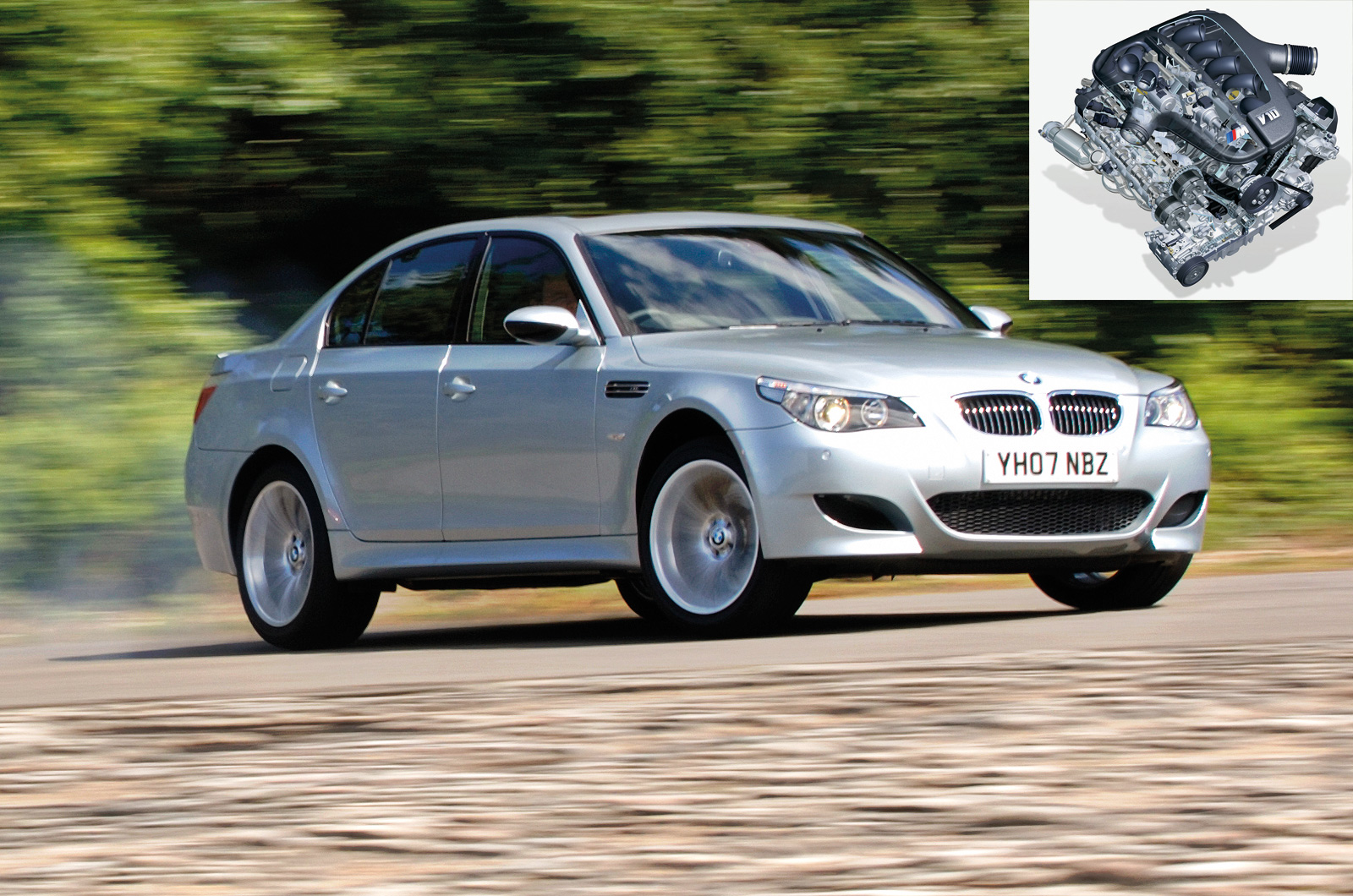
Aside from the occasional V12 luxury car, the maximum number of cylinders in most sports cars and GTs is eight – so BMW had to go two better with its V10. Codenamed S85 and seen in the E60 M5 (pictured)as well as the E63 M6, the V10 was thirsty and could self-destruct if not mollycoddled, but when it comes to epic soundtracks and phenomenal power delivery this was an intoxicating powerplant, no question.
Bugatti Veyron (2005)
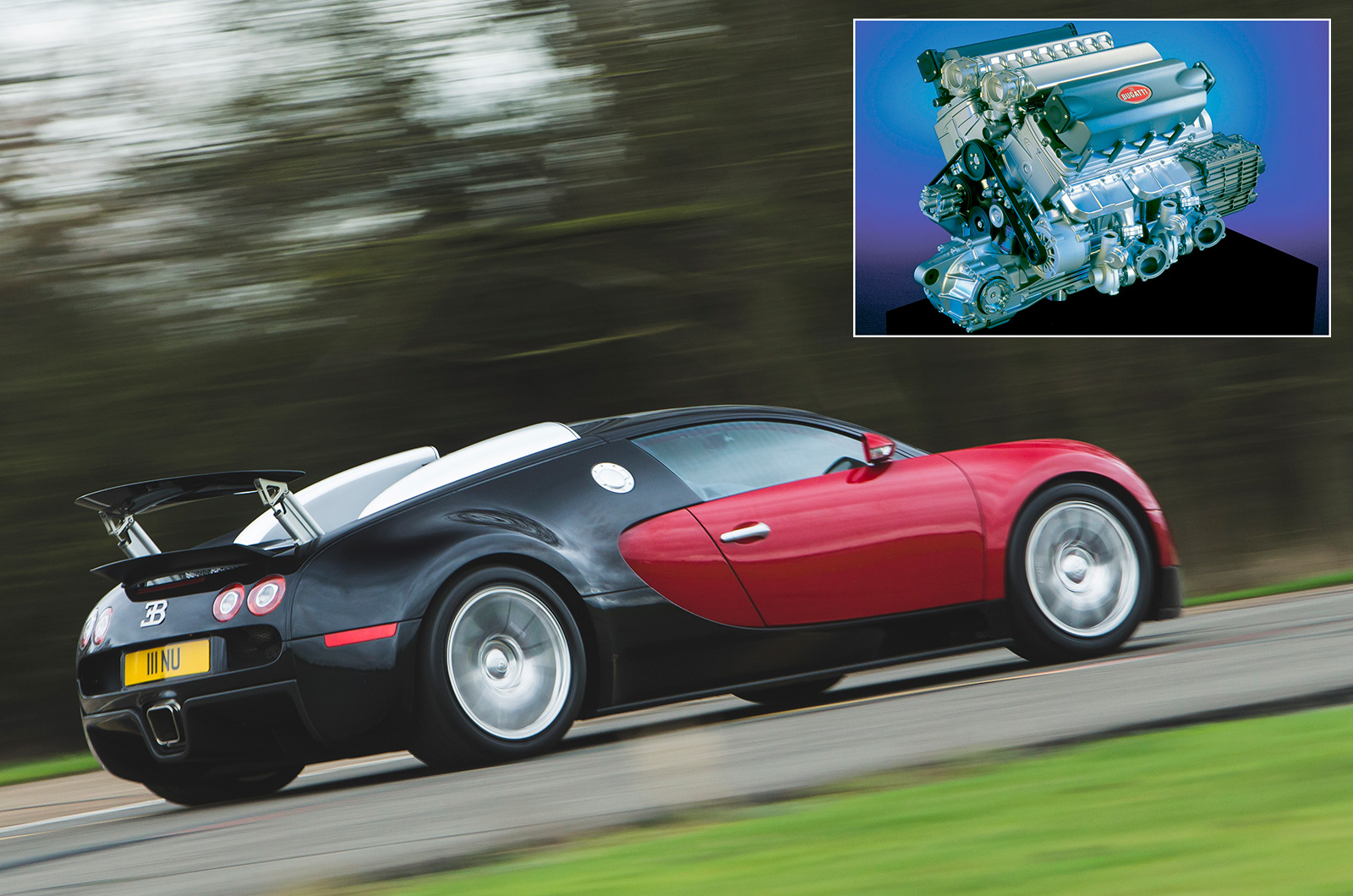
Any engine that features 16 cylinders and four turbos has to be worthy of inclusion here, just because it's such a ridiculously over the top concept. The first Veyrons packed a 987bhp punch, but owners clearly felt embarrassed by such a trivial number which is why Bugatti turned up the wick in 2010 with the introduction of the 1184bhp Veyron Super Sport.
Audi V12 TDI (2006)
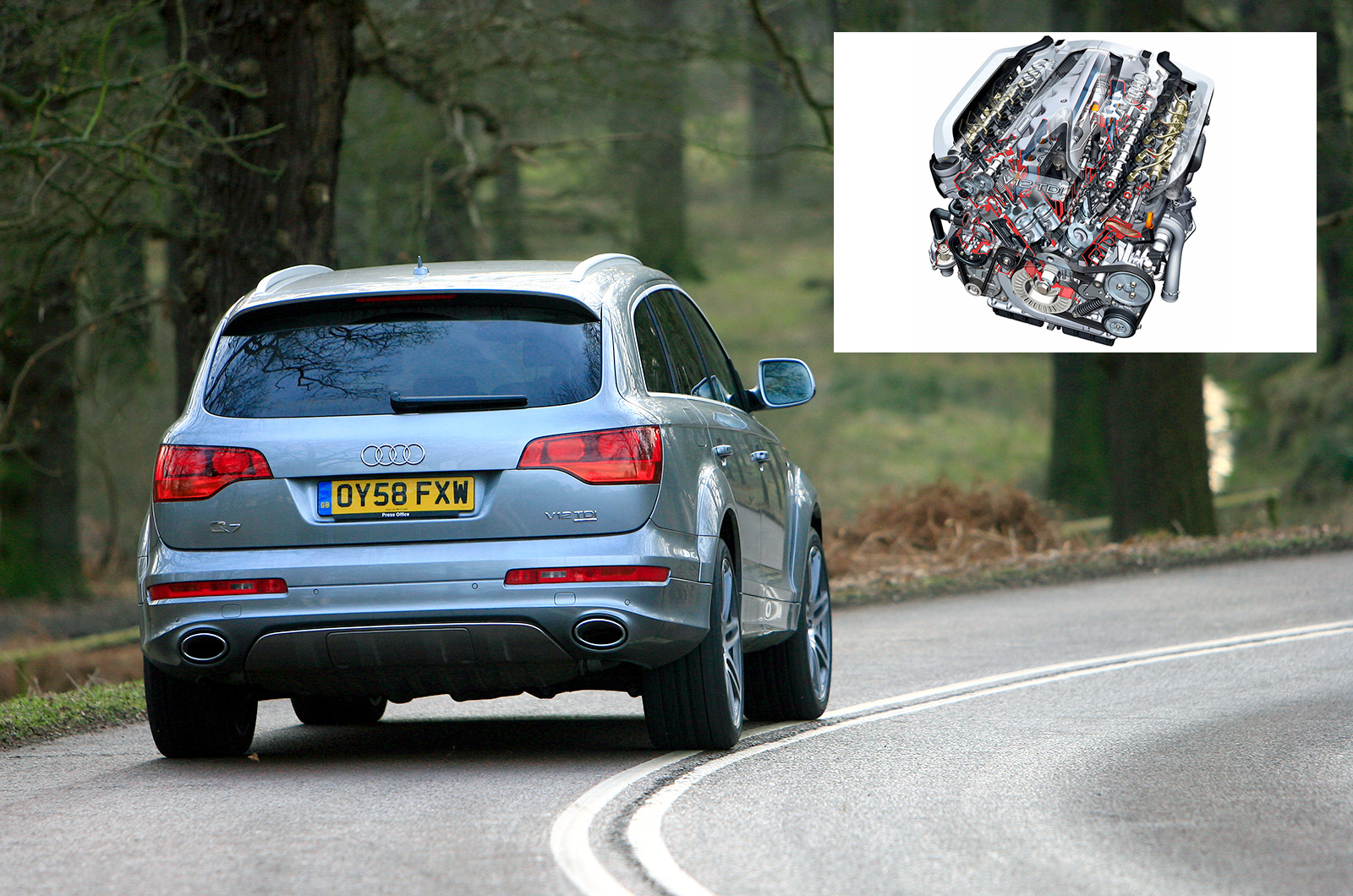
Admittedly Audi's 12-cylinder diesel engine proved to be something of a cul de sac – but we still salute the company for doing something quite so bonkers. Developed by quattro GMBH, Audi's in-house performance division, the V12 TDI engine displaced six litres and was used in the Le Mans-winning R15 TDI – and it was fitted to a handful of Q7s too. Rated at 473bhp and 737lb ft of torque (the latter from just 1750rpm), this monstrous SUV could do 0-62mph in just 5.5 seconds and achieve 23.7mpg on the combined cycle.
Audi RS4 (2006)
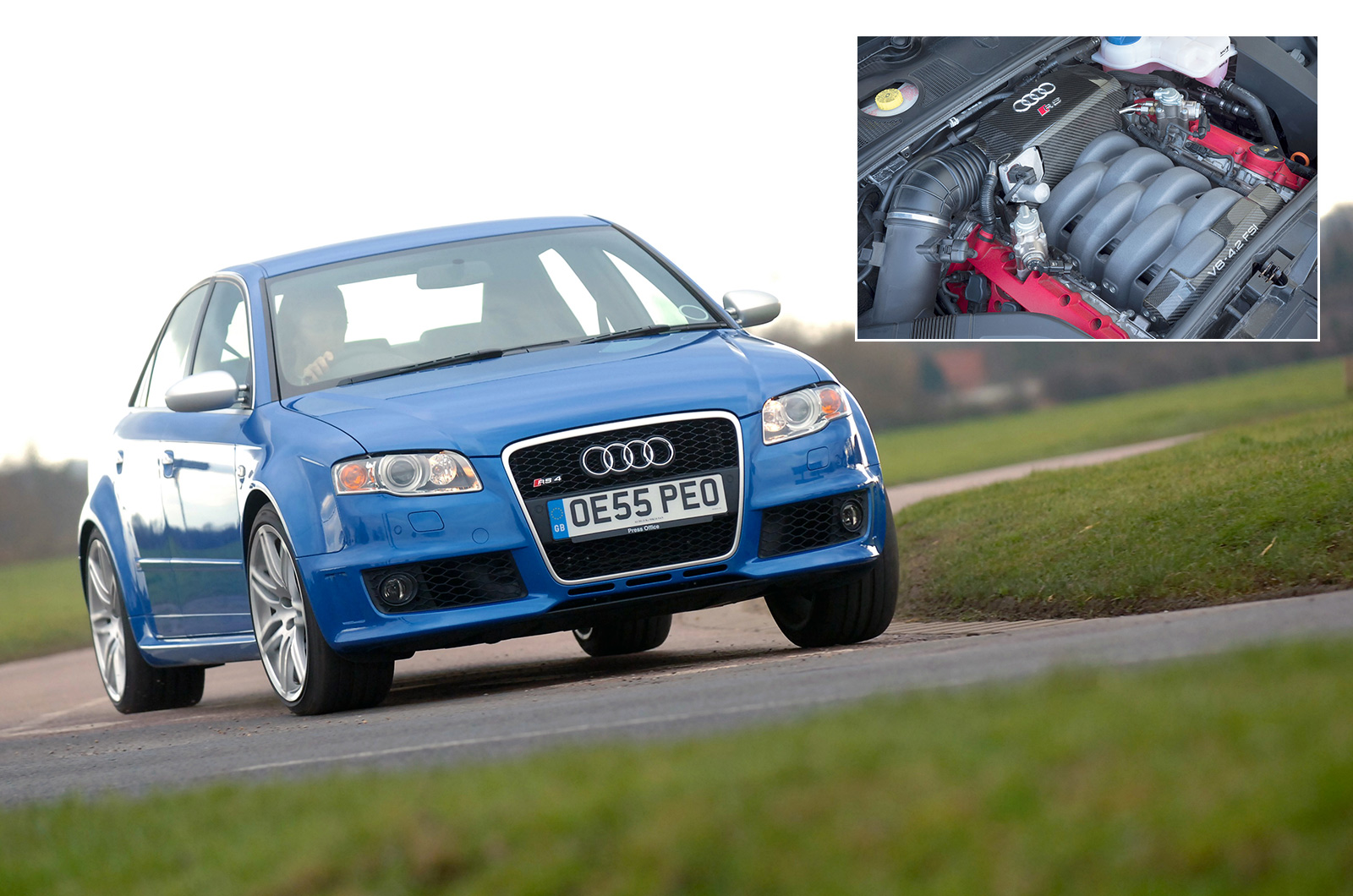
The original Audi RS4 was a twin-turbo V6 affair and it was okay as far as practical performance cars go. But it was the second take on the formula that really got us foaming at the mouth, because the B7-based RS4 featured a naturally aspirated 4.2-litre V8 that was nothing less than stunning with its power delivery and soundtrack. Capable of revving to a lovely 8250rpm, the RS4's engine was rated at 414bhp which was sent to all four wheels via Audi's quattro transmission.
Fiat TwinAir (2010)
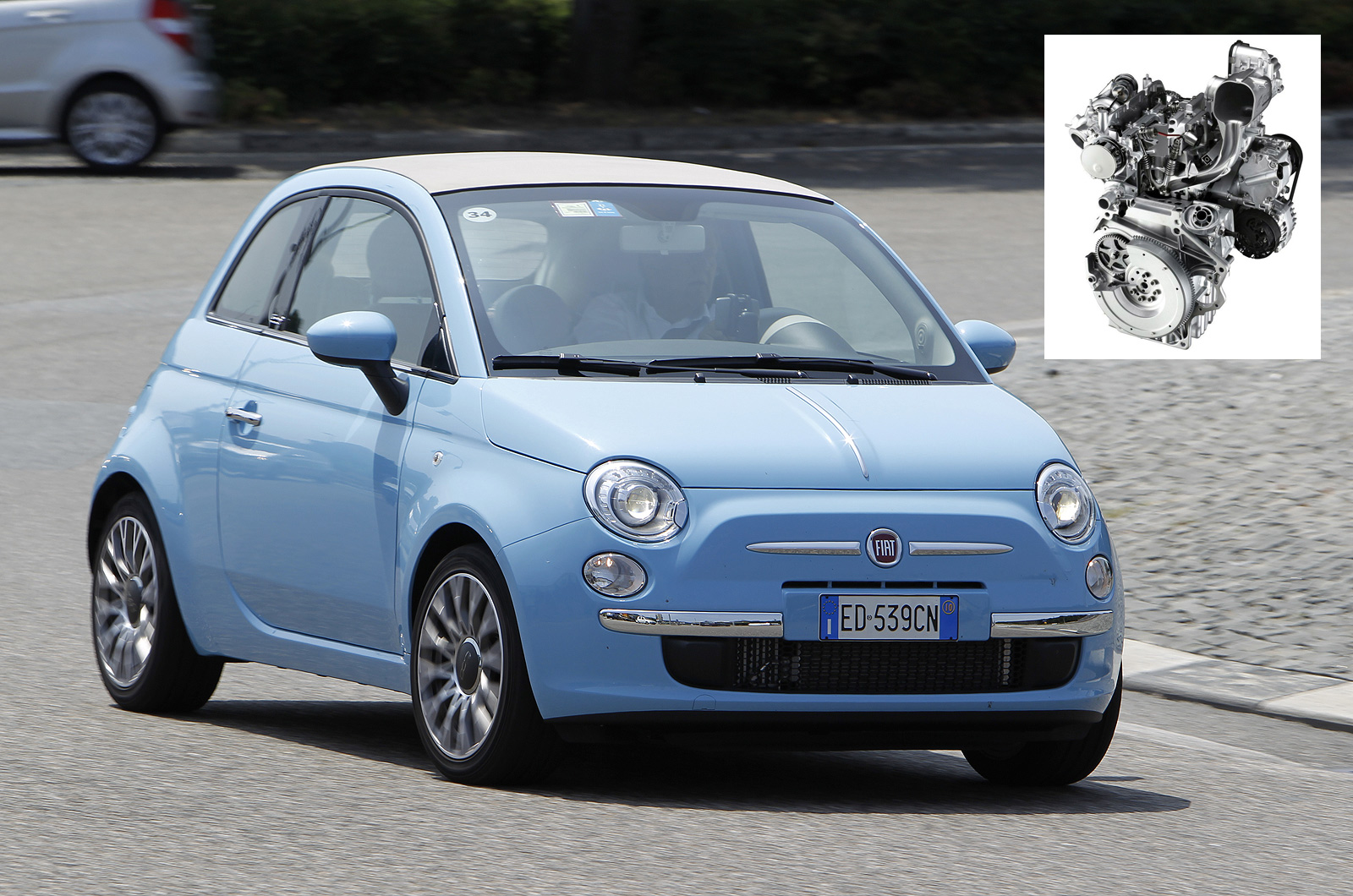
We were a bit hesitant about including this one. After all, the TwinAir unit is an 875cc two-cylinder turbocharged powerplant that often struggles to return more than 35mpg when fitted to the Punto, Panda or 500. But the fact that the TwinAir engine has so much character and plenty of pep are both cause for celebration, so what the hell…
Ford 1.0 Ecoboost (2012)
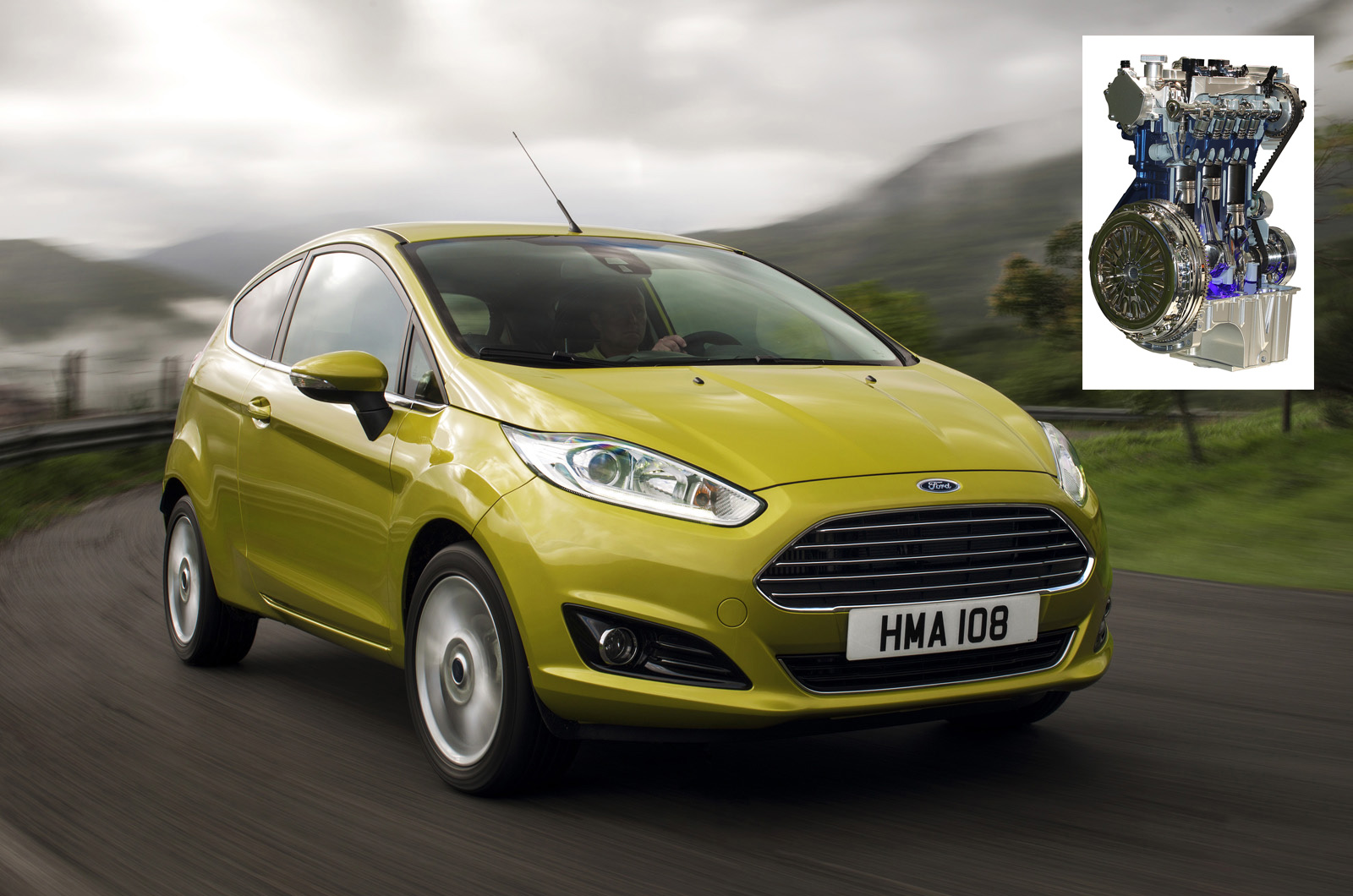
In a bid to boost efficiency, car makers have put a raft of turbocharged 1.0-litre three-cylinder petrol engines into production, and one of the first was Ford's Ecoboost unit, used first in the Fiesta (pictured). Compact, light, smooth and fabulously zesty, the Ecoboost engine can also be brilliantly frugal if it isn't maxed at every opportunity – which it's very easy to do as it comes with an engine thrum that puts many four-cylinder units to shame.
Ferrari V8 (2014)
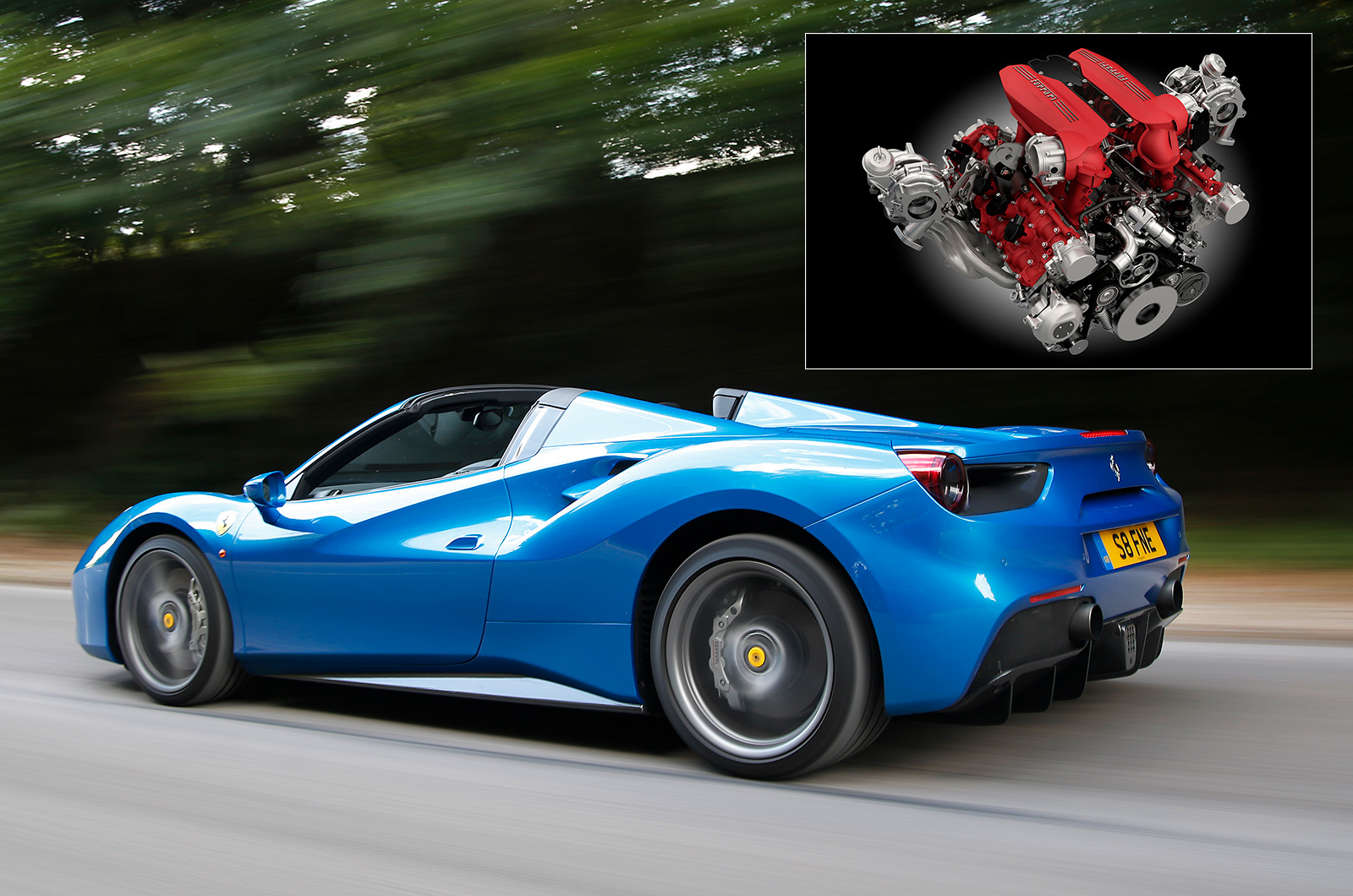
Ferrari hasn't always made the best-looking or sweetest-handling cars, although its hit rate tends to be rather higher than rivals can manage. Where it has managed to be astonishingly successful is with its engines, which have tended to offer sparkling performance with a scintillating soundtrack. That's definitely true of the F154 twin-turbo V8 that arrived in 2014. Drive a 488 (488 Spider pictured) or F8 and this engine will show you that naturally aspirated isn't necessarily best, with its incredible flexibility and phenomenal punch from barely above idle.
Mercedes-AMG V8 (2015)
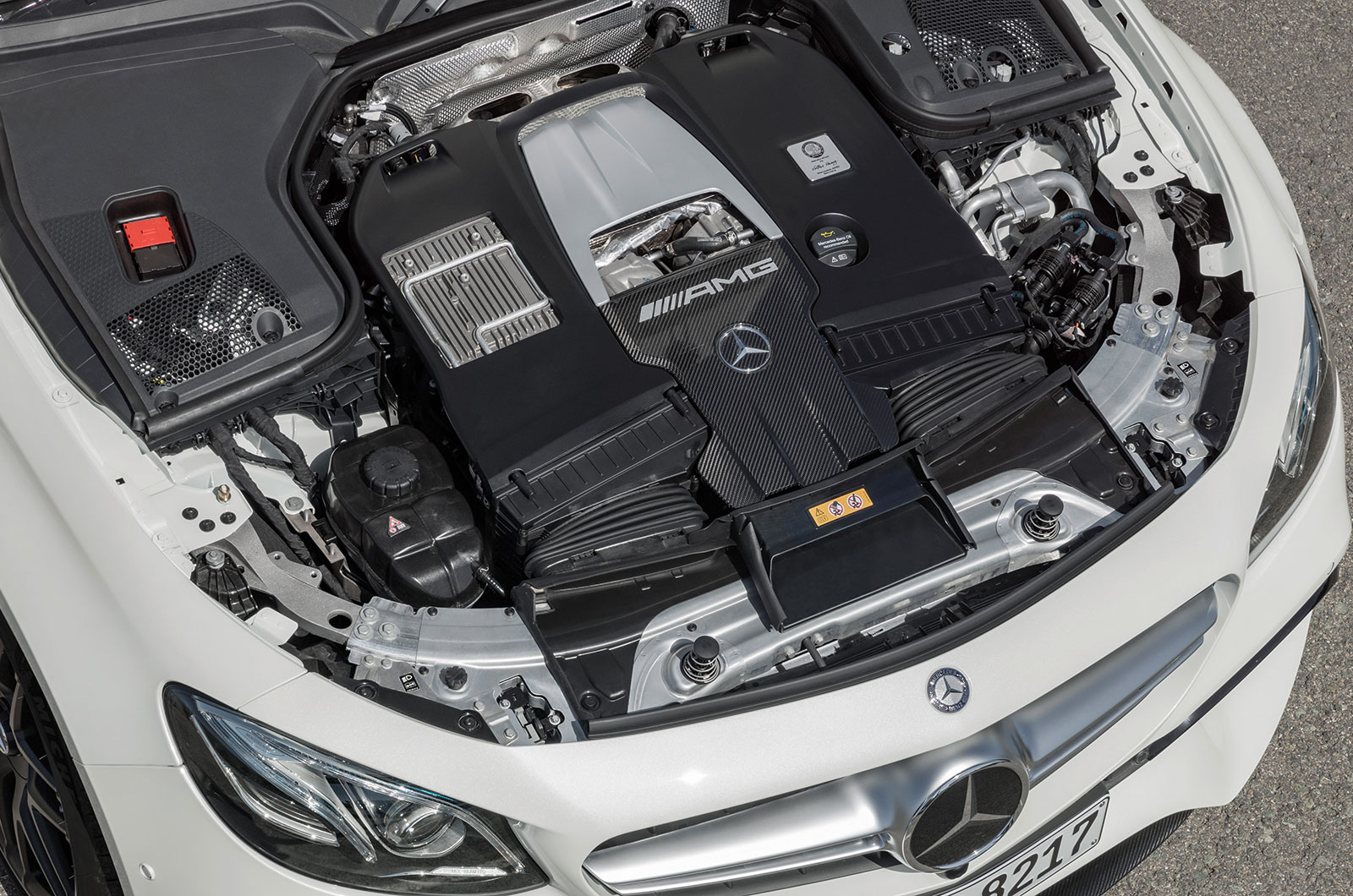
Mercedes has produced some epic naturally aspirated V8 engines over the years, and we could have picked pretty much any one of them for inclusion here. But instead of a non-boosted 6.2-litre unit we've opted for the current twin-turbo 4.0-litre unit because it's just so damned accomplished. It's flexible, tractable, stupendously powerful yet ultra-clean too. Its predecessors might be impressive but the M176 V8 proves that the fun needn't be over just because of modern emissions regulations.
If you enjoyed this story, please click the Follow button above to see more like it from Autocar

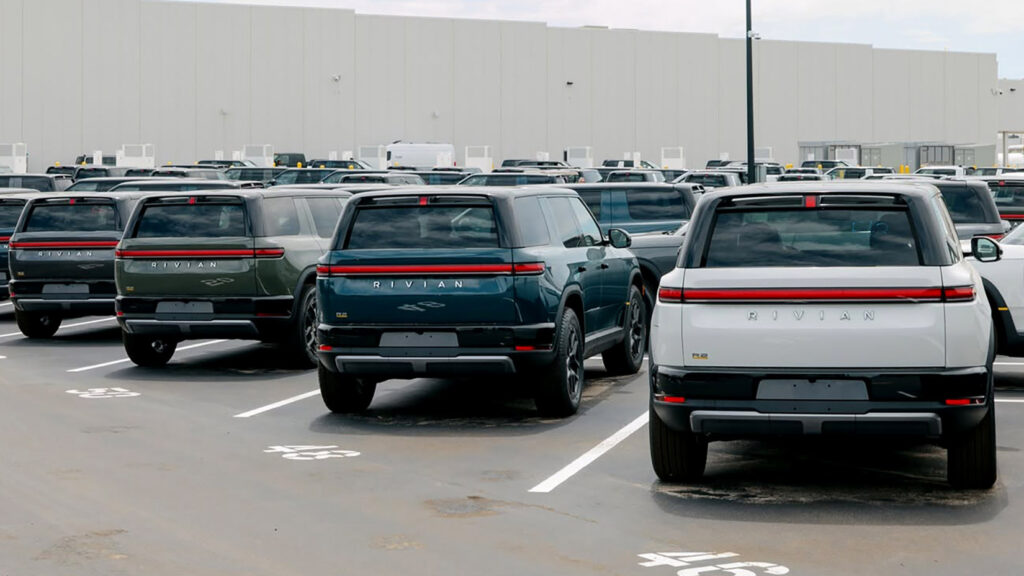
Rivian Restructures Workforce as R2 Launch Tests Path to Profitability

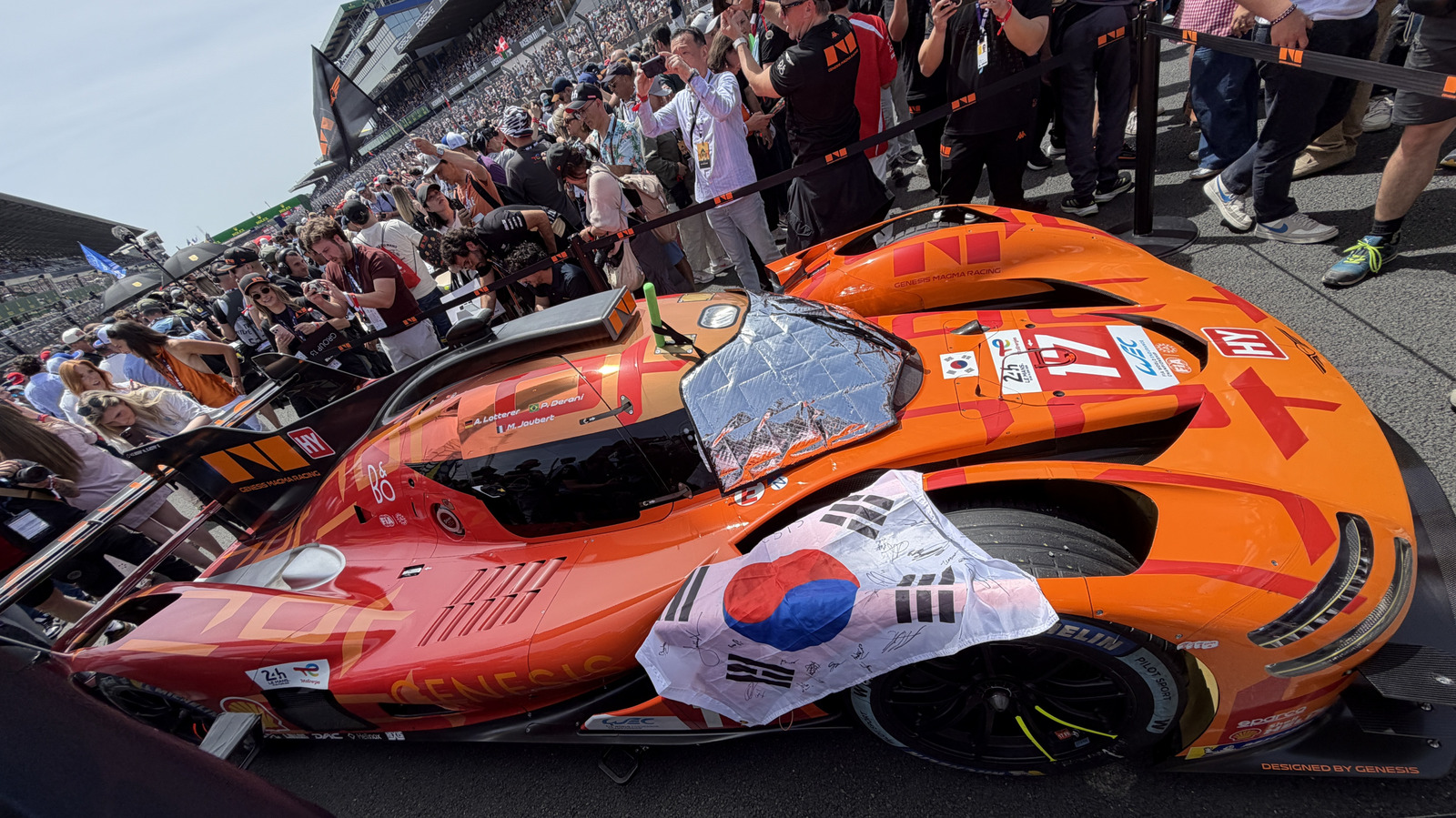
Genesis Magma Racing Signals Ambition with Determined Finish at 2026 Le Mans

Prostate Cancer Diagnosis Spurs Jeremy Clarkson to Spotlight Early Detection and Uncertainty


Smallest Cars as Brand Milestones How Minimal Dimensions Shaped Automotive Identity
 Do good things come in small packages? David Finlay investigates
Very occasionally a manufacturer devotes itself entirely to a single car, such as the Tucker 48 or the Clan Crusader.
There will usually be one model which is the smallest the company has ever made.
So let’s have a look at them. Here, in descending order of length – or ascending order of shortness, if you prefer – are the cars from 30 brands which had the least distance between their fronts and rears.
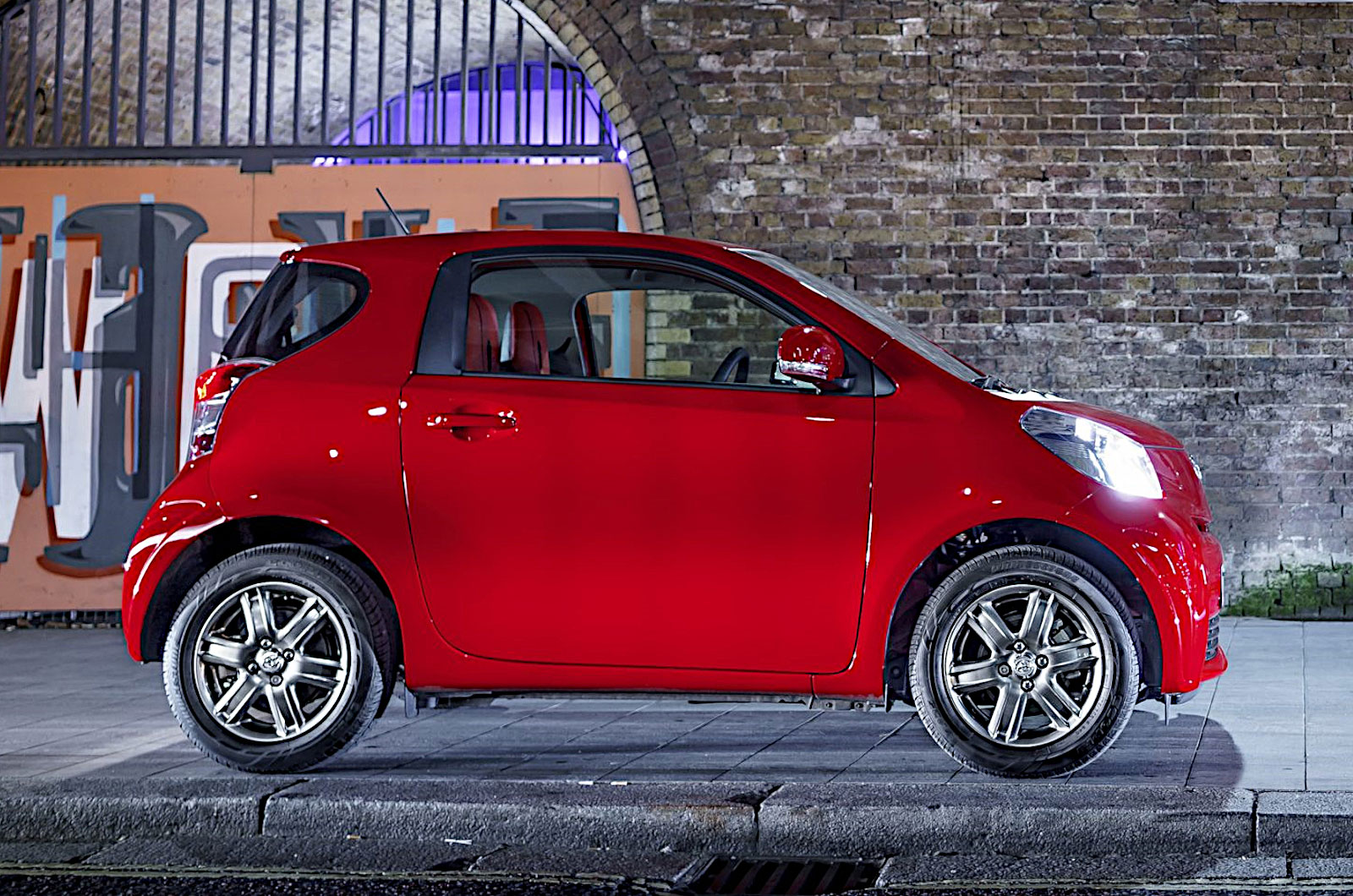
We’re including only passenger vehicles from brands which still exist today, though our first example involves one which is now a sub-brand within GMC.
Hummer H3
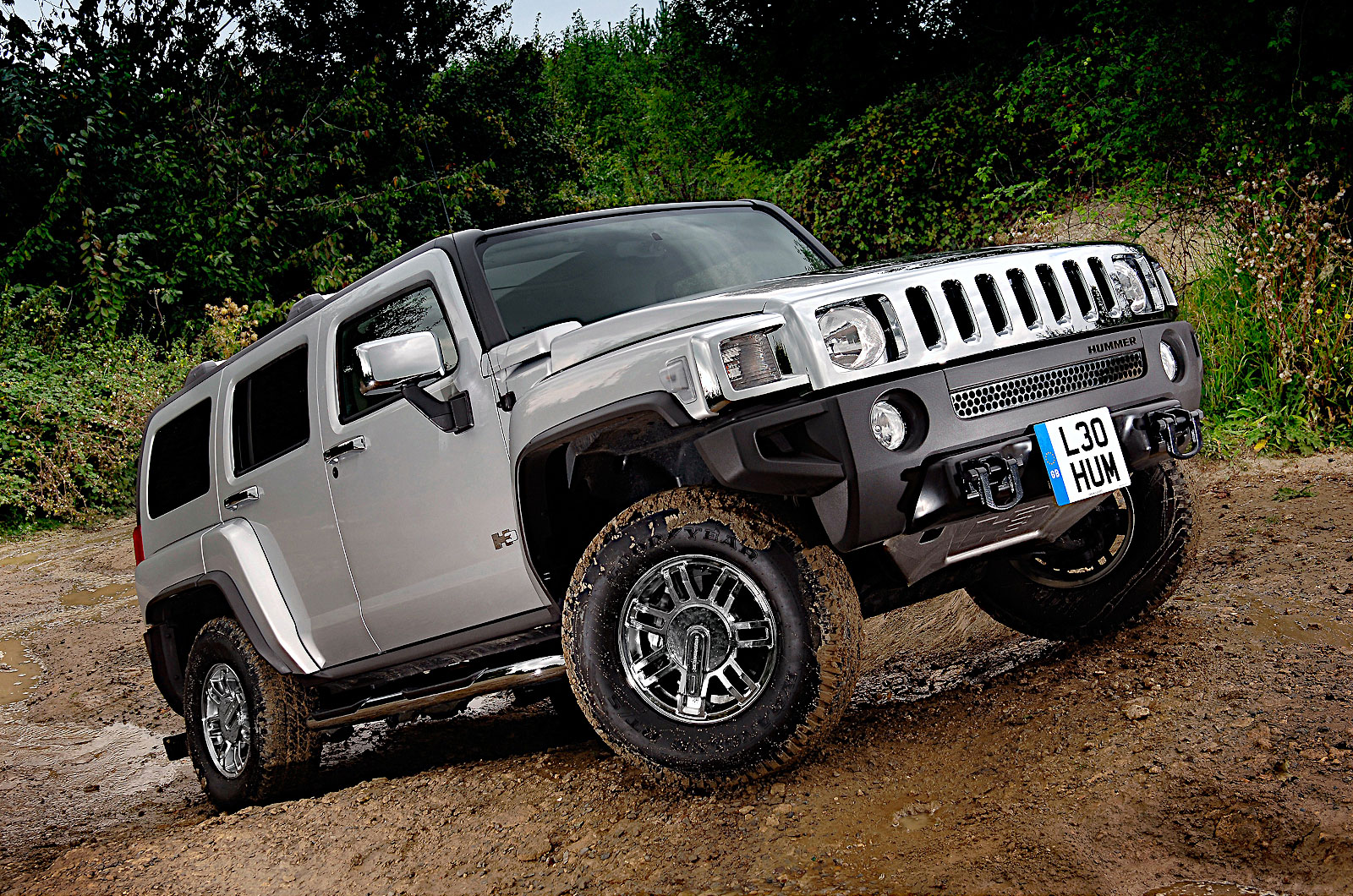
Hummer is renowned for producing very large vehicles, but since its portfolio includes several models it stands to reason that one of them must be shorter than the others.
That model is the H3, based on a similar platform to the one used for the Chevrolet Colorado and GMC Canyon pickup trucks. In SUV, rather than pickup, form, it measured 4782mm (188.3in), figures whose like you won’t be seeing again in this article.
DS 3
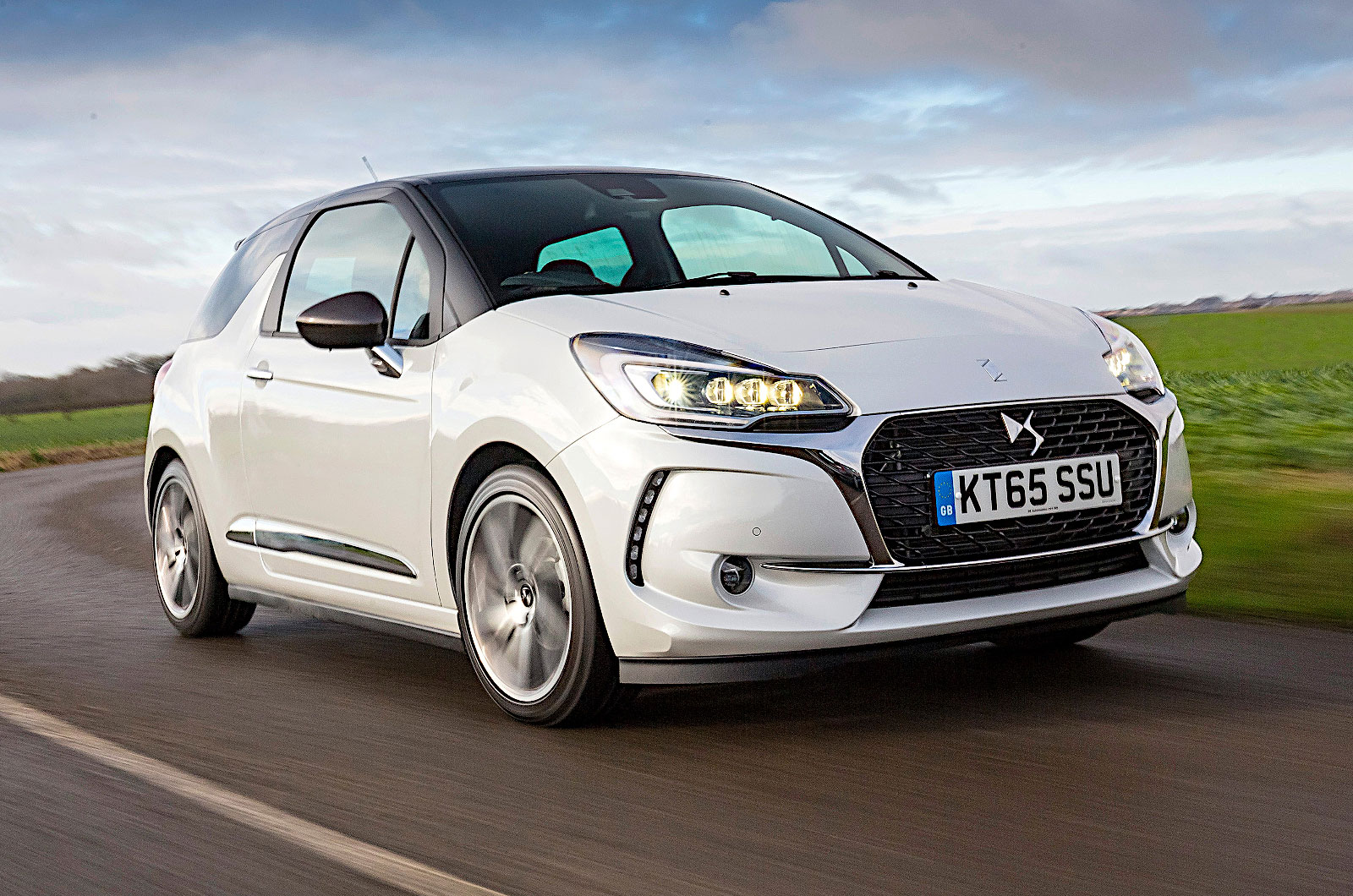
The DS 3 first appeared in 2010 as a premium variant of the Citroen C3. Six years later, the Citroen badge was dropped when DS Automobiles was established as a separate brand.
Several new DS models have been introduced since then, including a second-generation 3, but the first remains the shortest at 3948mm (155.4in).
Volvo 66
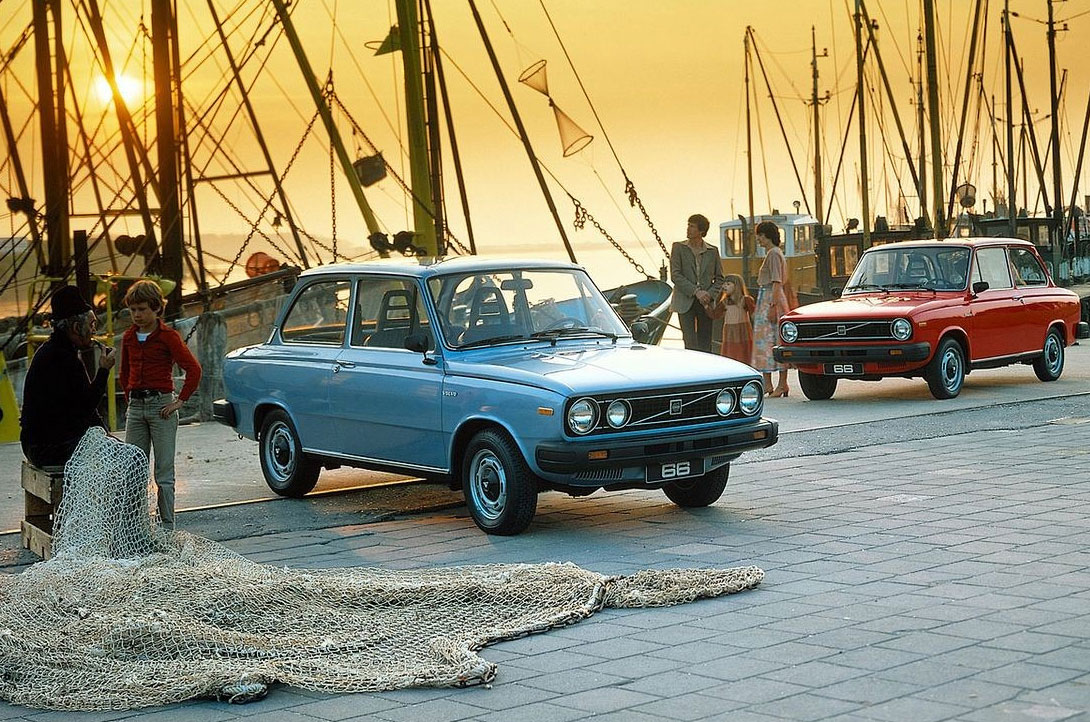
Volvo’s first car was the 1927 ÖV4, which measured 4150mm (163.4in). No shorter Volvo was produced until nearly half a century later. The later vehicle was a slightly reworked DAF 66, designed and manufactured by the Dutch Daf company, which Volvo bought in the mid 1970s.
Volvo made very few changes, retaining the little Renault engine and the then extremely unusual continuously variable transmission, but in the interests of safety it added larger front and rear bumpers, extending the car’s length by a few inches. Despite that, it became – and still is – the shortest ever Volvo, at 3900mm (153.5in).
Alfa Romeo Giulietta Spider
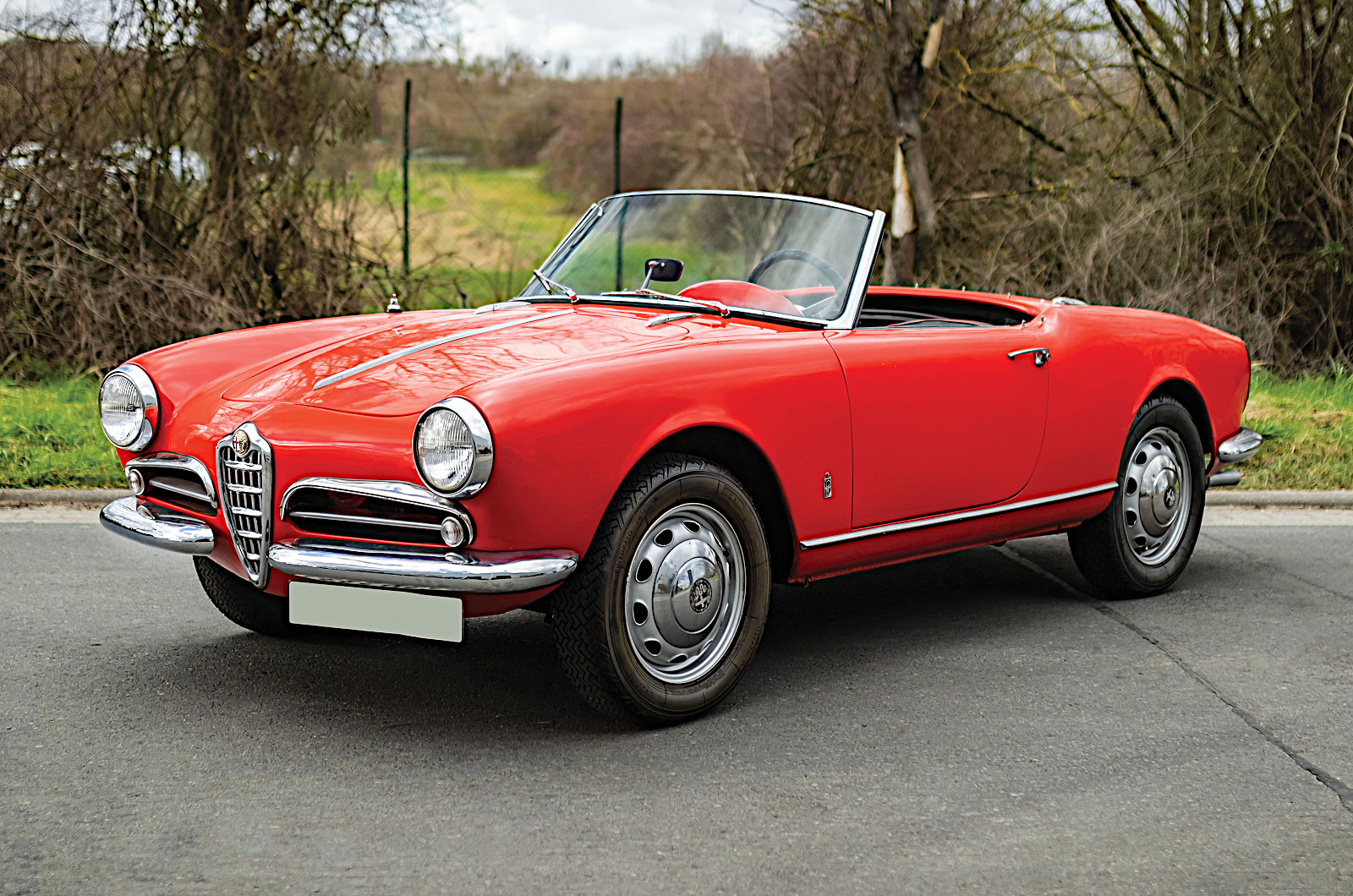
Although it’s relatively rare, a few Alfa Romeos measuring less than four metres have gone into production. These include the Alfasud, the much more recent 4C and a version of the Renault Dauphine built under licence.
Shorter than all of these, however, is the Spider version of the 1950s Giulietta. According to the Museo Storico Alfa Romeo in Arese, which owns one, it measures 3860mm (152.0in).
Chrysler Sunbeam
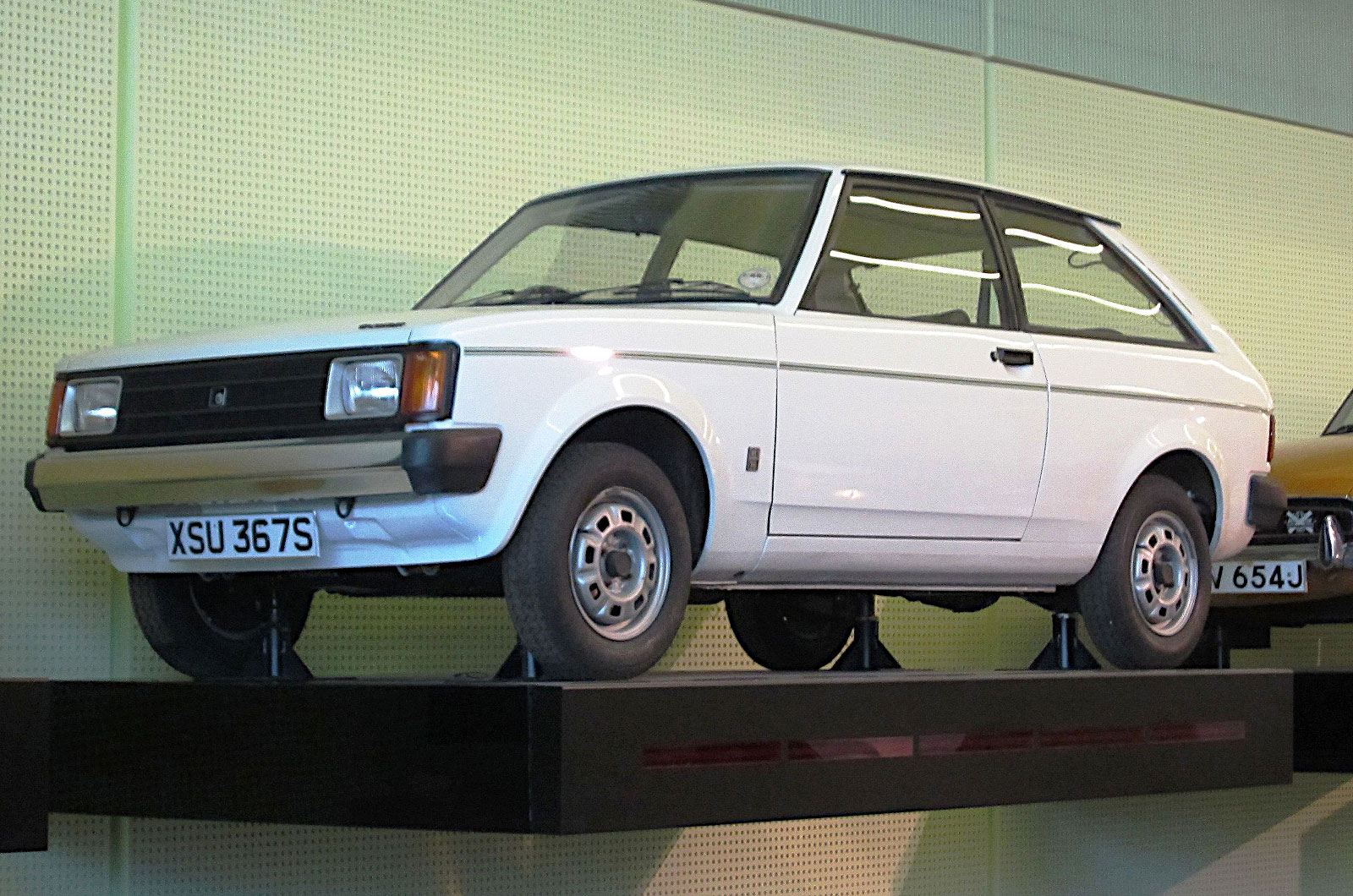
The smallest Chrysler-badged car was a UK model built by Chrysler Europe at the Linwood factory in Scotland from 1977 to 1981. Latterly badged as a Talbot, it was 3830mm (150.8in) long from bumper to bumper, a measurement which would be inconceivable for any Chrysler built in the US.
A still smaller Linwood-built car known variously as the Hillman Imp, Singer Chamois and Sunbeam Stiletto was sometimes referred to (including on the covers of workshop manuals) as the Chrysler Imp, but it does not appear to have been sold under that name.
Alpine A106
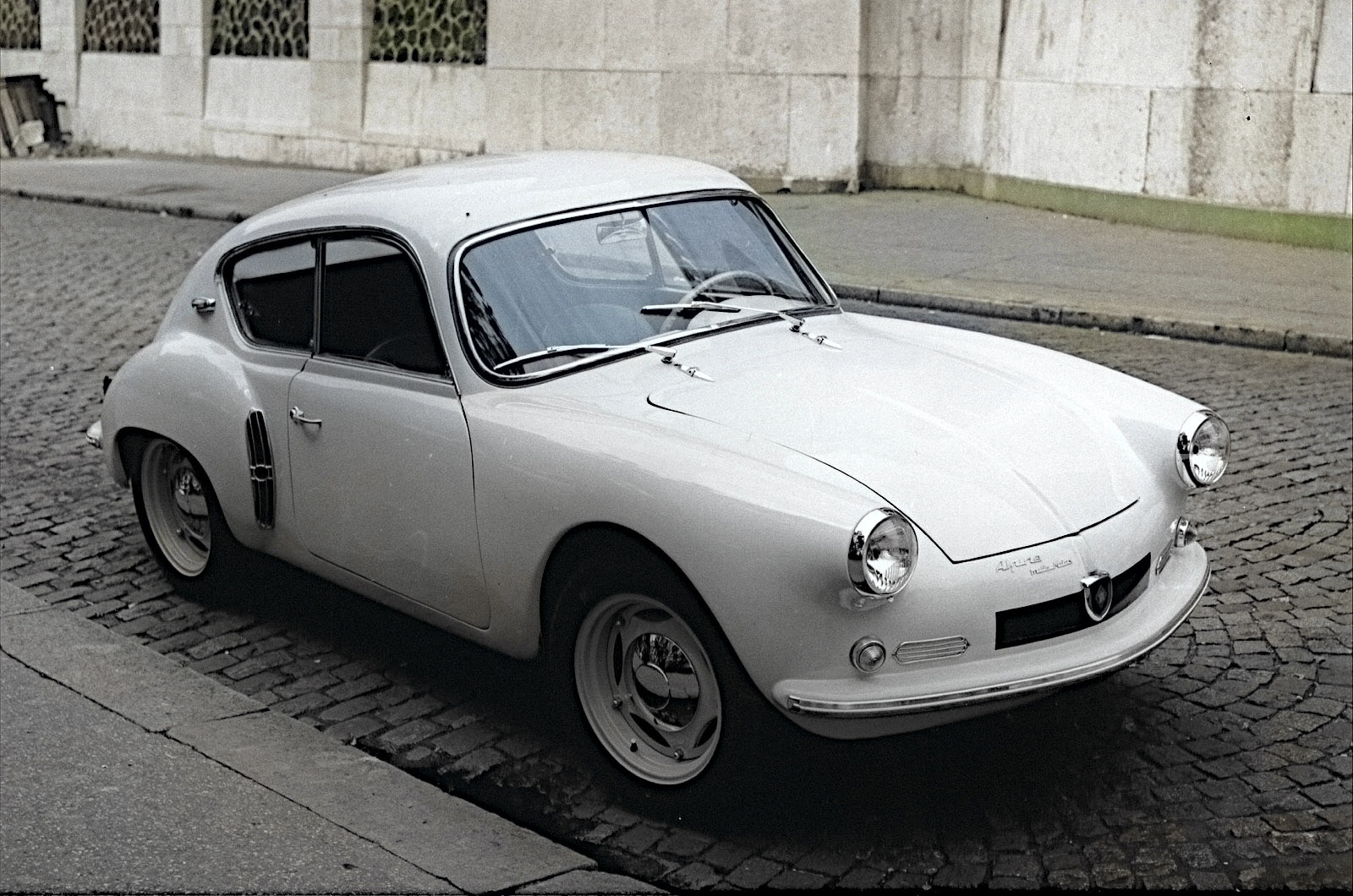
The first sports car produced by Dieppe Renault dealer Jean Rédélé (1922-2007) was manufactured using components from the Renault 4CV. There’s a limit to how large anything powered by a 750cc engine can be, and sure enough the A106 was notably petite at 3700mm (145.7in).
Alpine’s only current model, the A110, is small by modern standards, but at nearly 4.2 metres it dwarfs the much earlier A106.
Mercedes A-Class
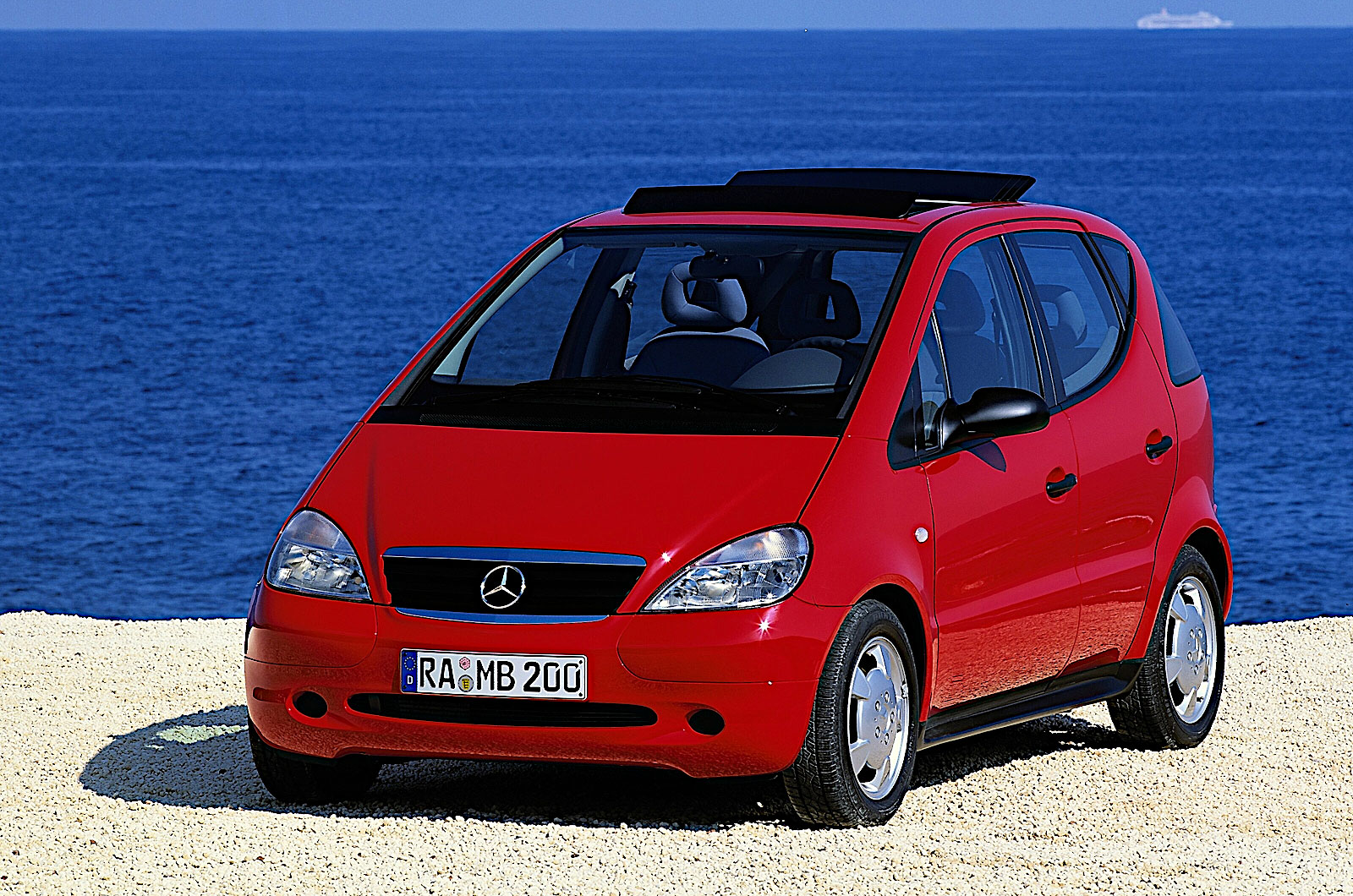
Today’s A-Class has almost nothing to do with the original model launched in 1997. This curious machine had a lot of interior space due to its height rather than its length, which was exceptionally modest for a Mercedes-badged car.
It started out at 3575mm (140.7in), but increased to 3606mm (142.0in) during a 2001 facelift. Even the long-wheelbase version was comfortably under four metres at 3776mm (148.7in).
Skoda Citigo
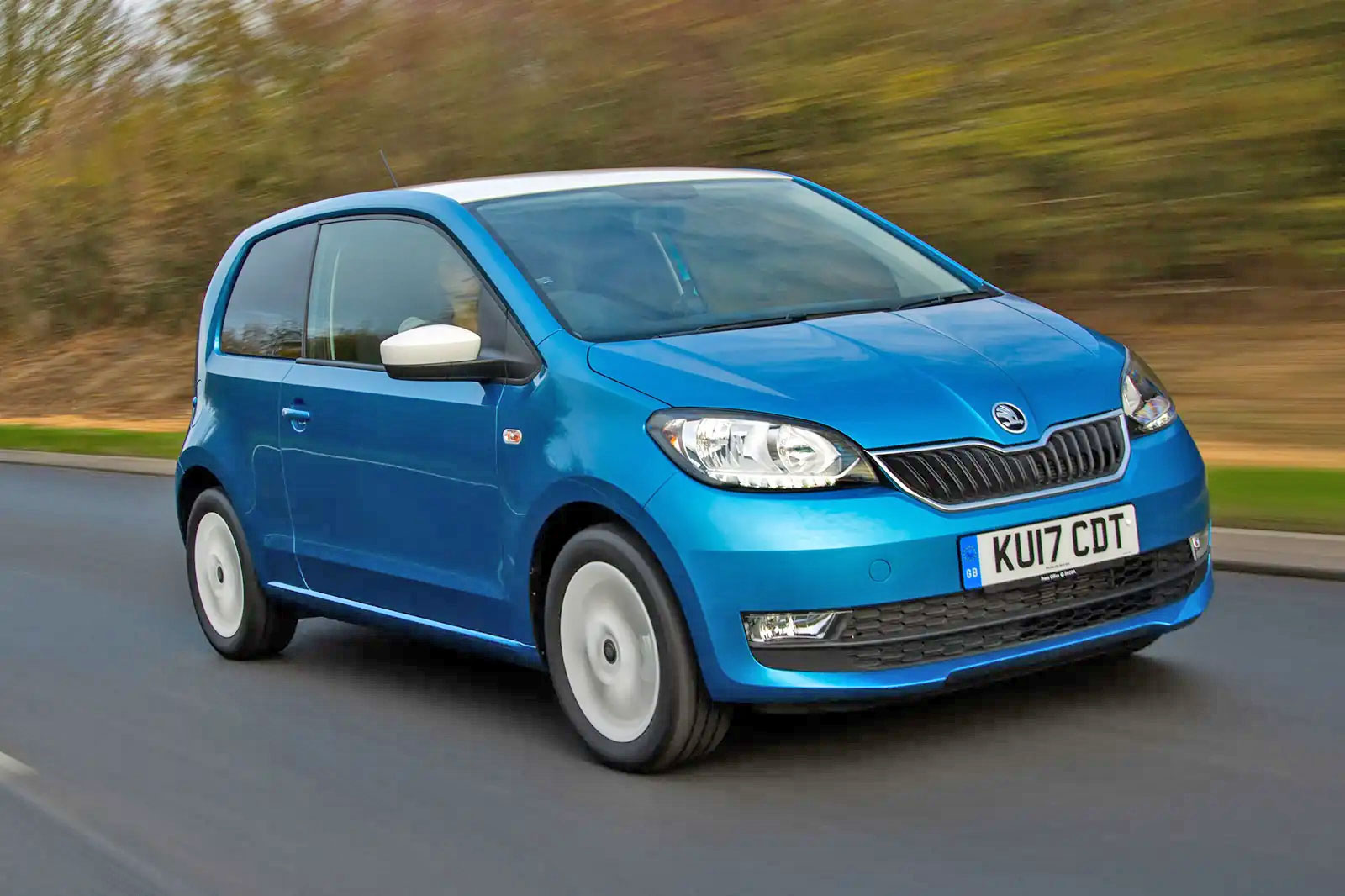
The Citigo was Skoda’s only city car to date, and measured just 3540mm (139.4in). It was almost exactly the same thing as two other small VW Group products, the Seat Mii and the Volkswagen up!. Of the trio, however, it was the only one which can be said to have been the shortest in the history of its brand.
Audi 50
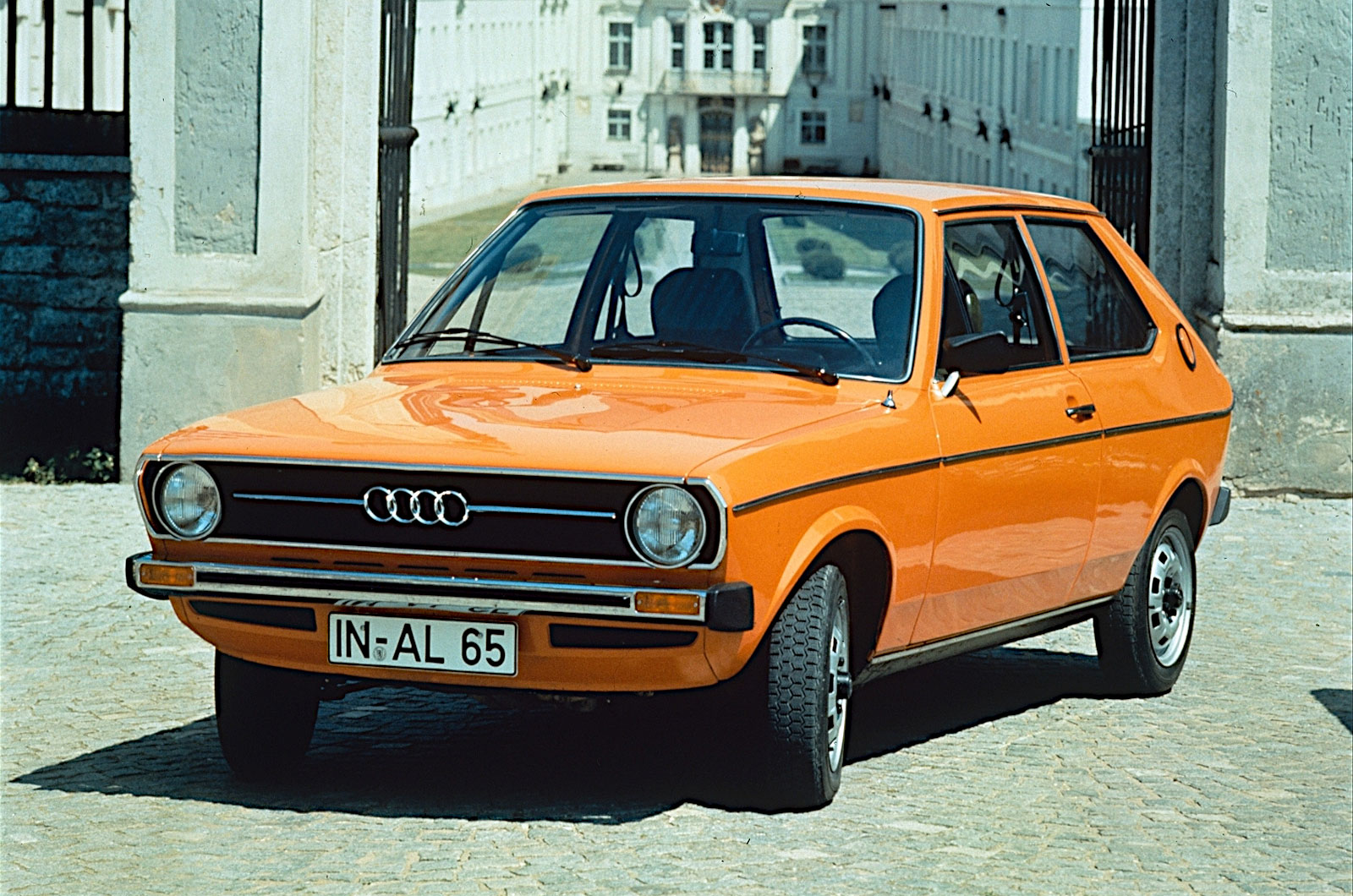
The 50 was an anomalous car for Audi. Launched in 1974, it was the brand’s first supermini, quite unlike any other model wearing the same badge. It didn’t last for long as an Audi, but had much more success as the first-generation Volkswagen Polo.
Audi did not try anything like this again until the A2 was introduced in the late 20th century. It’s now thought of as a small car, but it was a giant compared with the 50, which was around 3500mm (137.8in) long, depending on who you ask. The ‘little’ A2 was more than a foot longer.
Volkswagen Polo
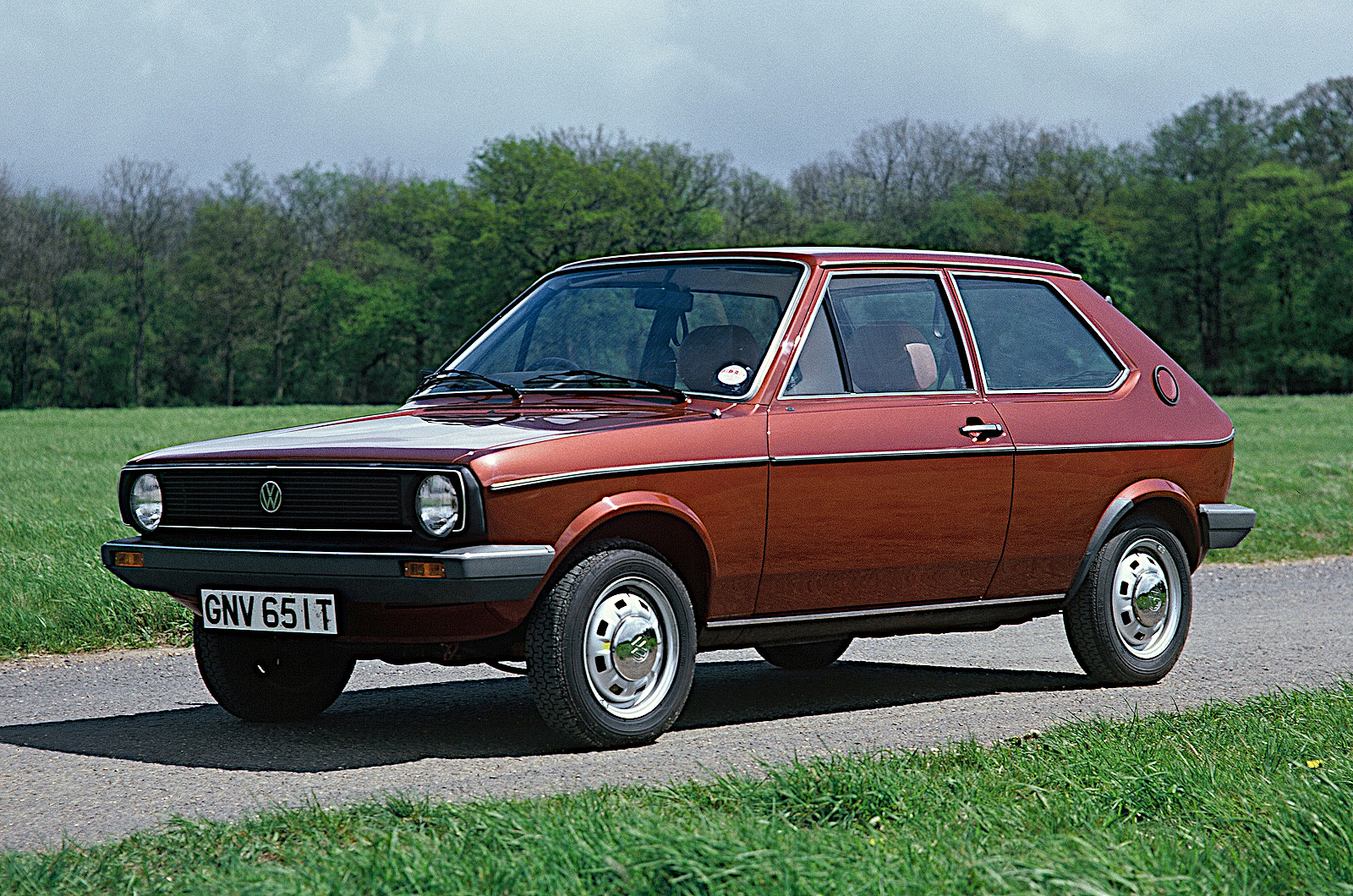
The Polo/50 is the shortest car yet produced by both Audi and Volkswagen, at approximately 3500mm (137.8in). Two of them parked front to back would be only slightly longer than VW’s largest current model, the Grand California 680.
The GTI version of the Lupo city car, which was very slightly shorter than the less powerful variants, ran the first-generation Polo close, but at 3524mm it exceeded the earlier model’s length by nearly an inch.
Chevrolet Matiz/Lechi
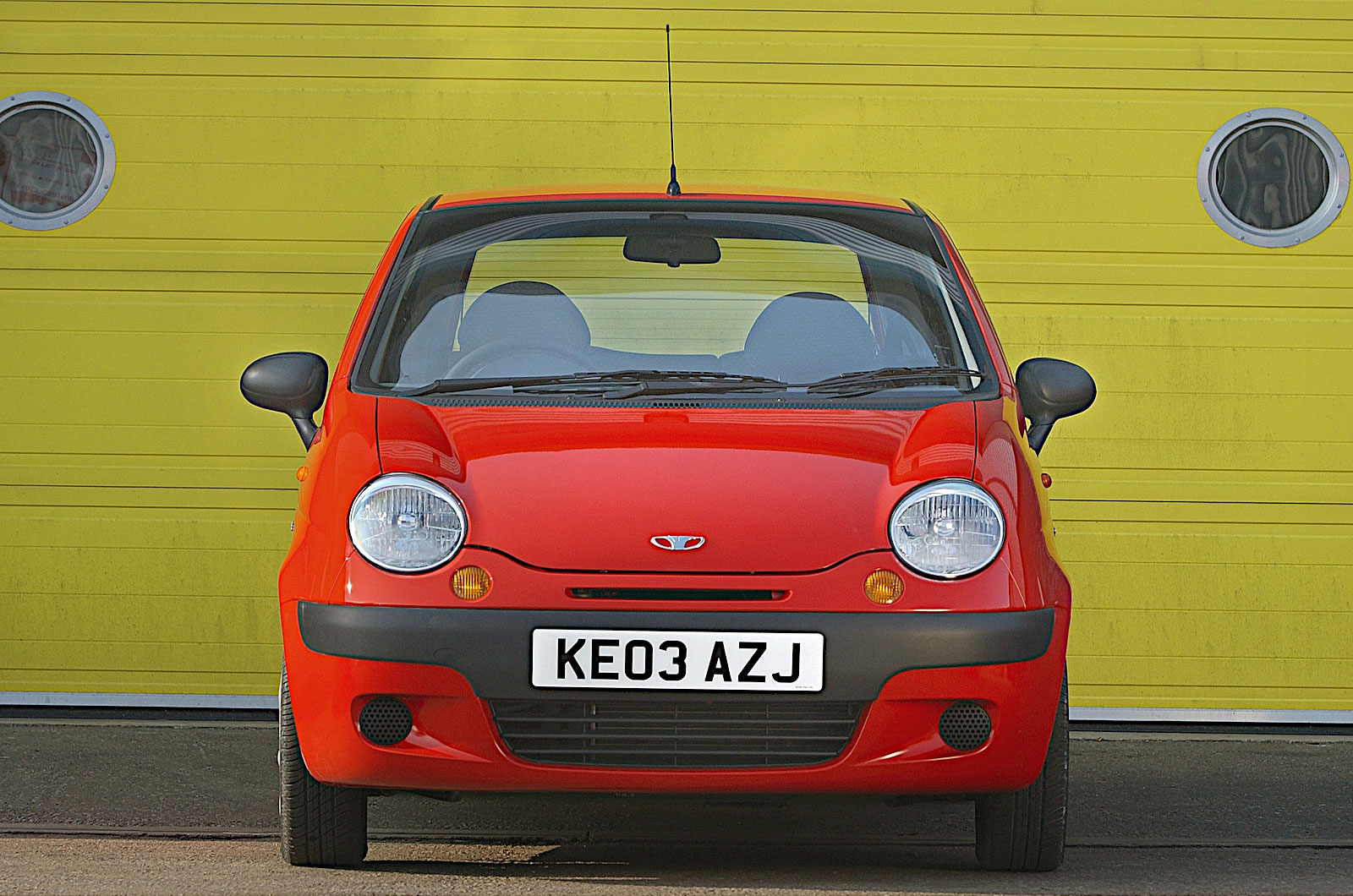
GM’s Korean supermini has been produced across four generations since 1998. The first two versions both measured 3495mm (137.6in), though subsequent models have been somewhat larger.
The car has been marketed around the world under several names. Two of these are Chevrolet Matiz and Chevrolet Lechi, making this easily the shortest vehicle ever to wear Chevy branding.
PICTURE: UK-market Matiz with Daewoo branding
Hyundai Amica and Eon
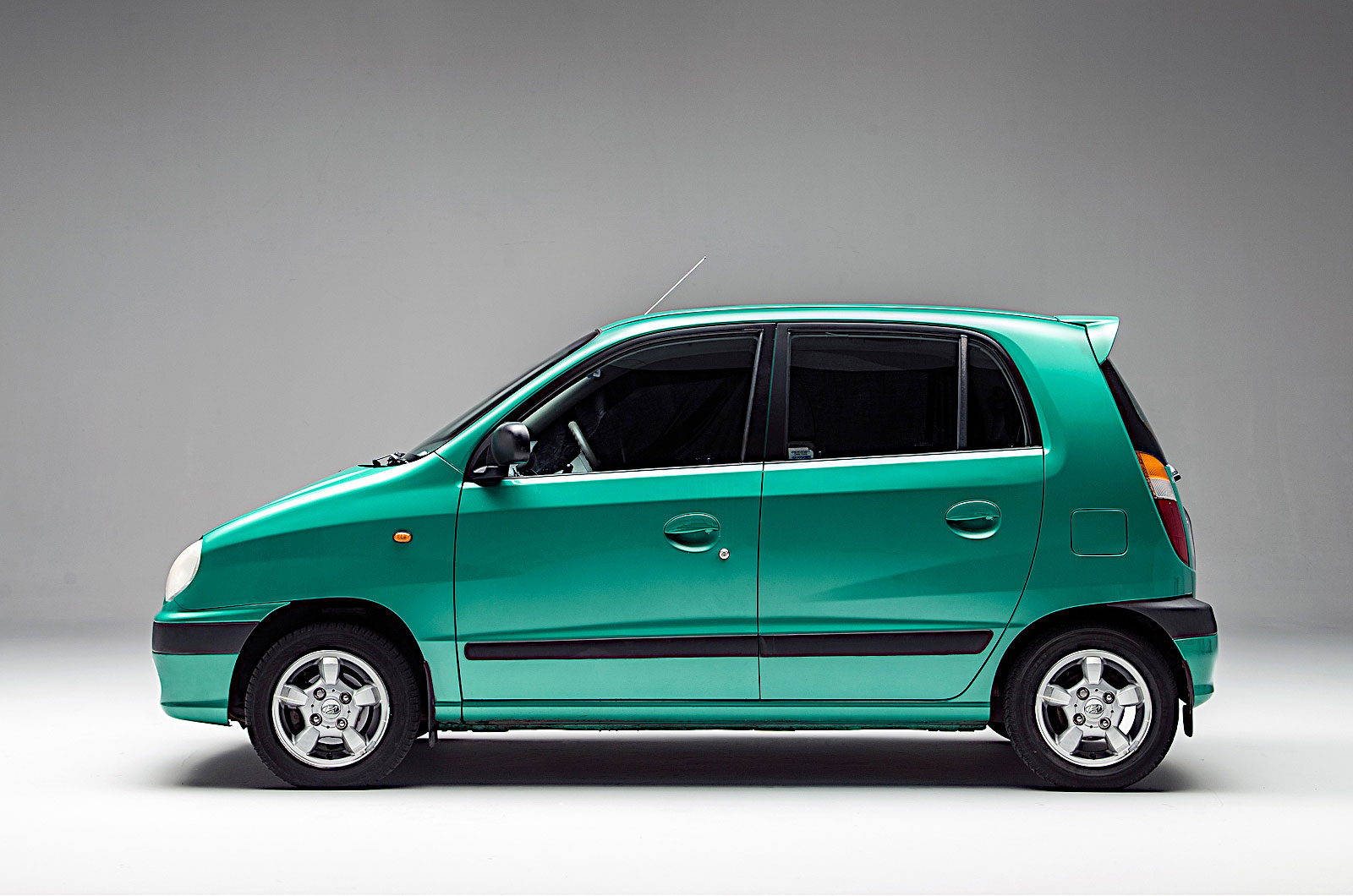
Also known as the Atos, Atoz and Santro, among other things, the Amica was a tall but narrow and short city car measuring just 3495mm (137.6in) from front to rear. The later Hyundai Eon, sold for most of the 2010s, was similar in concept and identical in length.
PICTURE: Hyundai Amica
Kia Pride
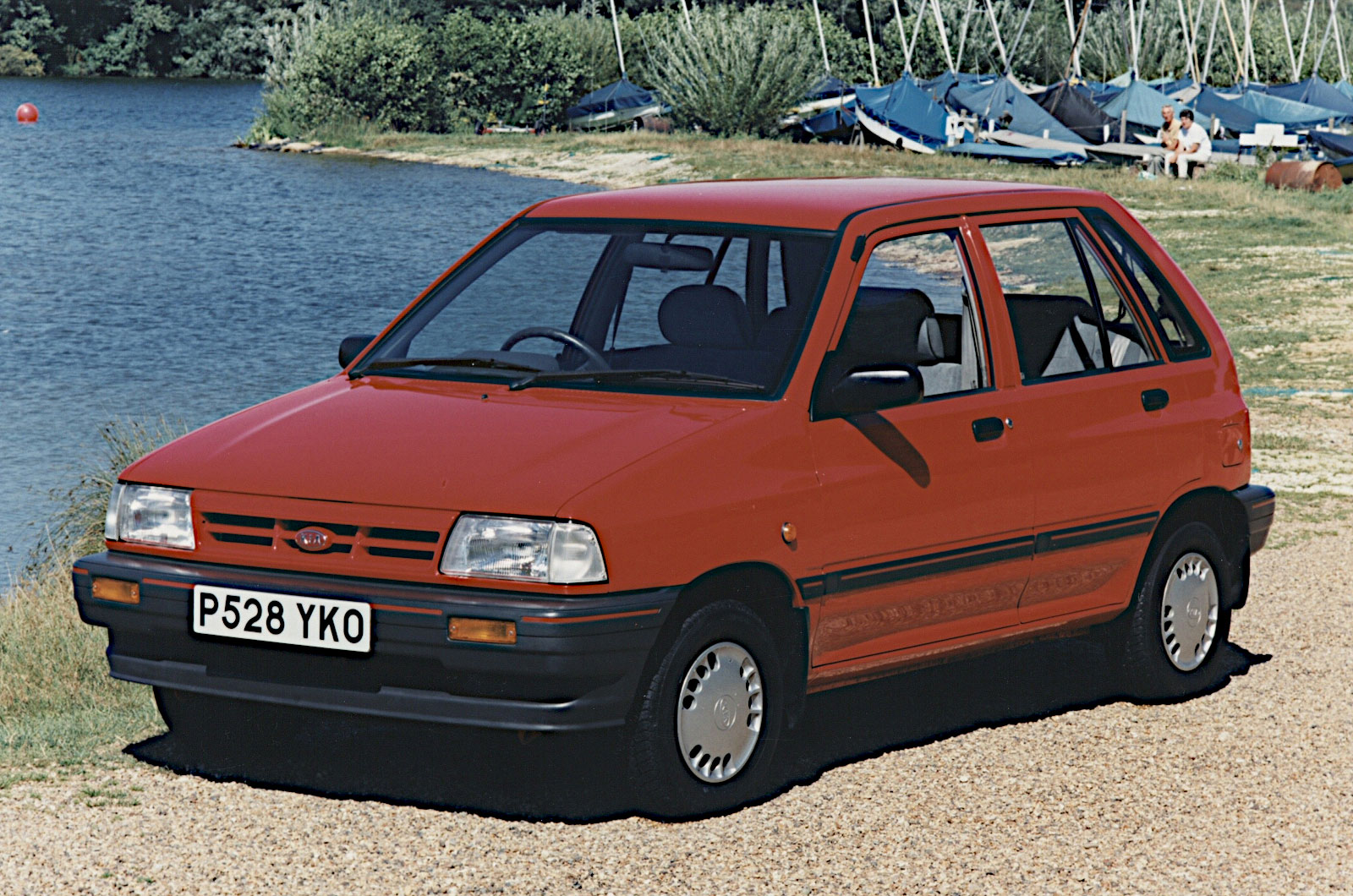
The first of three models called Kia Pride was a clone of the Ford Festiva (also known as the Mazda 121) manufactured in South Korea from 1987 to 2000.
At 3475mm (136.8in), it was the shortest Kia-badged car ever sold. Even the little first-generation Picanto, which arrived three years after the original Pride was discontinued, was longer at 3535mm (139.2in).
SEAT 600
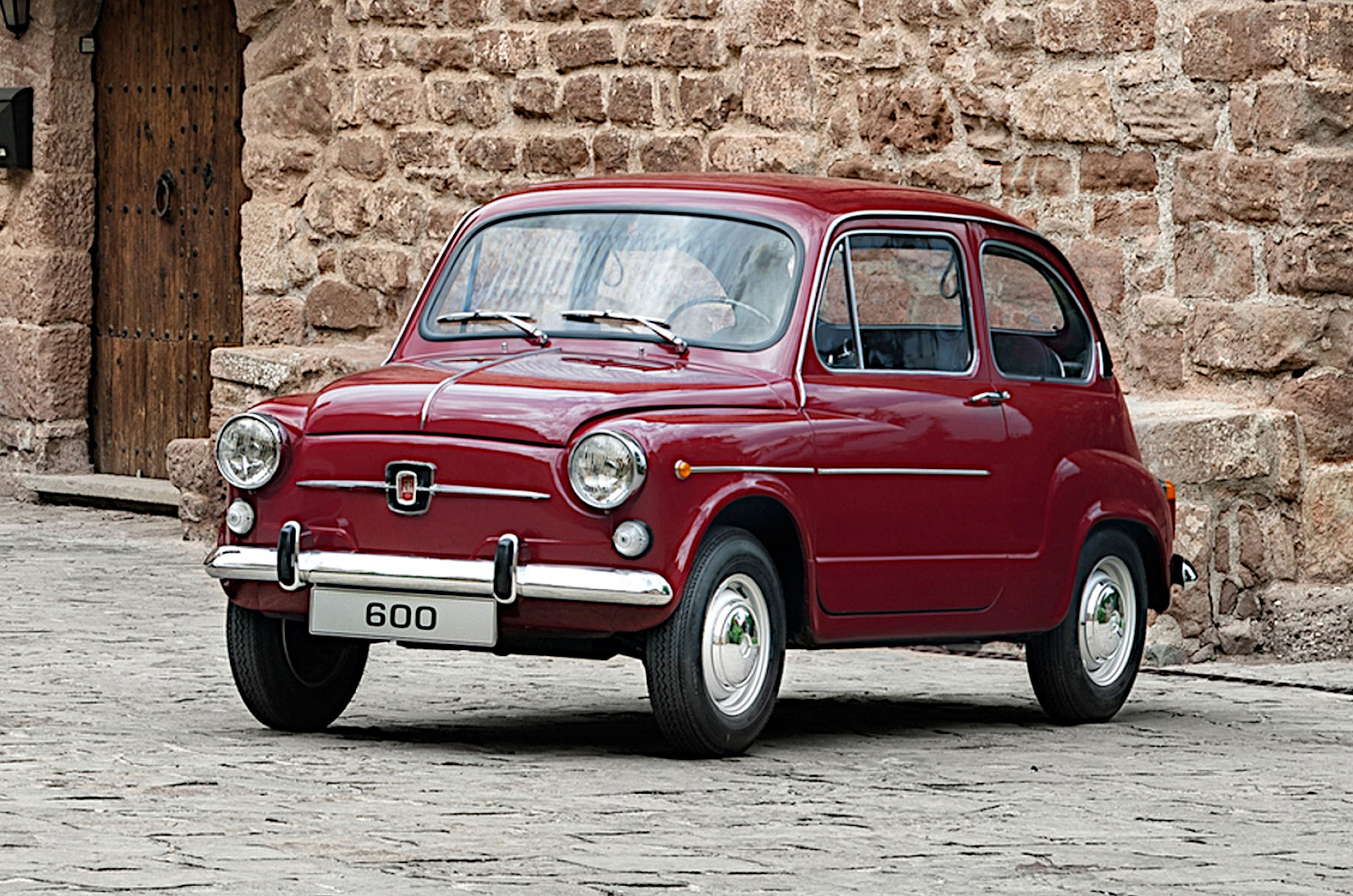
Although it was really only a Fiat built under licence, the 600 was arguably Spain’s most important car, since it was partly responsible for the enormous post-war growth of the Spanish economy.
From 1957 to 1963, before it was slightly extended, the 600 measured just 3280mm (129.1in), making it far shorter than the Mii city car of the 21st century.
Aston Martin Cygnet
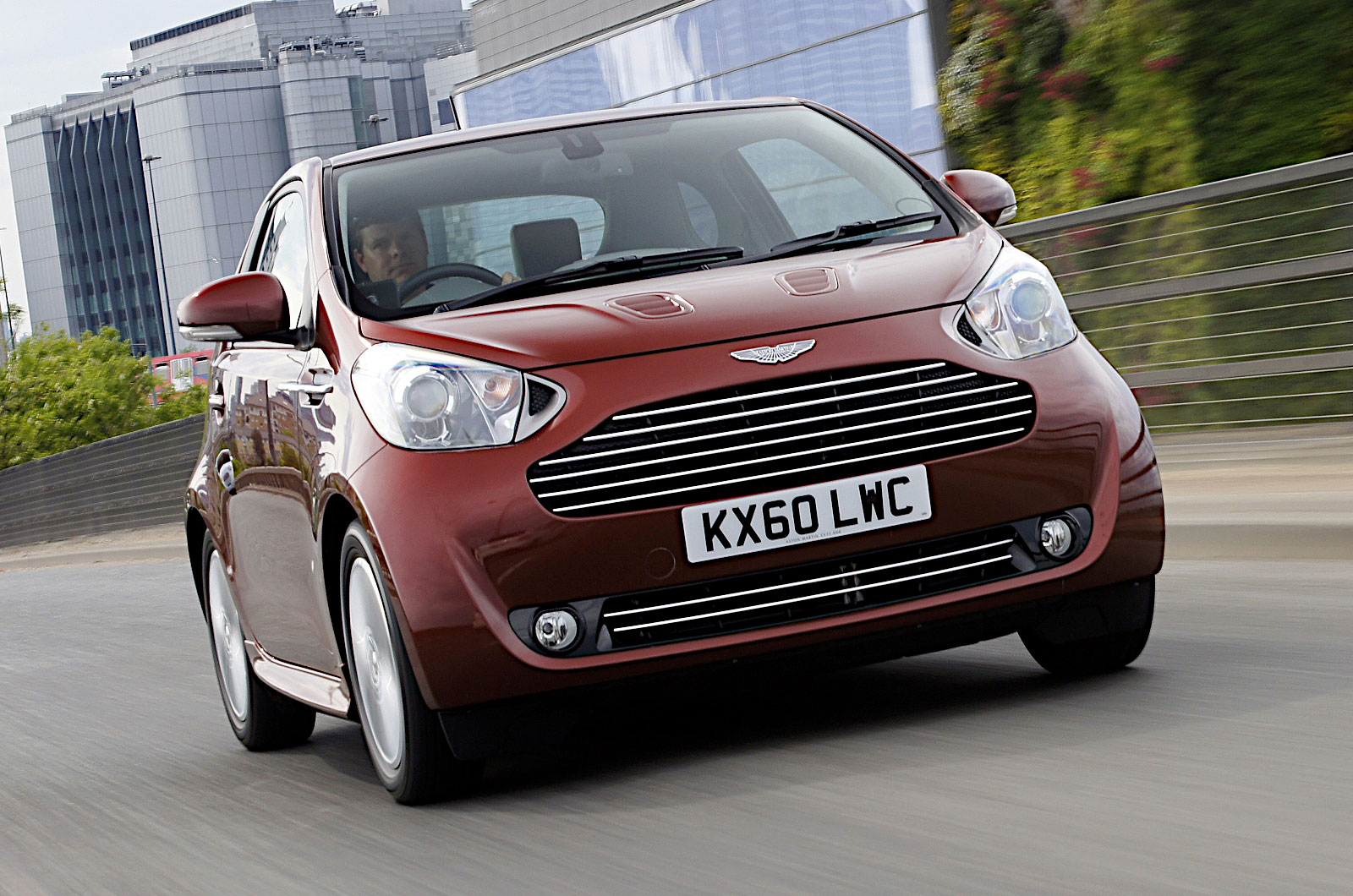
In a move which must have seemed like a good idea at the time, but later proved not to be, Aston Martin briefly built its own luxurious, and eye-wateringly expensive, version of the Toyota iQ city car.
The unlikeliest of all Astons was also the shortest, taking up just 3078mm (121.2in) of road space. It could have been less than that, but a more prominent nose made the Cygnet slightly longer than the Toyota it was based on.
Honda N360
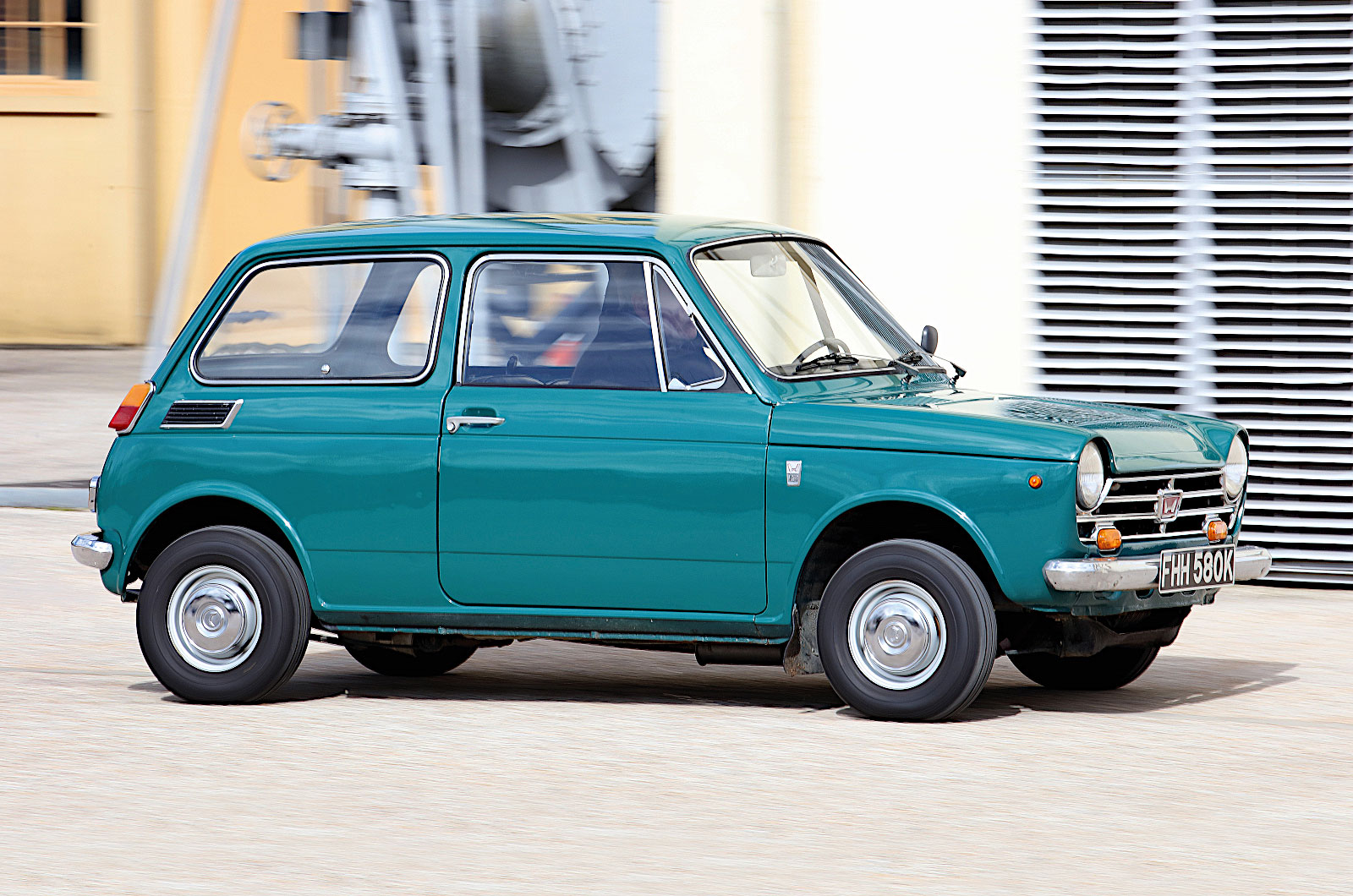
Until 1976, when the rules were relaxed slightly, no car could be included in the Japanese kei class if it measured so much as a gnat’s crotchet over three metres. Like several other models of its place and time, some of which we’ll be discussing in a moment, the Honda N360 just squeaked under this with a length of 2995mm (117.9in).
The related N600 did not qualify, partly because it was 3100mm (122.0in) long and partly because its engine was too large.
Mitsubishi Minica
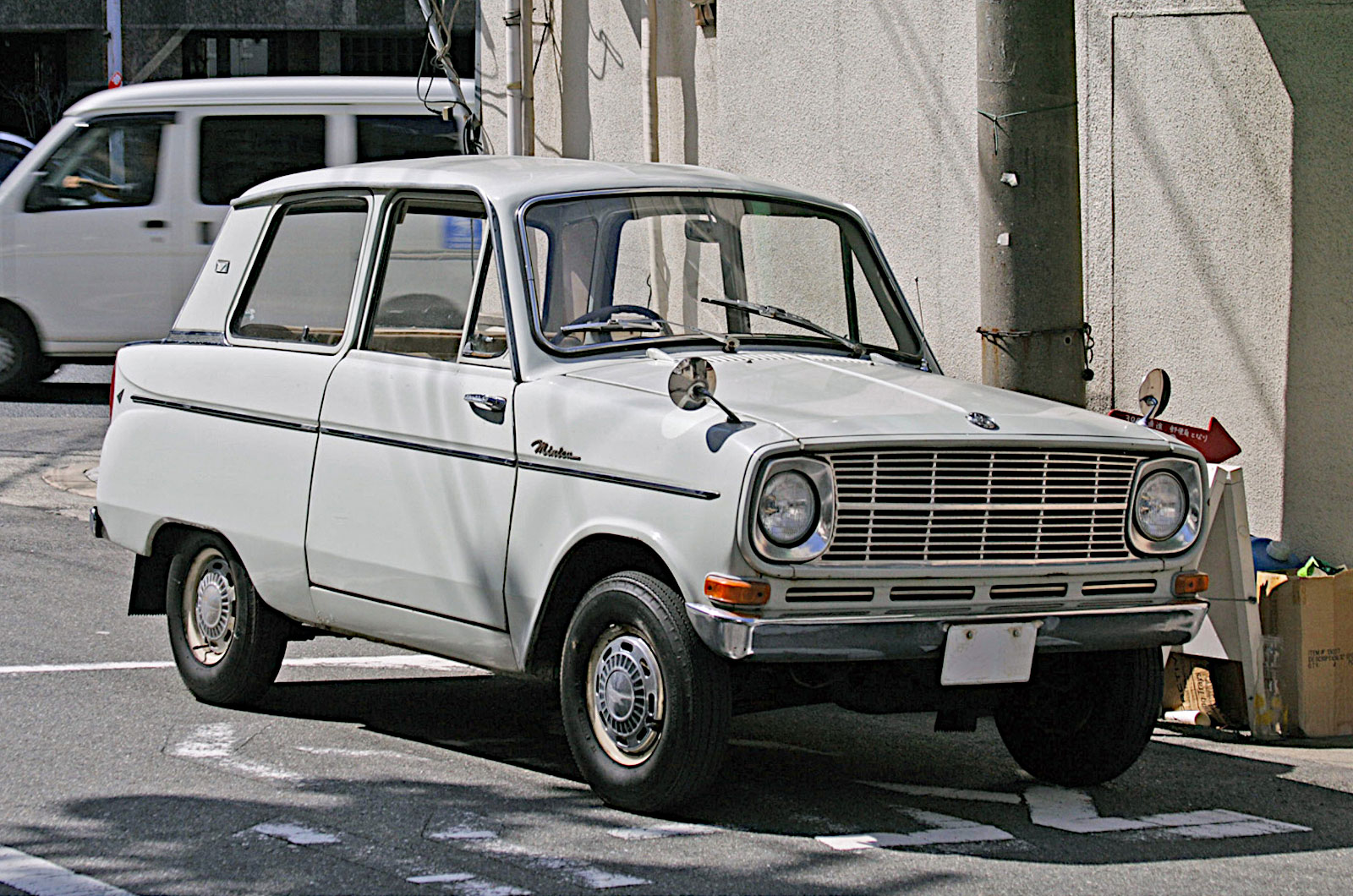
Mitsubishi produced Minica kei cars in eight generations over half a century. For the first two generations and most of the third, they all measured 2995mm (117.9in).
In January 1976, the maximum permitted length of a kei car was raised from 3.0 to 3.2 metres. Mitsubishi responded by fitting larger bumpers to the Minica, increasing its length to more than 3000mm for the first time.
PICTURE: 1962 Minica
Photo licence: https://creativecommons.org/licenses/by-sa/3.0/legalcode
Subaru 360
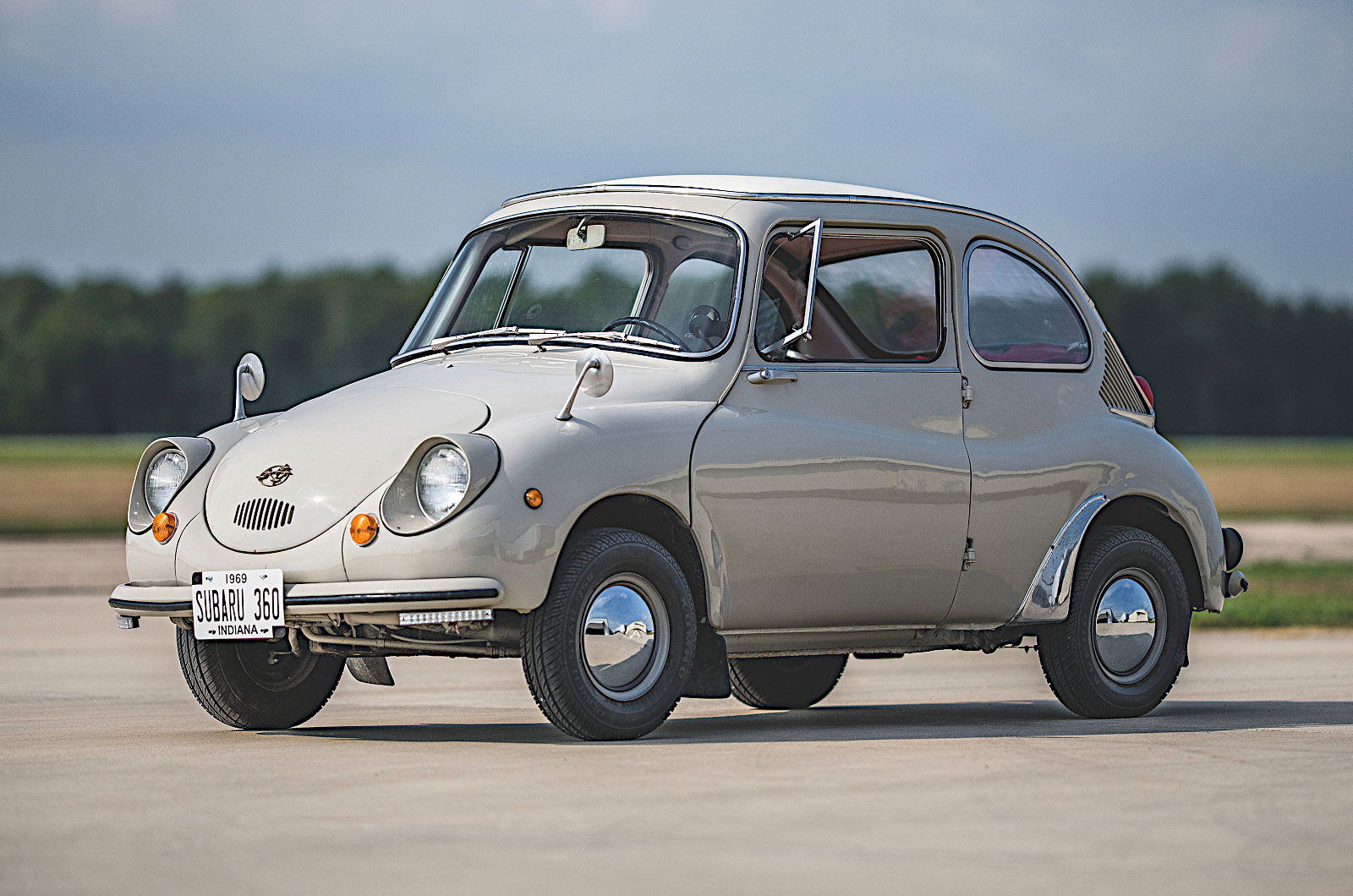
Throughout its life, Subaru’s first car was subject to the kei car limit of 3.0 metres. Several lengths have been quoted for this model, but 2995mm (117.9in) is both the most common and the most likely.
It also applies to the 360’s successor, the Rex, and to early versions of the later R-2, which grew when the kei rules were altered in 1976.
Suzuki Fronte
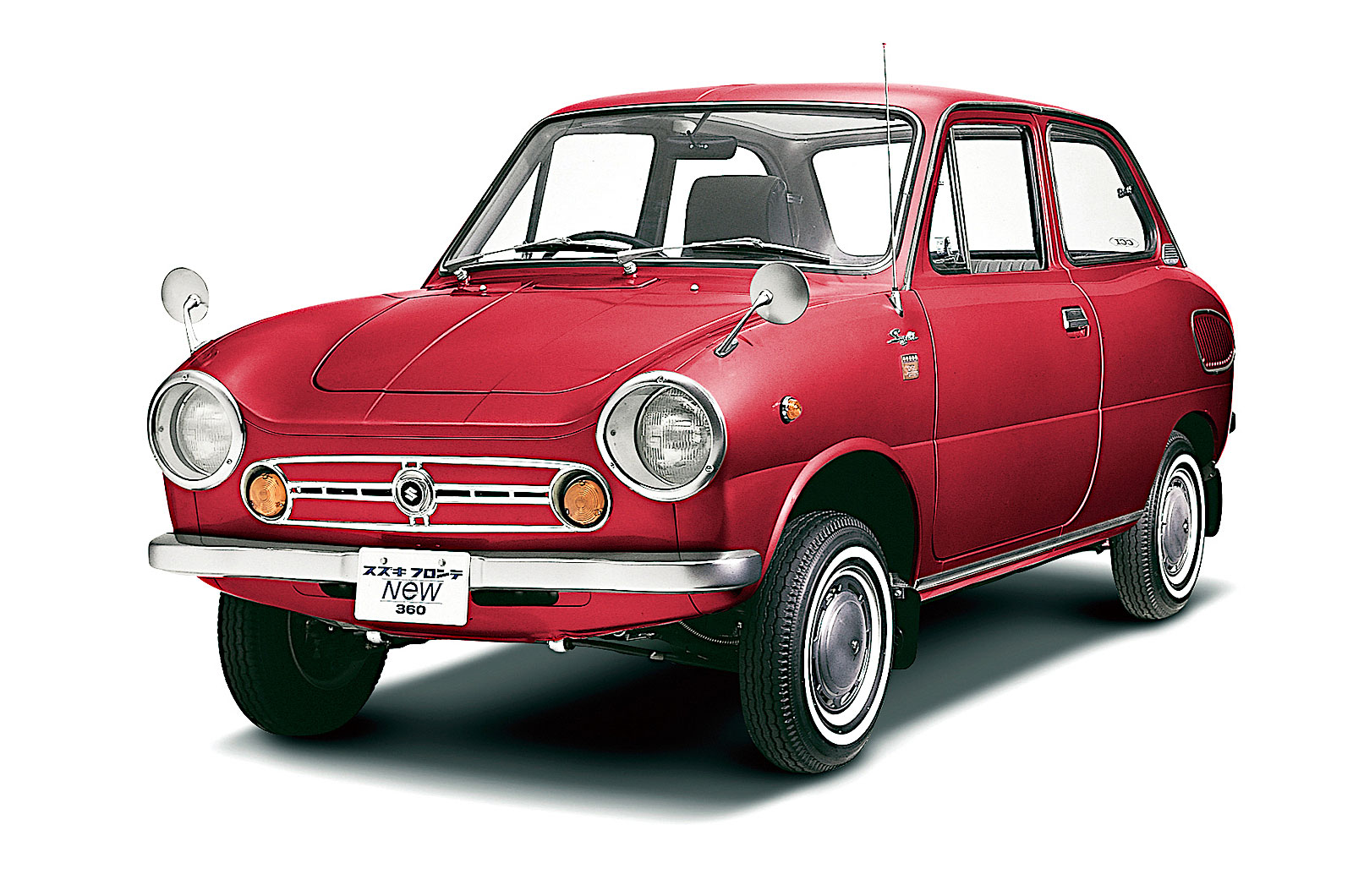
In what must now have become a familiar tale, all Suzuki Fronte kei cars measured 2995mm (117.9in) in the days when they were not allowed to be more than 3.0 metres long.
The earlier Suzulight models, which were built by Suzuki but did not carry the company’s branding, are reported to have been very slightly shorter, at 2990mm (117.7in).
Toyota iQ
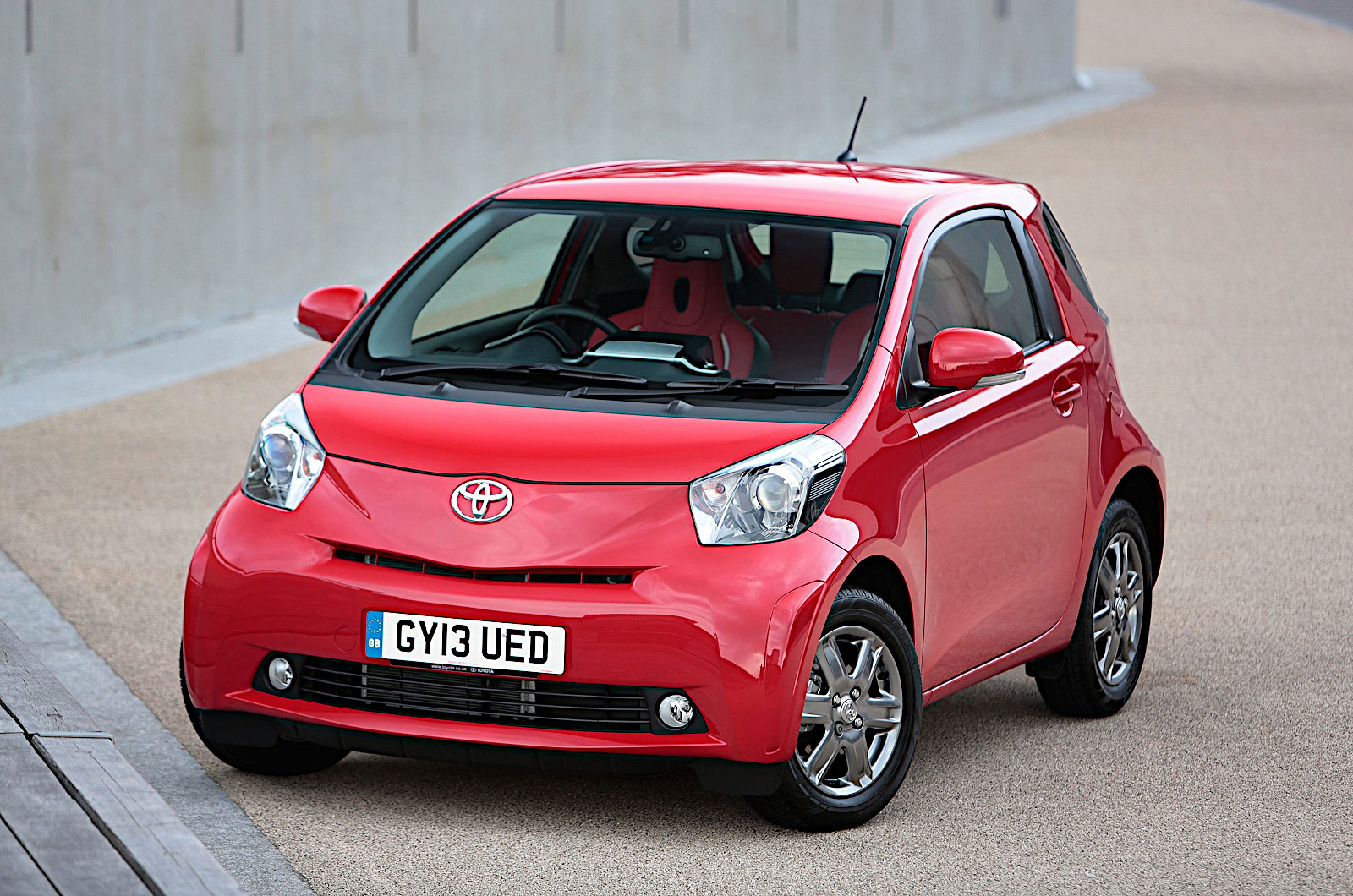
Toyota has built many short cars over the years, but it excelled itself with the iQ (marketed in the US as a Scion) which was produced from 2008 to 2016. At 2985mm (117.5mm) it easily met the current kei car regulations as far as length was concerned, though all the engines it was fitted with were far too large to qualify.
Oddly, the iQ was much shorter than the 3395mm (133.7in) Toyota Pixis Joy, a rebadged version of the Daihatsu Cast which definitely was a kei car.
Cadillac Model A
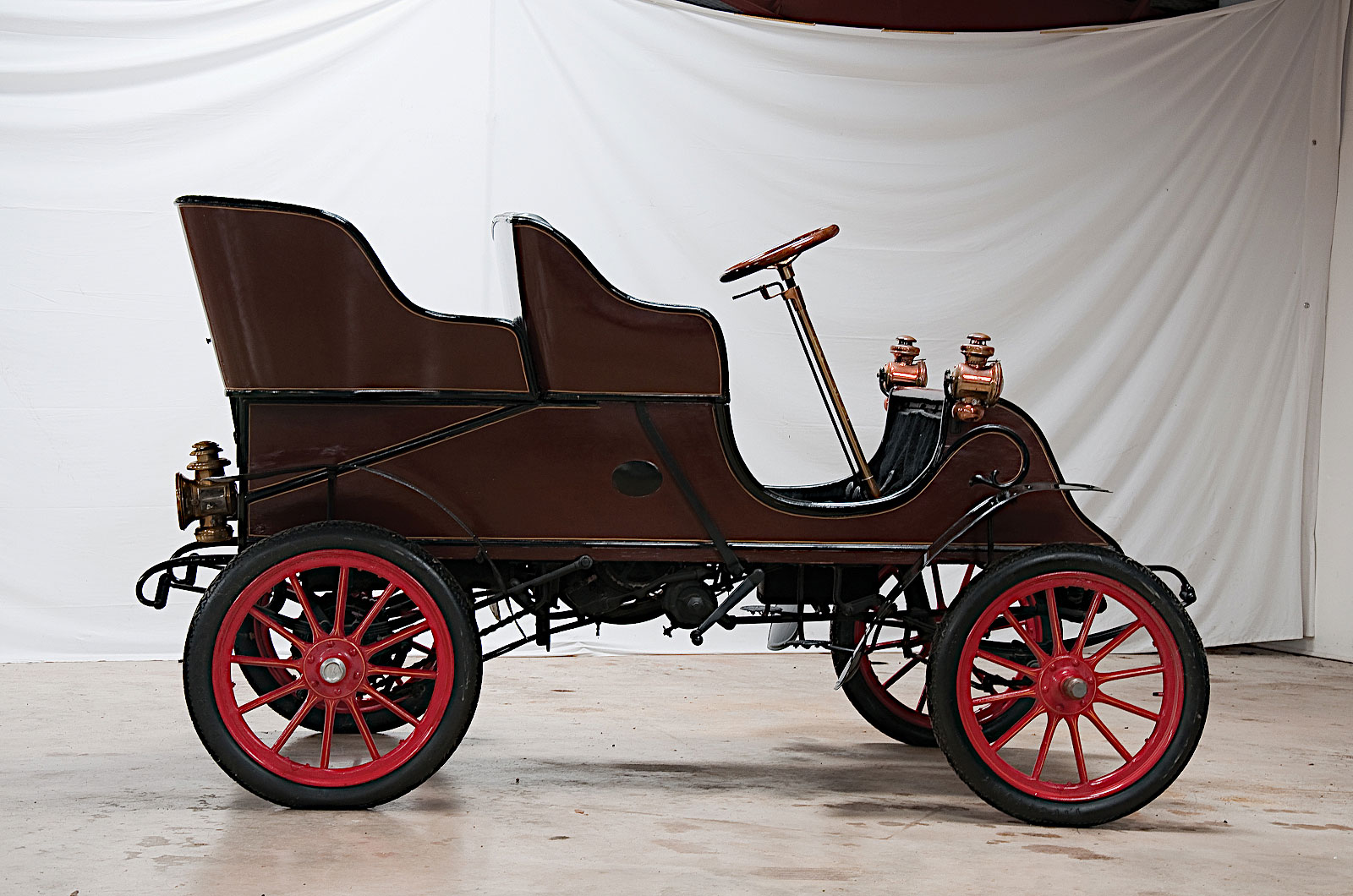
The first cars produced by manufacturers established around the turn of the 20th century were often extremely small, so you’ll be reading about several of them here.
We’ll start with the original Cadillac, which first appeared in the 1903 model year. The Henry Ford Museum in Dearborn reports that the Model A Runabout in its collection is a mere 2807mm (110.5in) long. For reference, two of them could just about hide behind a single example of today’s Cadillac Escalade ESV.
Ford Model A
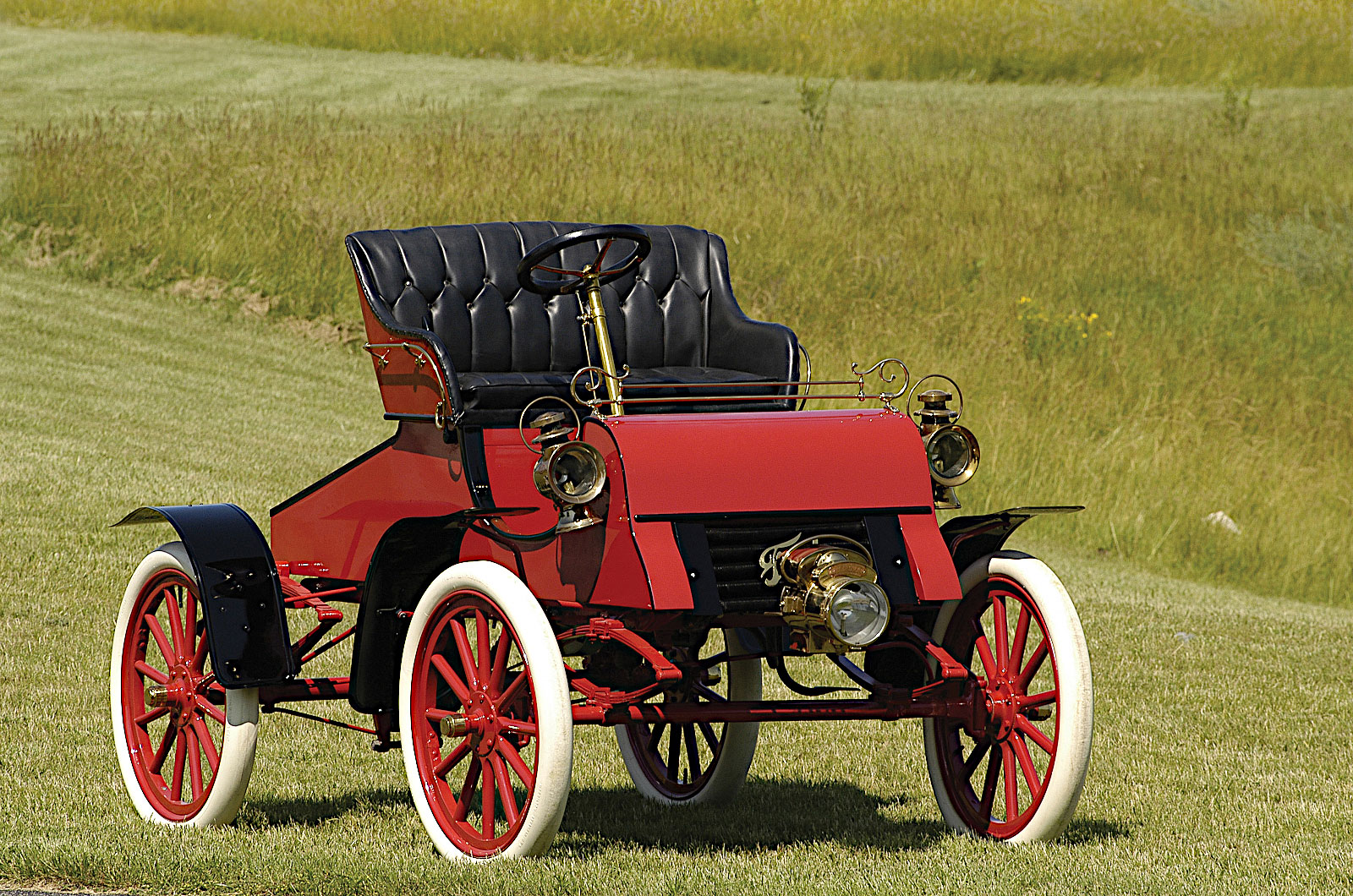
The Ford Motor Company’s first car bore a close resemblance to the Cadillac of the same name, a coincidence partly explained by the fact that Cadillac rose from the ashes of Henry Ford’s first company that he departed in 1902.
There were important differences, though. Each car had its own engine, and the Ford was shorter. According to the Henry Ford Museum, which has an example of both Model As, its Ford measures 2616mm (103.0mm).
smart fortwo
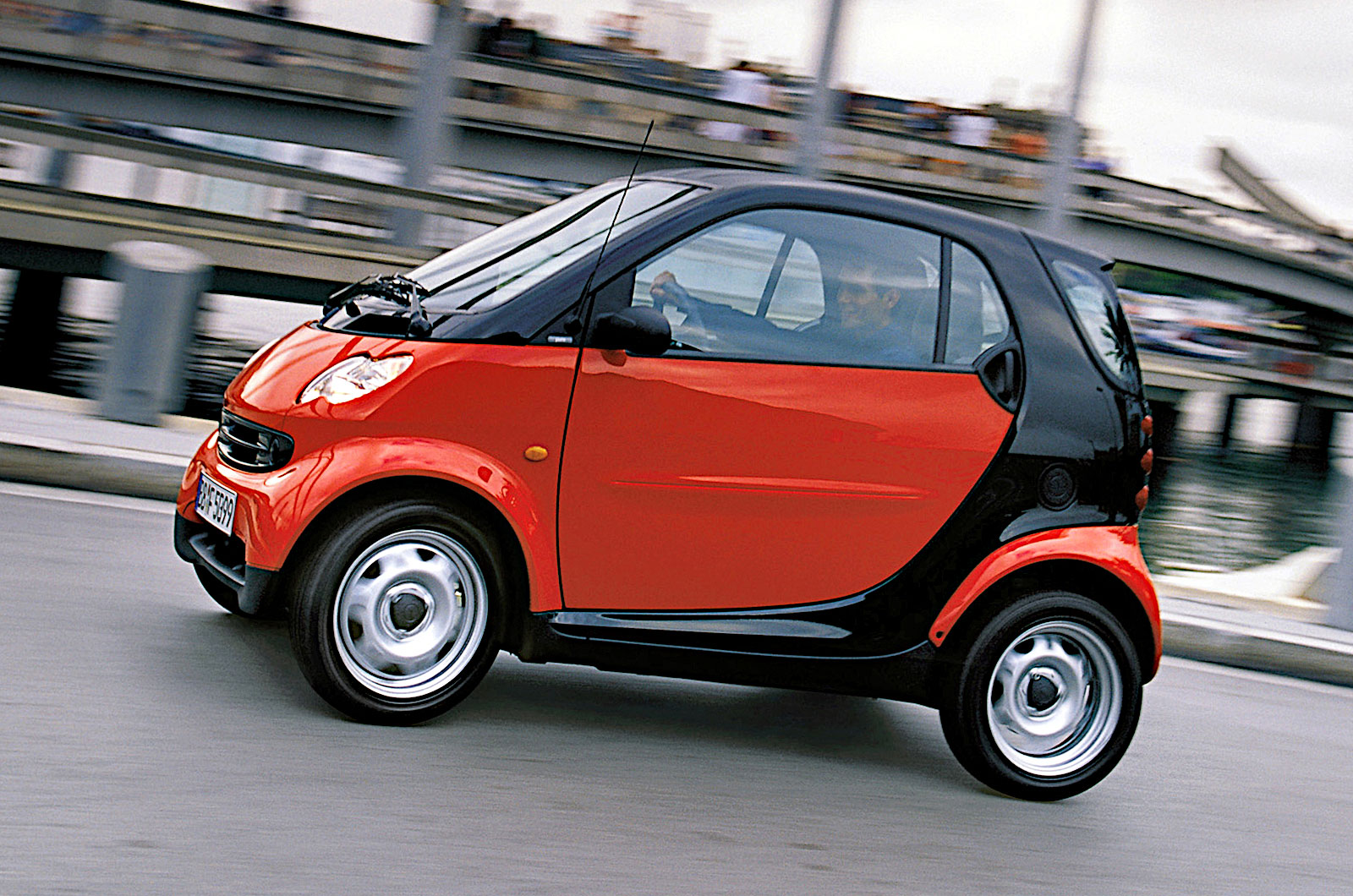
The original smart became known as the fortwo after several years to distinguish it from the much larger forfour supermini.
Although its passenger compartment was impressively spacious, there was very little either in front of or behind it. In its first generation, the car was only 2500mm (98.4in) long. Later models have reached nearly 2.7 metres.
Vauxhall 5hp and 6hp
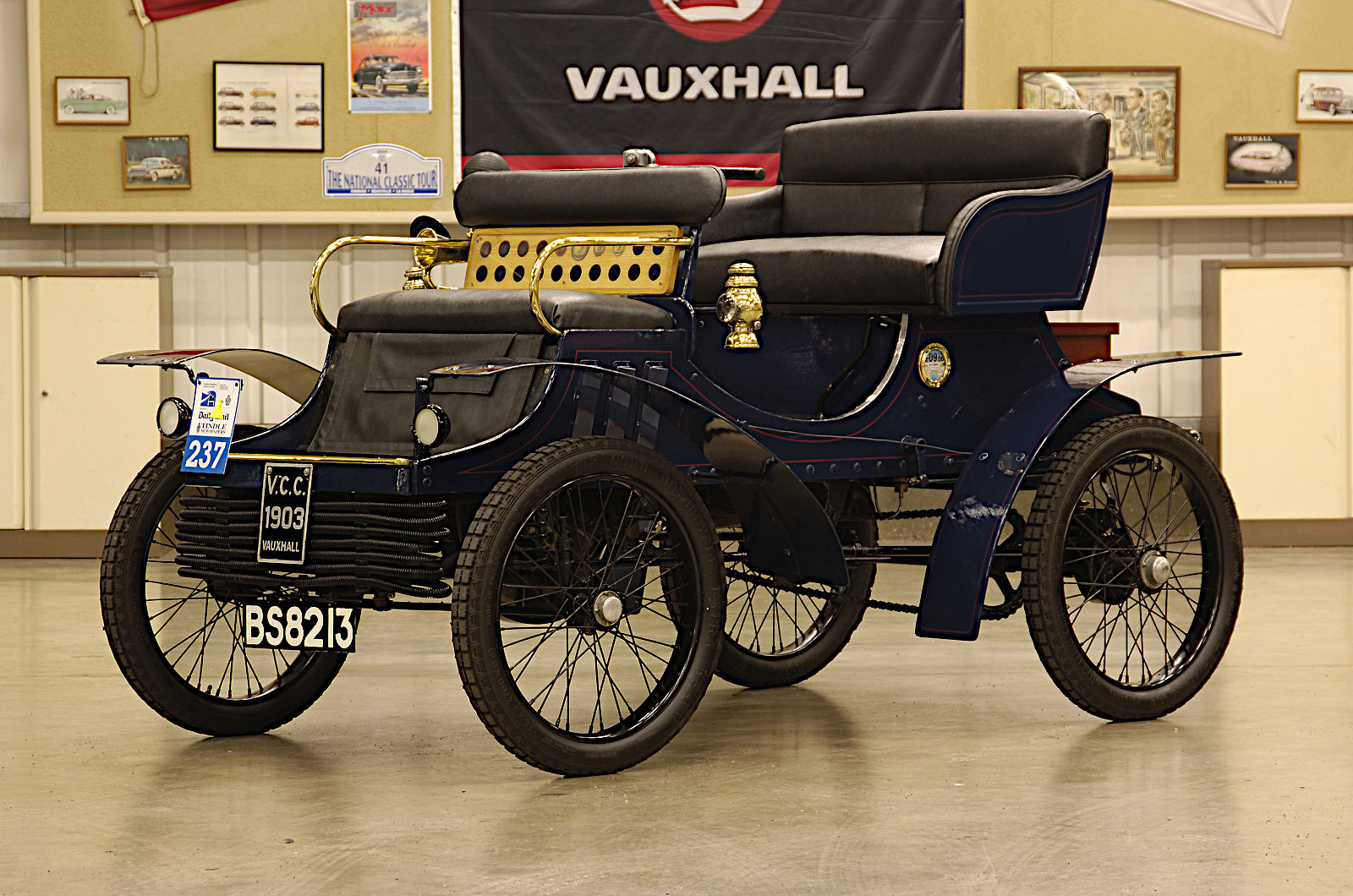
The Vauxhall 5hp went on sale in May 1903, and was replaced the following February by the 6hp, which was basically the same car with a larger engine, a reverse gear and, latterly, a proper steering wheel rather than a tiller.
Both were 2489mm (98.0in) long, a figure Vauxhall never approached again. The 12-14hp model, which went into production before the end of 1904, was very much larger.
Citroen Ami
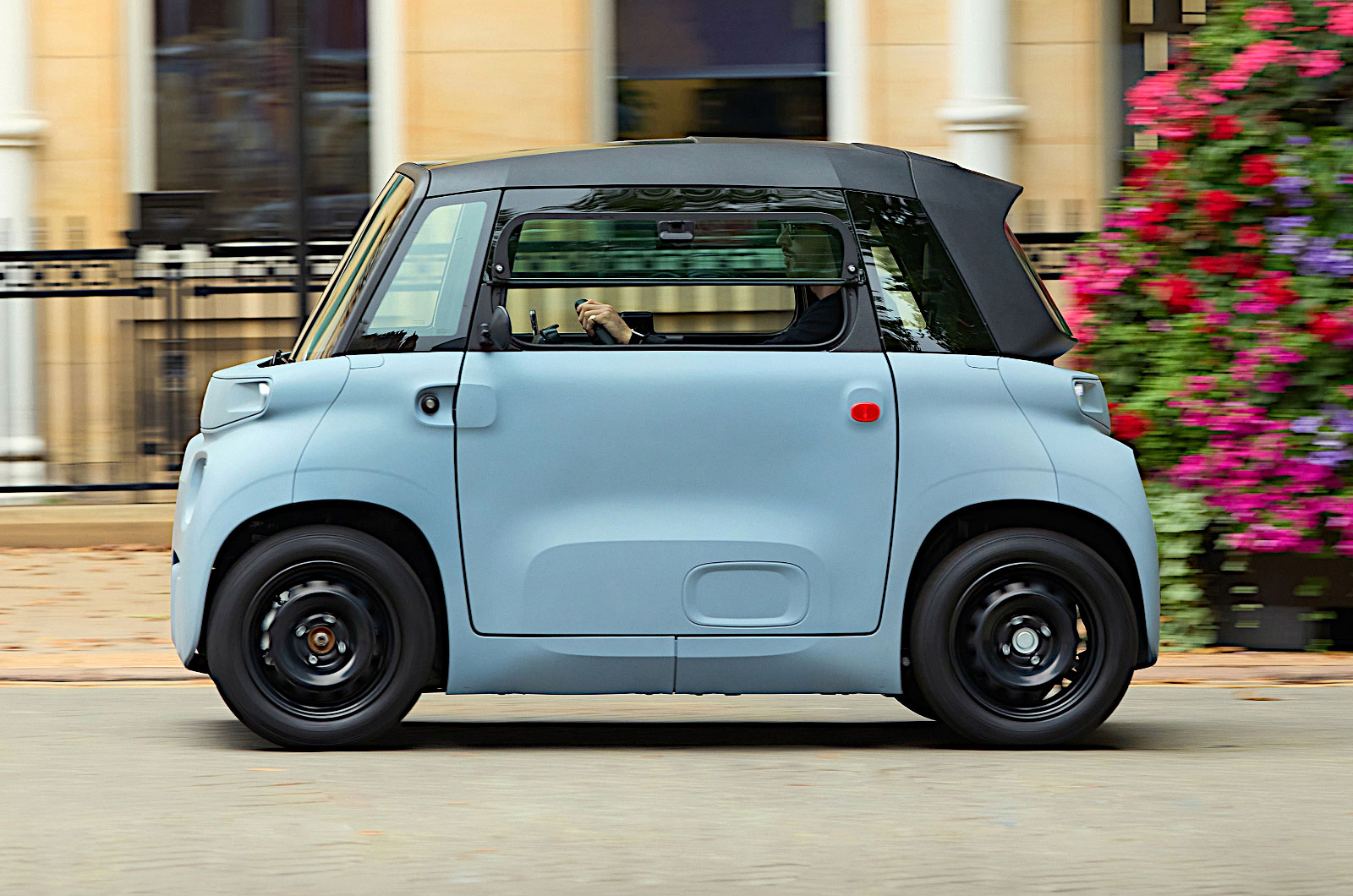
Citroen has been building small cars for many decades, but the shortest of all went on sale only recently.
The all-electric Ami - named after, but not related to, another Citroen introduced in 1961 - is designed primarily for urban use, and measures only 2489mm (94.9in), which would have been considered modest even in the early 1900s. The Ami has space for two, a single-charge range of 46 miles, has a top speed of 28mph, and can be purchased from £8095 in the UK.
Fiat 3.5hp
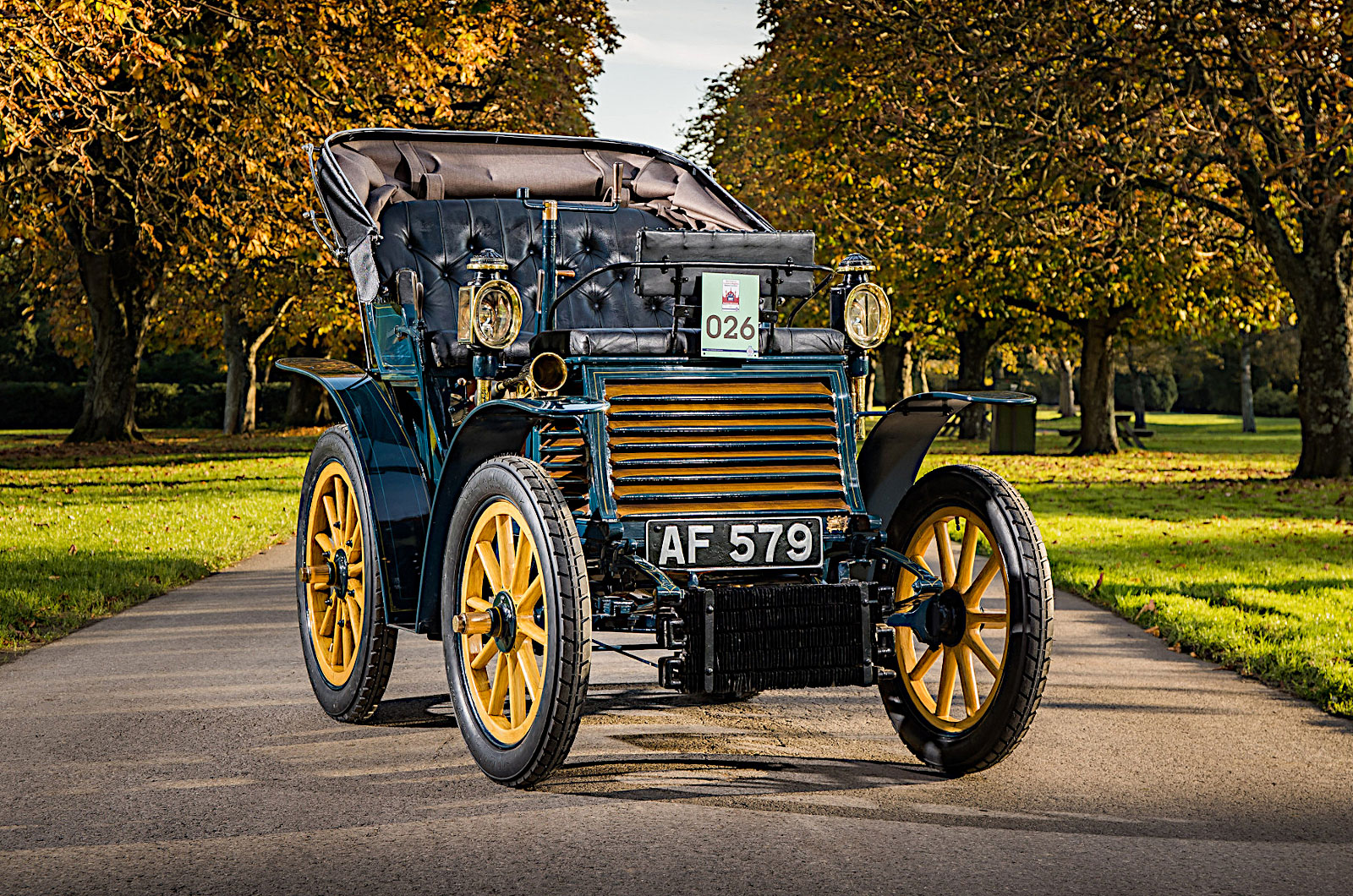
The first Fiat was created by the Italian Welleyes brand, which had until then built only bicycles. The project was taken over by Giovanni Agnelli (1866-1945), who changed the car’s name and put it into production in 1899.
Almost every part was contained within the space between the front and rear axles, which were very close together. The whole contraption was just 2300mm (90.6in) long.
Peugeot Type 2
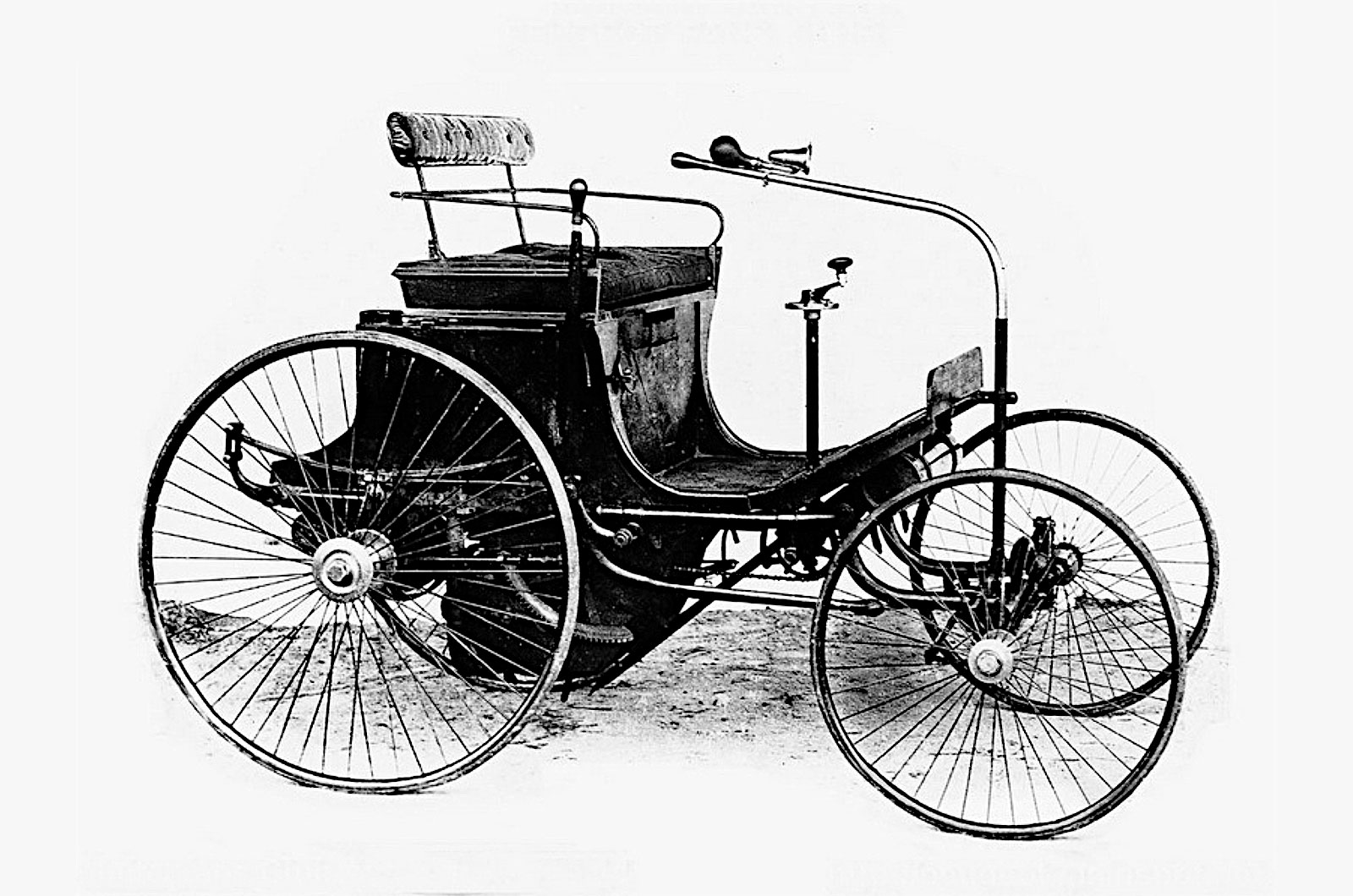
The Type 2 is generally referred to as Peugeot’s inaugural production car, though only four were built and it took nearly a year to sell the first one. Introduced nearly a decade before the Fiat 3.5hp, it was coincidentally shared that car’s length of 2300mm (90.6in). This makes it even shorter than both the Peugeot VLV, a tiny electric city car built during the Second World War, and the minuscule BB1 electric concept displayed at the Frankfurt Show in 2009.
BMW Isetta
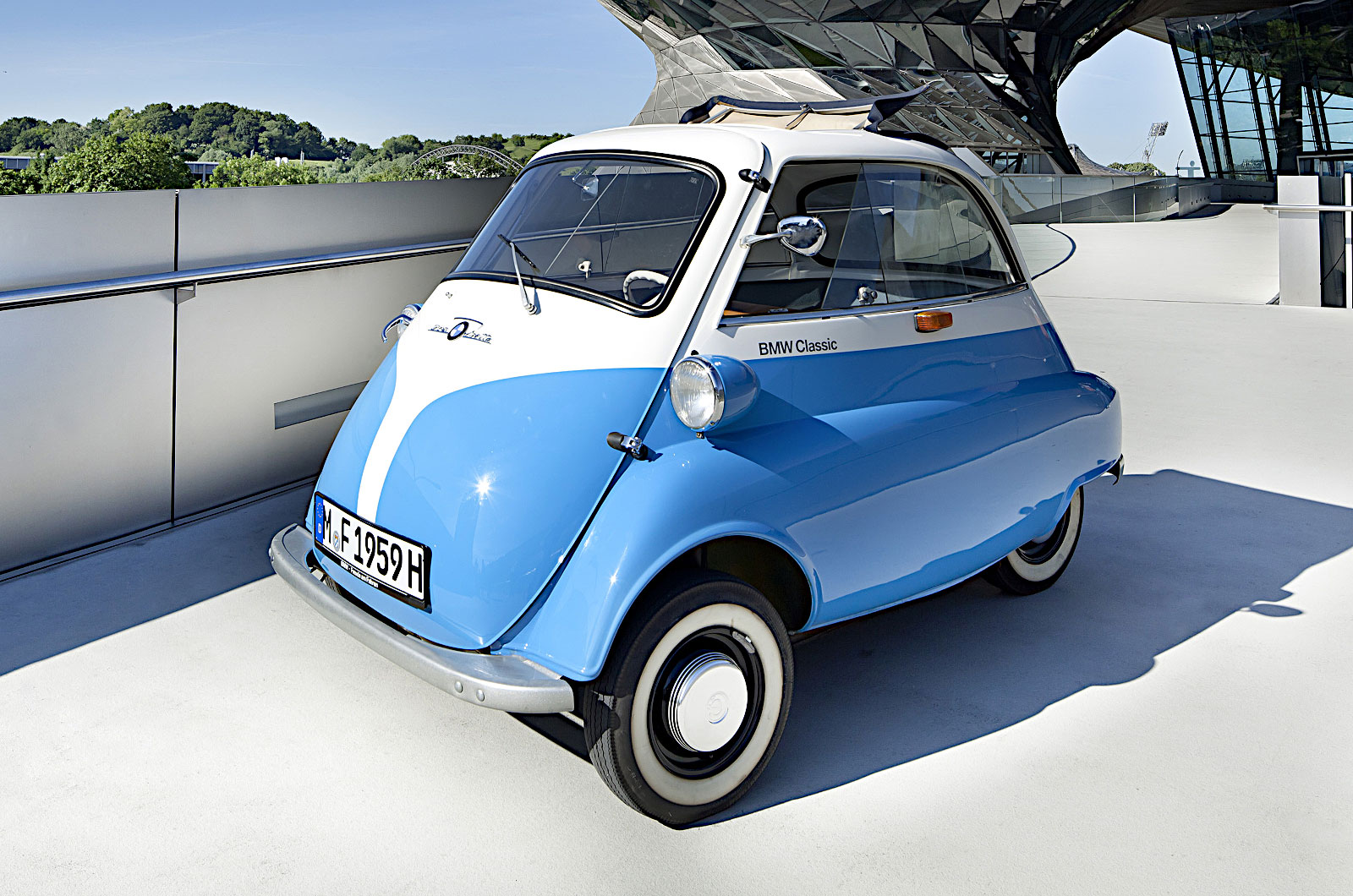
BMW acquired the rights to build the Isetta bubble car from Italian company Iso, and almost completely redesigned it while retaining the same basic shape.
Different sources quote very different lengths for the revised car. BMW’s own figure is 2280mm (89.8in), which makes the Isetta very nearly a foot shorter than the 2570mm (101.2in) wheelbase of the company’s smallest car produced so far in the 21st century, the i3, which totals 4011mm in length.
Opel Patent Motorwagen
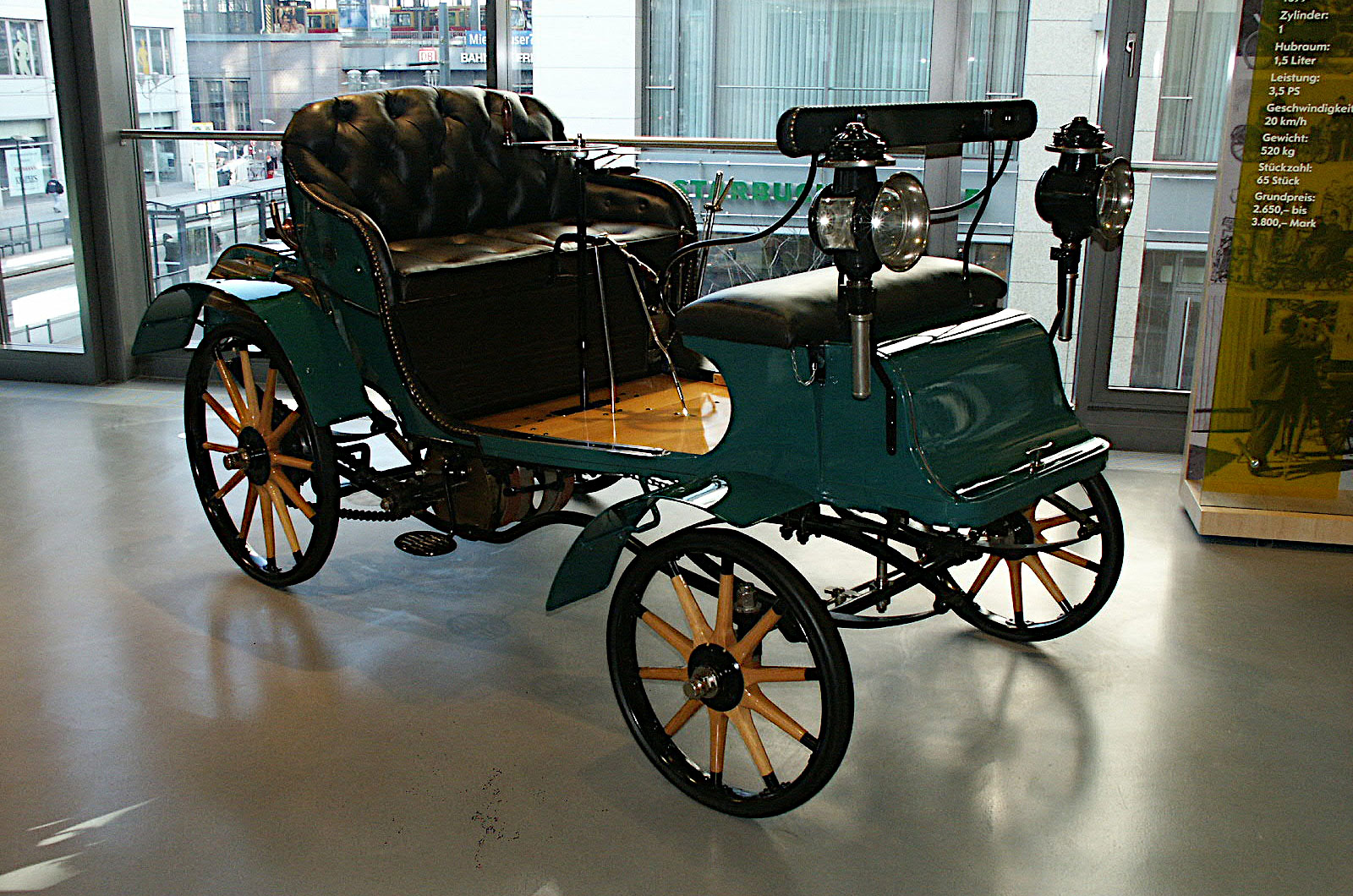
The full name of Opel’s first car is Patent Motorwagen System Lutzmann, after Friedrich Lutzmann (1859-1930), from whom Opel bought the rights to produce it.
Sources generally agree that the machine was 2150mm (84.6in) long, which seems about right from the available photographs and film footage.
Renault Voiturette
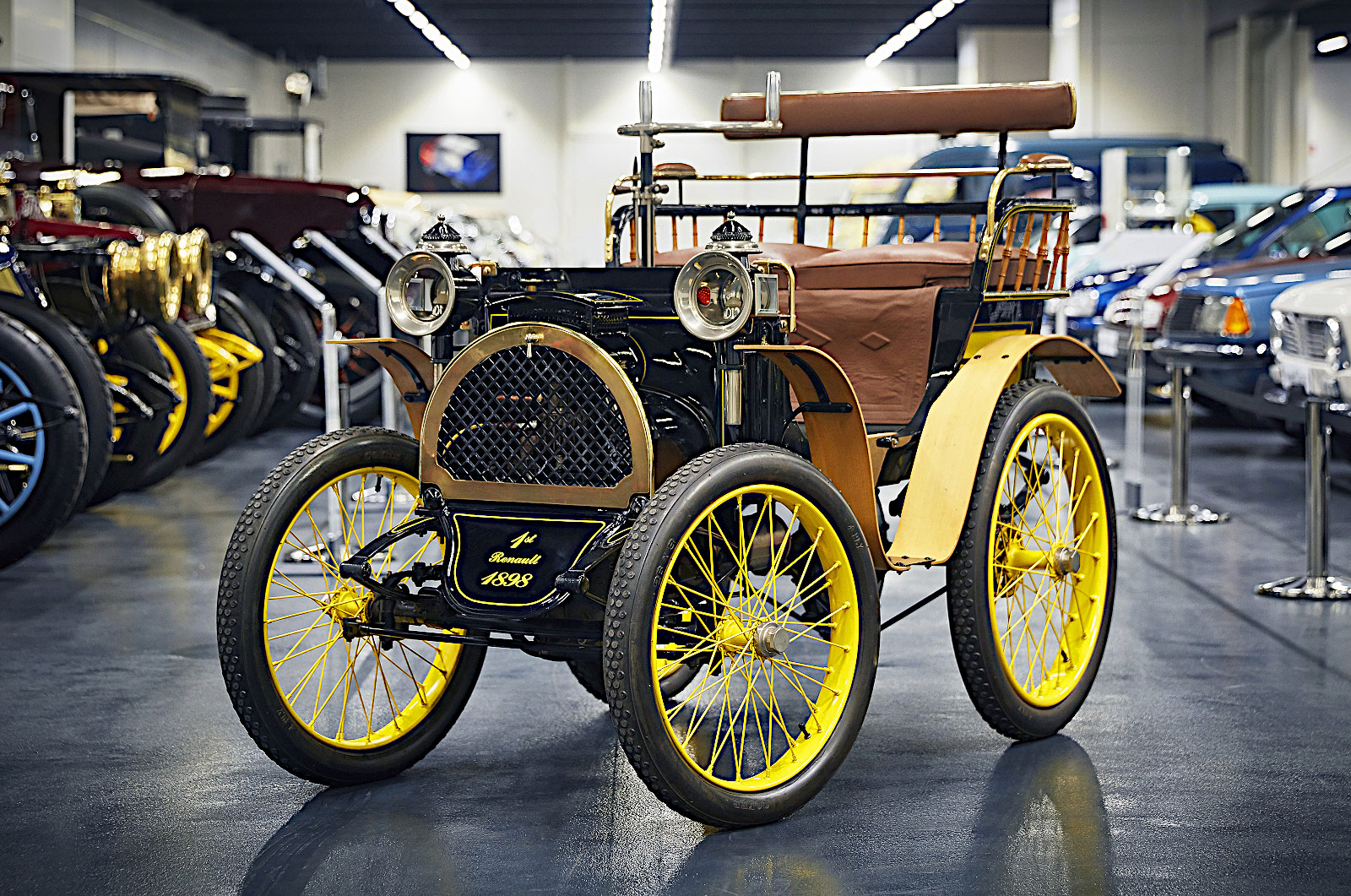
Renault became a car manufacturer as a direct result of founder Louis Renault (1877-1944) successfully climbing the steep Rue Lepic in Paris in his prototype Voiturette, impressing onlookers to such an extent that they wanted similar vehicles of their own.
Like the prototype, they were absolutely tiny, even by the standards of 1899 - from stem to stern, they measured 1860mm (73.2in). By comparison, the electric Twizy, today considered an extremely short vehicle at 2338mm (92.0in), seems like a sprawling monstrosity.

Chery Stockman Revives a Classic Name for Australia’s First Diesel Plug-In Hybrid Pickup